


Sustainable Paper Packaging Options
Sustainable paper packaging starts with practical decisions: right-sized structures, paper-based materials, simpler inserts, suitable printing, fewer unnecessary layers and honest claims that match the actual package.
- ✓ Free Design Support & 3D Mockup
- ✓ Less Empty Space
- ✓ Smarter Material Choices
What Sustainable Packaging Means in Practice
Sustainable packaging is not one single material or one universal box style. A better choice depends on product weight, fragility, retail needs, shipping risk, price point, brand presentation and local recycling systems.
The right answer should balance product protection, customer experience, cost, logistics and material responsibility.
For most paper packaging projects, sustainability should be reviewed together with packaging materials, custom paper bags, custom paper tubes and any required packaging certifications.
Start With Product Protection and Real Use
A package that fails during shipment is not a good sustainable choice. Damaged products, returns and replacement shipments can create more waste than a slightly stronger structure.
Product Details
Confirm product size, weight, material and whether it is fragile, glass, ceramic, metal, paper, plastic or fabric.
Real Use
Review whether the packaging is for retail, gift, ecommerce, display, warehouse handling or international shipping.
Insert Need
Check whether the product needs an insert, divider, collar, molded pulp tray or another support to control movement.
Set Layout
For multi-item gift sets, layout planning can reduce unnecessary layers while keeping each item easy to view and remove.
Paper Material Choices
Paper selection affects appearance, strength, print quality and recyclability direction. A sustainability discussion should begin with the material that makes up most of the package.
Each material has tradeoffs. Kraft paper can support a natural look, but bright printed colors may not appear the same as on coated white paper. Specialty paper can give a stronger tactile effect, but coatings, texture and finishing can affect recyclability.
Recyclable Paper Packaging Direction
Recyclability depends on the full package and local recycling systems, not only the main paper material.
Lamination
Heavy coating or lamination can affect recycling direction.
Windows
Plastic windows may make a paper package harder to explain.
Inserts
Foam, EVA and mixed inserts should be reviewed early.
Magnets
Magnets add non-paper components to the structure.
Decorations
Ribbons, metal eyelets and heavy foil coverage should be intentional.
Right-Sized Packaging and Structure Reduction
The most direct improvement is often using less unnecessary material. A package should fit the product, insert and shipping method without excessive empty space.
- Make the box closer to the product size
- Avoid extra sleeves when they do not add function
- Use one effective insert instead of several decorative layers
- Replace thick inserts with lighter paper structures when suitable
- Choose a folding carton when a rigid box is not needed
- Reduce outer cartons or packing layers when shipping risk allows
Right-sizing can reduce paper material, storage volume, shipping volume and movement inside the package.
Paper Packaging Structures to Review
Different structures can reduce material in different ways, but the choice should still match product protection, opening experience and shipping risk.
Folding Cartons
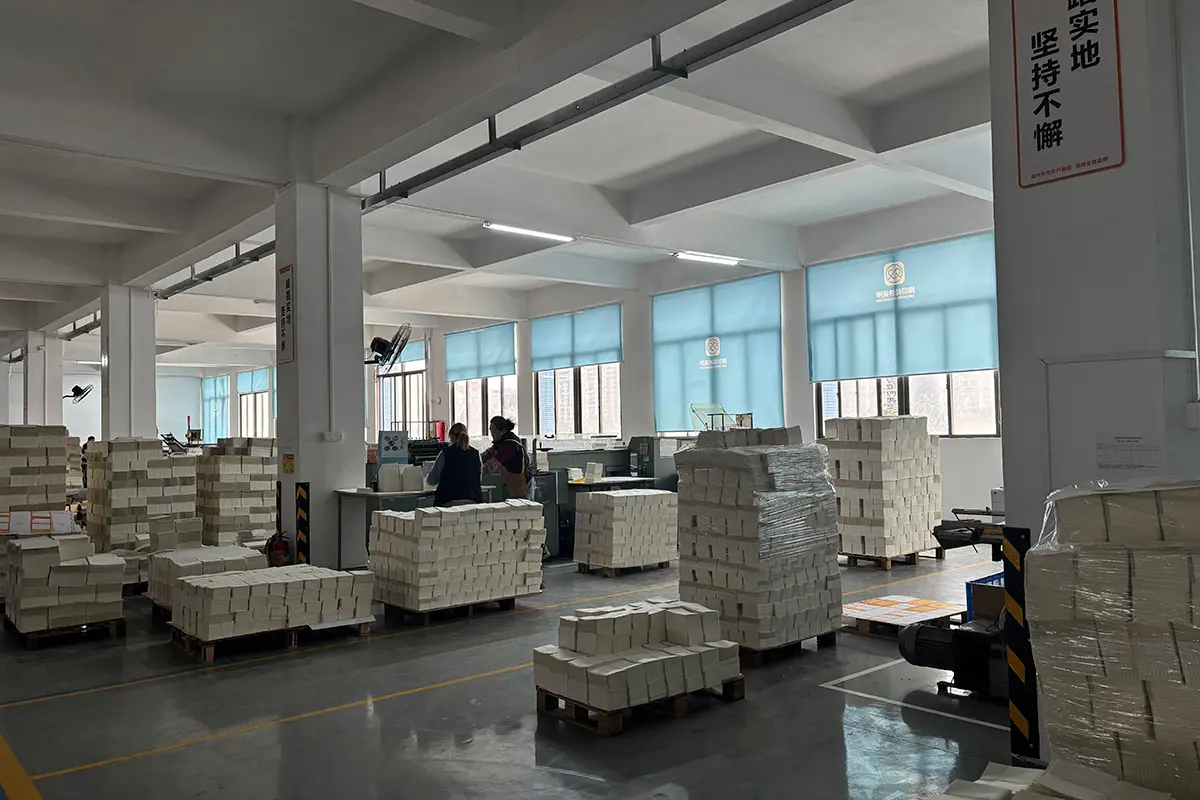
Folding cartons often use less material than many rigid structures and can be shipped flat before assembly. They may suit skincare bottles, cosmetic products, sleeves and lightweight retail goods.
Paper Bags
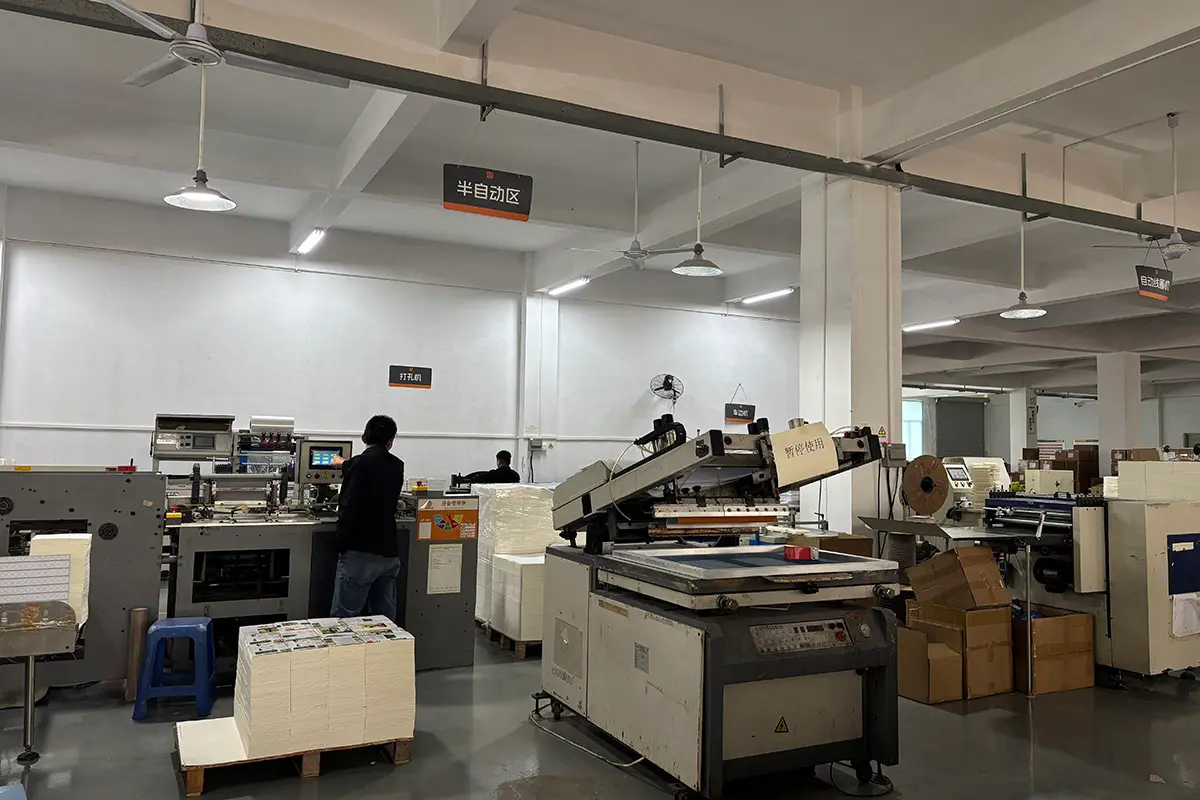
A paper bag should be strong enough for real use without being overbuilt. Review bag size, paper weight, handle type, bottom support and surface treatment.
Paper Tubes
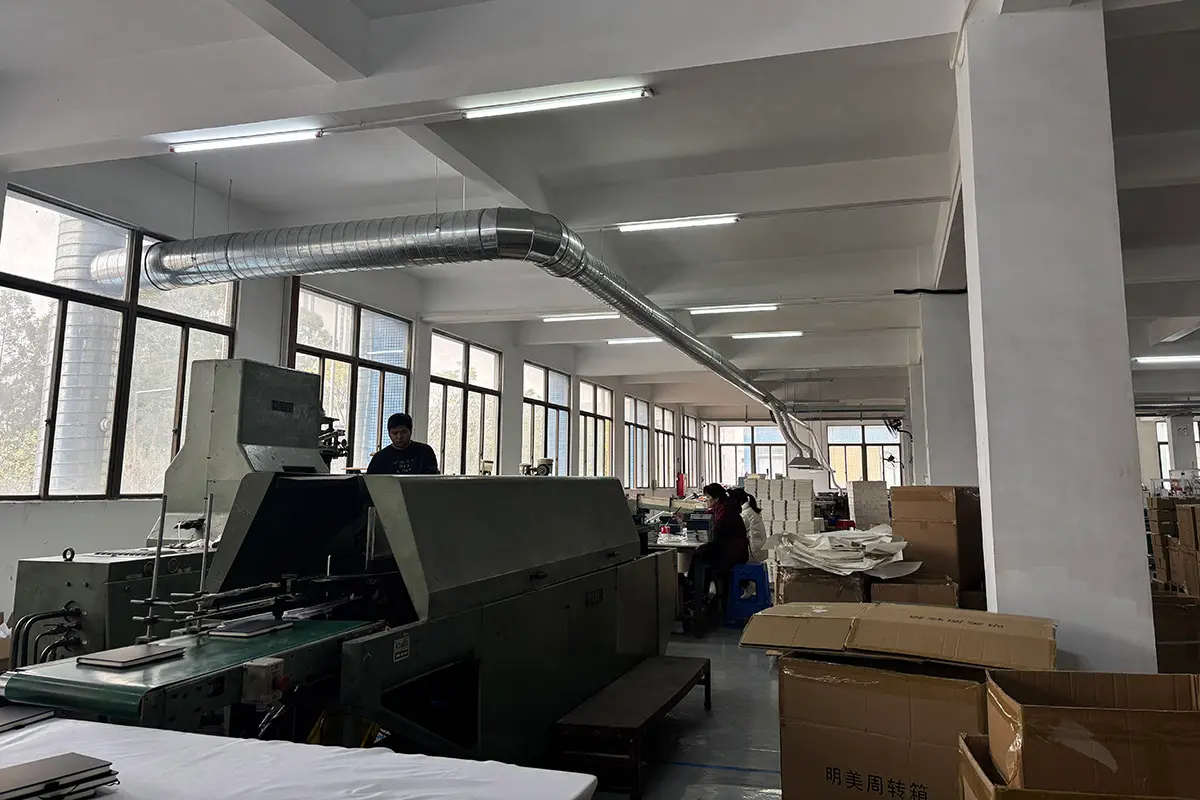
Paper tubes can be useful for candles, cosmetics, tea, bottles and cylindrical products, but diameter, lid fit, paper thickness and inner movement should be tested.
Paper-Based Inserts
In many projects, paper-based inserts can reduce reliance on plastic or foam materials. They still need to be designed around product size, weight and shipping conditions.
The best insert is not always the thickest one. It is the one that holds the product securely with the right amount of material.
Rigid Boxes and Reuse
Rigid boxes use more material than many folding cartons, but they are sometimes the right choice for gift sets, heavier items, fragile products or packaging that customers may keep.
- Avoid oversized dimensions
- Use board thickness suitable for the product
- Reduce extra decorative layers
- Choose paper wrapping thoughtfully
- Consider paper-based inserts
- Avoid magnets if a lid and base structure can work
Honest Reuse Direction
Reuse should not be used as an excuse to overpack every product. It is most useful when the product category, box size, structure and customer behavior make reuse realistic.
Printing, Ink and Finishing Limits
Printing and finishing are part of the sustainability discussion because ink coverage, coatings and decorative components can affect material use and recycling direction.
Print Decisions to Review
- Full coverage printing versus limited printing
- Light ink coverage on kraft or natural paper
- Water-based inks when available for the selected process
- Soy-based inks when available for the selected process
- Whether simple logo printing is enough
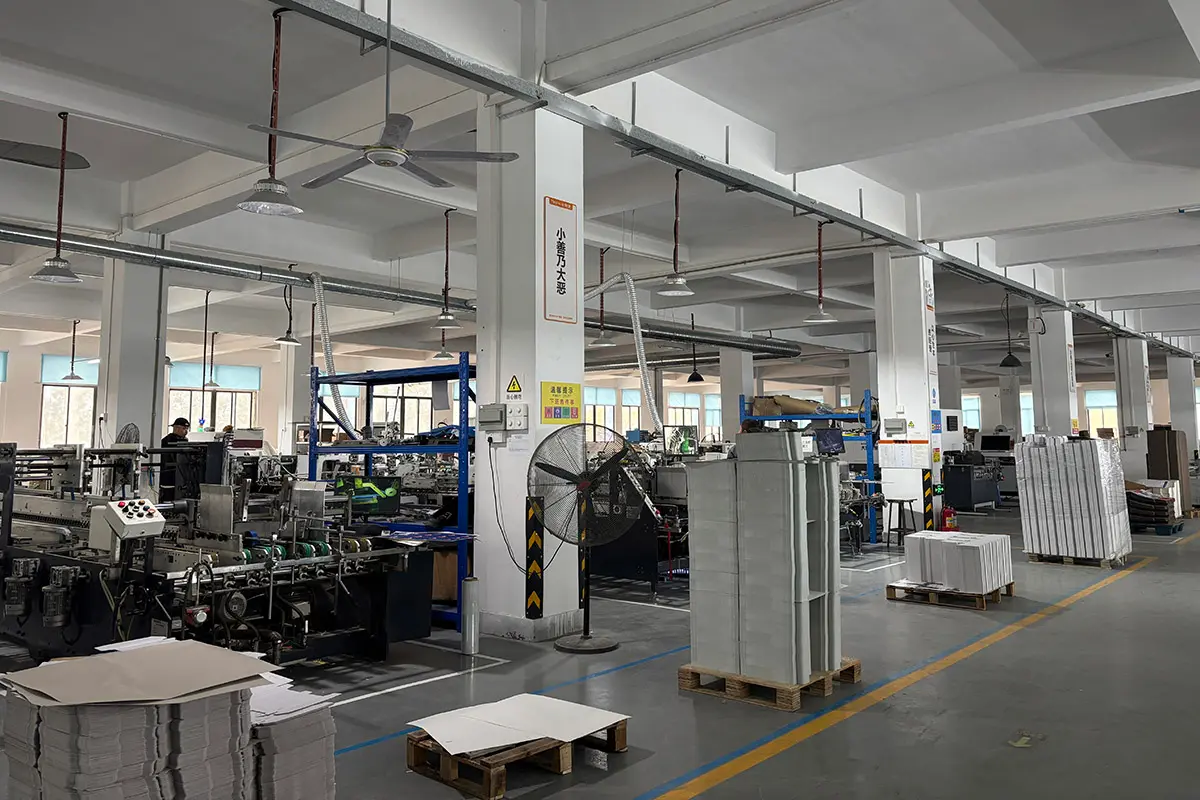
Finishing Questions to Ask
- Is lamination necessary?
- Can foil stamping be limited to a small logo area?
- Can a window be replaced with printed product information?
- Does the package need magnets, or can another closure work?
- Does the insert need foam, or can paper-based support work?
Honest Limitations
Not every sustainability request has a simple answer. Some choices involve tradeoffs, and the practical approach is to decide which goal matters most.
- Heavy finishing can affect recyclability
- Foam inserts may protect fragile items better in some shipping situations
- Dark recycled paper may not match precise brand colors
- Plastic windows can make recycling more difficult
- Magnets add non-paper components
- Local recycling systems may handle the same package differently
The packaging can then be designed around recyclable direction, lower material use, product protection, cost control, gift presentation, shipping safety or documentation.
Questions to Ask Before Sampling
Sustainability decisions are easier to control before the sample is made. Once the dieline, material and finishing are confirmed, some changes may require a new sample or revised cost.
How LuxoPacks Helps
LuxoPacks can help review the project and suggest paper-based packaging options that match product needs and sustainability goals.
The best result comes from balancing the brand's visual goals with practical material, production and shipping decisions.
Discuss Sustainable Options
Send your product photos, size, weight, quantity, target packaging type, shipping method, material preference and sustainability priority. We can review right-sized structures, paper materials, inserts and finishing limits before sampling.
Send Your Packaging DetailsFrequently Asked Questions
Answers about sustainable paper packaging, recyclable directions, paper inserts, finishing limits and material planning.