


Packaging Solutions by Product and Industry
Start with your product type, then choose the box structure, insert, material and sample check process that fit the real packing risk.
- ✓ Free Design Support & 3D Mockup
- ✓ Product-Fit Suggestions
- ✓ Retail & Gift Ready
Choose Packaging by Product Risk
Before choosing a box style, check what can go wrong with the product during display, packing and shipping. The best packaging direction is usually clear after the product risk is clear.
Once these points are clear, it is easier to choose the box structure, board thickness, surface paper, insert material and packing method.
Send Product Photos for Advice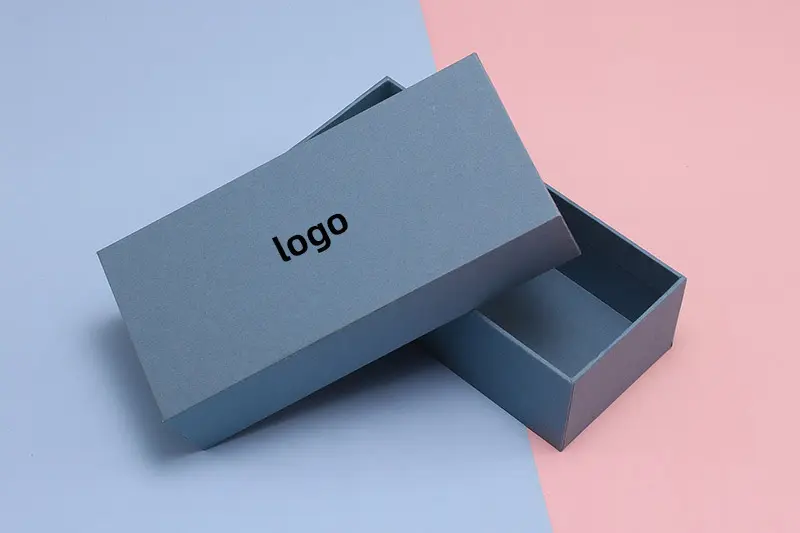
Packaging Solutions by Product Type
Each product type has different packing risks. Use these cards as the first direction, then confirm structure and insert details during sampling.
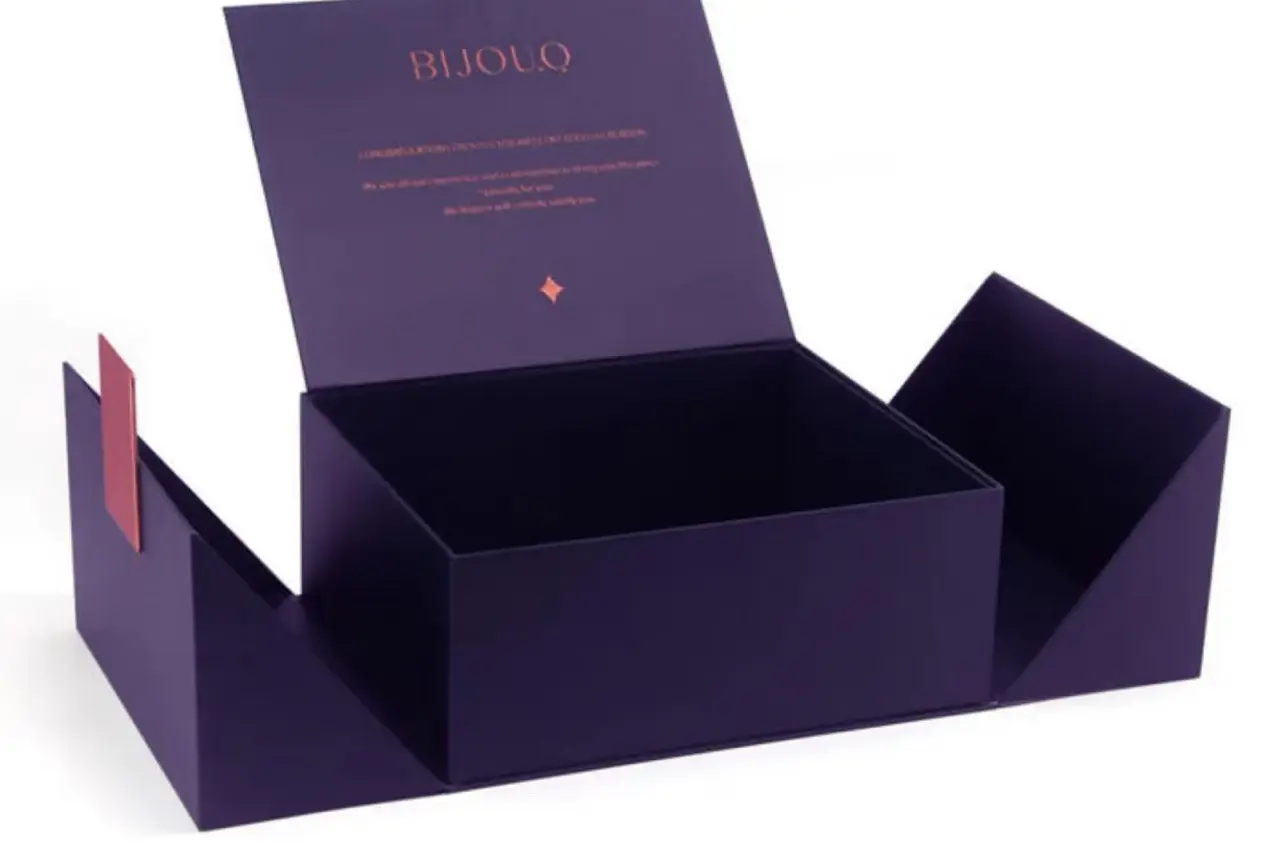
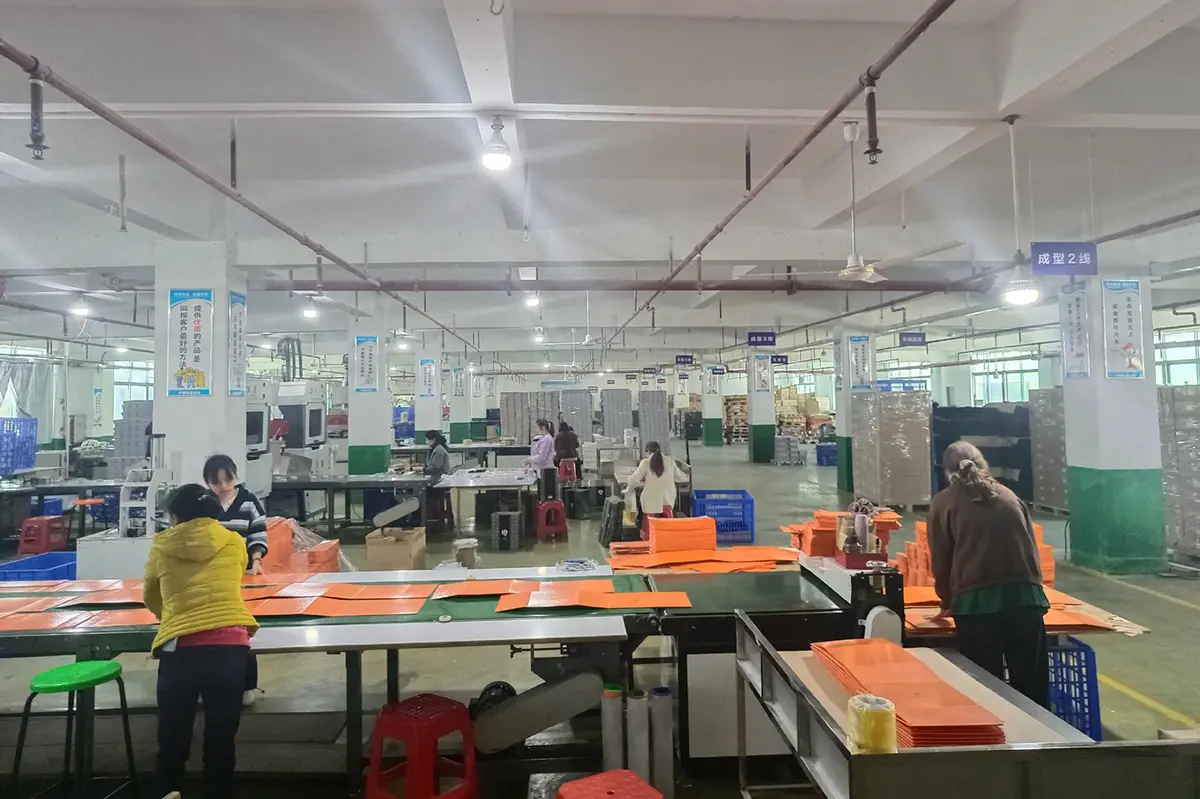
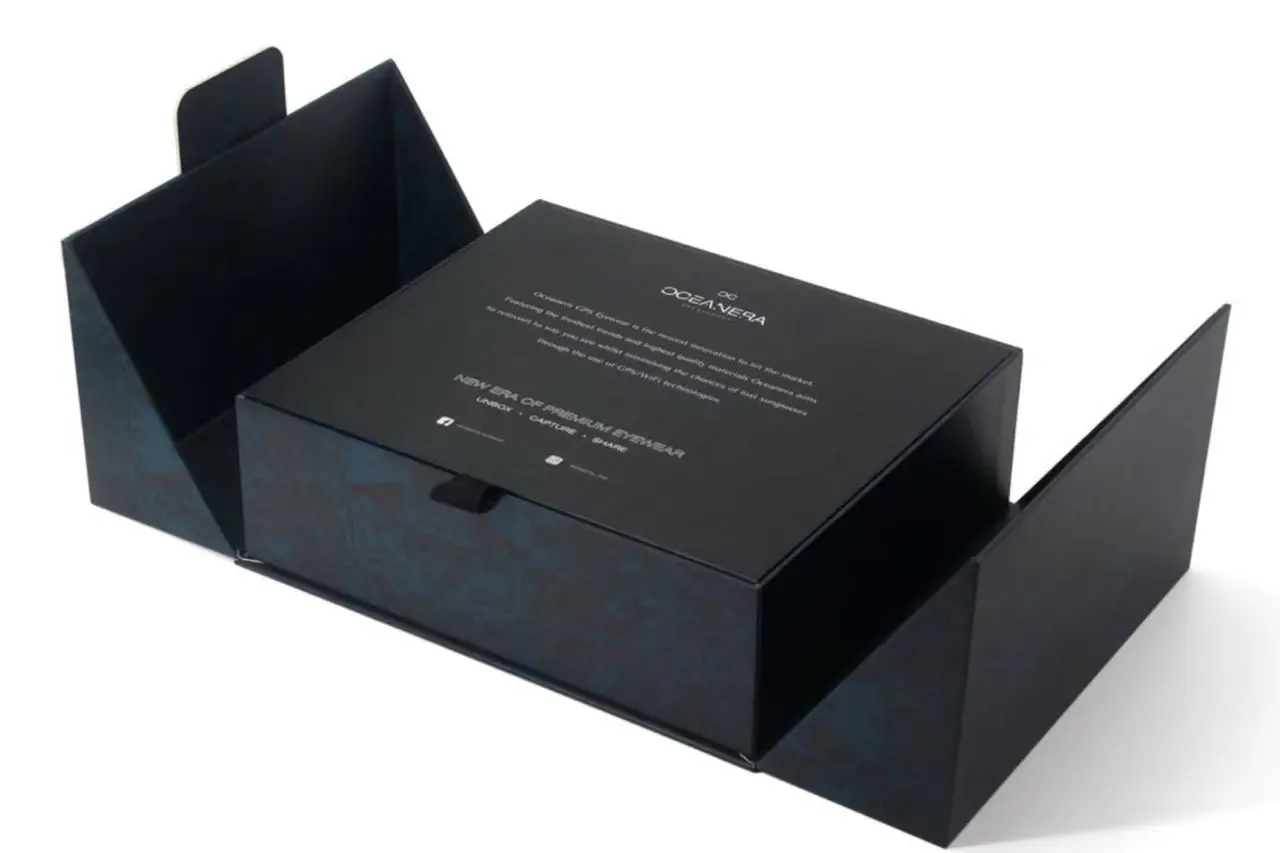
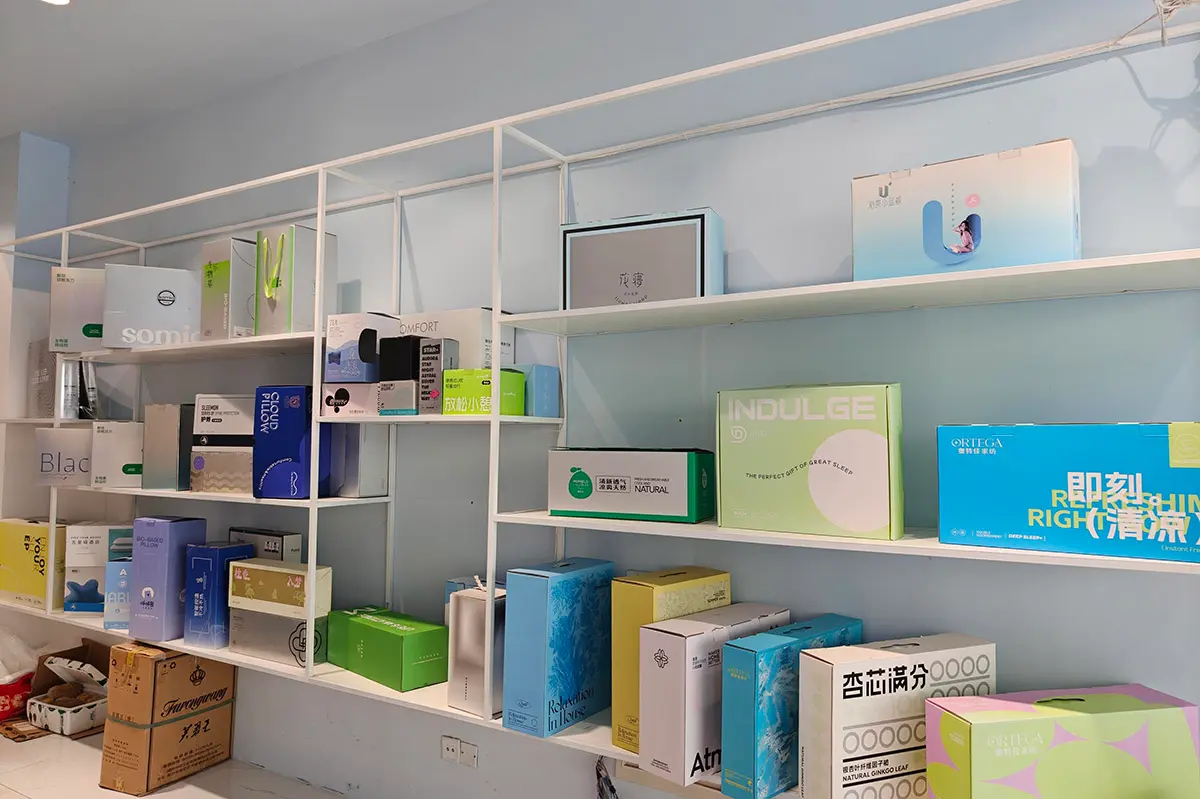
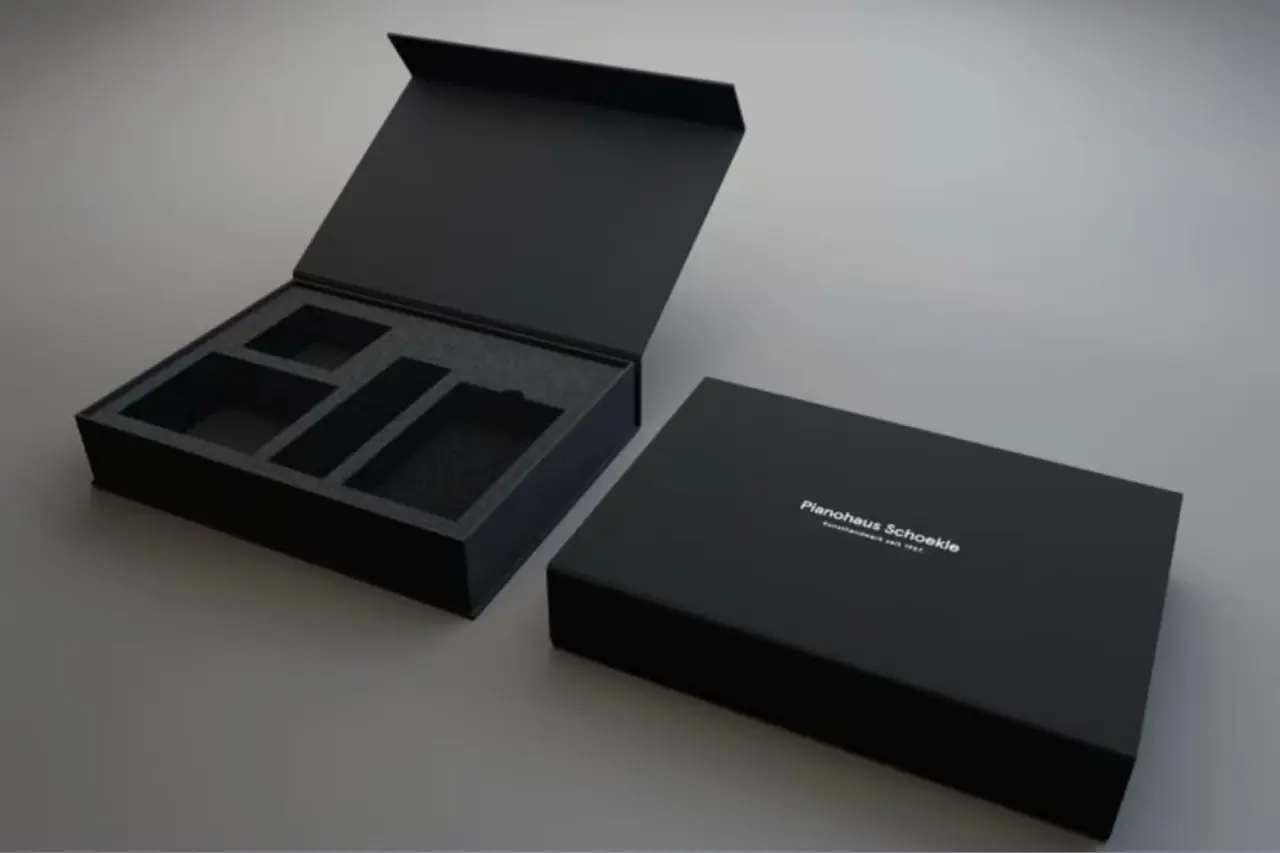
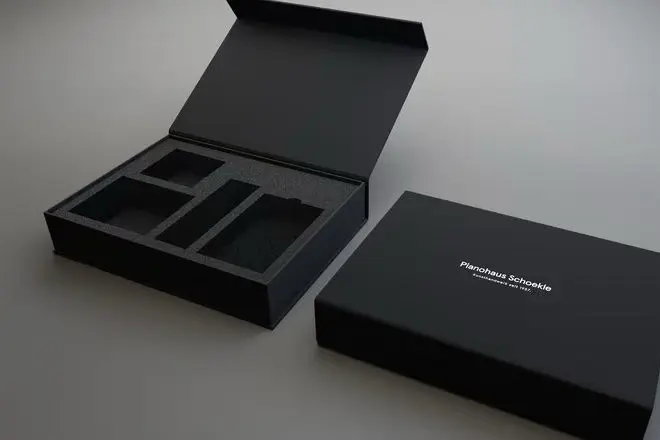
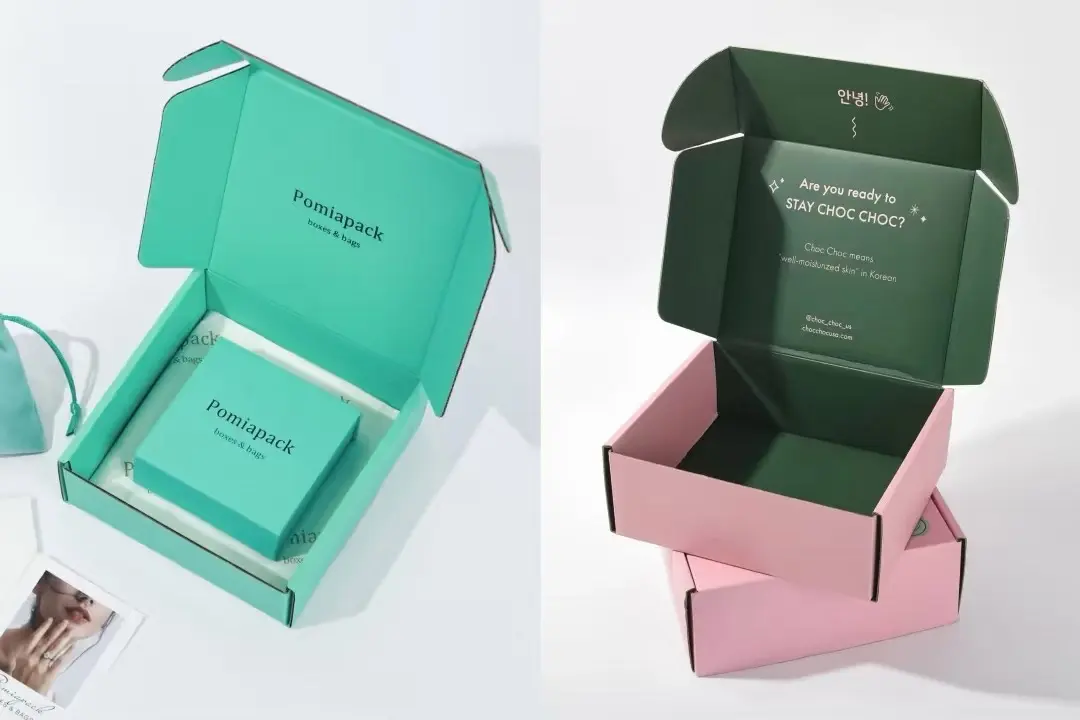
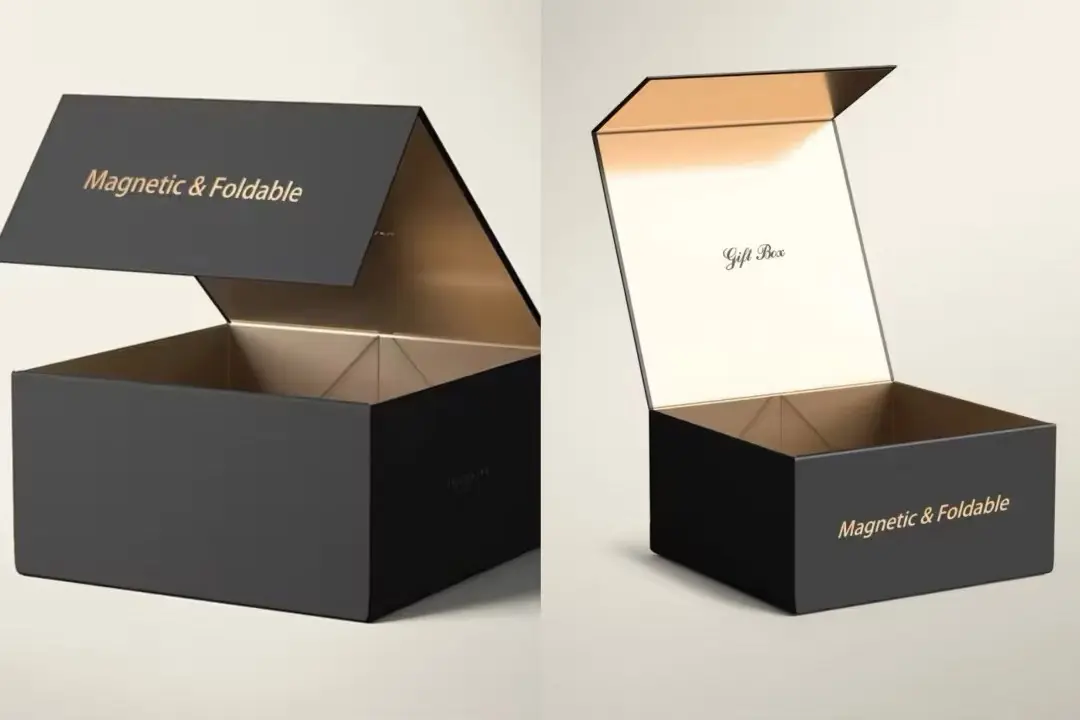
Common Structure Starting Points
This is only a starting point. The final structure should be confirmed by product size, weight, quantity, sales channel and sample testing.
Jewelry
Small rigid boxes, drawer boxes, lid and base boxes, velvet inserts, paper inserts or foam inserts.
Cosmetics
Folding cartons, rigid set boxes, paperboard inserts, color proofing and surface coating.
Skincare
Folding cartons, rigid set boxes, bottle inserts, jar spacing checks and material review.
Perfume
Rigid boxes, magnetic boxes, foam inserts, EVA inserts and outer shipping cartons.
Candles
Paper tubes, mailer boxes, rigid boxes, corrugated cartons, pads, dividers and protective inserts.
Watches
Magnetic boxes, lid and base boxes, cushions, accessory compartments and controlled opening details.
Luxury Gifts
Rigid boxes, specialty paper, foil stamping, embossing, ribbons and fitted inserts.
Corporate Gifts
Gift boxes, paper bags, dividers, logo cards and bulk packing plans.
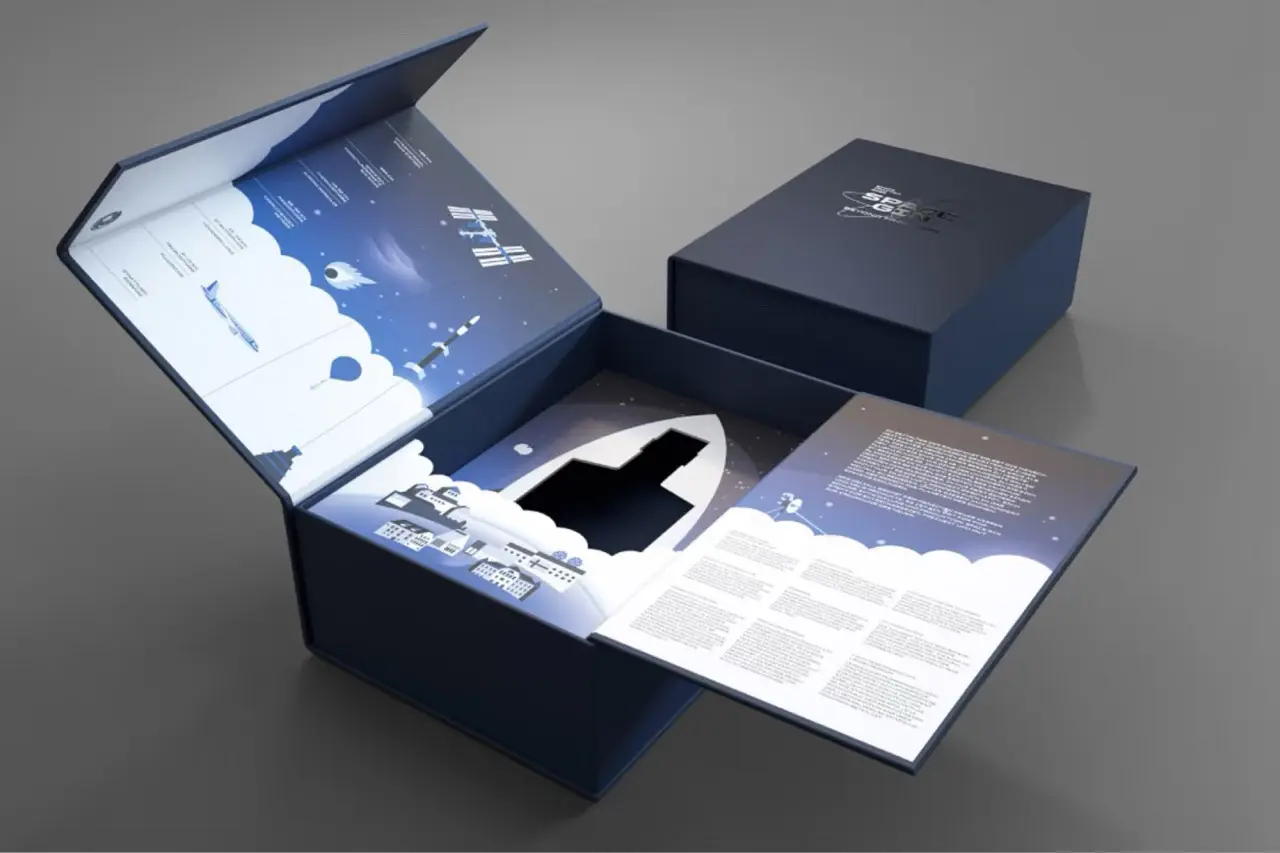
Insert Direction by Product Type
Many packaging problems come from the inside of the box. The outside may look fine, but if the product moves, tilts or presses against the lid, the packing result will not be stable.
When to Review Case Studies
Case studies are useful when your product has a similar size, material or packing risk to a previous project. They can help you understand how structure, insert, printing and packing decisions are made around a real product.
- You are not sure which box structure fits the product
- The project includes several items in one set
- The product is glass, fragile or heavy
- The opening layout is important
- You need to compare sample adjustment and final packing results
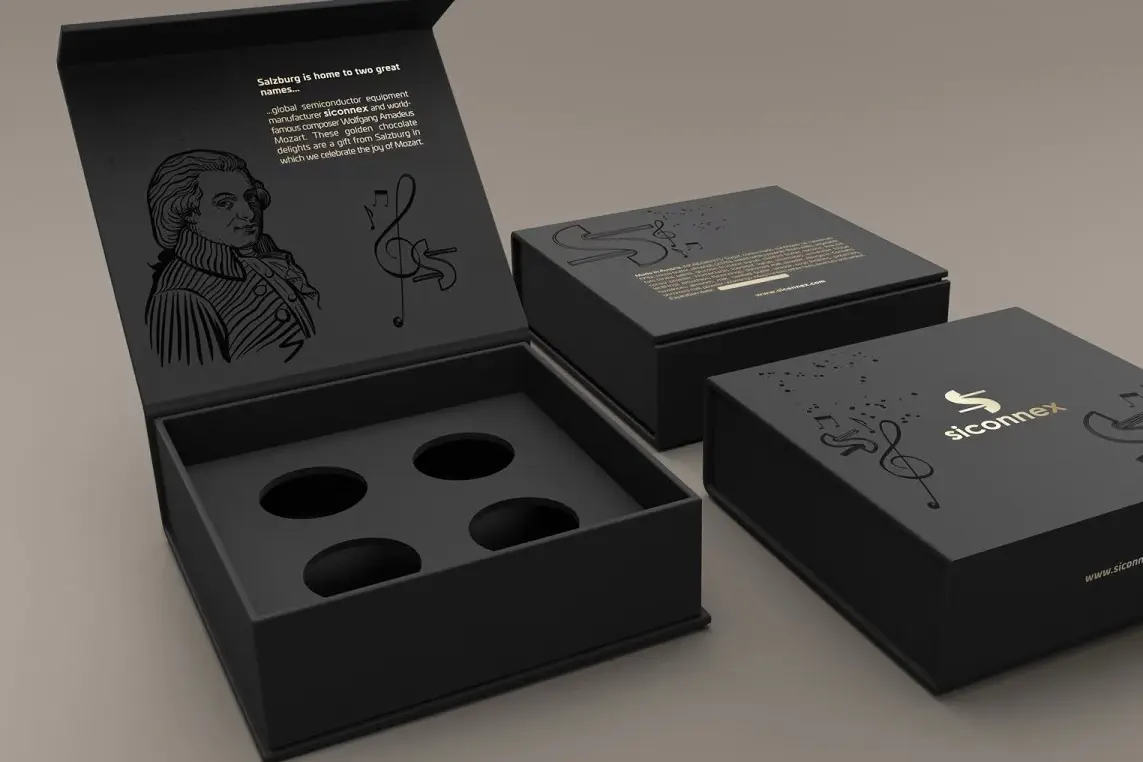
Sample Checks by Product Risk
A solution page gives direction, but the real confirmation happens during sampling with your product or product dummy.
Product Fit
Check side gap, top clearance, product movement and removal space.
Insert Direction
Confirm whether paper, foam, EVA, molded pulp or dividers are suitable.
Opening Feel
Review lid fit, drawer slide, magnetic closure, reveal order or paper tube lid fit.
Print and Finish
Check color, logo scale, small detail, foil, embossing and surface marks.
Bulk Packing
Confirm how finished boxes, bags and inserts are packed for production and shipping.
What to Send for a Packaging Recommendation
If you are not sure which solution page or box type fits your project, send the basic product information first. We can suggest a suitable box structure, insert direction and sample plan.
- Product photos
- Product size and weight
- Product material, such as glass, metal, paper or plastic
- Quantity
- Sales channel: retail, ecommerce, gift, event or wholesale
- Whether the product ships directly to customers
- Packaging reference image if available
- Logo or artwork file
- Insert or protection requirement
- Target delivery country and date
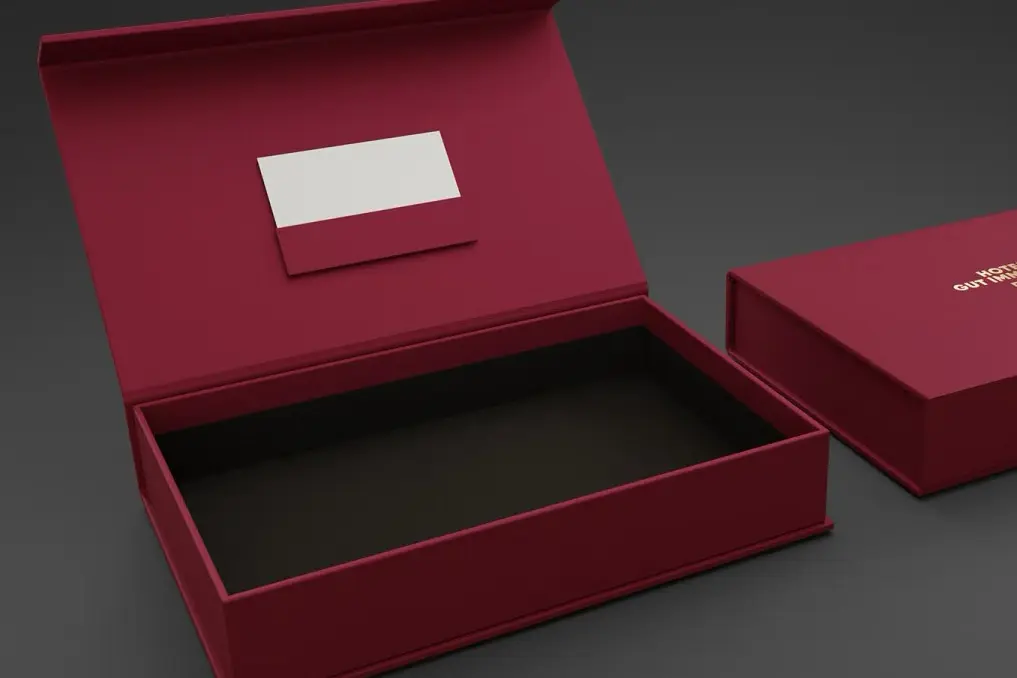
Need Help Choosing the Right Packaging Direction?
Send your product photos, size, weight, quantity and sales channel. We can recommend the structure, insert and sample check points before you start production.
Get Factory PricingFrequently Asked Questions
Answers for choosing a solution page, product photos, inserts, sampling and MOQ.