


Custom Packaging Inserts
Custom inserts hold the product inside the box, control movement, improve display and help customers remove the product without frustration.
- ✓ Free Design Support & 3D Mockup
- ✓ Protection & Display
- ✓ Multiple Material Options
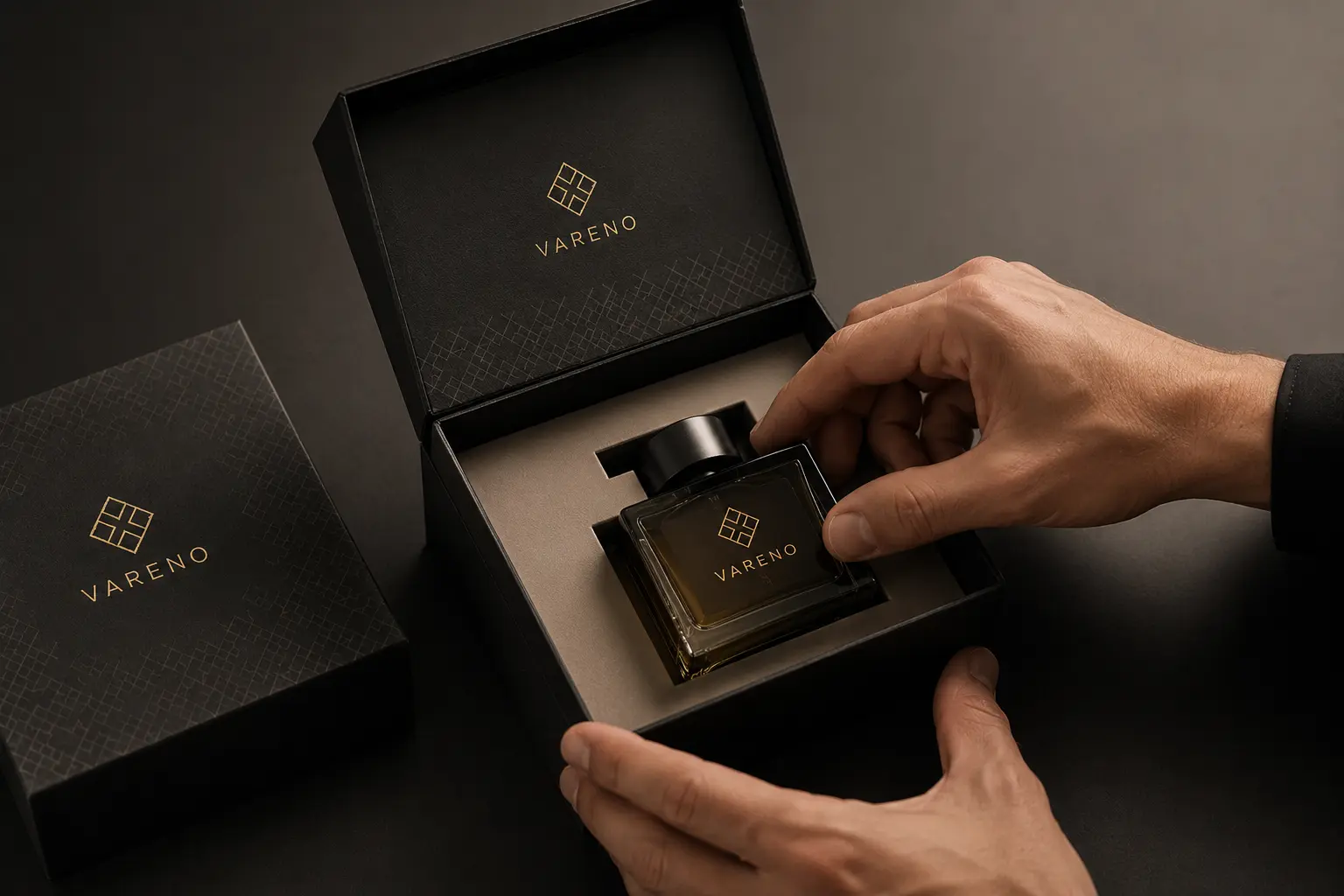
Why Inserts Matter
The outer box creates the first impression, but the insert controls what happens when the box is opened. If the product is loose, tilted, hard to remove or poorly displayed, the package can feel unfinished even when the outside looks correct.
A good insert should be developed with the product and box structure together. A good outer box can still fail if the product moves inside.
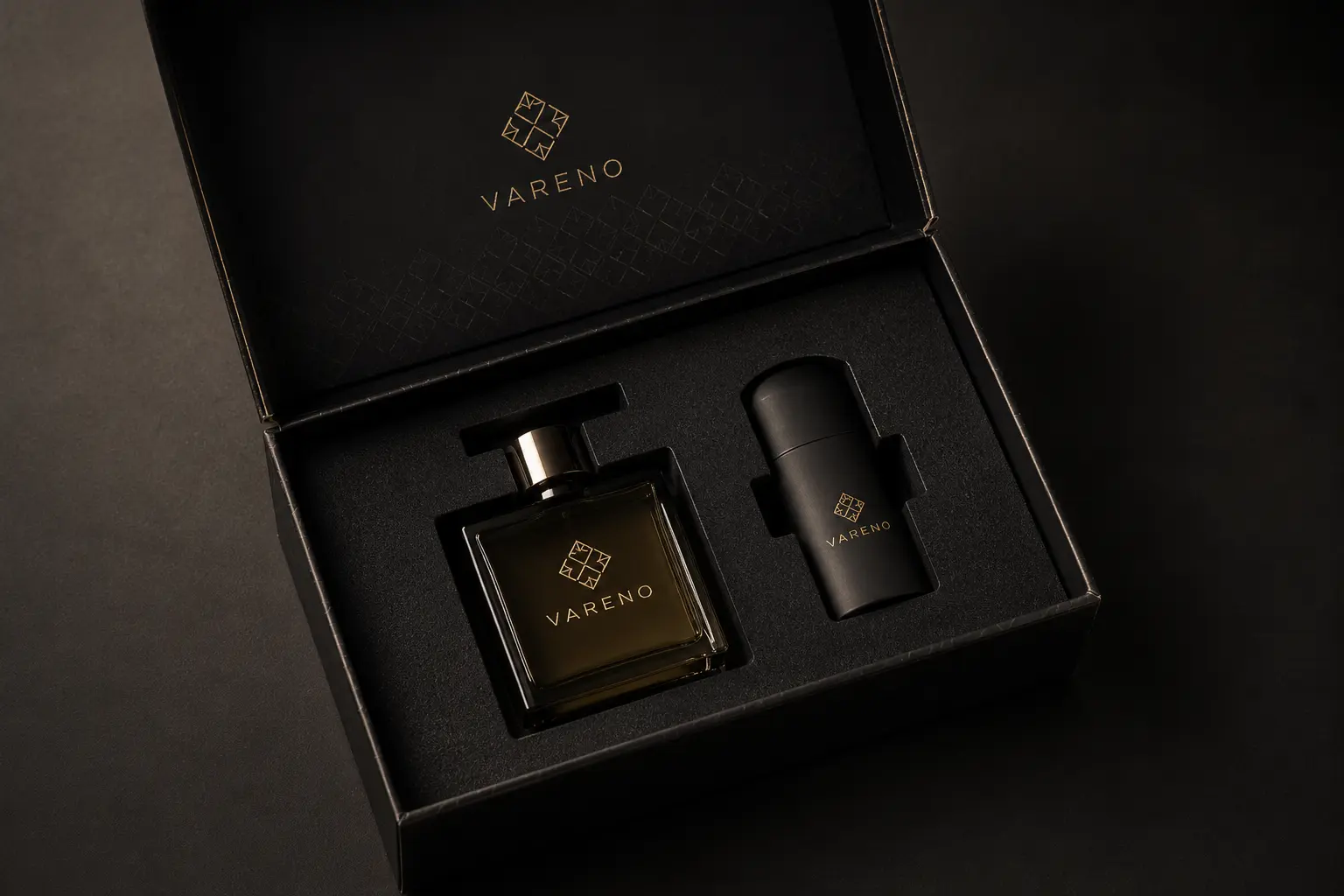
Insert planning is especially important for custom rigid boxes, perfume packaging, skincare packaging and watch packaging, where product movement or clearance can affect the whole package.
- Keep the product in position
- Reduce movement inside the box
- Improve product display
- Separate multiple items
- Protect glass or fragile products
- Make the product easier to remove
Insert Material Options
Different insert materials solve different problems. The best choice depends on product weight, presentation style, sustainability goals, protection needs and budget.
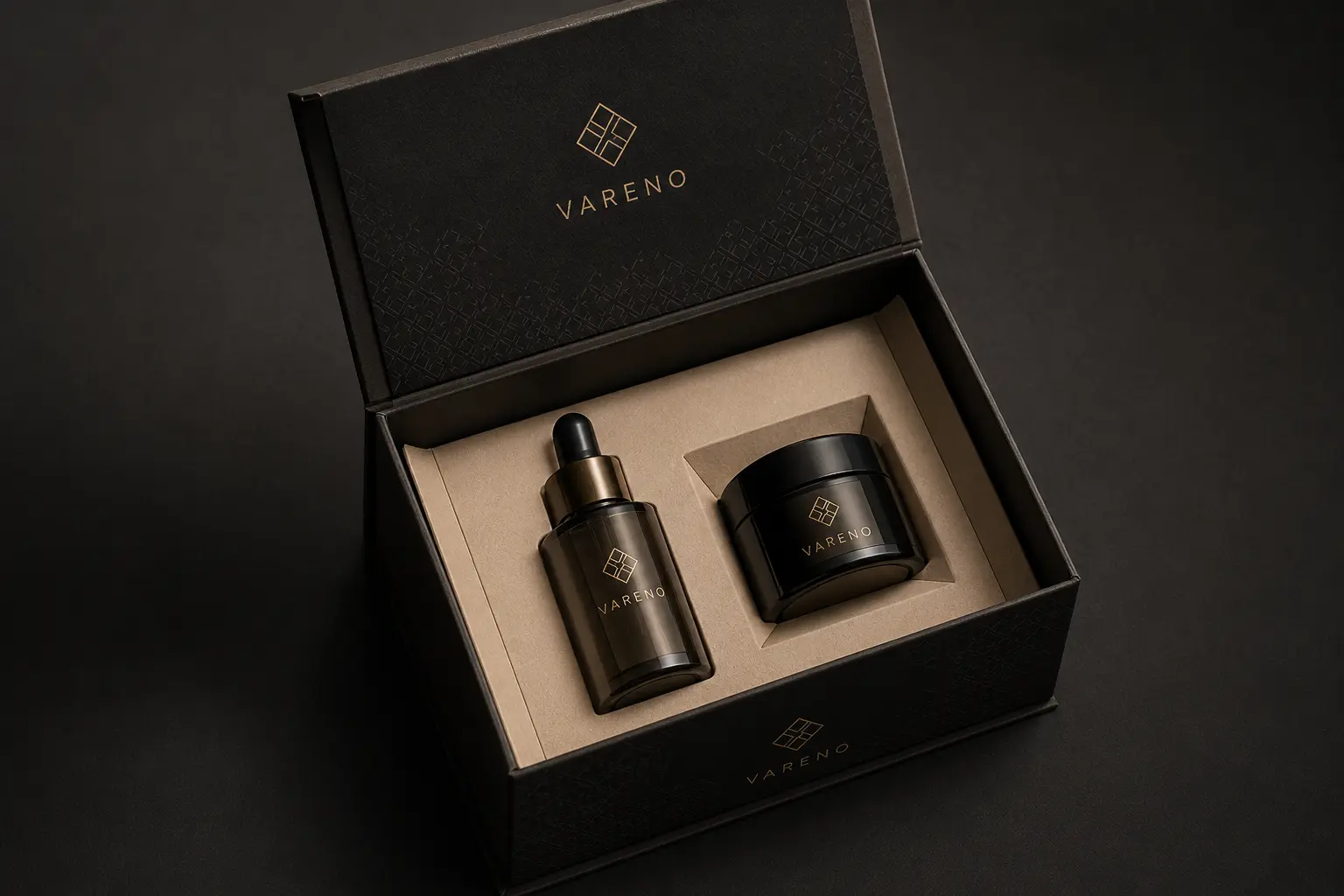
Paper Card Inserts
Paper card inserts are made from folded or die-cut paperboard. They are often used when the product is lightweight or when the brand wants a paper-based packaging direction.
- Lightweight cosmetics
- Skincare bottles
- Small gift sets
- Product cards and collars
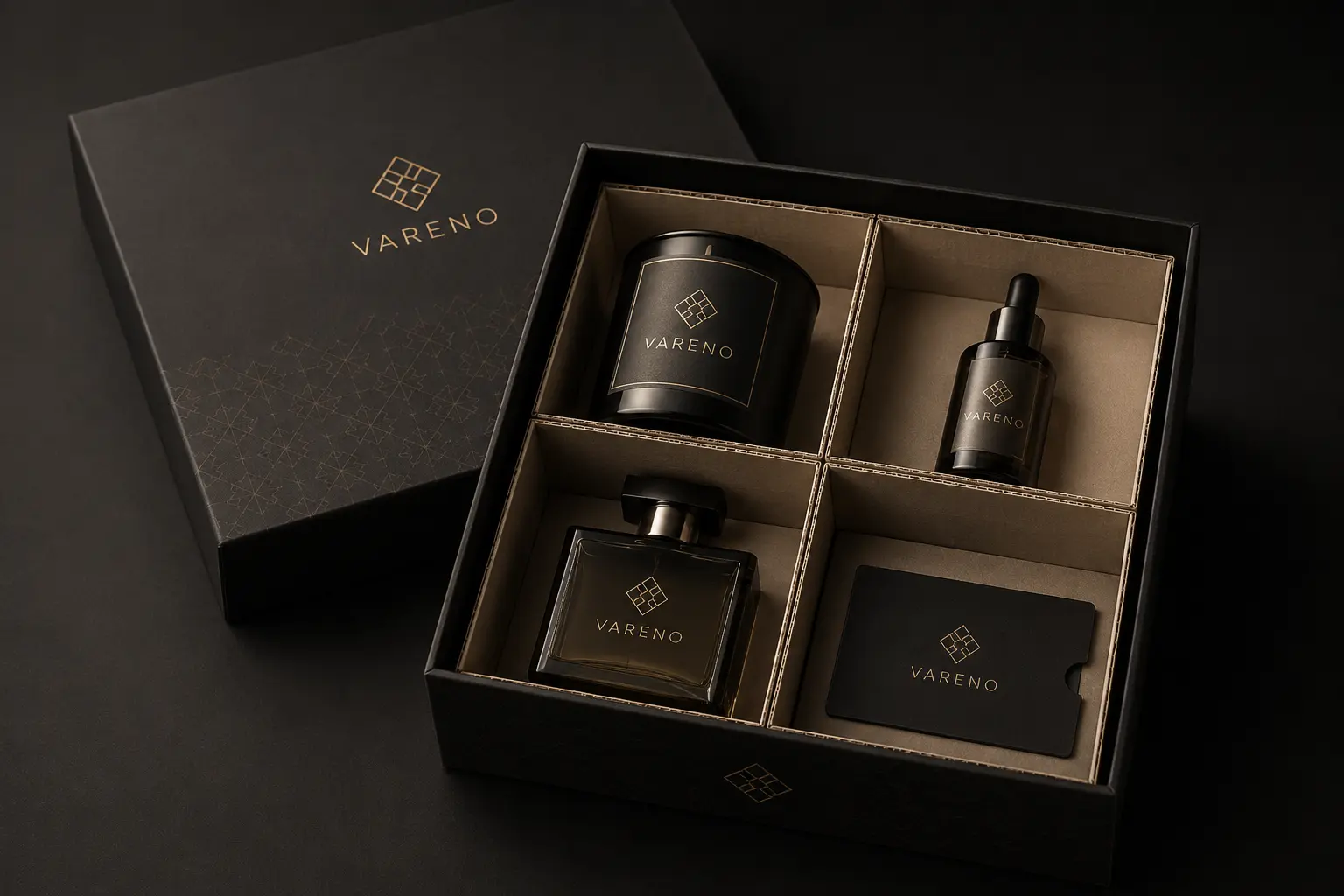
Corrugated and Paperboard Dividers
Corrugated inserts and paperboard dividers can separate multiple items inside one box. They reduce contact between products and create a more organized layout.
- Gift sets
- Bottles and jars
- Candle sets
- Corporate gift sets
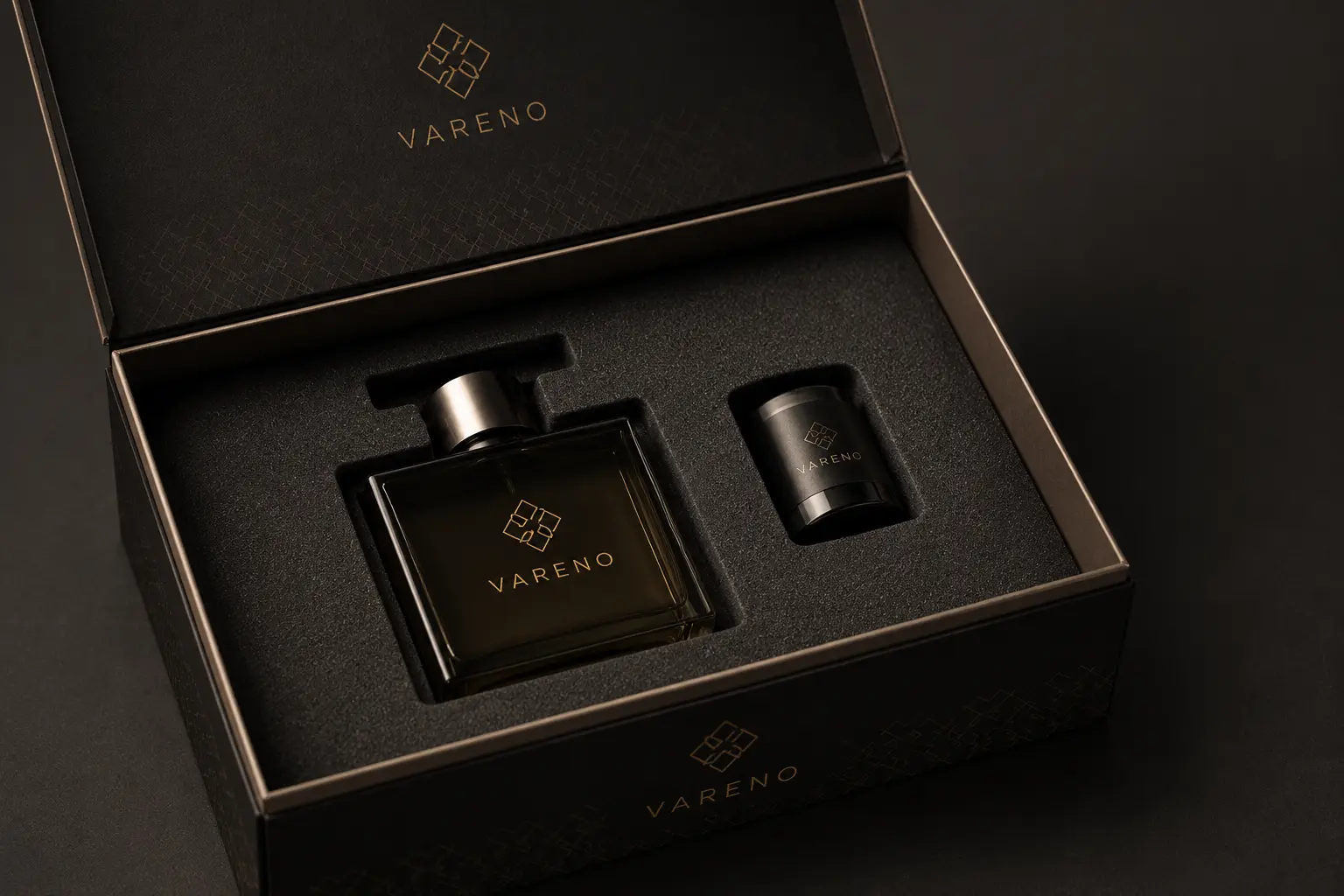
Foam Inserts
Foam inserts can provide cushioning and secure holding. They are often used when the product needs more protection than a simple paper insert can provide.
- Glass bottles
- Fragile products
- Irregular shapes
- Heavy product sets
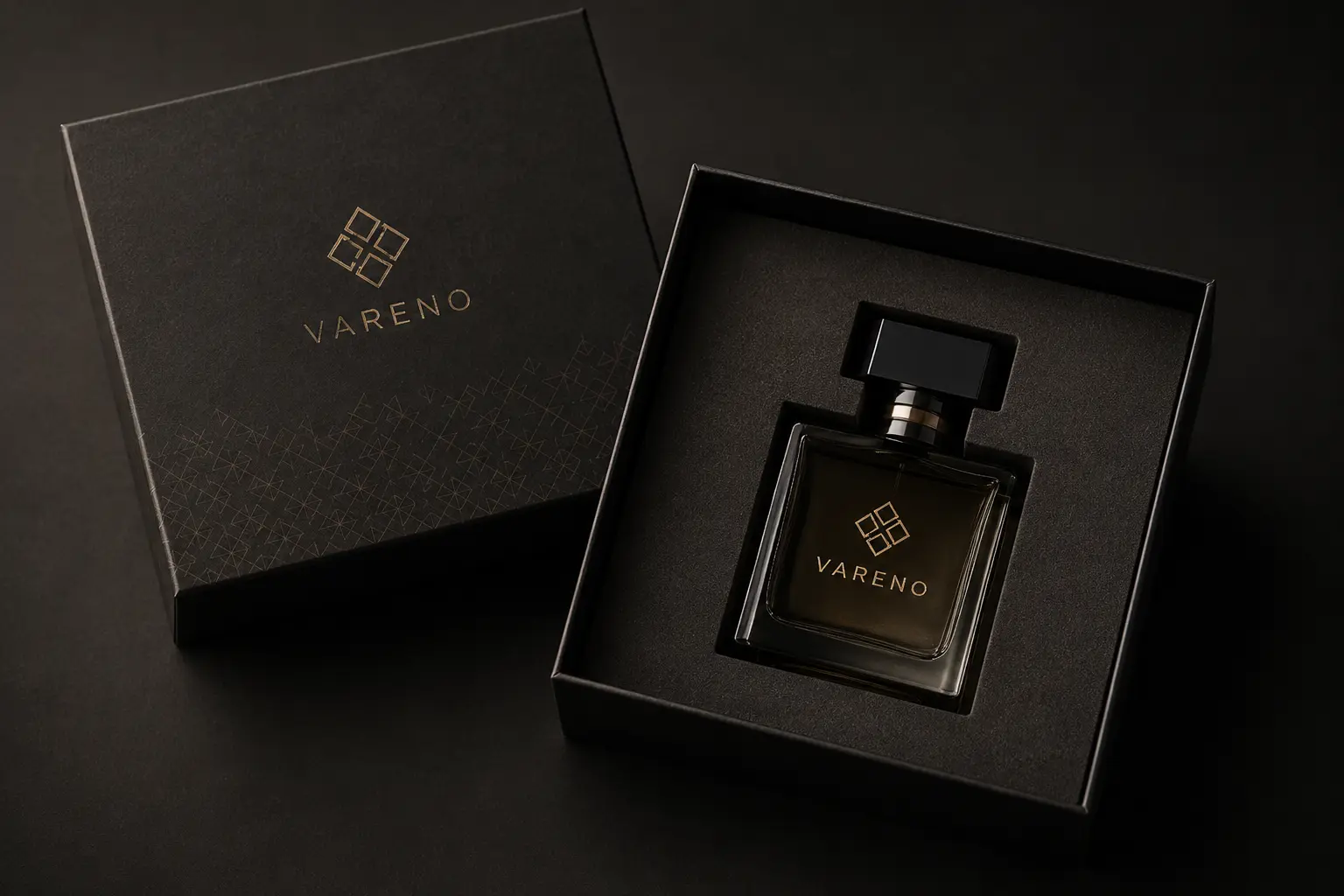
EVA Inserts
EVA inserts are firmer than many soft foams and can create a clean, structured appearance for products that need a precise cavity and stable display.
- Watches
- Jewelry
- Perfume bottles
- Tools or accessories
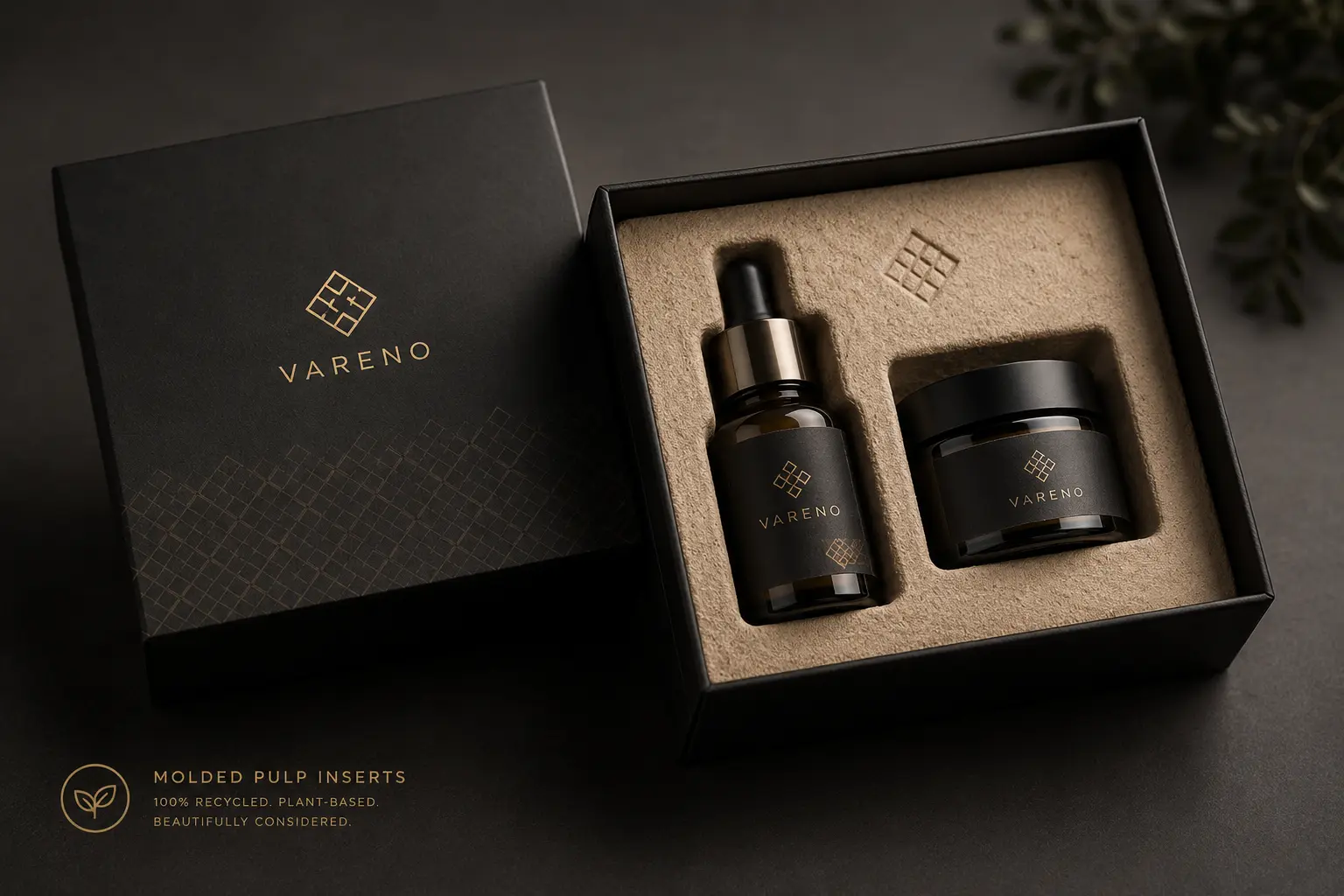
Molded Pulp Inserts
Molded pulp inserts can be considered when a paper-based molded form is suitable for the product shape and quantity.
- Cosmetic sets
- Retail kits
- Repeatable shapes
- Paper-based insert direction
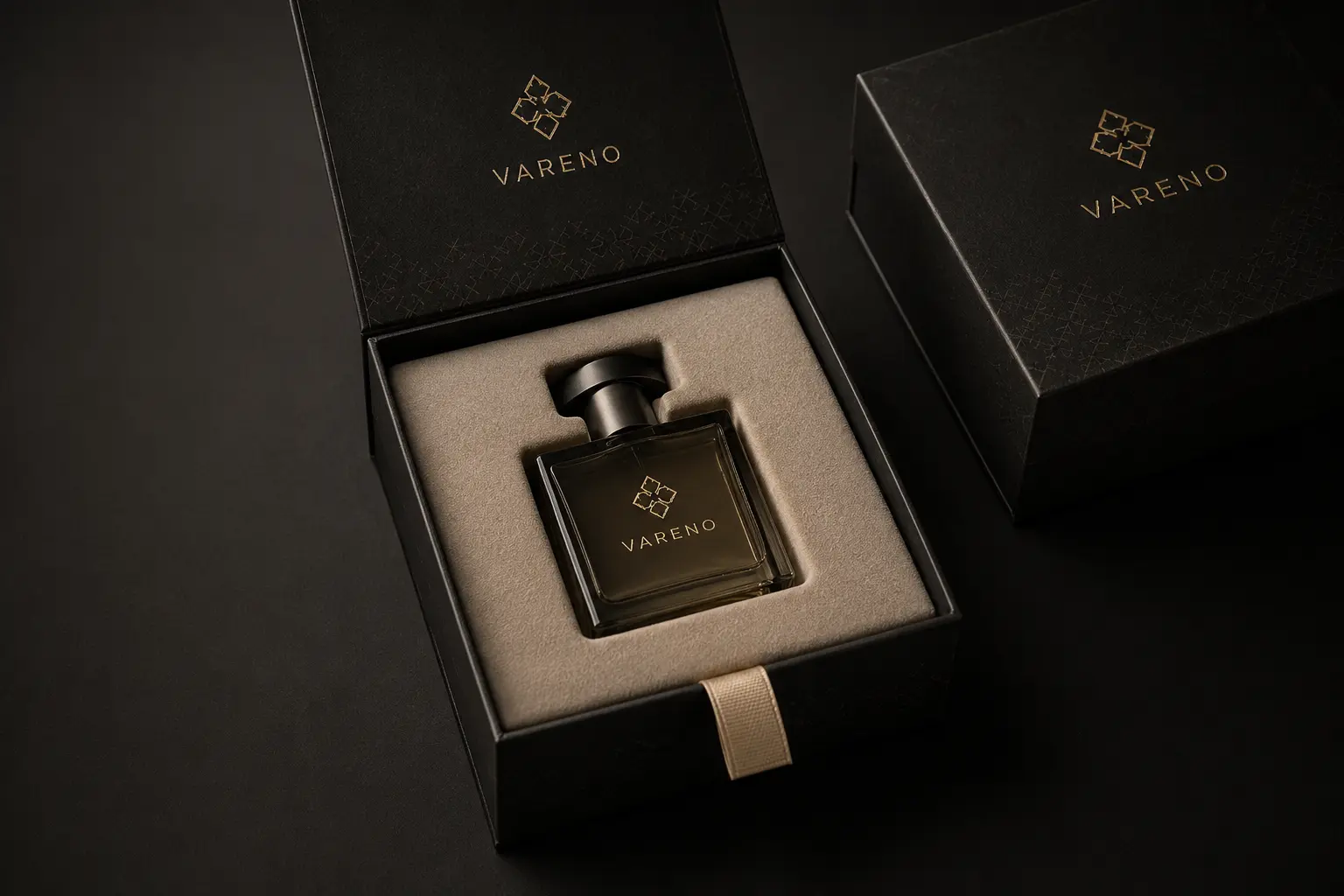
Fabric-Covered Inserts
Some packaging projects need a softer or more decorative interior surface. Foam or EVA may be wrapped or covered with fabric, paper or velvet-like materials.
- Velvet-like surface
- Paper-wrapped insert
- Soft padding
- Ribbon pull tab
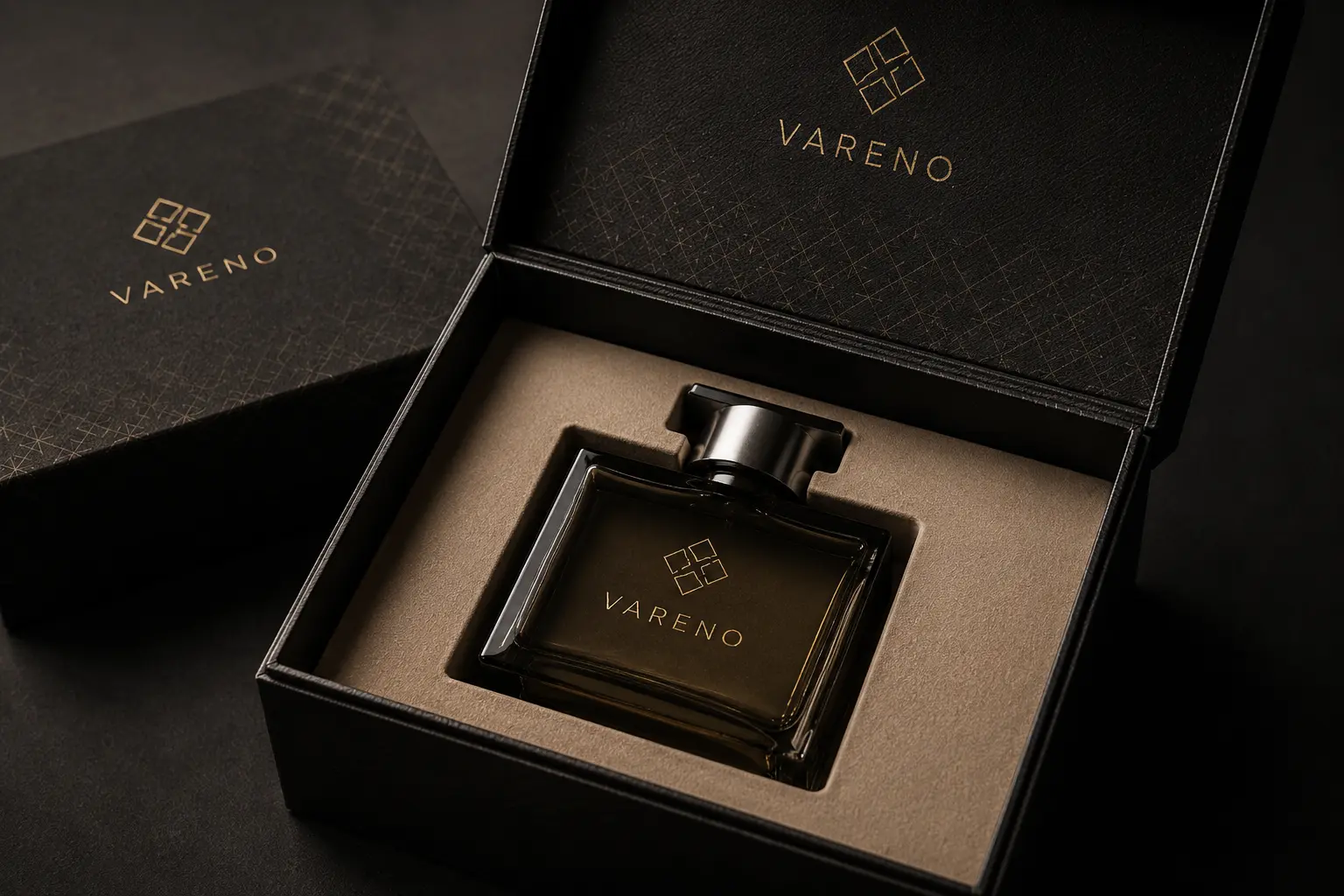
Side Gap, Insert Height and Top Clearance
Side gap is the space between the product and the insert cavity. If the gap is too large, the product moves. If it is too small, the product may be hard to place or remove.
Insert height affects how the product appears when the box opens. It also affects whether the lid touches the product.
- Product material, weight and shape
- Surface fragility and scratch risk
- Insert material and cavity shape
- Whether the lid touches the product
- Whether the product tilts or moves
- Whether the insert supports the heaviest part
Top clearance is important for glass bottles, jars and products with caps or delicate surfaces. If there is not enough clearance, the lid can press the product during handling.
Product Removal
An insert can hold the product too tightly. If the customer struggles to remove the product, the packaging feels inconvenient.
- Finger notches
- Pull ribbons
- Lift tabs
- Side clearance
- Raised product position
- Flexible paper flaps
- Cutout areas
- Angled display
Display Angle
Some inserts are flat. Others lift or angle the product so it looks better when the box is opened.
- Show the front label
- Present product sets neatly
- Improve opening view
- Make small products easier to notice
- Highlight product details
- Separate product and accessory areas
Multi-Product Layouts
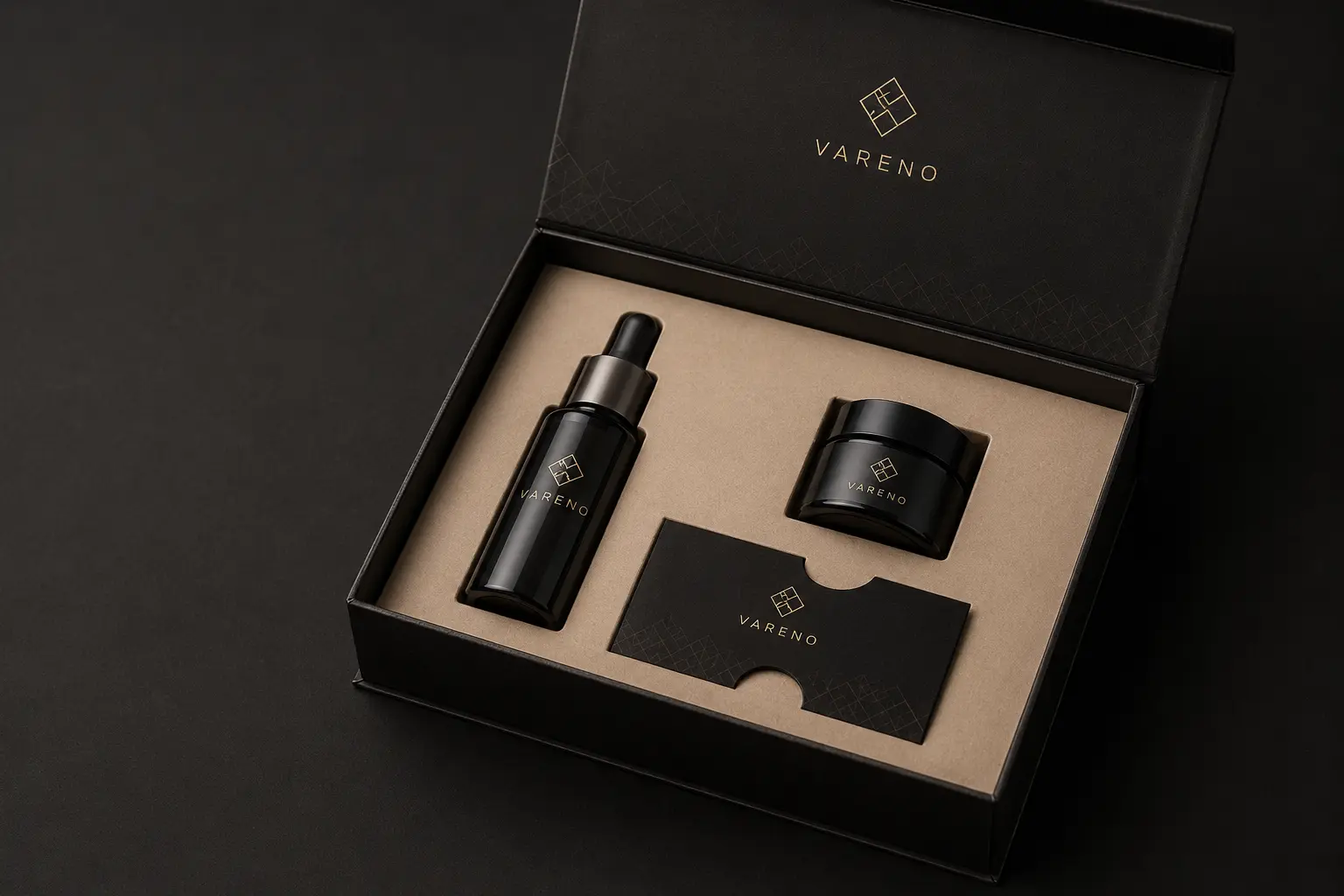
Packaging with multiple items needs layout planning. Each item needs its own space, and the whole set should feel balanced.
- Which product should be centered?
- Should items be arranged by size?
- Does the label face up?
- Is there space for a card or booklet?
- Should accessories sit under or beside the main product?
- Does the layout look balanced when opened?
- Can the products touch each other during shipping?
Inserts for Different Box Types
The same insert may not work in every box type. The outer box affects insert height, product access and movement.
Rigid Boxes
Rigid boxes need insert height and lid clearance checks. The insert should sit firmly inside the box and match the opening view.
Magnetic Boxes
Magnetic boxes need to avoid insert height or product height interfering with closure. Front flap and top clearance should be tested.
Drawer Boxes
Drawer boxes need insert fit inside the sliding tray. The insert should not block tray movement or create uneven friction.
Lid and Base Boxes
Lid and base boxes need lid clearance and opening experience checks. The product should not touch the lid after closing.
Mailer Boxes
Mailer boxes may need protection against shipping movement. Inserts should match both product fit and transportation risk.
Paper Tubes
Paper tubes may need round support, inner collars or height control so the product does not shake or sit too low.
Sample Fitting and Quality Control
Insert samples are important because many fit problems only appear when the real product is placed inside.
Use the sampling process to confirm cavity size, removal feel and lid clearance, then keep those points in the final quality control checklist.
- Product sits in the correct position
- Product does not move too much
- Product can be removed easily
- Insert height is correct
- Lid does not press the product
- Surface is not scratched
- Accessories fit correctly
- The set looks balanced
- Shipping movement risk is acceptable
For bulk production, inserts should be checked against the approved sample and product fit notes.
Sustainability and Insert Choice
If sustainability is important, insert material should be discussed before the box structure is finalized.
- Paper card insert
- Corrugated insert
- Molded pulp insert
- Reduced insert layers
- Avoiding unnecessary foam
Cost Factors
Insert cost can vary widely. A simple paper card insert is different from a precision EVA insert or fabric-covered tray.
- Insert material
- Product cavity shape
- Number of cavities
- Tooling or cutting requirements
- Sample revisions
Common Insert Problems
- Product moves inside the cavity
- Product is too tight to remove
- Lid touches the product
- Insert bends under product weight
- Product label faces the wrong direction
What Information Is Needed
Insert design starts with accurate product information. Estimated dimensions can lead to loose fit, tight fit, lid pressure or difficult product removal.
- Product length, width, height and diameter
- Product weight and shape
- Product photos from several angles
- Product material and fragility level
- Number of items in one box
- Desired display angle
- Whether accessories are included
- Shipping method or risk level
What to Send for Insert Design
- Product dimensions
- Product weight
- Product photos
- Number of items in the box
- Box type if selected
- Desired layout
- Material preference
- Protection needs
- Display angle preference
- Sustainability goals
- Reference images
- Quantity
- Target delivery country
If you have a product sample, mention whether it can be provided for fit testing.
Design an Insert
Send your product dimensions, weight, photos, quantity, box type, desired layout, material preference and protection needs. We can review insert material, cavity shape, side gap, height and sample fitting direction.
Send Product DimensionsFrequently Asked Questions
Common questions about custom packaging inserts, material choice, product fit, movement control and sample fitting.