


Custom Corrugated Boxes
Custom corrugated boxes for shipping, product protection and bulk packing, planned around product weight, units per carton, inner dimensions, flute selection, stacking strength and carton marking.
- ✓ Free Design Support & 3D Mockup
- ✓ Shipping Protection
- ✓ Custom Carton Structure
Why Choose Corrugated Boxes?
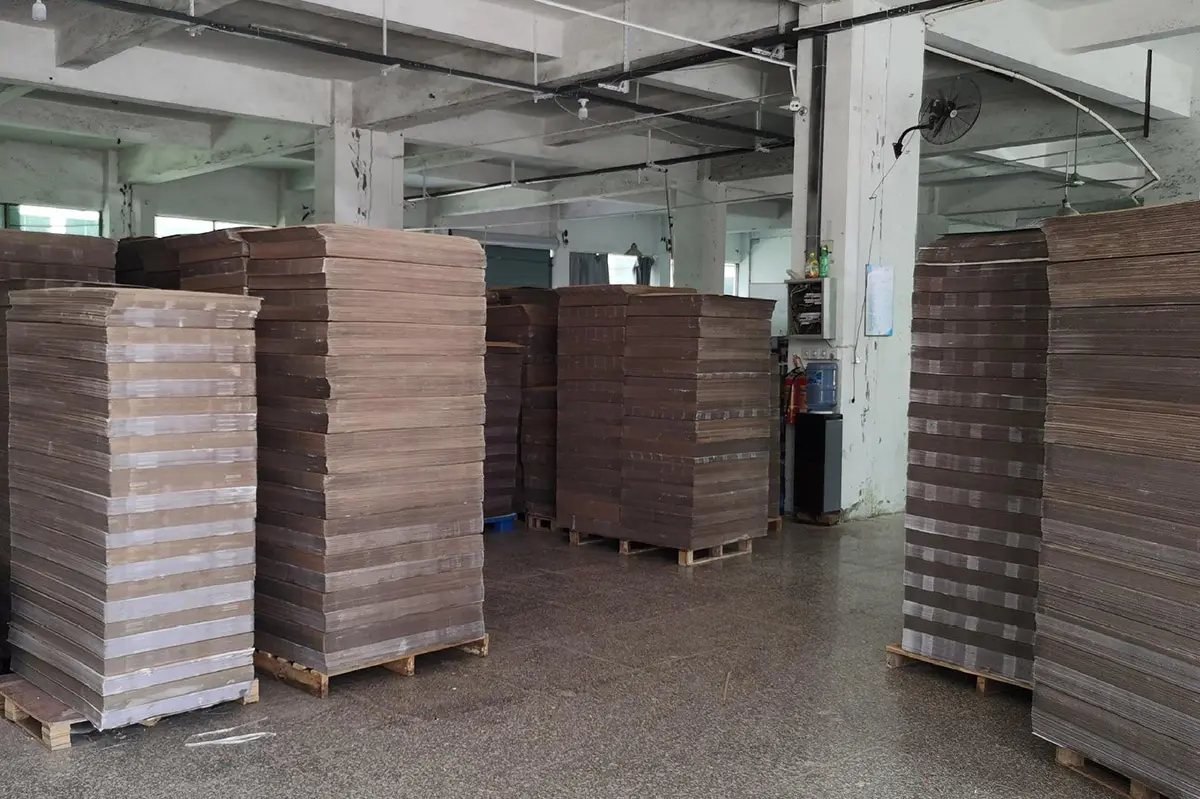
Corrugated boxes are made with fluted paper between liner papers. The fluted structure helps absorb impact, improve stacking strength and protect products during storage and transport.
They are usually chosen when protection and transport efficiency matter more than shelf presentation. They can be used as product shipping boxes, outer cartons for retail packaging, bulk packing cartons or protective cartons for fragile products.
A good corrugated box should reduce product movement, support stacking, avoid wasted shipping volume and match the real packing method, not only look correct when empty.
Send Product and Packing DetailsProtect Products, Stack Cartons and Reduce Shipping Waste
Corrugated packaging should be planned around the real product, carton count, shipping route and warehouse handling method.
Product Movement
The carton should hold the product or retail boxes with enough support so items do not move freely during shipment.
Stacking Strength
Board strength, carton height, product weight and pallet layout all affect whether cartons deform under pressure.
Carton Marking
Carton marks, SKU, quantity and label areas should stay readable after sealing, stacking and warehouse handling.
Flute Selection
The flute is the wavy layer inside corrugated board. Flute selection affects thickness, cushioning, compression strength, print surface and folding quality.
- Smaller products may need a thinner flute for cleaner folding.
- Heavier products may need stronger corrugated board.
- Fragile products may need more cushioning or an insert.
- Large cartons need enough stacking strength.
- Printed cartons should use a surface suitable for the print requirement.
- Export cartons may need stronger board depending on route and handling.
The right flute should be selected according to product weight, carton size, stacking requirement and shipping method. A strong board may still fail if the inner size is wrong or the product moves too much inside the carton.
Packaging Materials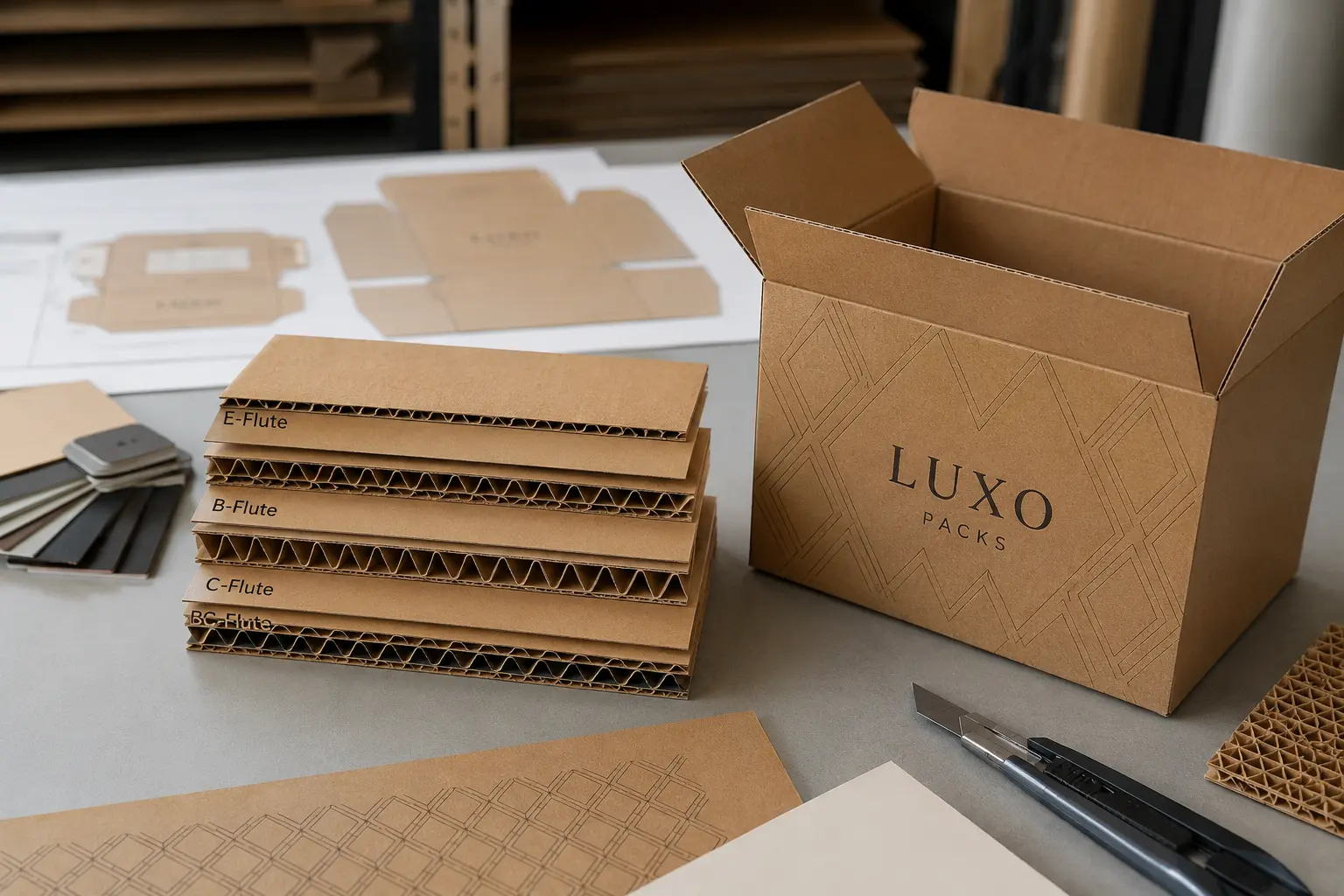
Single Wall, Double Wall and Board Strength
Corrugated board can use different layer structures depending on the protection requirement. A light product may only need a simple corrugated structure, while heavy or fragile products may need stronger board.
- Light products can use thinner corrugated board if stacking pressure is low.
- Medium-weight products may need stronger single-wall board.
- Heavy products may need double-wall board or reinforced packing.
- Fragile products may need both strong carton board and internal support.
- Long-distance shipping may need better compression and edge protection.
Board strength should not be chosen only by habit. Product weight, carton size, units per carton, pallet stacking and shipping route all affect the final choice.
Ask About Board Strength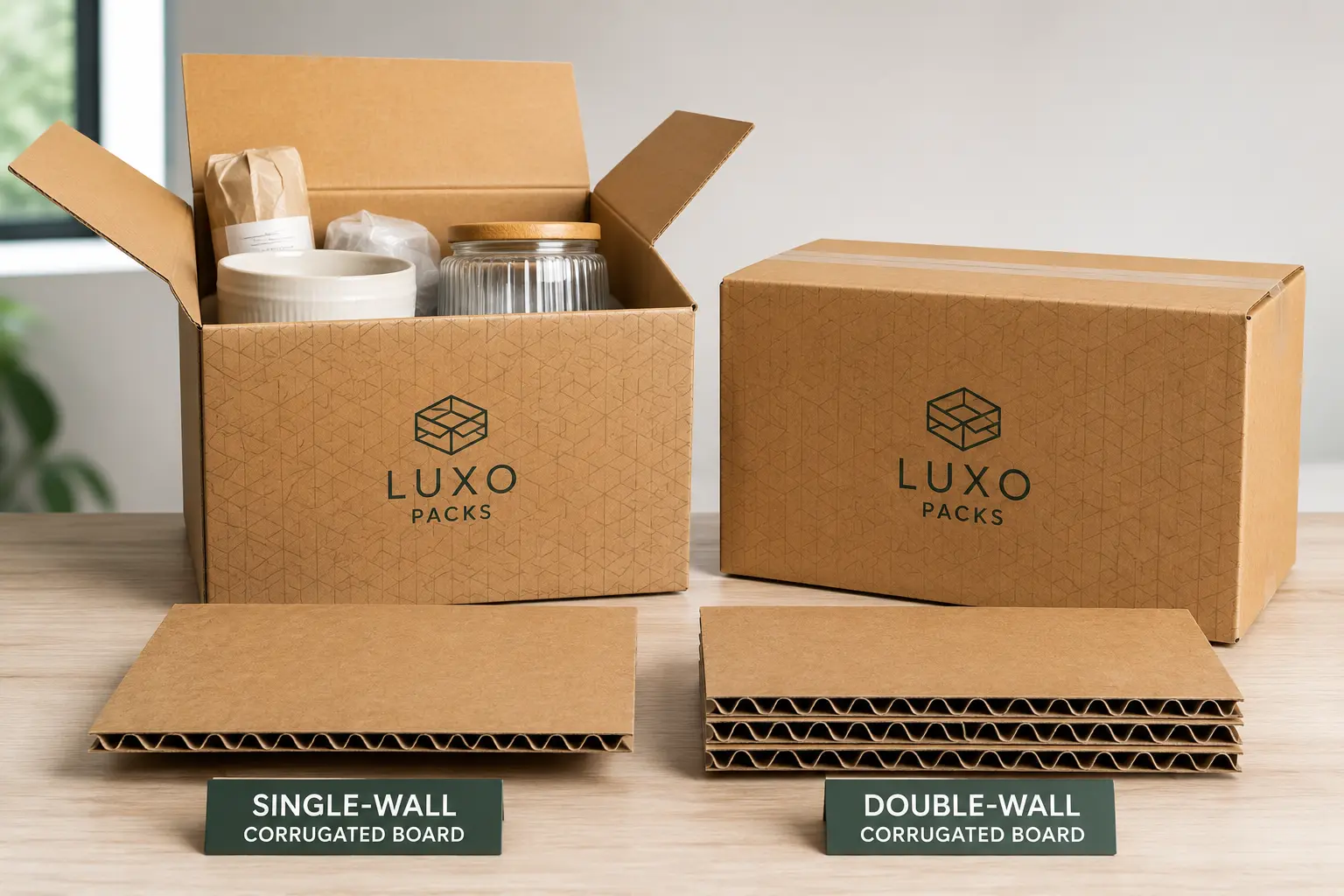
Inner Dimensions and Product Fit
The inner dimensions of a corrugated box should be planned around the product, inner packaging and packing method. A carton that is too large wastes shipping volume and allows product movement. A carton that is too tight can damage the product or make packing slow.
- Product size and weight
- Whether the product already has retail packaging
- Number of units per carton
- Packing direction
- Protective insert, divider or filler
- Top, bottom and side clearance
- Carton outer size for shipping or pallet planning
- Warehouse or courier size limits
If the box will hold several smaller retail boxes, the carton layout should be planned to avoid empty spaces. A small size adjustment can reduce movement and improve carton efficiency.
Send Carton Packing Details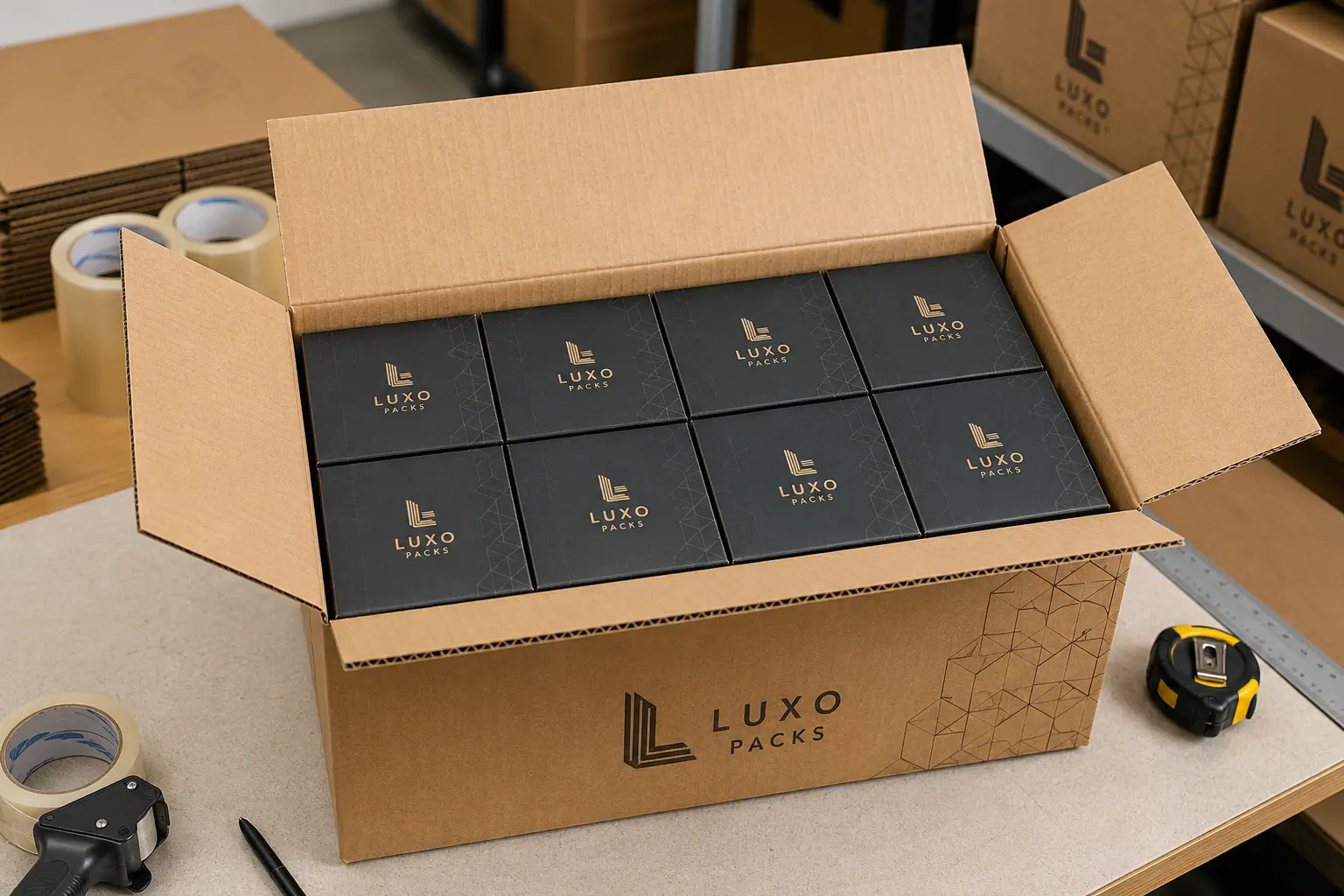
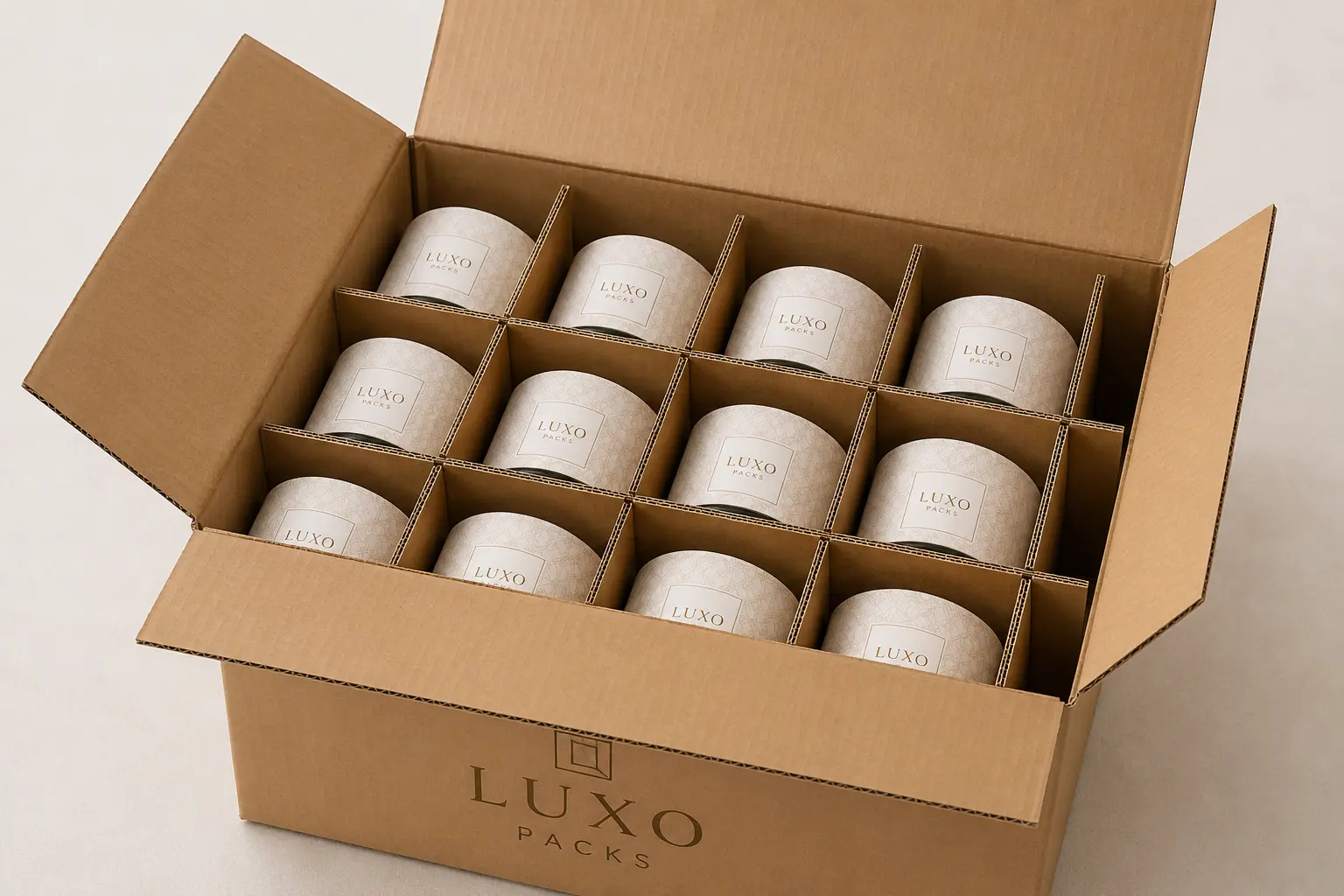
Product Protection and Internal Support
A corrugated box provides outer protection, but the inside packing often controls the real damage risk. Fragile products should not move freely inside the carton.
- Corrugated dividers
- Paperboard dividers
- Molded pulp trays
- Foam inserts
- Paper filler
- Corner protectors
- Inner cartons or sleeves
For glass candle jars, bottles or fragile gift boxes, the product should be tested in the real packing arrangement before bulk shipment.
Stacking and Compression
Corrugated boxes may be stacked in the warehouse, during truck transport, inside containers or on pallets. If the carton is not strong enough, it may deform and damage the product or finished retail packaging inside.
- Product weight per carton
- Carton height and base size
- Number of cartons stacked
- Pallet layout
- Storage duration
- Whether humidity may affect carton strength
- Whether the carton carries fragile retail packaging inside
Stacking strength should be considered before the carton size is finalized, especially for bulk shipping and export orders.
Ask About Stacking Requirements
Carton Structure Options
The most common corrugated carton is a regular slotted carton, but not every project needs the same structure. The structure should match product shape, packing speed, protection level and shipping method.
- Regular slotted shipping cartons
- Die-cut corrugated boxes
- Corrugated mailer-style boxes
- Corrugated trays
- Inner cartons
- Dividers and partitions
- Display-ready corrugated packaging
For ecommerce-facing printed mailer boxes, use the Custom Mailer Boxes page. This corrugated box page focuses more on protection, bulk packing and logistics use.
Custom Mailer Boxes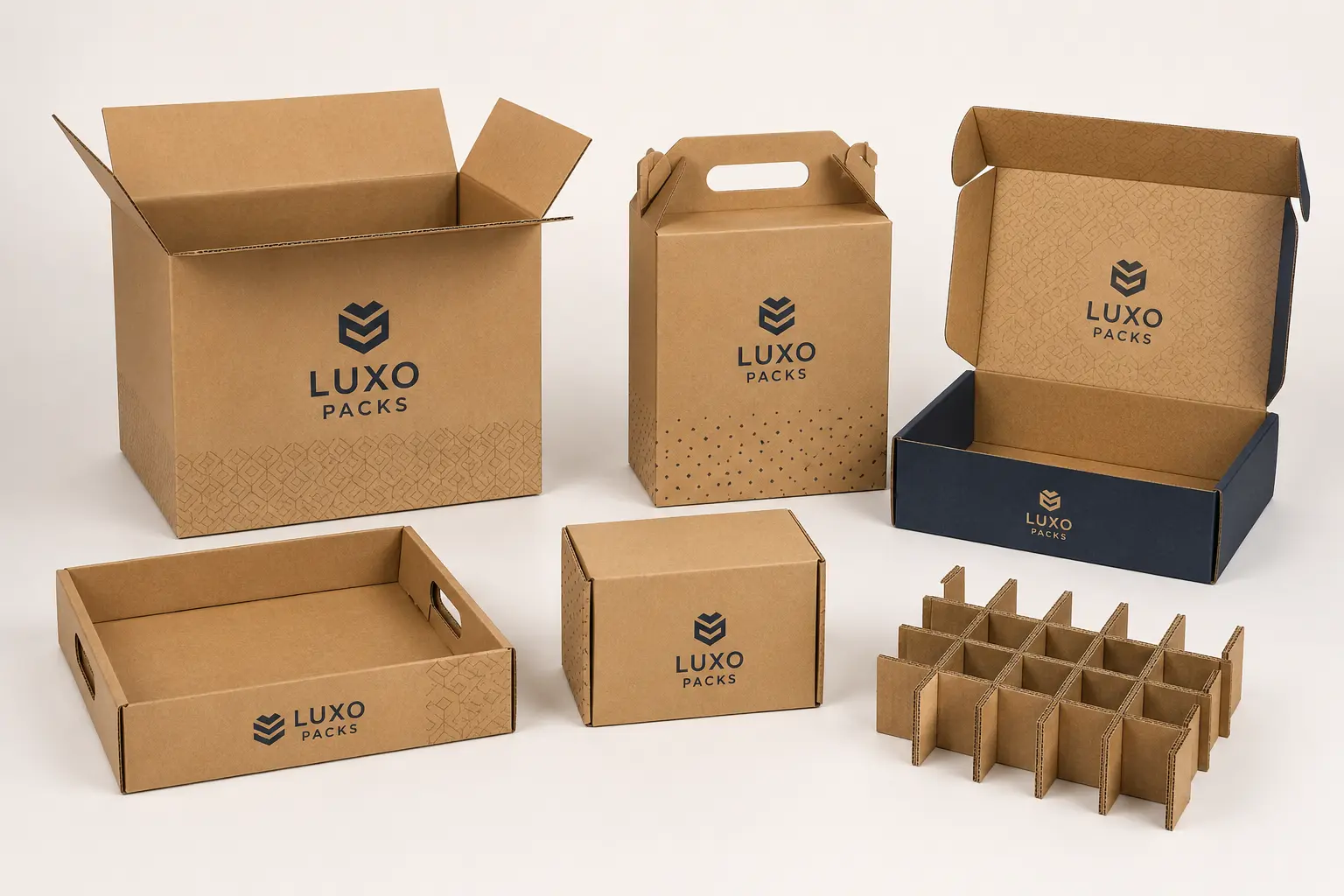
Printing and Carton Marking
Corrugated boxes can include simple logo printing, carton marks, product codes, handling symbols or shipping labels. For shipping cartons, printing is often used to help warehouse staff identify products, quantities, handling direction and carton batches.
- Logo or brand name
- Product SKU
- Carton number
- Quantity per carton
- Handling marks
- Fragile or orientation symbols
- Barcode or QR code
- Destination or batch information
Before production, we check print position, label area, tape coverage, barcode readability and whether carton marks match the buyer packing list.
Logo Printing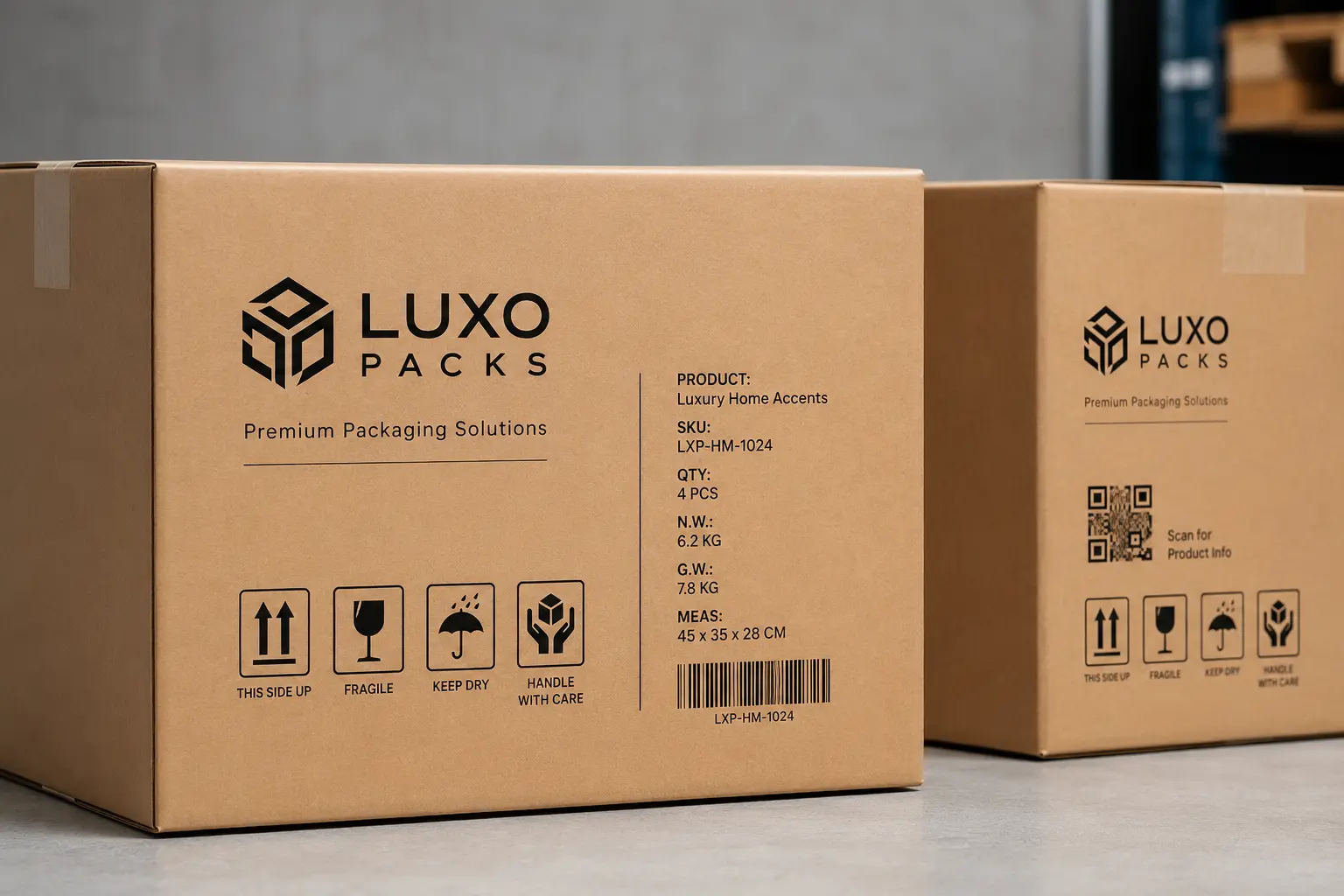
Packing Efficiency
A corrugated box should protect the product, but it also needs to be practical for the packing team. A complicated structure can slow fulfillment and create inconsistent packing.
- How long it takes to assemble the carton
- Whether inserts are easy to place
- Whether products load in one clear direction
- Whether tape application is simple
- Whether the carton count is easy to verify
- Whether the packing method fits the bulk production flow
- Whether cartons stack cleanly after packing
If a carton is used for a repeated product order, improving the packing layout can save time across every production run.
Production Process
Common Corrugated Box Mistakes
Corrugated packaging mistakes can lead to damage, wasted freight cost or slow packing. These issues should be reviewed before bulk production and shipment.
- Carton inner size is too large and products move
- Carton is too small and products are compressed
- Board strength is too weak for product weight
- Flute type does not match protection needs
- Heavy products deform the bottom carton
- No divider is used for fragile multi-item packing
- Carton marks are unclear or covered by tape
- Pallet layout wastes space
- Retail boxes inside are damaged by stacking pressure
- Sample is approved without testing the real packing method
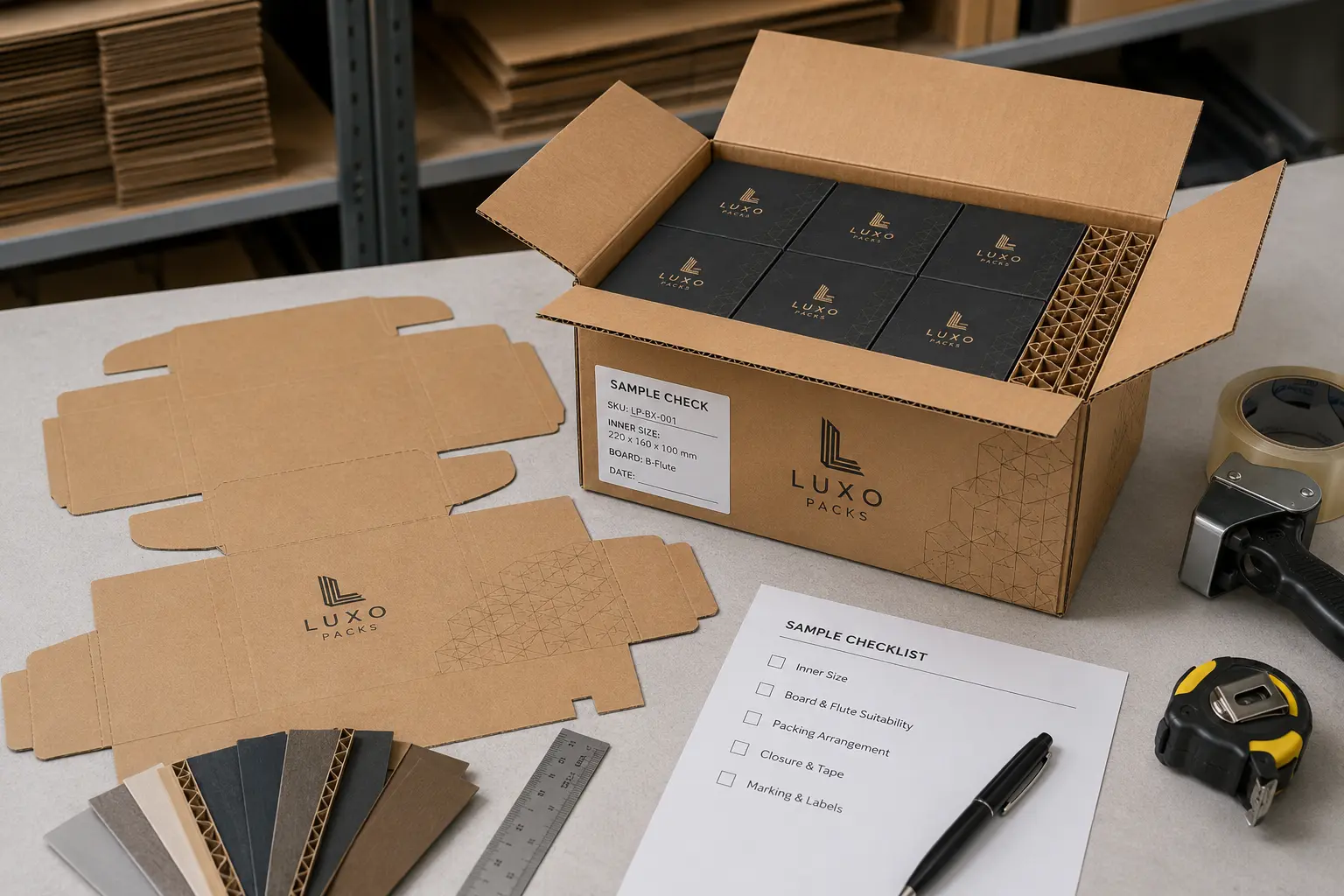
Sampling and Quality Checks
For corrugated boxes, the sample should be packed with the product or a product dummy to check real fit and strength.
Inner Size
We check whether the product, retail box or set fits inside with the planned clearance.
Board and Flute
We review board thickness, flute structure and whether the carton feels suitable for the expected weight.
Packing Arrangement
We test product direction, divider or filler position, carton count and loading process.
Closure and Tape
We check whether the carton closes cleanly and whether tape or locking position works with labels.
Marking and Labels
We check carton marks, logo position, SKU information and label area before bulk production.
Samples are usually finished in 3-5 days after size and structure are confirmed. After sample approval, bulk production usually takes 15-25 days.
Request Corrugated Box PricingWhat to Send for a Quote
To quote custom corrugated boxes accurately, please send the product and shipping details that affect carton size, board strength, structure and packing method.
- Product photos
- Product size and weight
- Whether the product already has retail packaging
- Quantity
- Number of products per carton
- Preferred carton size if known
- Shipping or warehouse requirements
- Print or carton mark requirements
- Insert, divider or filler needs
- Target delivery country and date
If you are trying to reduce damage or shipping volume, send the current packing method and problem photos if available. We can help review whether size, board strength, divider design or carton layout needs adjustment.
Ask for Corrugated Box Advice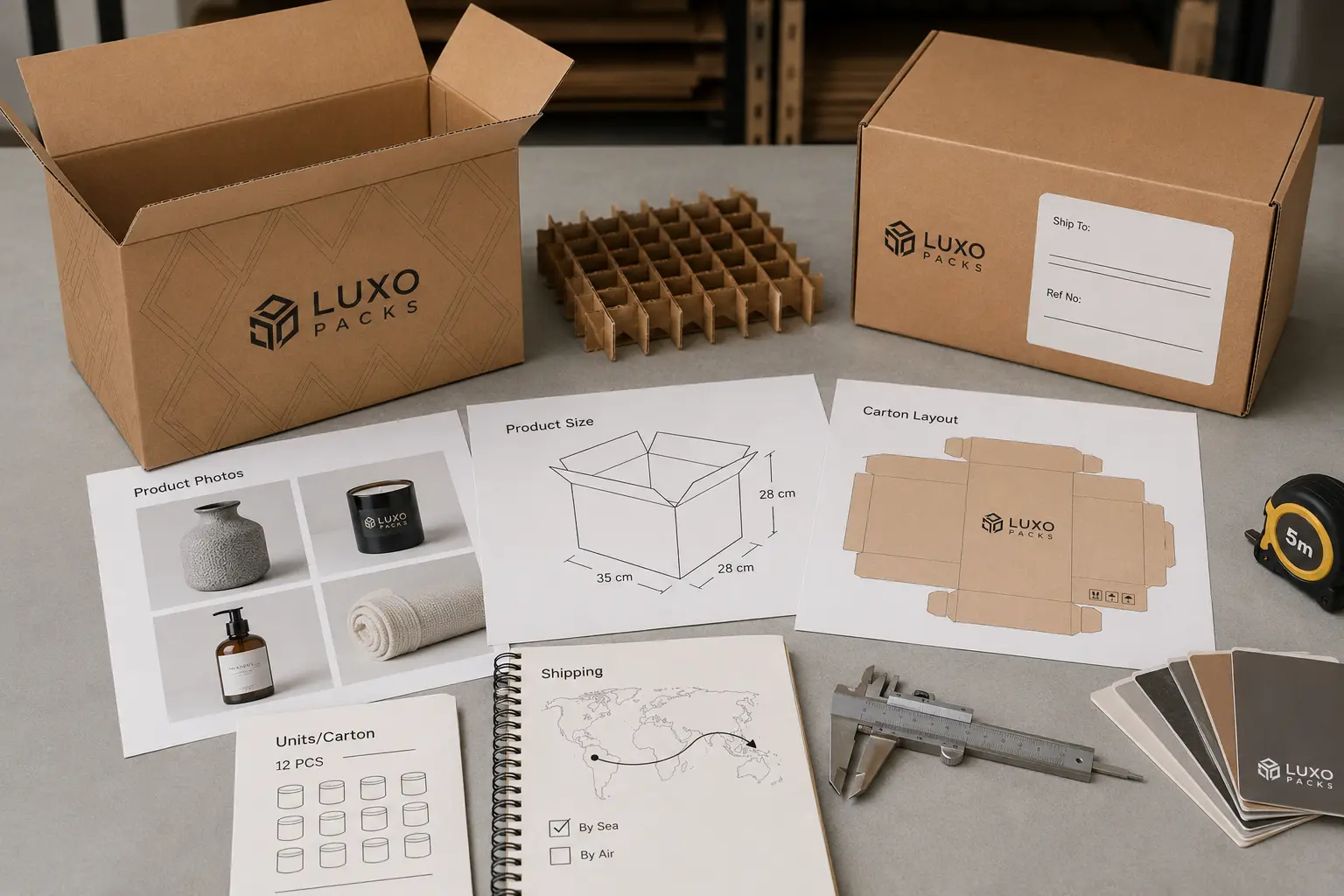
Ready to Make Custom Corrugated Boxes?
Send your product size, weight, units per carton, shipping route and current packing method. We can review carton size, board strength and divider needs before sampling.
Request a Custom QuoteFrequently Asked Questions
Answers for custom corrugated boxes, shipping cartons, flute selection, board strength, dividers and carton marks.