
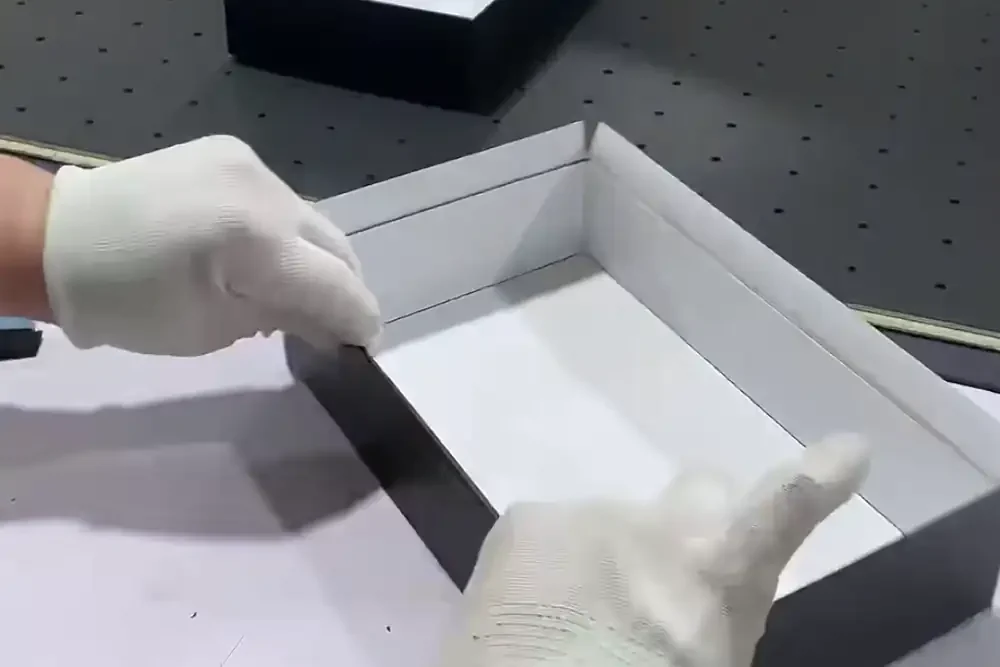
Custom Packaging Quality Control
Quality control needs an agreed reference and checks tied to the product. Compare the run with the approved construction, artwork and loaded sample, then inspect the features that affect use: fit, restraint, opening, finish and packing. Agree defect categories and the inspection plan before production so a general request for high quality becomes a workable acceptance decision.
- ✓ Free Design Support & 3D Mockup
- ✓ Size & Color Checks
- ✓ Packing Review Before Ship
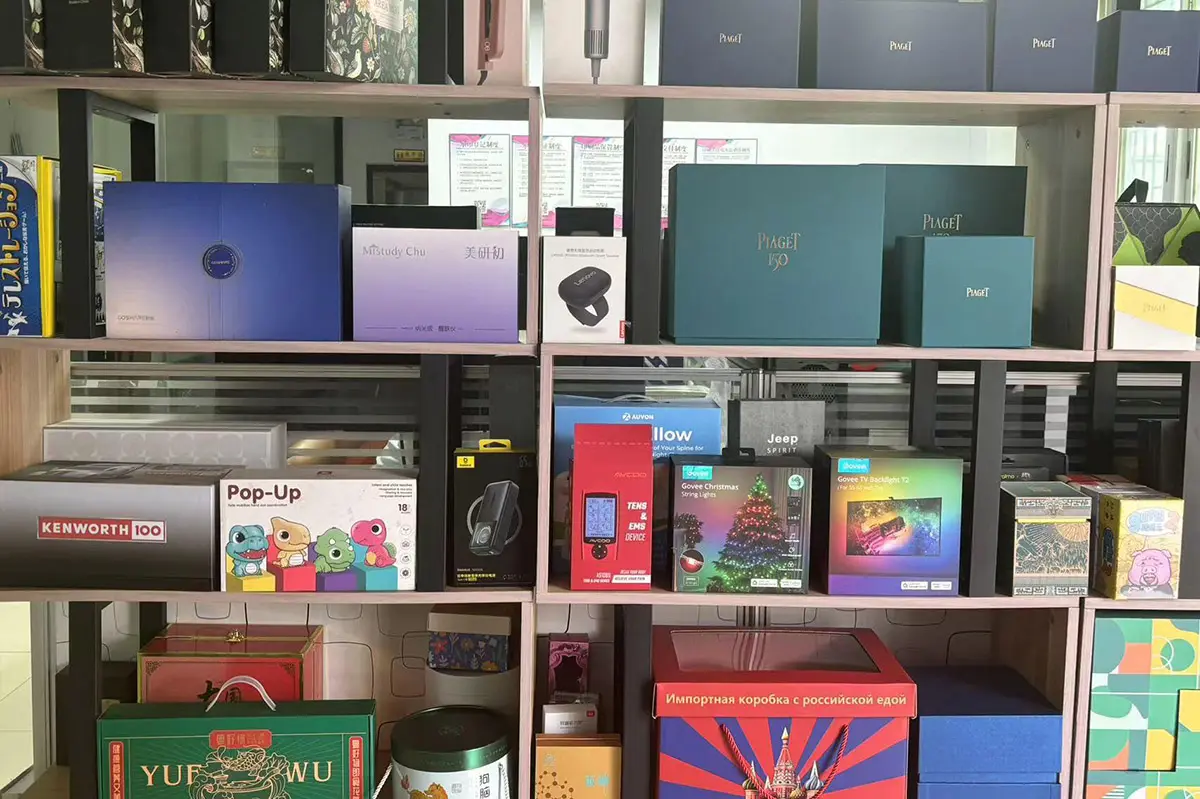
Why Quality Control Matters for Custom Packaging
Separate appearance, function and delivery condition when writing inspection points. A surface mark may affect presentation, a tight drawer affects opening, and a weak insert affects product restraint. Name the concern and the reference used to judge it so the team can record a result rather than an impression.
Choose checks for the actual construction instead of applying the same checklist to every pack. A bag needs handle and base review under its intended load; a magnetic box needs flap clearance; a tube needs lid fit and product removal. Check the loaded system as well as the empty component.
Quality checks should connect back to the approved sampling process, confirmed production process, required packaging certifications and real project examples in custom packaging case studies.
- Wrong inner size or product clearance
- Loose product fit or weak closure
- Color difference beyond the approved reference
- Logo position error or finishing registration issue
- Damaged packaging caused by poor carton arrangement
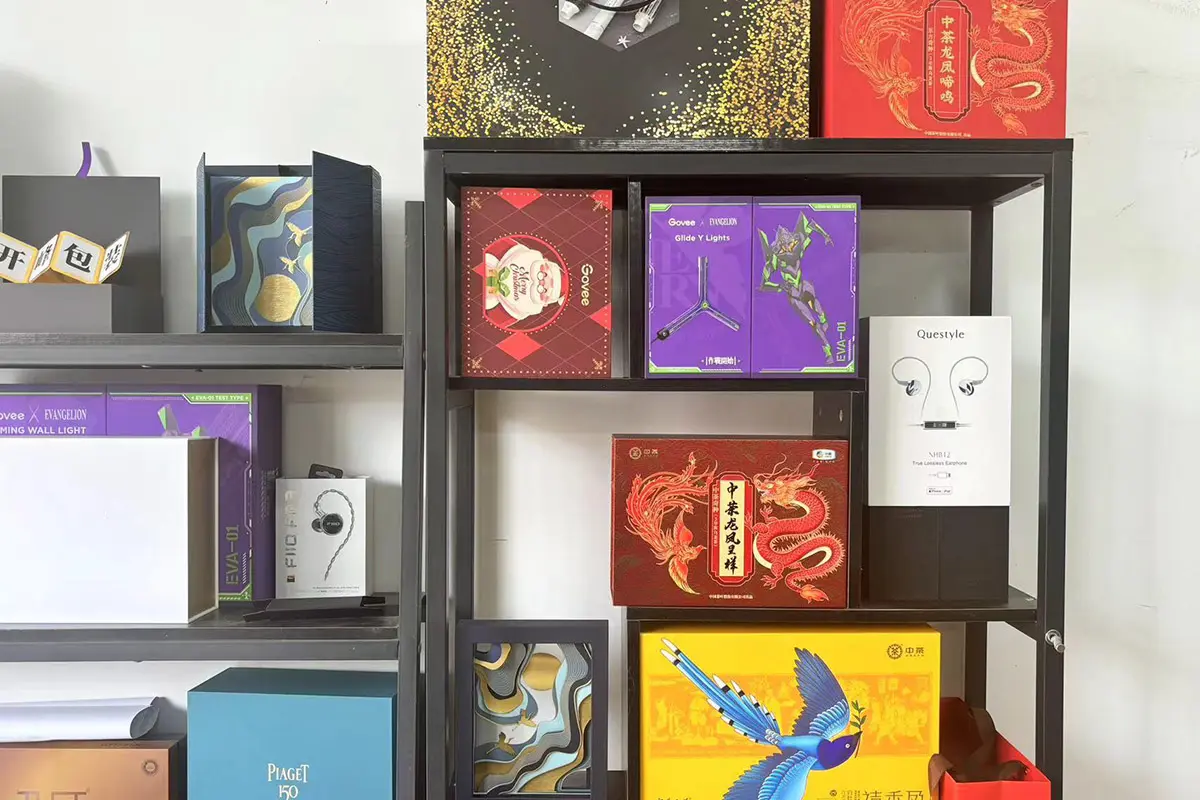
Approved Sample as the Inspection Reference
Keep the approved sample identifiable and record what it represents, including material and artwork revision. Retain written acceptance notes for details that a photograph cannot establish, such as opening feel or acceptable surface variation. When a specification changes, update the reference before inspecting the new run.
Bulk production can be checked against the approved sample, confirmed dieline, final artwork file, paper thickness notes, color reference, finishing requirement, insert layout and packing method.
Before Approval
Confirm sample notes, logo position, material, insert height, closure feel and packing method before bulk production.
After Approval
Use the approved sample as the main comparison standard for bulk inspection and final packing checks.
Main Quality Control Checks
Quality checks should match the approved sample and the packaging type. These are the details that often affect product fit, visual presentation and delivery condition.

Size and Product Fit
Use the packed product to check usable interior space, insert location and removal. Look for pressure on projecting features and movement that can cause rubbing. A correct exterior measurement does not by itself confirm that the product fits the assembled box.
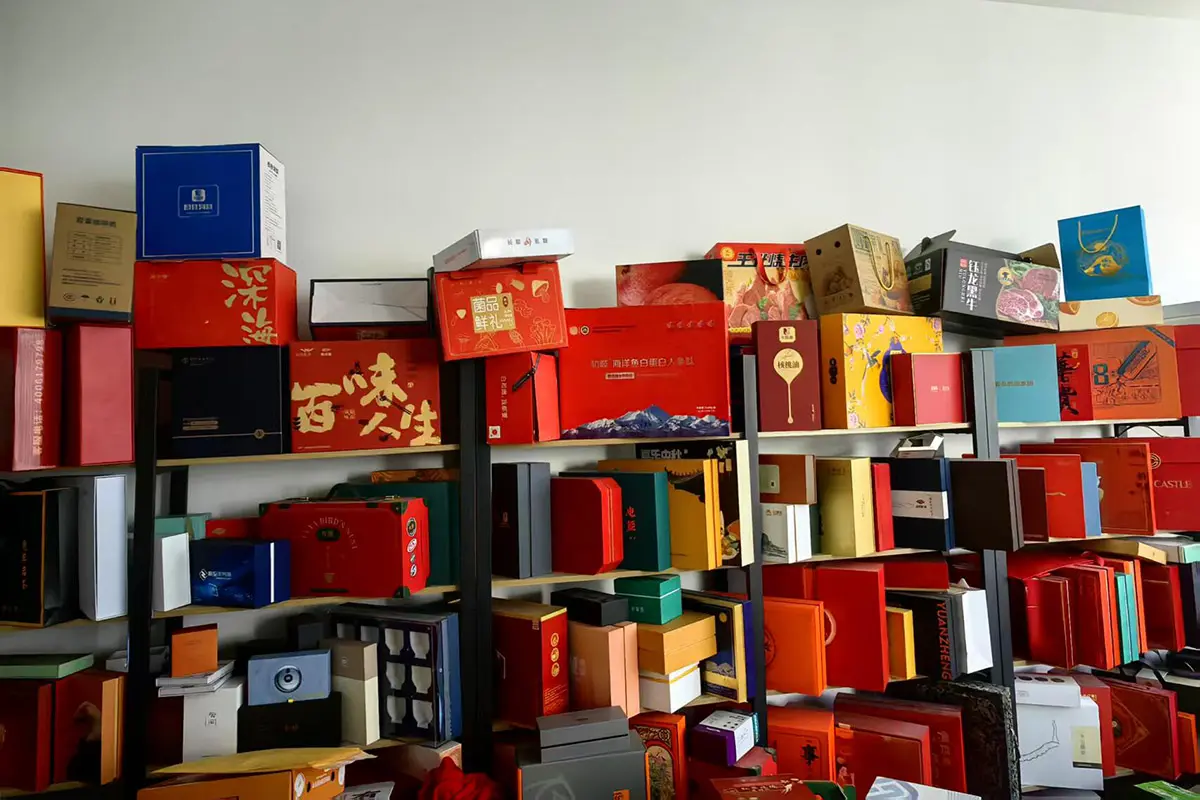
Material and Thickness
Check paperboard, greyboard, corrugated board, kraft paper, specialty paper, insert material, lamination and surface stiffness.
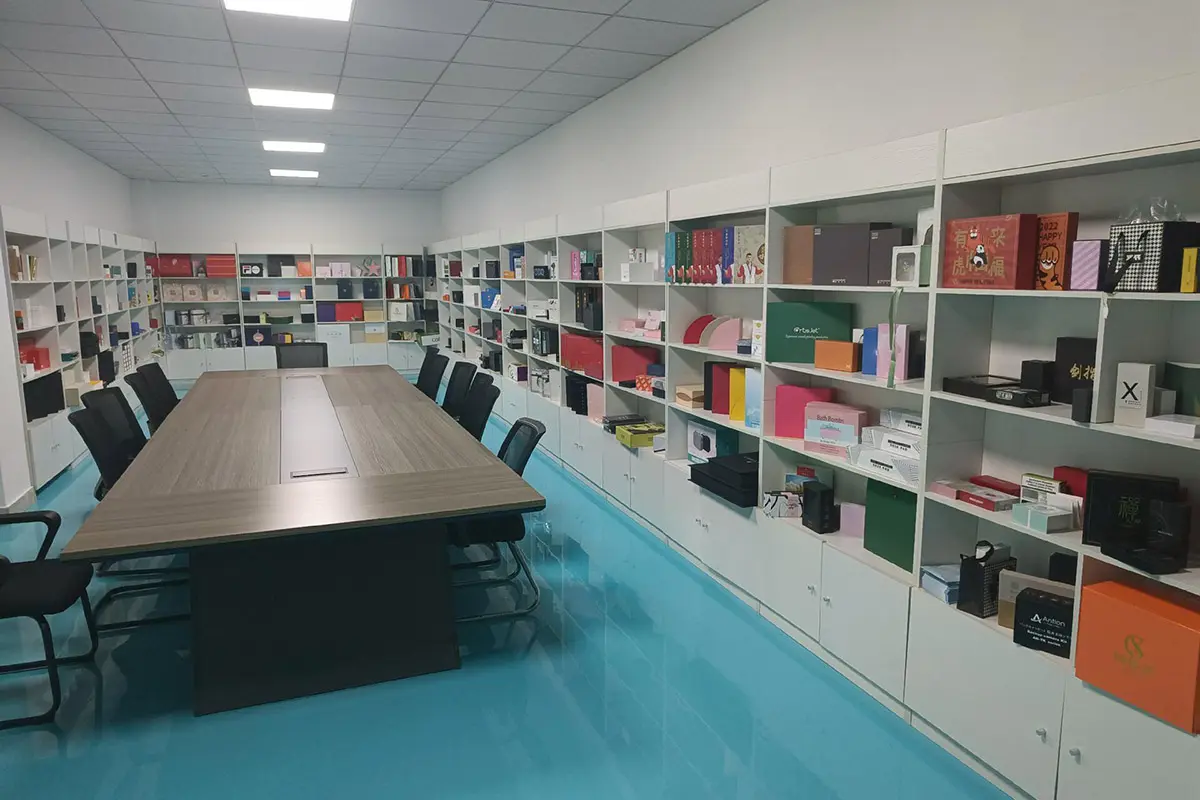
Color and Printing
Compare main color, logo color, ink coverage, fine text, panel alignment, barcode area and batch consistency.
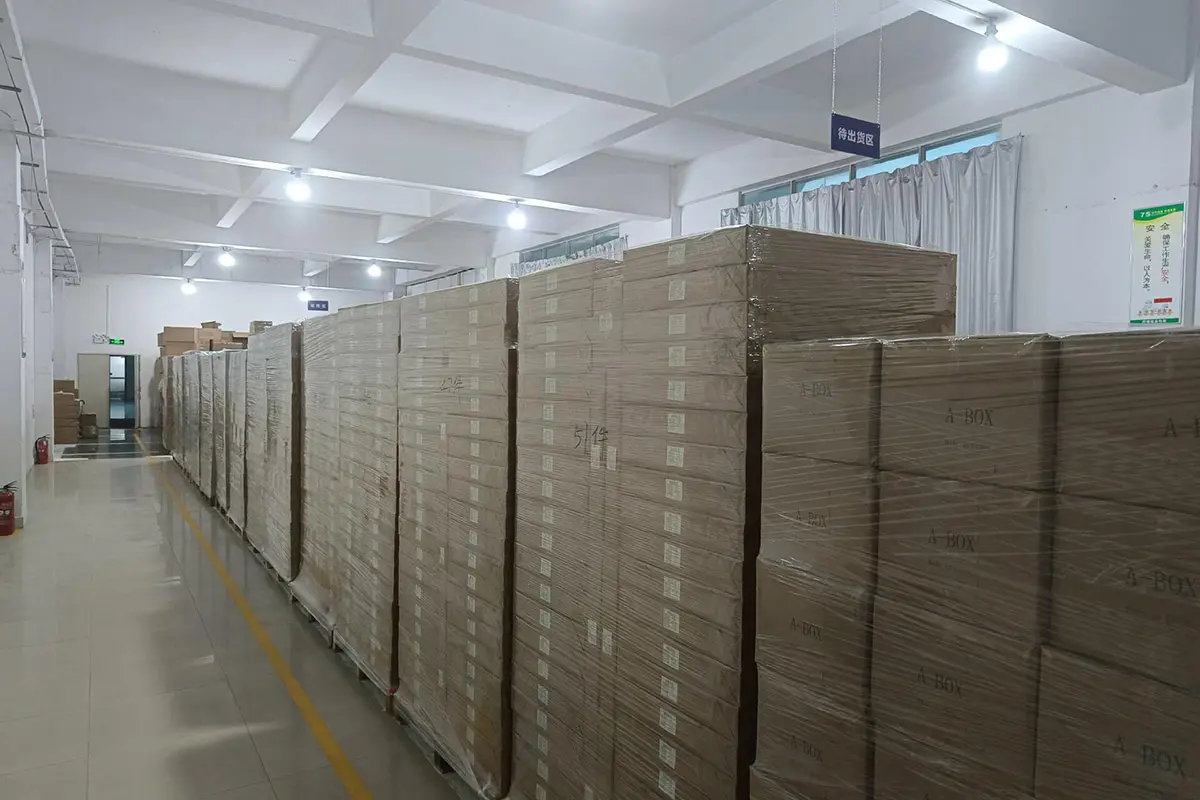
Logo and Finishing
Review logo center position, edge distance, foil coverage, embossing depth, debossing pressure and spot UV alignment.
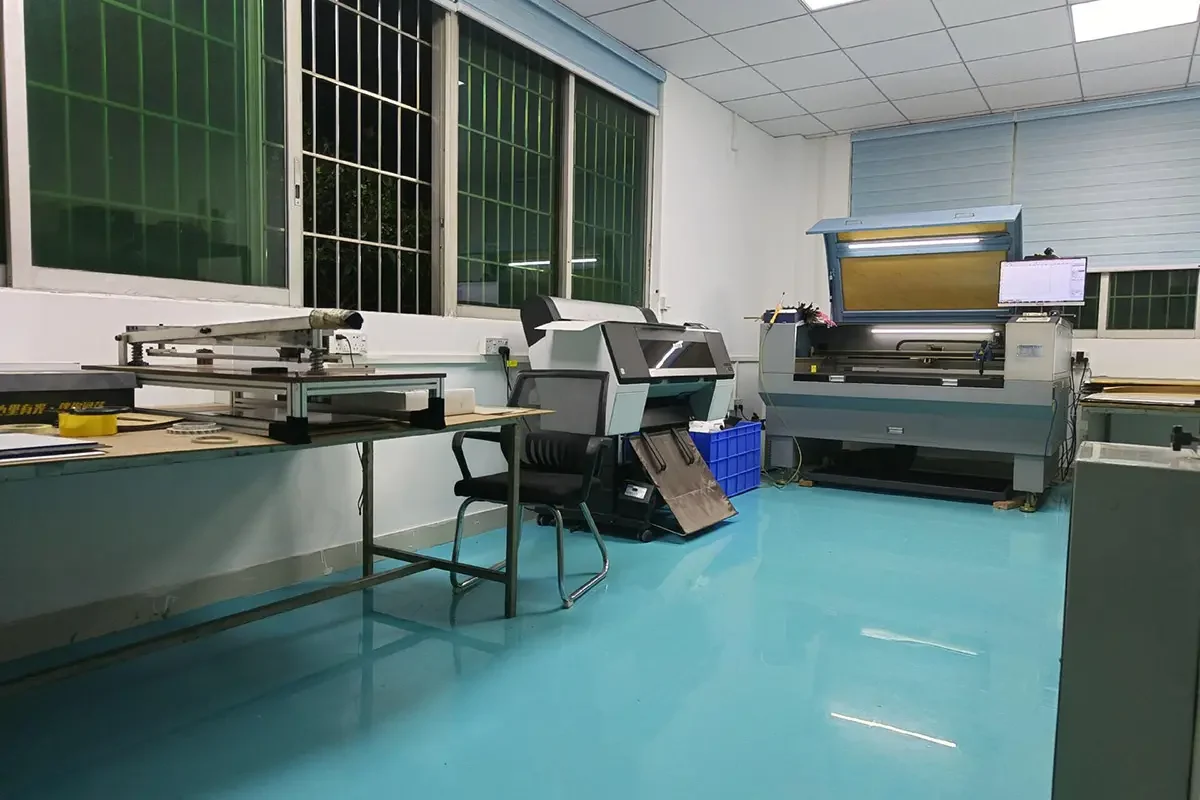
Surface and Closure
Check glue marks, edge alignment, corner wrapping, scratches, warping, magnet strength, lid fit and drawer sliding.
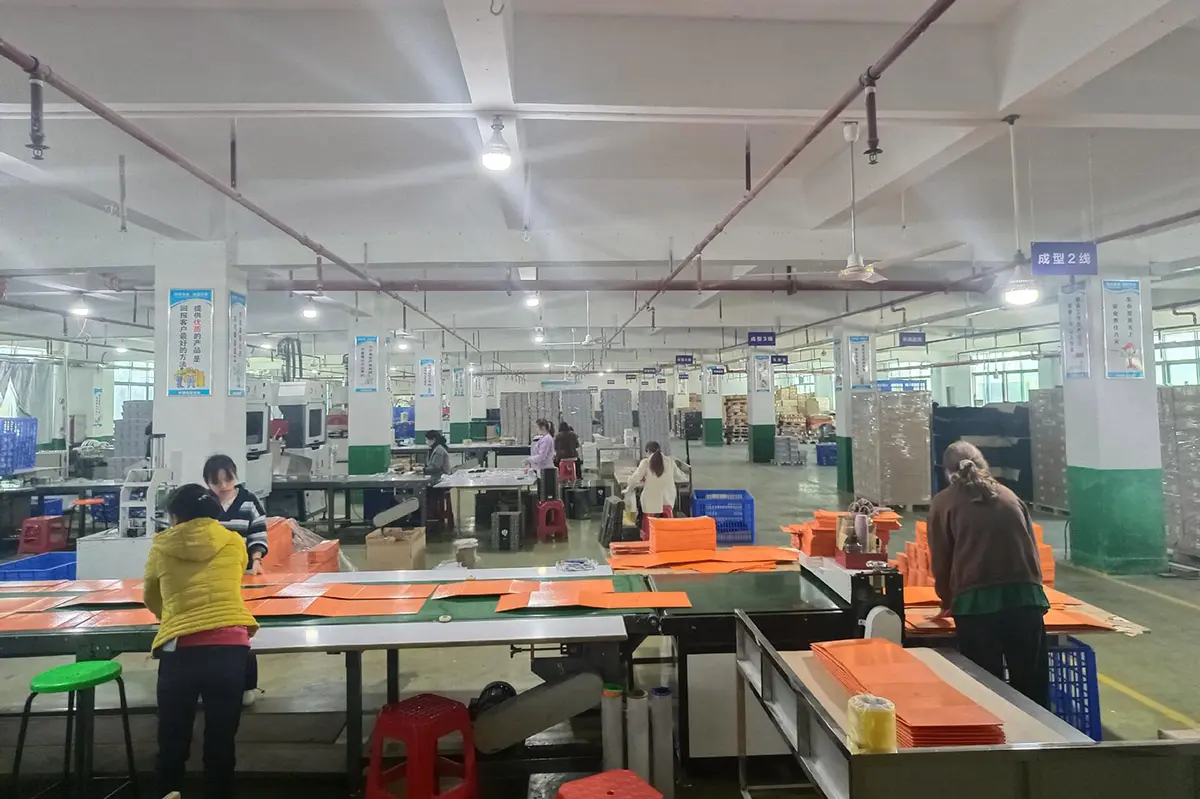
Insert Fit
Check cavity size, side gap, insert height, product movement, display angle, removal space and whether the insert blocks closure.
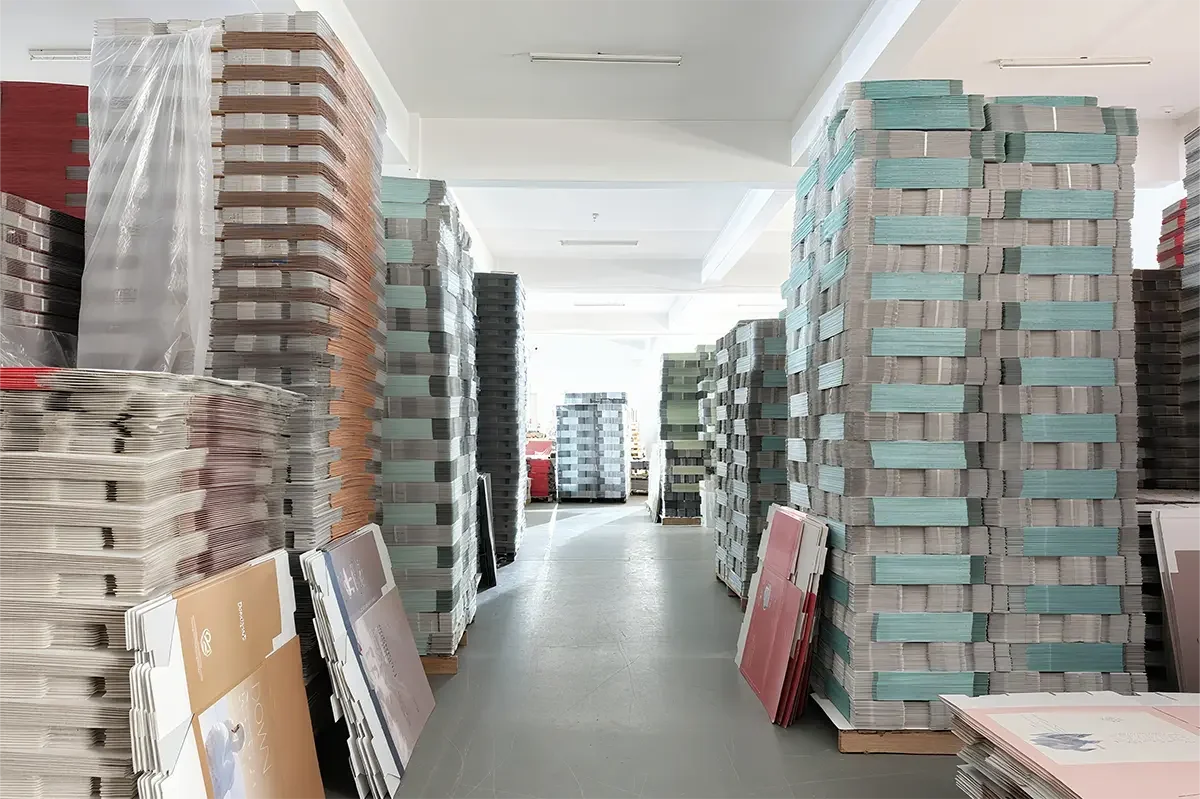
Paper Bag, Tube and Carton Protection Checks
Custom paper bags and paper tubes need component-specific checks. Finished packaging also needs carton protection before shipment.
For multi-component gift sets, packing lists help confirm that boxes, inserts, paper bags, cards, ribbons or accessories are packed correctly.
View Production ProcessQuality Checks by Packaging Type
A rigid box, magnetic box, folding carton, paper bag and paper tube should not be inspected with exactly the same checklist.
Rigid Boxes
Greyboard thickness, corner wrapping, lid fit, surface marks, logo position and edge finish.
Magnetic Boxes
Magnet strength, flap alignment, closing gap, surface finish and whether the insert affects closure.
Drawer Boxes
Sliding fit, tray gap, pull ribbon position, product movement and sleeve surface condition.
Folding Cartons
Crease position, glue flap, print color, tuck closure, flatness and barcode readability.
Mailer Boxes
Corrugated board strength, fold accuracy, tuck tabs, product fit and surface protection.
Paper Bags
Handle fixing, bottom support, logo position, side fold and surface marks.
Paper Tubes
Diameter, lid fit, edge finish, label or print alignment and product movement.
Inserts
Cavity size, product fit, display angle, removal space and surface contact with the product.
What Buyers Can Do to Reduce Quality Risk
Quality control works better when the buyer and factory agree on the important details before production.
- Send accurate product size and weight
- Provide final artwork before production
- Approve a physical sample when possible
- Mark important logo positions and key visual details
- Explain product fragility and packing requirements
- Tell the factory which detail matters most: color, fit, logo position or closure feel
Useful inspection proof may include size measuring photos, product fitting photos, color comparison photos, logo position photos, closure videos, insert fit photos and carton packing photos.
Ask About Inspection Points
Send your product photos, size, weight, packaging type, artwork, approved sample notes and key quality concerns. We can explain which inspection points should be checked for your box, bag, tube or gift set.
Send Your Packaging DetailsFrequently Asked Questions
Common questions about custom packaging quality control, approved samples, product fit, color checks and pre-shipment inspection.