


Custom Rigid Boxes
Custom rigid boxes made with greyboard structure, wrapped paper, inserts and logo finishing for gift, retail, beauty, candle, perfume, jewelry and product set packaging.
- ✓ Free Design Support & 3D Mockup
- ✓ Strong Product Protection
- ✓ Clean Luxury Finish
Why Choose a Rigid Box?

A rigid box is usually made with greyboard and wrapped with printed paper, specialty paper, kraft paper, coated paper or textured paper. Compared with a folding carton, it has a firmer shape and creates a more substantial opening experience.
Rigid boxes are often chosen when the product needs a stronger box body, cleaner shelf presentation, an insert, a tray or a more finished gift presentation.
They are not always the lowest-cost option. If the product is light, sold in large volume and mainly needs retail display, a folding carton may be more efficient. If the product ships directly to customers, a mailer box or corrugated outer carton may still be needed for protection.
Send Product Size for AdviceCommon Rigid Box Styles
Different rigid box structures create different opening feel, insert space, production tolerance and cost. The right style should be selected around the real product, not only the reference photo.
Lid and Base Boxes
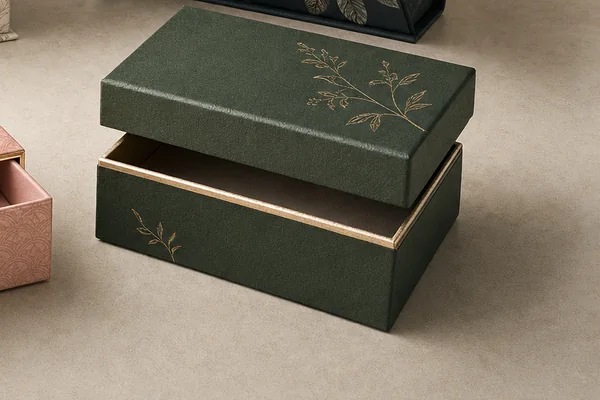
A separate top lid and bottom base. We check lid height, base height, fit tolerance, opening resistance, paper wrap corners and product clearance under the lid.
View Lid and Base Boxes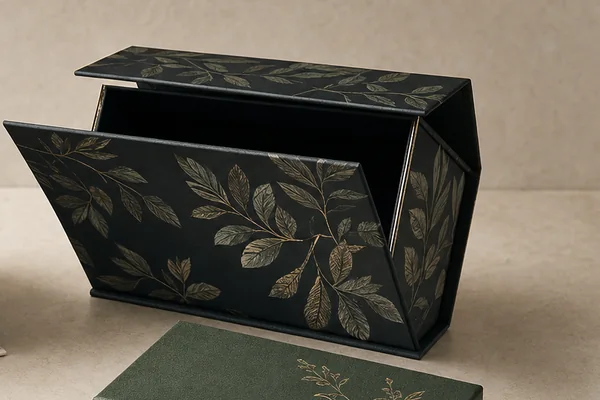
Magnetic Rigid Boxes
A front flap with embedded magnets. During sampling, we check magnet position, closing strength, flap alignment and whether product height affects closure.
View Magnetic Boxes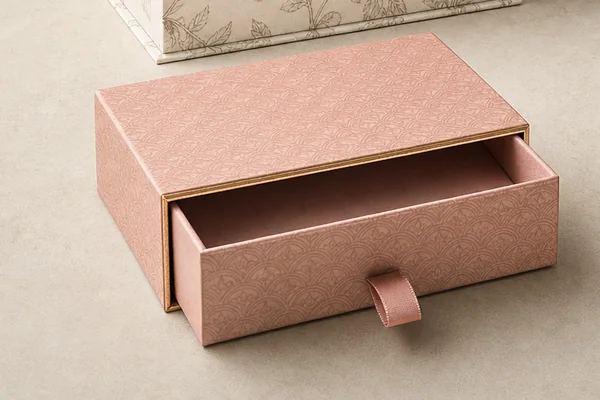
Drawer Rigid Boxes
A sleeve and inner tray structure for a sliding reveal. We check sleeve-tray gap, sliding smoothness, pull ribbon fixing, tray strength and product balance.
View Drawer Boxes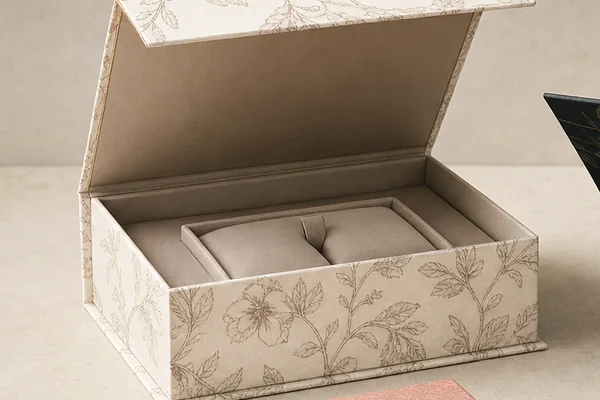
Shoulder Neck Boxes
An inner shoulder helps guide the lid and control the opening feel. We check shoulder height, lid fit, inner edge wrapping and product removal space.
Ask About This StructureGreyboard Thickness and Box Strength
Greyboard is the core structure of most rigid boxes. The right thickness depends on box dimensions, product weight, opening style and whether the box includes an insert.
- Smaller boxes can often use thinner greyboard if the product is light.
- Larger gift boxes usually need stronger greyboard to reduce bending.
- Heavier products may need thicker board or internal support.
- Magnetic boxes need a stable front panel so the flap closes evenly.
- Drawer boxes need enough sleeve strength so the tray can slide without deformation.
For many rigid gift box projects, 1200-1500 gsm is a common starting range, but the final recommendation should be confirmed by box size, product weight and sample testing.
Ask for Greyboard Advice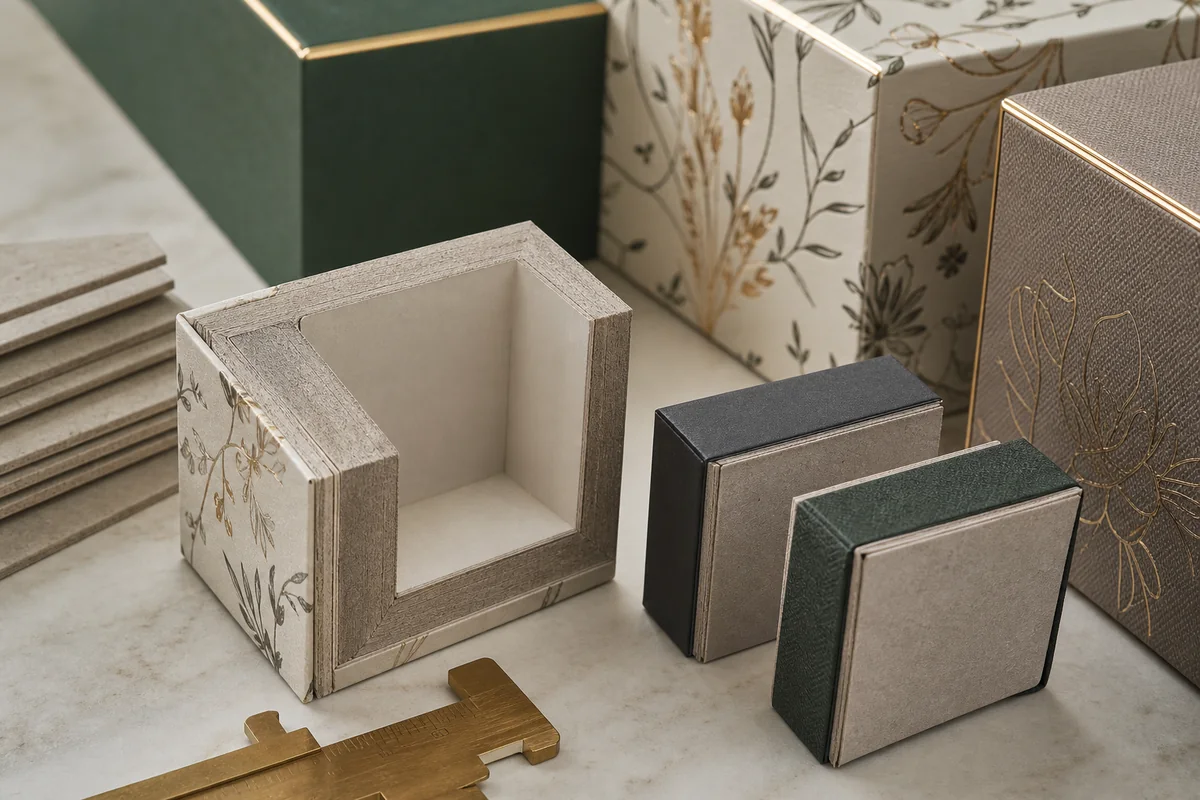
Wrapped Paper and Surface Options
The outside paper changes the look, touch and production risk of a rigid box. It also affects color, logo finishing and corner wrapping.
Dark paper can show glue marks or scratches more easily. Textured paper may affect foil stamping clarity. Full-color printing needs color proofing and sample confirmation. For a specific brand color, Pantone color matching or a physical proof should be discussed before bulk production.
Packaging Materials
Logo Printing and Finishing
Rigid boxes give a clean surface for logo work, but finishing should be planned around paper surface, logo size, line thickness, box edges and wrapped corners.
Printing
Offset printing works for full-color graphics. Screen printing can work for selected solid logo colors depending on paper surface and logo size.
Foil Stamping
Gold, silver or other metallic foil can create a premium logo effect. Small letters and thin lines should be checked before plate making.
Embossing and Debossing
Raised or pressed logo texture can work well on rigid boxes, but the finishing area should be flat and away from edges or wrapped corners.
Inserts for Rigid Boxes
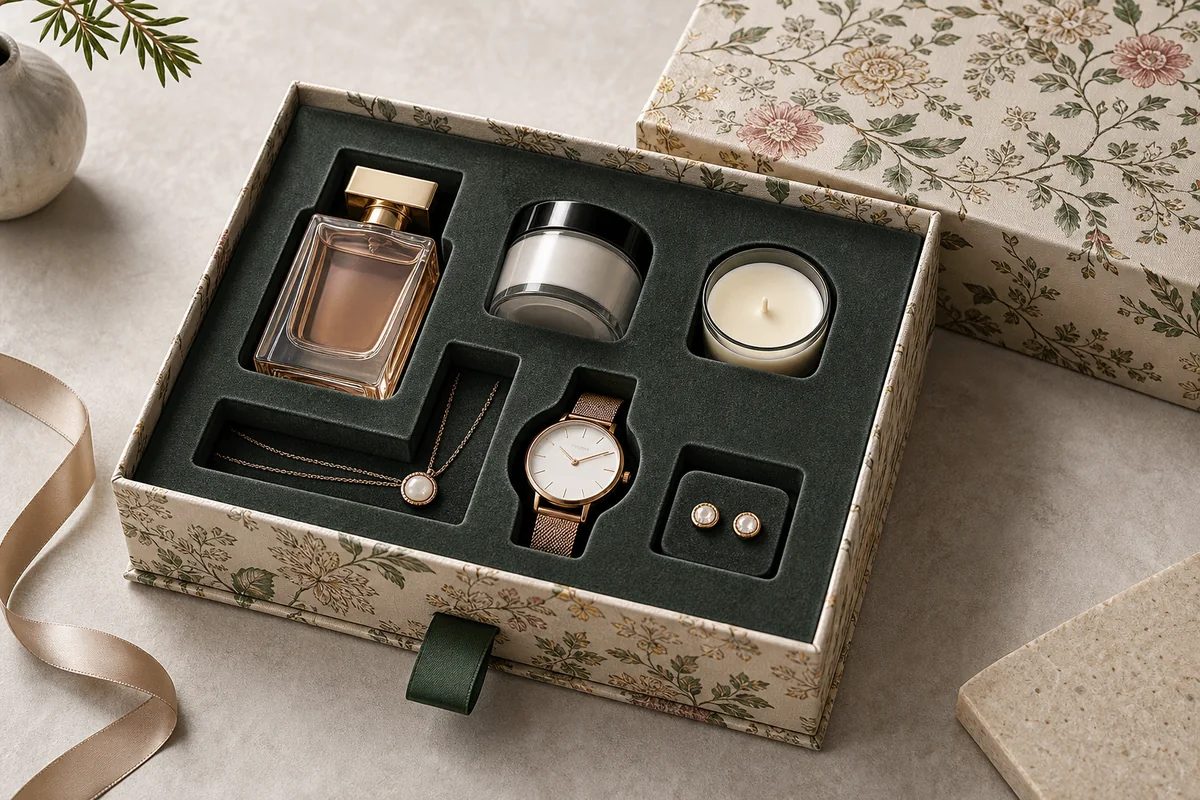
A rigid box often needs an insert to hold the product in place. The insert should protect the product, improve presentation and make the product easy to remove without damage.
- Paper card inserts for light products and simple layouts
- Foam or EVA inserts for stronger holding and cleaner cutouts
- Molded pulp inserts for some eco-oriented projects
- Velvet-covered inserts for jewelry, watches and premium gift sets
- Paper dividers for multi-item gift sets
For fragile bottles, glass jars, candles, watches or heavy items, insert planning should happen before the sample is made. If the insert is added late, the outer box size, box depth and lid fit may need to change.
Custom Packaging InsertsOpening Feel and Lid Fit
The opening feel of a rigid box is affected by board thickness, wrapped paper, lid height, production tolerance and insert layout. Small tolerance changes can make the same box feel smooth, too tight or too loose.
- Lid is too tight and difficult to open
- Lid is too loose and falls off too easily
- Magnetic flap does not close evenly
- Drawer tray feels stuck
- Product touches the lid when closed
- Insert raises the product too high
- Paper wrap creates uneven corners
- Ribbon pull is fixed in the wrong position
A sample can look good in photos, but it still needs to open smoothly, hold the product correctly and close without pressure from the insert.
Request a Physical Sample Check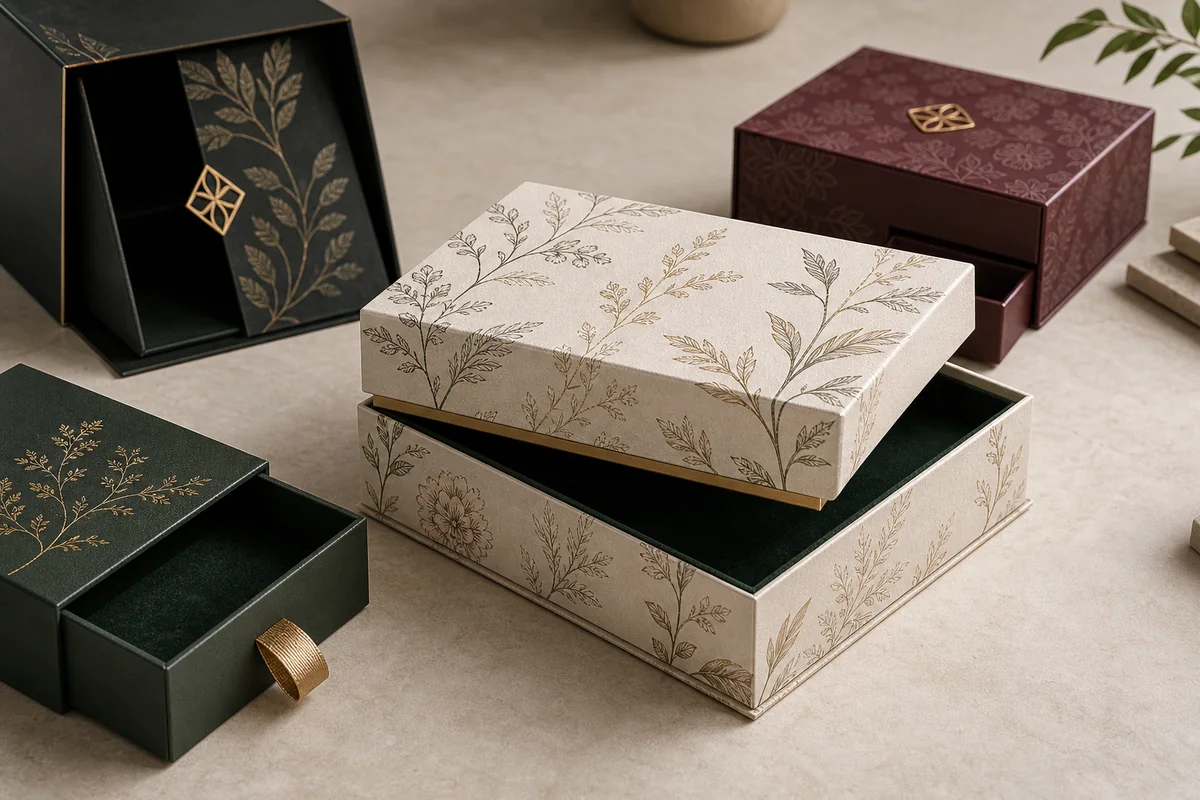
When a Rigid Box May Not Be the Best Choice
Rigid boxes are useful, but they are not always the most practical packaging option. A better structure can reduce cost, simplify packing or improve shipping protection.
Consider Another Structure If
- The product is very lightweight and needs low-cost retail packaging
- The order requires empty gift boxes to ship and store flat
- Shipping protection is the main priority
- The budget is tight and presentation is less important
- The box needs to be assembled very quickly at large volume
Possible Alternatives
- Foldable magnetic boxes for a flat-packed structure that forms into a rigid gift box
- Folding carton boxes for lightweight retail packaging
- Mailer boxes for ecommerce shipping and unboxing
- Corrugated boxes for stronger shipping protection
- Paper bags as a matching retail carrier
Sampling Process for Rigid Boxes
Rigid box sampling helps confirm structure, material, logo placement and real product fit before mass production.
Structure
Confirm box style, dimensions, lid height, base height, insert direction and opening method.
Material
Review greyboard thickness, wrap paper, surface finish and material concerns.
Artwork
Check logo file, print area, foil stamping, embossing, debossing or spot UV position.
Sample
Samples are usually finished in 3-5 days after artwork and structure are confirmed.
Approval
Bulk production usually takes 15-25 days after sample approval.
Quality Control Points
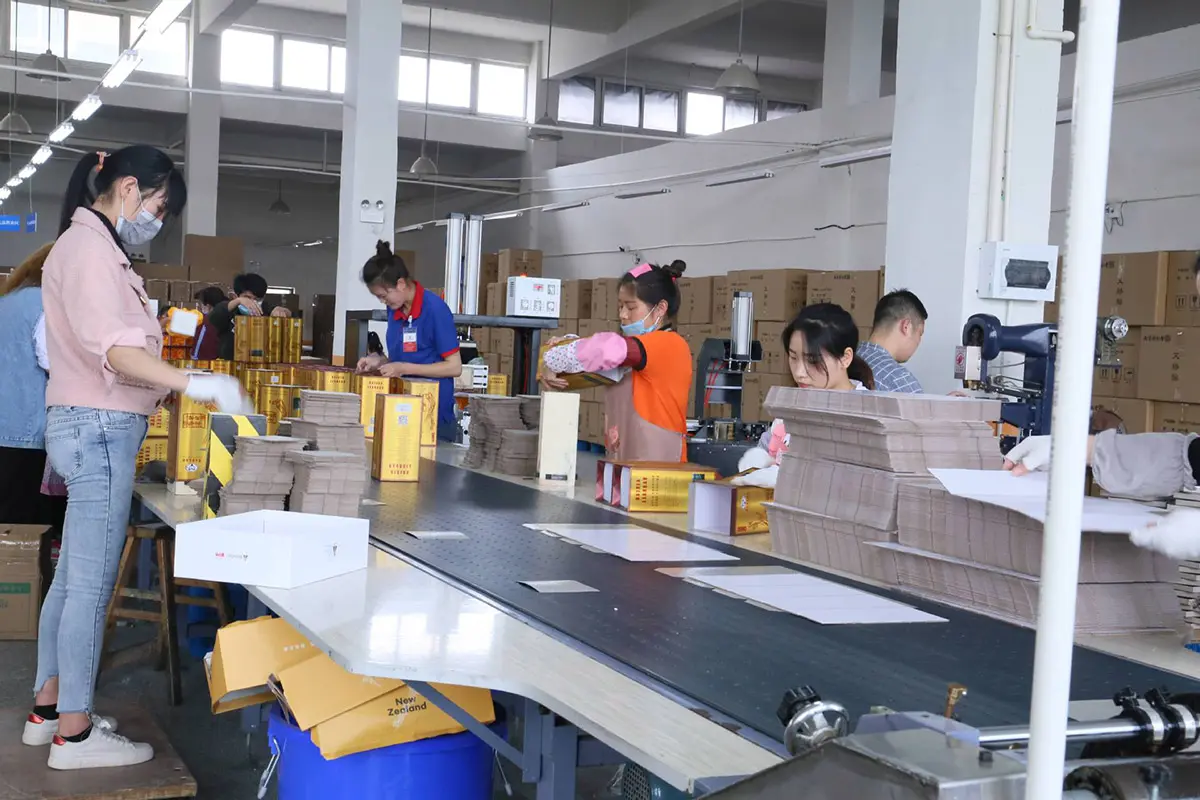
Rigid box quality is affected by several small details. Before packing, we check the structure, surface, logo finishing, insert and opening feel.
- Outer size and inner size
- Greyboard thickness
- Paper wrap alignment
- Corner wrapping and edge finish
- Lid fit and opening feel
- Magnet strength if applicable
- Drawer sliding if applicable
- Logo position and finishing clarity
- Insert size and product fit
- Glue marks, scratches or visible surface defects
What to Send for a Rigid Box Quote
To quote a rigid box accurately, we need more than the outer box size. Structure, material, insert, finishing and packing method all affect cost and production time.
If you are not sure about the box style, send the product details first. We can suggest whether a lid and base box, magnetic box, drawer box, shoulder neck box or another structure is more practical.
Get Rigid Box PricingReady to Make Custom Rigid Boxes?
Send your product size, weight, quantity, artwork and preferred rigid box style. We can suggest the box structure, board thickness, insert and sample plan.
Request a Custom QuoteFrequently Asked Questions
Answers for custom rigid box materials, MOQ, samples, inserts and production timing.