Buying Guide
A jewelry-packaging MOQ applies to a defined production specification, not automatically to your total brand order. LuxoPacks's published MOQ guide lists jewelry and watch boxes in its 500-piece rigid-box category. Treat that as a category reference, not a guarantee for every material, size, insert or artwork combination. Confirm the minimum for the exact configuration in the written quotation.
For a small launch, the most useful task is to separate what must be customized from what can be shared. A common outer size may suit several items, but a ring and necklace can still require different inserts. Different logos, colourways and box constructions may create separate production setups. Define those differences before asking whether the order can be combined.
Understand which minimum the supplier is quoting
Ask which minimum applies to the shell, decoration and insert. A shared outer box does not automatically mean different cavities can be pooled, and a combined brand total can hide small quantities of several distinct variants. Record the supplier’s grouping decision against the actual component list.
Questions that clarify a small-batch order
| Order element | Ask explicitly | Why it matters |
|---|---|---|
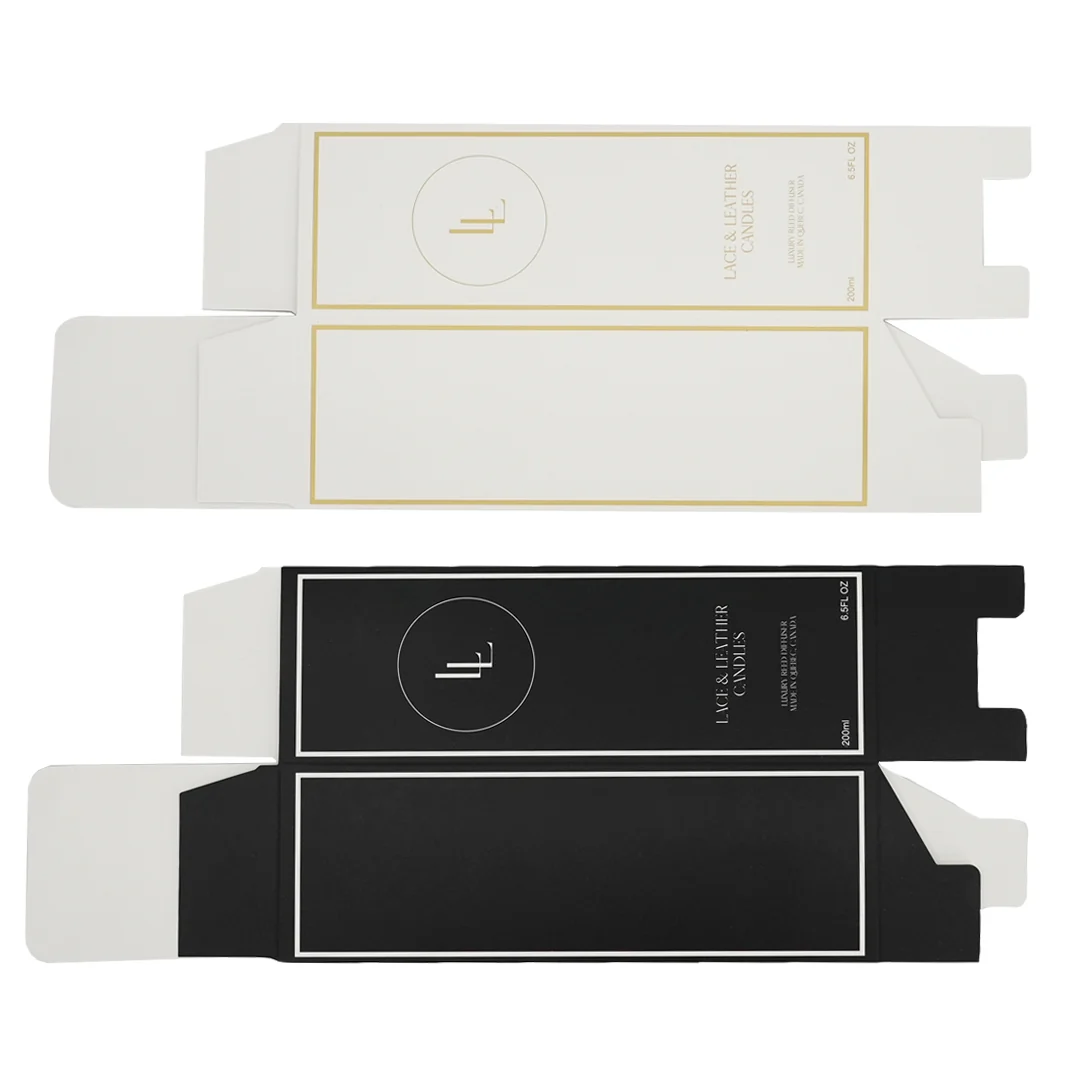
| Outer box | Is the minimum per structure and finished size? | A different dieline can change tooling and setup. |
| Artwork or colour | Can quantities be split, and which extra charges apply? | A shared box does not automatically mean shared printing setup. |
| Insert | Is each cavity layout treated as a separate specification? | Different jewelry shapes may need different cutting or assembly. |
| Reorder | Which tooling can be reused and what minimum applies now? | Reuse depends on the retained specification and agreed terms. |
Why short production runs still have setup costs
Setup work remains even when fewer pieces are produced. Separate cutting or decoration tools from print preparation, material purchases and assembly setup; then identify which parts recur on a reorder. This makes a first-run price understandable without assuming every initial charge is permanent.
Do not assume every setup fee will repeat, or that every tool will be stored indefinitely without charge. Ask who owns the tooling, how long it is retained, what changes make it unusable and whether storage or reuse has conditions. Those answers are more useful for a growing jewelry brand than a headline MOQ presented without a reorder policy.
Reduce specification variants before negotiating quantity
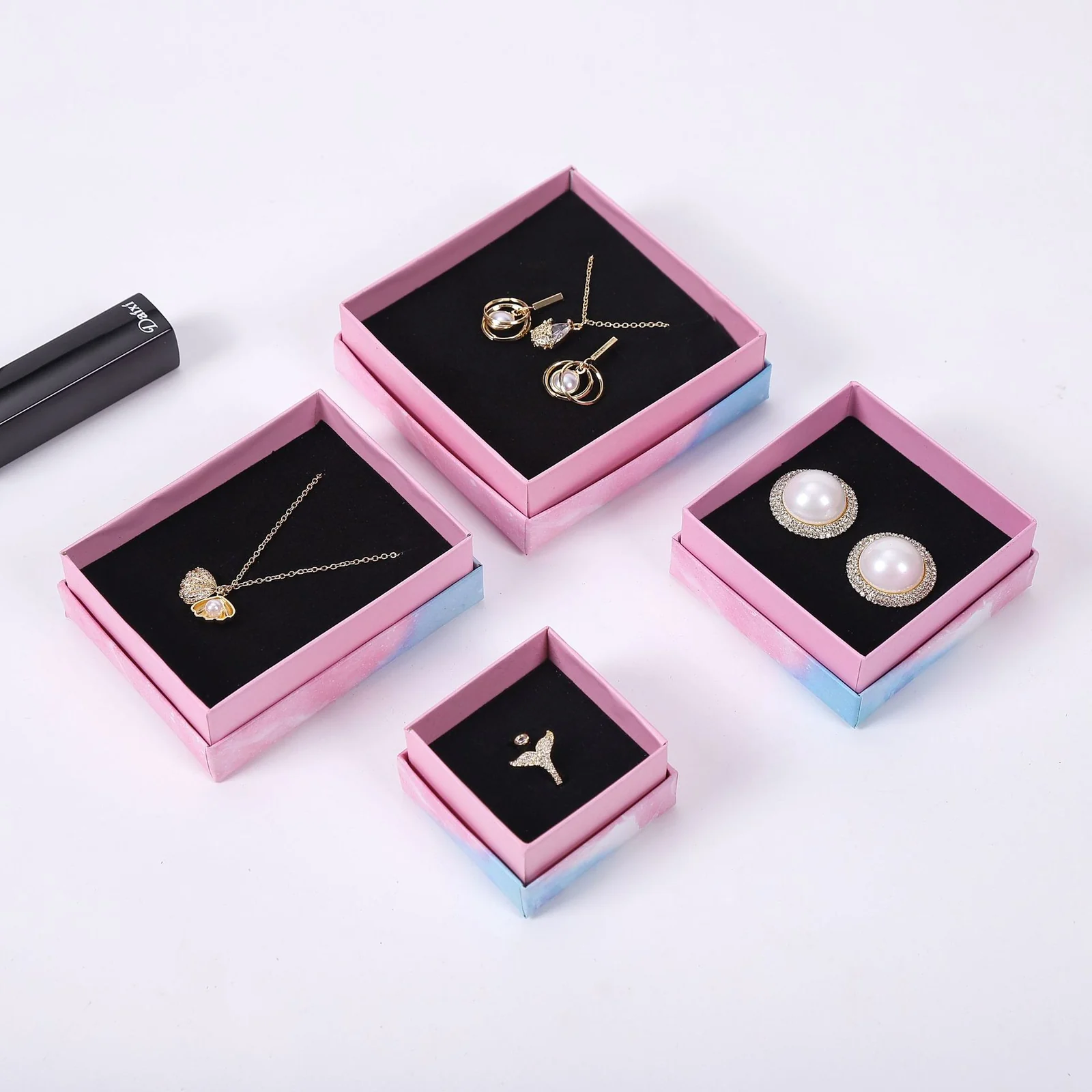
List your jewelry products and group them by the space and presentation they need. Compare whether one outer box can accept different inserts without creating excess empty space or poor removal access. Keep the product and insert measurements visible in the brief so a shared-size proposal is evaluated for fit rather than assumed to work.
A single wrap and logo treatment across a collection may simplify the request, but the supplier must confirm the actual effect on setup and minimums. Ask for a comparison between your original variant plan and a consolidated version. Keep the changes explicit: sharing an outer structure is a different decision from sharing insert geometry, print artwork or decoration tooling.
Separate prototype, approval sample and production order
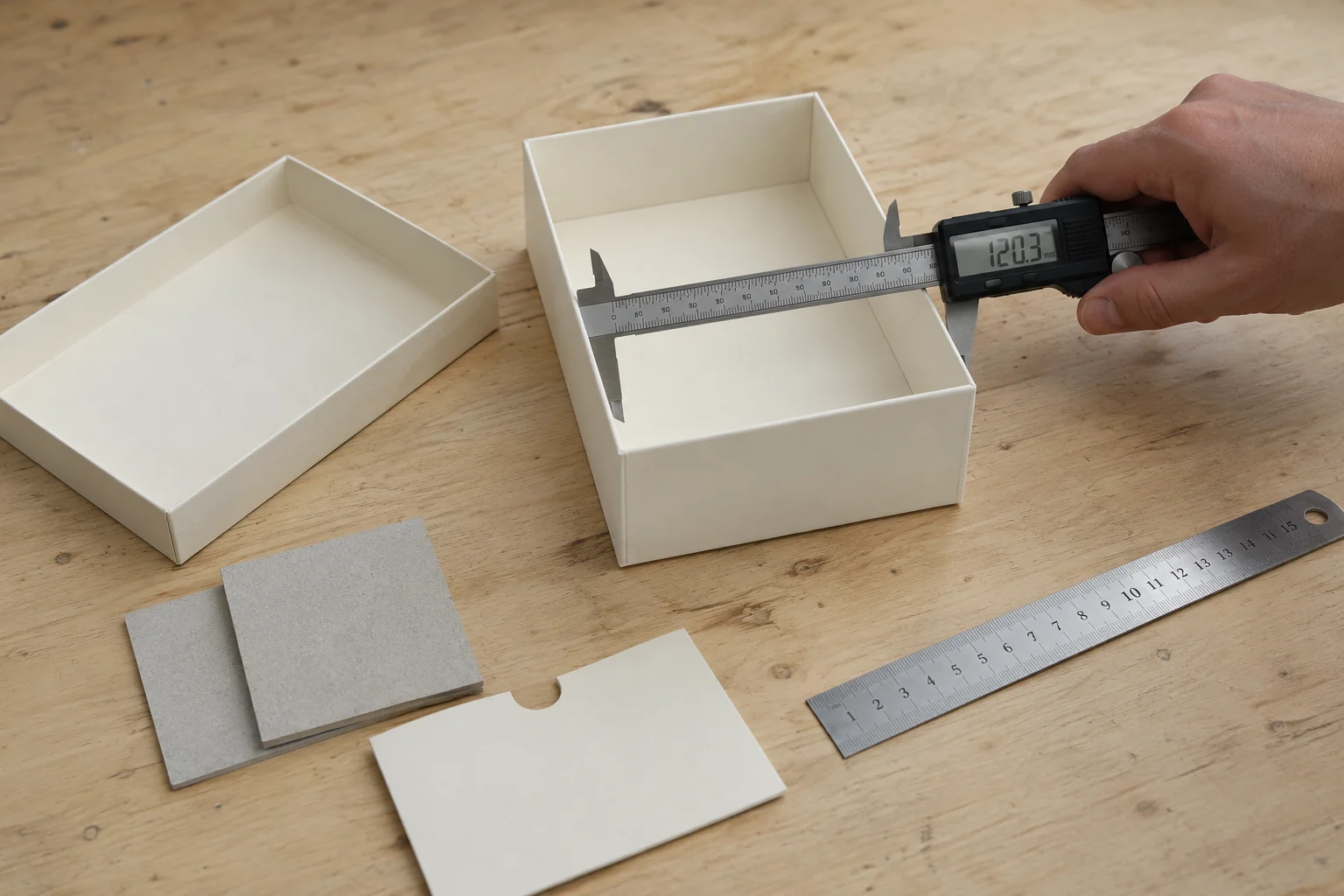
A structural sample is useful for checking size and assembly, while a decorated sample can help establish appearance. Ask which materials and processes are represented in each sample and which differences remain before bulk production. A sample quantity is not the same thing as a production minimum, and a digital rendering cannot establish physical jewelry fit.
Record sample scope, cost, shipping and timing in the quotation. If a supplier proposes crediting a sample fee against a later order, ask for the qualifying conditions in writing rather than assuming the credit is automatic. Approve the relevant sample revision before treating a production schedule as confirmed.
Compare launch quantities using total commitment
A larger run can distribute setup across more boxes, but a lower unit price does not necessarily mean a better launch decision. Compare the total payable amount, expected use, storage requirement and likelihood of a design change. Unused packaging from an obsolete logo or wrong insert is still inventory you purchased.
Use the quotation comparison guide to separate production, tooling, sampling, packing and freight. Request alternative quantities that match your actual launch and replenishment plans. Keep the same specification and delivery basis for each tier; otherwise a price difference may reflect a material or logistics change instead of volume.
Choose the structure before assuming its MOQ
The jewelry box range and velvet-insert presentation format are useful starting points for a brief. However, exterior fabric, a special insert or a different construction changes the request. Do not transfer the category minimum to a custom design until its materials and manufacturing scope have been reviewed.
If your target is below the confirmed minimum, ask which specification changes or sampling routes are actually available. A simpler decoration, fewer variants or an alternative structure can be explored, but availability is a quotation question. This guide does not promise stocked blank boxes, mixed-design pooling or an exception for every order.
Plan reorders as a controlled repeat specification
Keep the approved artwork, colour reference, box and insert dimensions, material descriptions and sample record together. A reorder request should identify that revision and list any differences. Even a small change to a pendant size or logo area may affect fit or tooling, so do not describe a modified project as an unchanged repeat run.
Ask the supplier to confirm the current minimum, material availability, production timing and reusable setup for the repeat order. Leave a separate line for any revised tooling or sampling. That makes a repeat quotation auditable and prevents an earlier verbal assumption about minimums from becoming an unexpected production constraint.
Send a small-batch RFQ that can be answered
Request a jewelry packaging feasibility review with your target quantity, product dimensions, number of sizes, number of artworks, insert needs and destination. Distinguish the first order from a forecast; a possible future volume is not a committed order. State which aspects of the design can change to meet the launch budget.
Ask for a response covering minimums per configuration, sample scope, one-time costs, production charges and delivery basis. Refer to the materials guide when naming wrap and insert options. With those details recorded, you can compare whether a low-MOQ proposal actually fits the collection rather than selecting the smallest number on a supplier's website.
Jewelry packaging MOQ FAQ
What is LuxoPacks's published jewelry-box MOQ?
The published MOQ guide lists jewelry and watch boxes in the 500-piece rigid-box category. This is a category reference; the minimum for a specific structure, material, insert and artwork must be confirmed in the quotation.
Can I split one order across colours?
Ask the supplier to confirm the split and any separate setup or minimum requirements. A shared outer box does not automatically combine different printing artworks or colour treatments into one production minimum.
Do rings and necklaces share the same MOQ?
They may use different outer sizes or insert layouts. At LuxoPacks, each design and size must meet the 500-piece minimum. Email both configurations to info@luxopacks.com so the production variants can be identified before quoting.
Can I buy samples before meeting the production minimum?
Ask for a separate sample quotation stating the quantity, materials, decoration, remaining production differences, cost and timing. Sample availability and a production minimum are separate parts of the sourcing agreement.
Will my next order have the same minimum?
Confirm it again against the retained specification and current material availability. Ask which tooling can be reused and whether changes to size, insert or artwork introduce new setup or minimum requirements.
Start Your Small Batch Order
We specialize in supporting growing jewelry brands with premium packaging at low MOQs.
Get MOQ Pricing → WhatsApp Sales
Related Procurement Guides
- luxury jewelry box materials
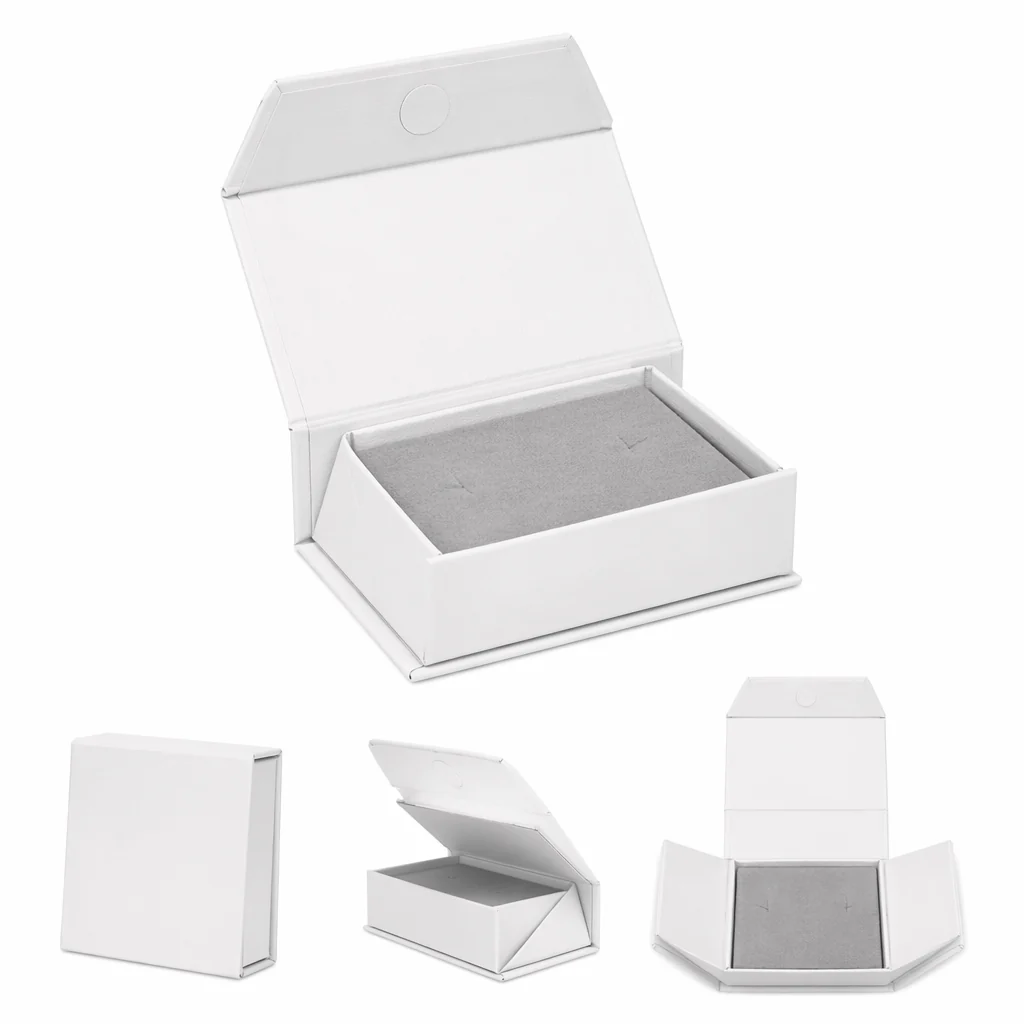
- low-MOQ magnetic box sourcing
- RFQ quote-comparison guide
- magnetic gift box cost guide
Put this guide into practice
Reduce unnecessary variants before negotiating quantity. Confirm which shells and materials can genuinely be shared while keeping each jewelry piece securely held and easy to remove.