


Embossing and Debossing for Custom Packaging
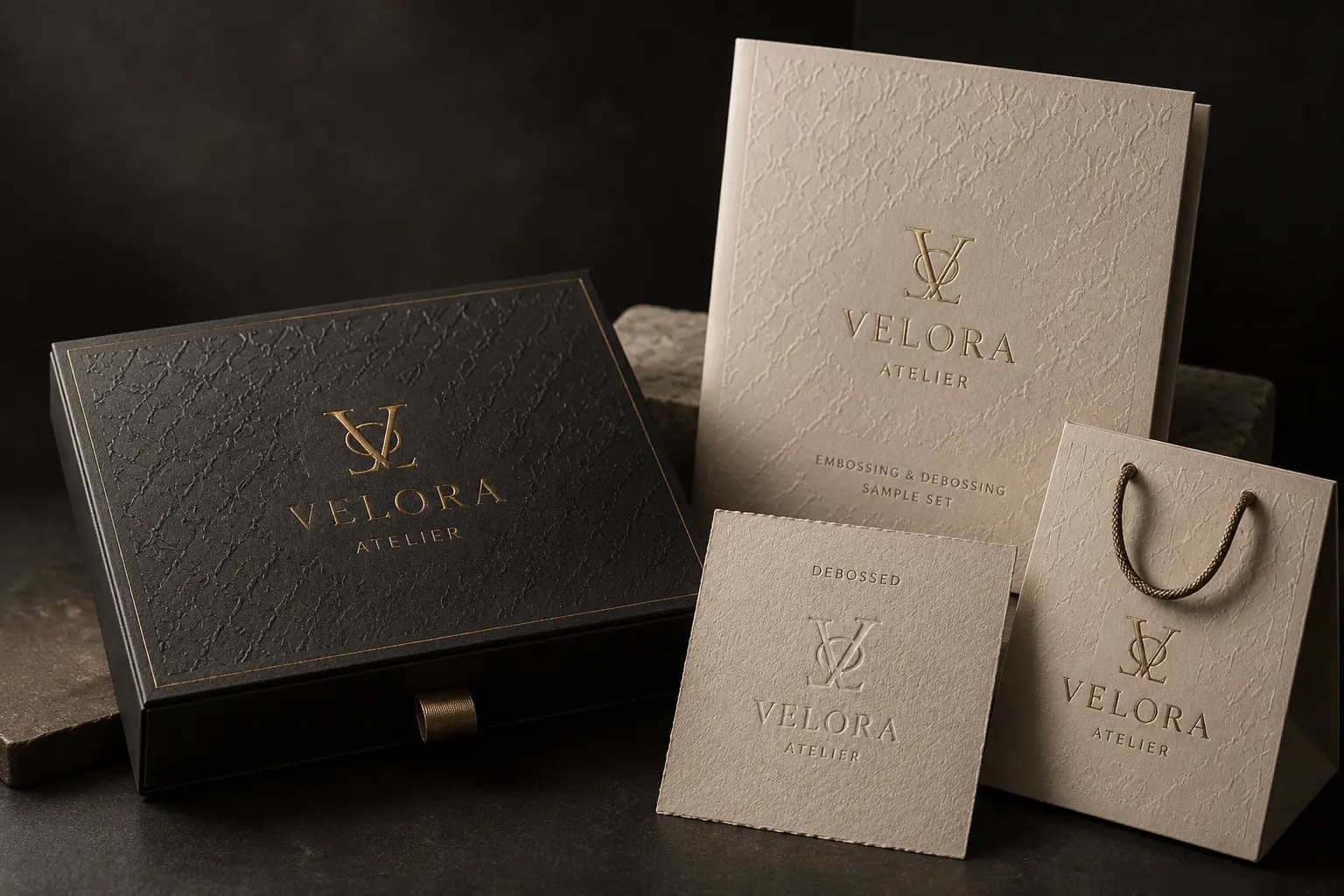
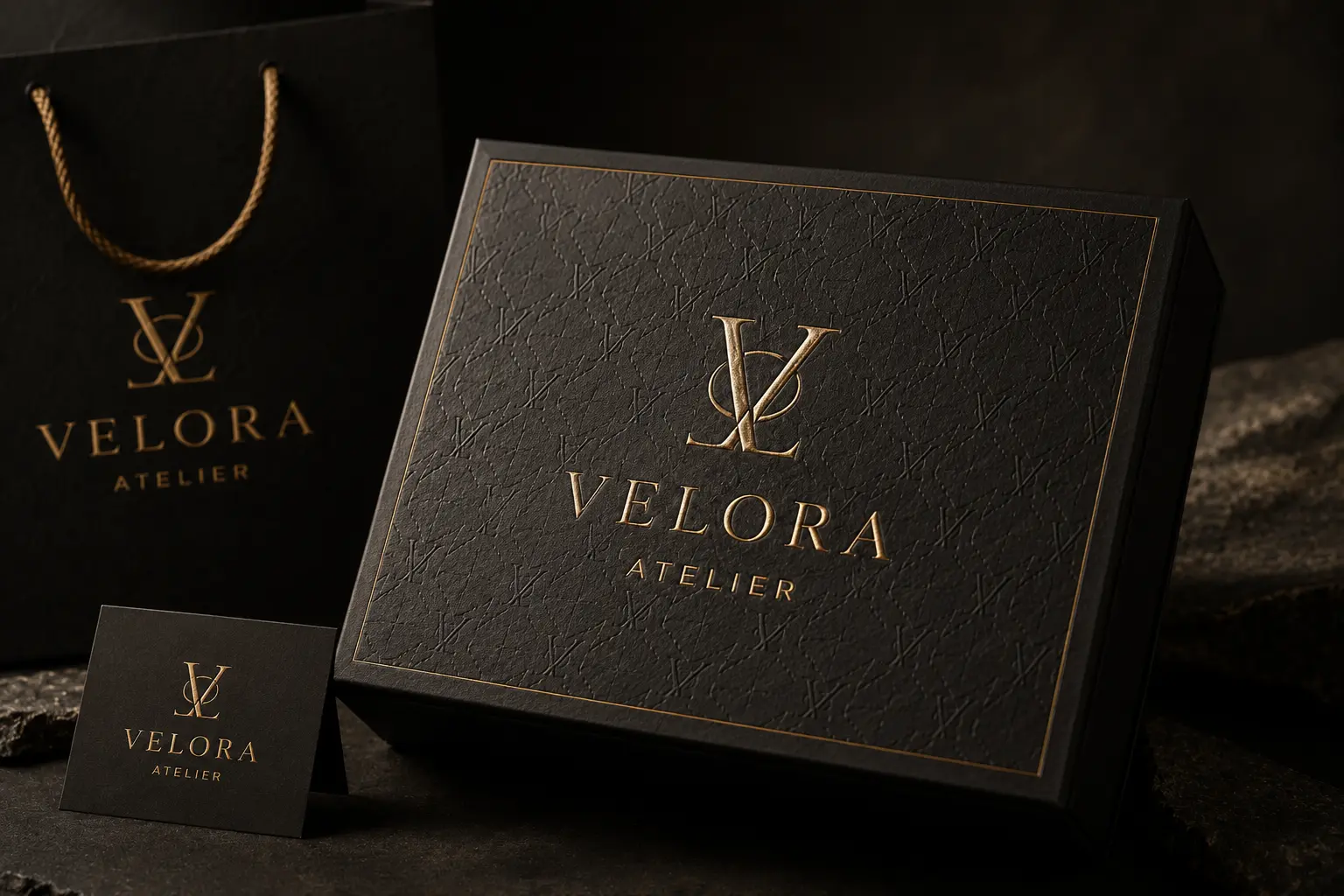
Embossing raises a logo or pattern above the packaging surface, while debossing presses it into the paper.
- ✓ Free Design Support & 3D Mockup
- ✓ Debossed Brand Detail
- ✓ Premium Touch Effect
What Are Embossing and Debossing?
Embossing and debossing add physical depth to custom packaging. Embossing raises a logo, text or pattern above the surface. Debossing presses the design into the paper.
Both methods can create a tactile brand detail when the artwork, material and depth are suitable.
For clean results, review the artwork together with logo printing, foil stamping and the selected packaging material.
- Brand logos and product names
- Decorative patterns and borders
- Gift box details and texture panels
- Jewelry box lids, sleeves and product cards
Embossing vs Debossing
Choose embossing or debossing based on visibility, touch, paper support, logo size and brand style.
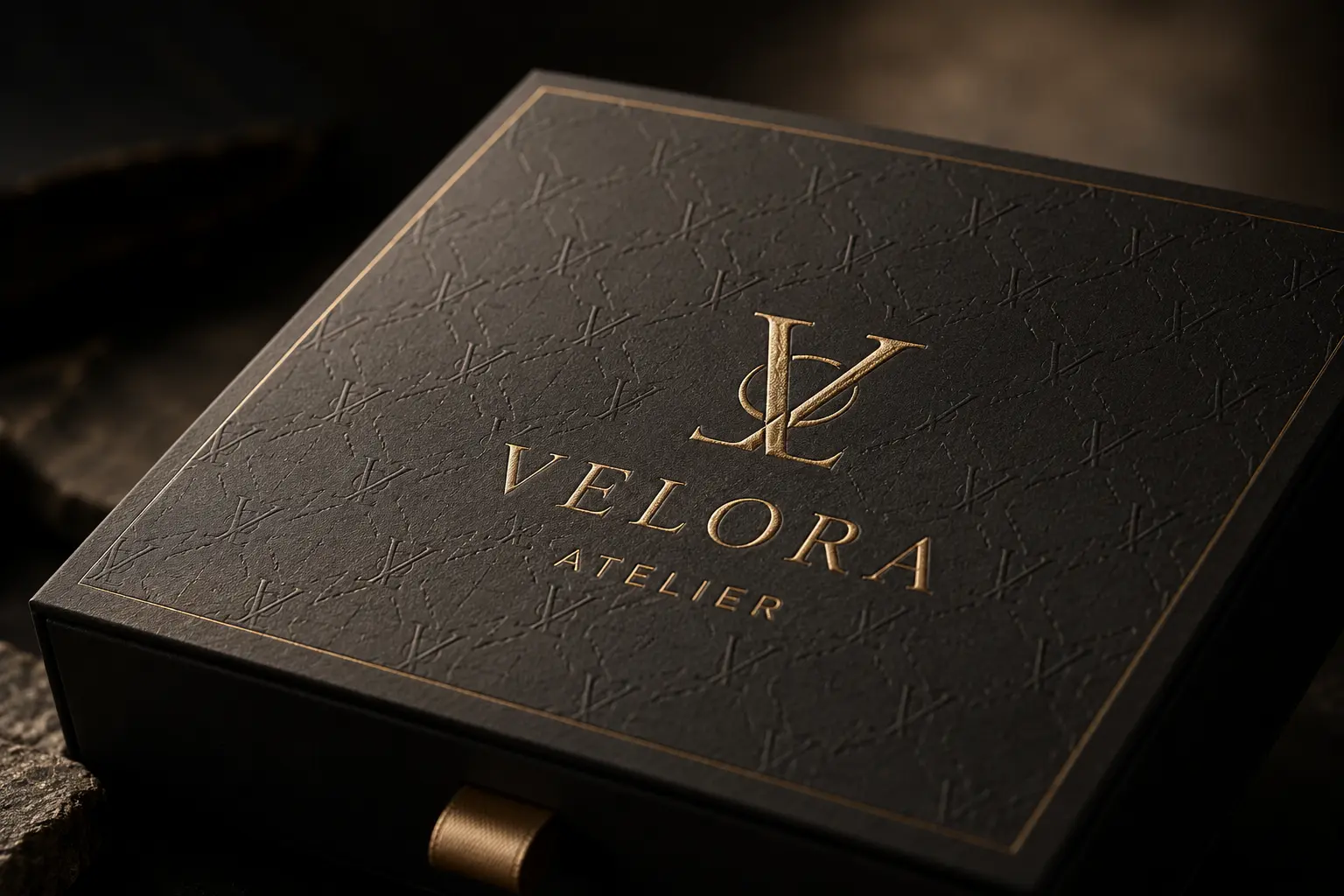
Embossing
- Raises the logo above the surface
- Feels more dimensional
- Can catch light on raised edges
- Works well for visible brand marks
- May be combined with foil or printing
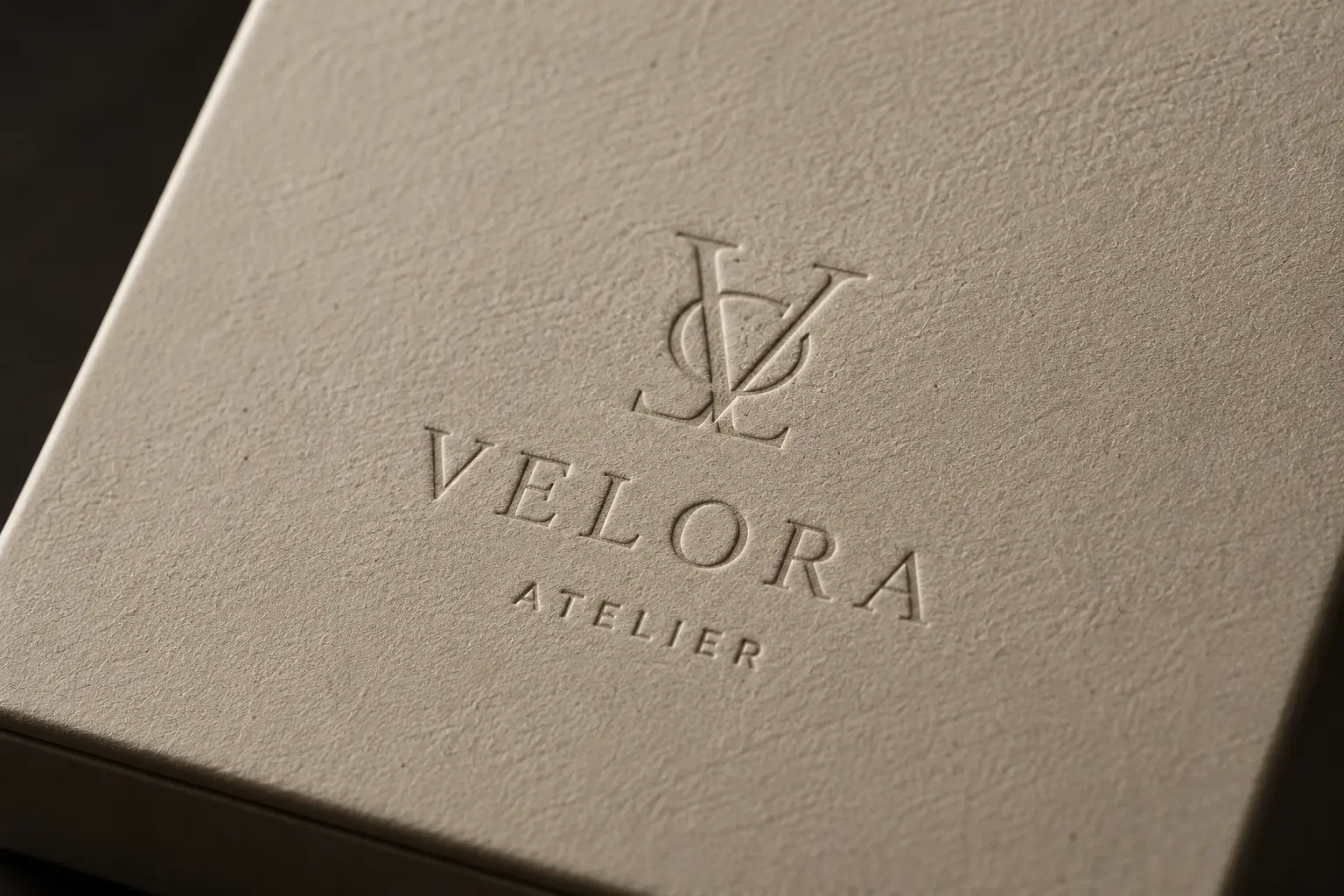
Debossing
- Presses the logo into the surface
- Feels more understated
- Works well for minimal branding
- Can be used without ink or foil
- Often suits thicker or textured papers
Suitable Packaging Types
Embossing and debossing can be used on several packaging formats, but the result depends on paper thickness, backing support and surface area.
Rigid Boxes
Rigid boxes often support embossing or debossing well because the surface paper is wrapped over a firm greyboard base.
Folding Cartons
Folding cartons can use these effects, but board thickness, fold position and panel area should be reviewed.
Paper Bags
Paper bags can use embossing or debossing in some projects, depending on paper weight, surface and bag structure.
Sleeves and Cards
Sleeves, product cards and tags can use raised or pressed effects when the artwork and paper support are suitable.
Paper Thickness, Backing and Surface Choice
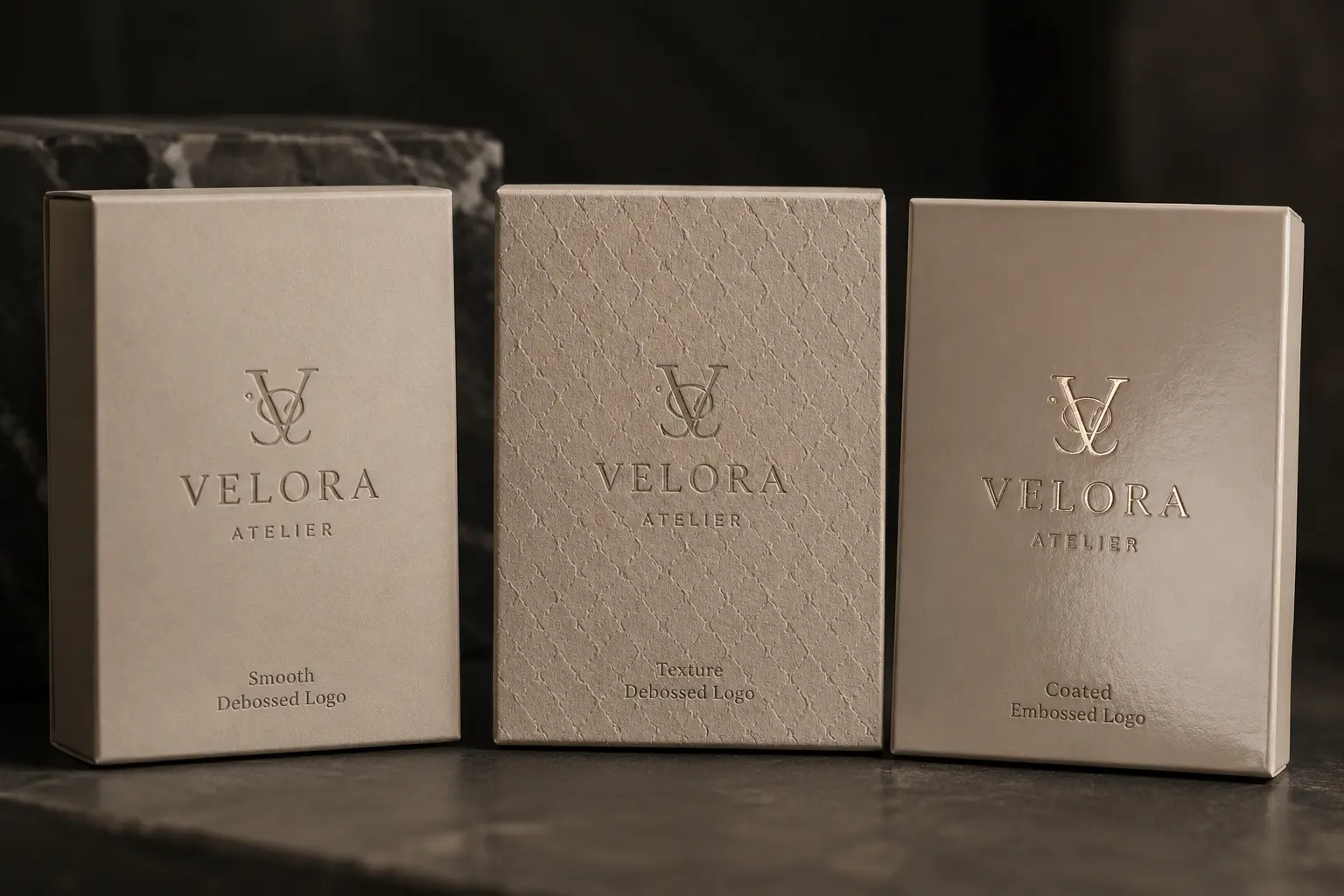
Embossing and debossing depend on pressure. The paper or board must be suitable for the desired depth and artwork shape.
- Paper thickness and paperboard stiffness
- Greyboard backing and surface paper type
- Coated or uncoated finish
- Texture depth and lamination
- Fold position and whether the area is flat
Smooth paper can show cleaner edges. Textured paper can create a tactile result, but very fine details may be less sharp.
Logo Size and Artwork Limits
Embossing and debossing need enough area to show depth. Very small artwork may not create a clear tactile effect.
- Logo size and stroke thickness
- Letter spacing and small text
- Fine lines and detailed icons
- Complex patterns and sharp corners
- Large solid areas and reversed-out details
Depth Control
More depth is not always better. A deeper effect can be more visible and tactile, but it can also create problems if the material or artwork is not suitable.
- Logo visibility and surface smoothness
- Paper stress and backside marks
- Edge definition and cracking risk
- Alignment with print or foil
- Production consistency
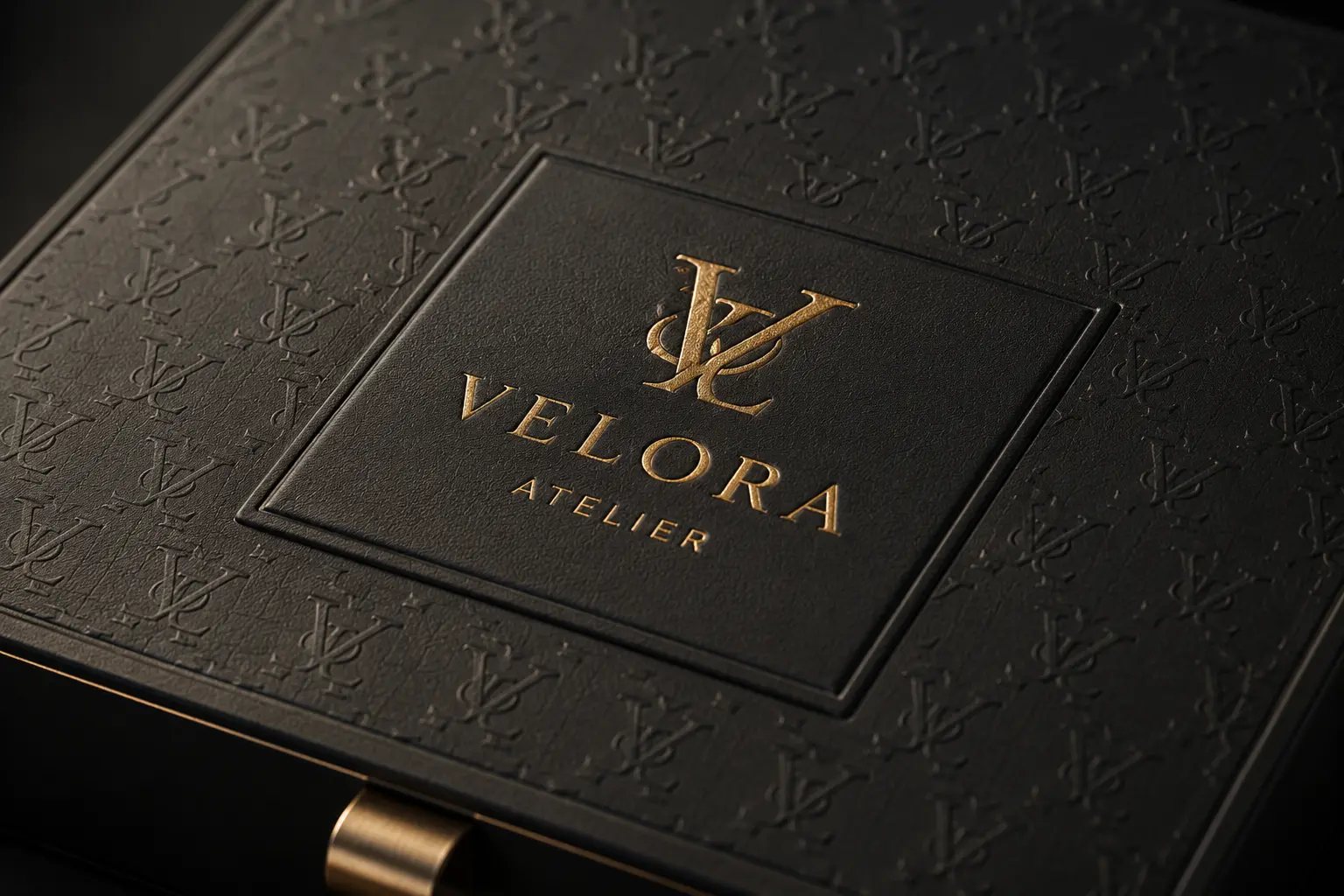
Combining With Foil Stamping
Embossing or debossing can be combined with foil stamping when the brand wants both metallic shine and physical depth.
- Foil stamped logo with embossing
- Foil stamped logo with debossing
- Blind debossed pattern with small foil logo
- Embossed border with foil brand mark
- Foil on a raised logo area
Combination effects need careful alignment. Artwork size, line thickness, paper surface and sample approval become more important.
Applications by Packaging Type
Each packaging structure has different pressure, position and surface checks.
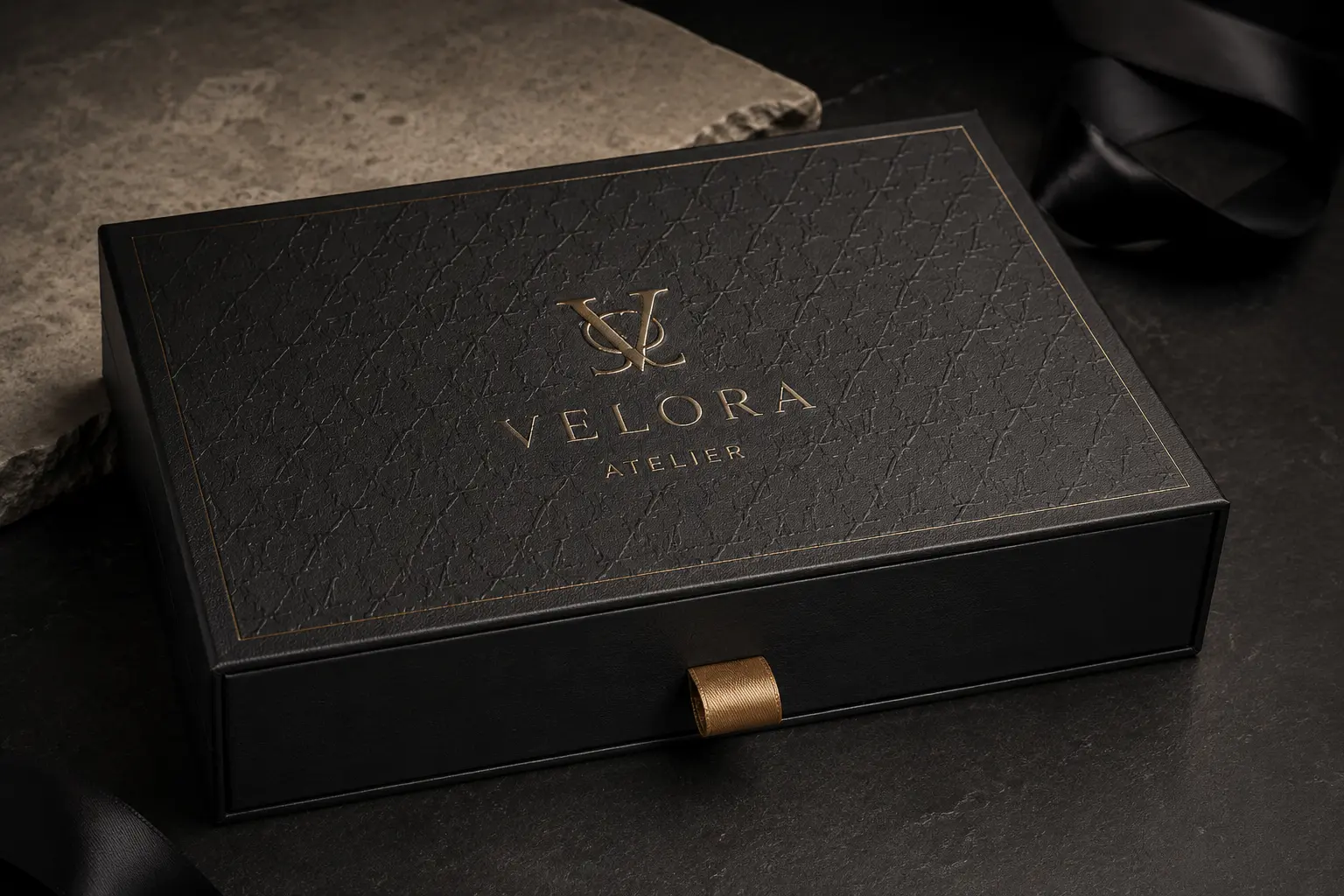
Rigid Boxes
Check lid logo position, greyboard support, wrapped paper thickness, edge distance, depth consistency and alignment with foil or print.
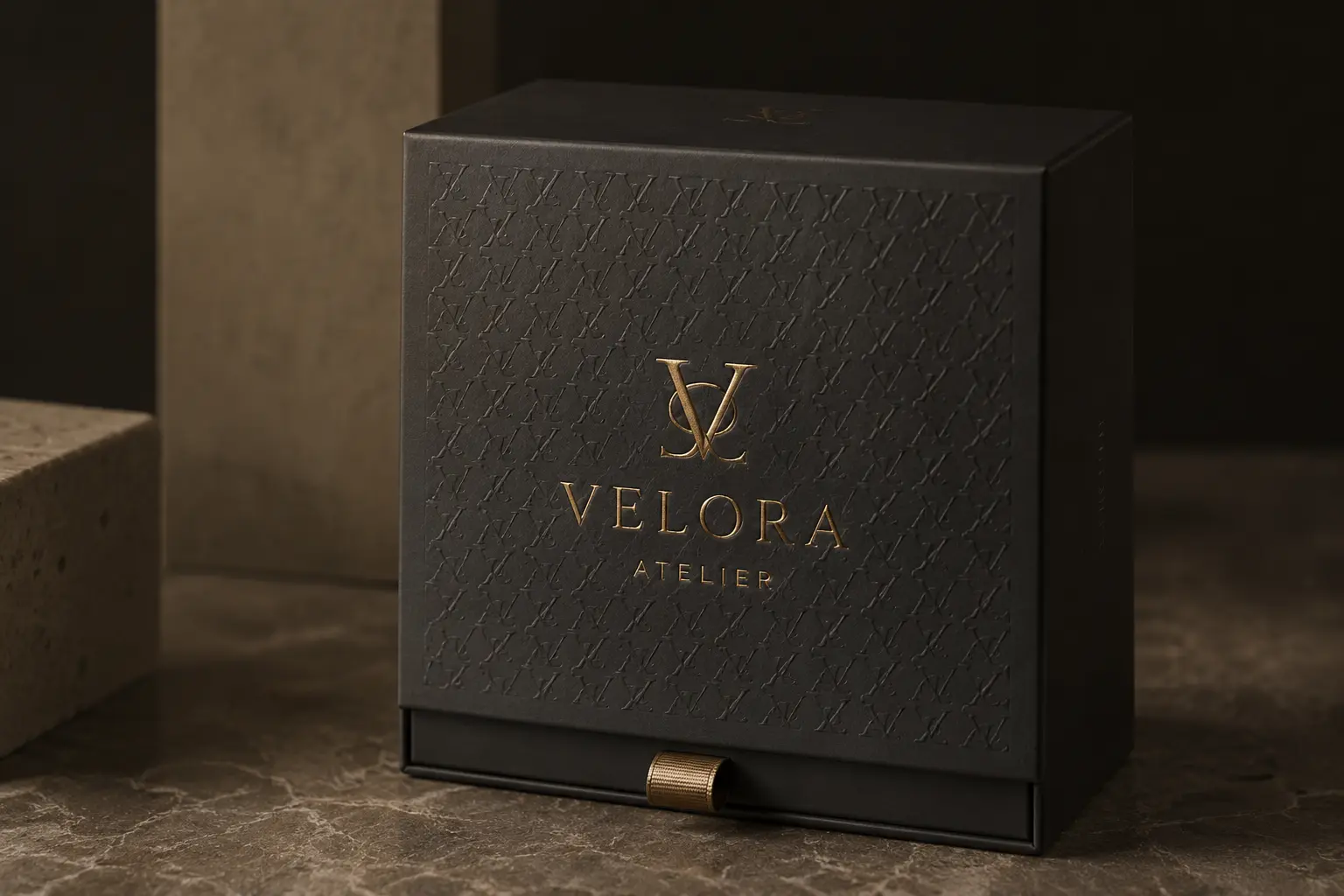
Folding Cartons
Check paperboard thickness, crease distance, panel size, logo size, backside visibility, product contact area and assembly effect.
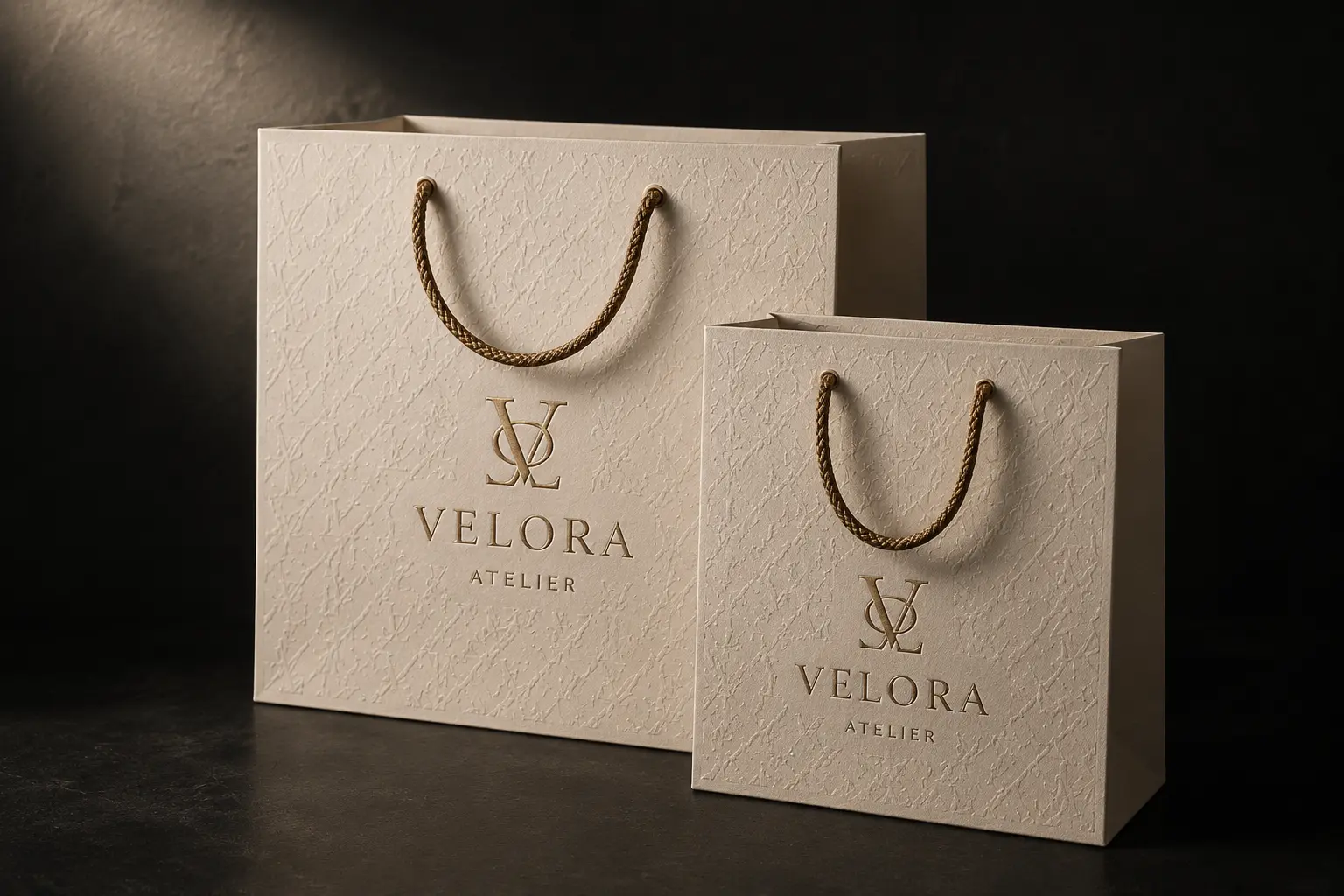
Paper Bags
Check paper weight, front panel support, handle position, side fold position, logo size, surface texture and bag handling.
Cost, Dies and Setup
Embossing and debossing usually require a custom die or plate for the artwork. Cost can depend on size, depth, complexity and whether the effect is combined with another process.
- Die size and artwork complexity
- Embossing or debossing depth
- Number of positions
- Packaging quantity and material selection
- Combination with foil stamping
- Sample requirements and quality control needs
Sample Approval
Embossing and debossing are physical effects. Photos can show some detail, but the real result is easier to judge in hand.
- Depth and logo clarity
- Surface texture and edge definition
- Alignment with print or foil
- Backside marks and paper cracking
- Overall visual balance
Quality Control and Common Problems
Embossing and debossing quality should be checked against the approved sample and project notes.
For premium rigid boxes and small logo surfaces, compare the sample with the broader custom packaging quality control process before approving bulk production.
- Logo position and depth consistency
- Edge clarity and surface damage
- Paper cracking and visible backside marks
- Alignment with artwork or foil
- Missing pressure or over-pressed areas
Common problems include shallow effect, over-deep pressure, fine details disappearing, small text becoming unclear, soft edges and texture hiding the logo.
When It May Not Be Best
Embossing or debossing is not suitable for every project.
- The logo is very detailed
- The text is very small
- The paper is too thin
- The surface is too rough for a clear mark
- The design needs full color
- The panel is too close to a fold
What to Send for Review
- Logo file
- Packaging type and product type
- Quantity
- Preferred paper material
- Desired logo position
- Embossing or debossing preference
- Reference images
- Whether foil stamping is also needed
- Target sample schedule
If you are unsure whether embossing or debossing is better, send the brand style and packaging goal.
Check Embossing Feasibility
Send your logo file, packaging type, quantity, paper material, desired position, embossing or debossing preference and reference images. We can review artwork limits, paper support, depth direction and sample needs.
Send Your Logo FileFrequently Asked Questions
Common questions about embossing, debossing, paper choice, small text, foil combinations and sample approval.