


Custom Packaging Production Process
Custom packaging production starts before printing. Product size, structure, dieline, material, artwork, sample approval, finishing and packing all affect the final box, bag or tube.
- ✓ Free Design Support & 3D Mockup
- ✓ Clear Production Steps
- ✓ Approved Sample Standard
Why the Production Process Matters
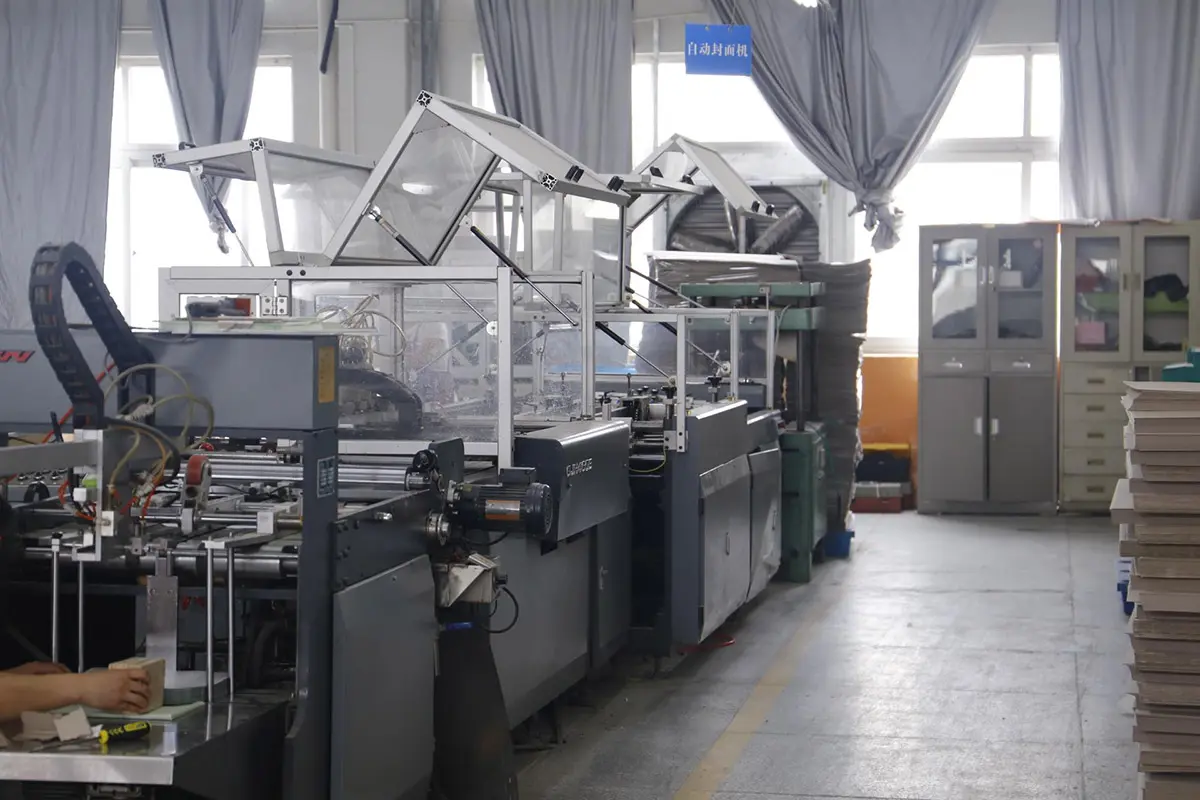
Custom packaging production is a connected process. A finished box, paper bag or tube may look simple, but the result depends on product size, structure, dieline, material, artwork, finishing, sample approval, forming, inspection and packing.
Most packaging problems start before production, not during the last inspection. If the product size is wrong, the insert may not hold the product. If the dieline is unclear, the logo may appear on the wrong panel.
- Wrong box size or product clearance
- Loose insert fit or weak fold lines
- Artwork position errors or color differences
- Foil stamping, spot UV or magnet alignment issues
- Surface marks after forming or packing
From Product Details to Packed Cartons
The process below shows the main confirmation points before a custom packaging order moves into repeatable bulk production.
Project Details
Confirm product photos, size, weight, quantity, use case, destination country and target delivery date.
Box Structure
Choose rigid box, drawer box, folding carton, mailer, paper bag, tube or insert direction.
Dieline
Check cut lines, fold lines, glue areas, bleed, safe logo area, insert slots and panel direction.
Materials
Review greyboard, paperboard, specialty paper, kraft paper, corrugated board and insert materials.
Sample
Make and approve the physical sample before bulk material preparation and production.
Prepress
Check artwork, bleed, fonts, color mode, foil layer, spot UV layer and barcode area.
Printing
Review print position, color reference, ink coverage, logo sharpness and batch consistency.
Assembly
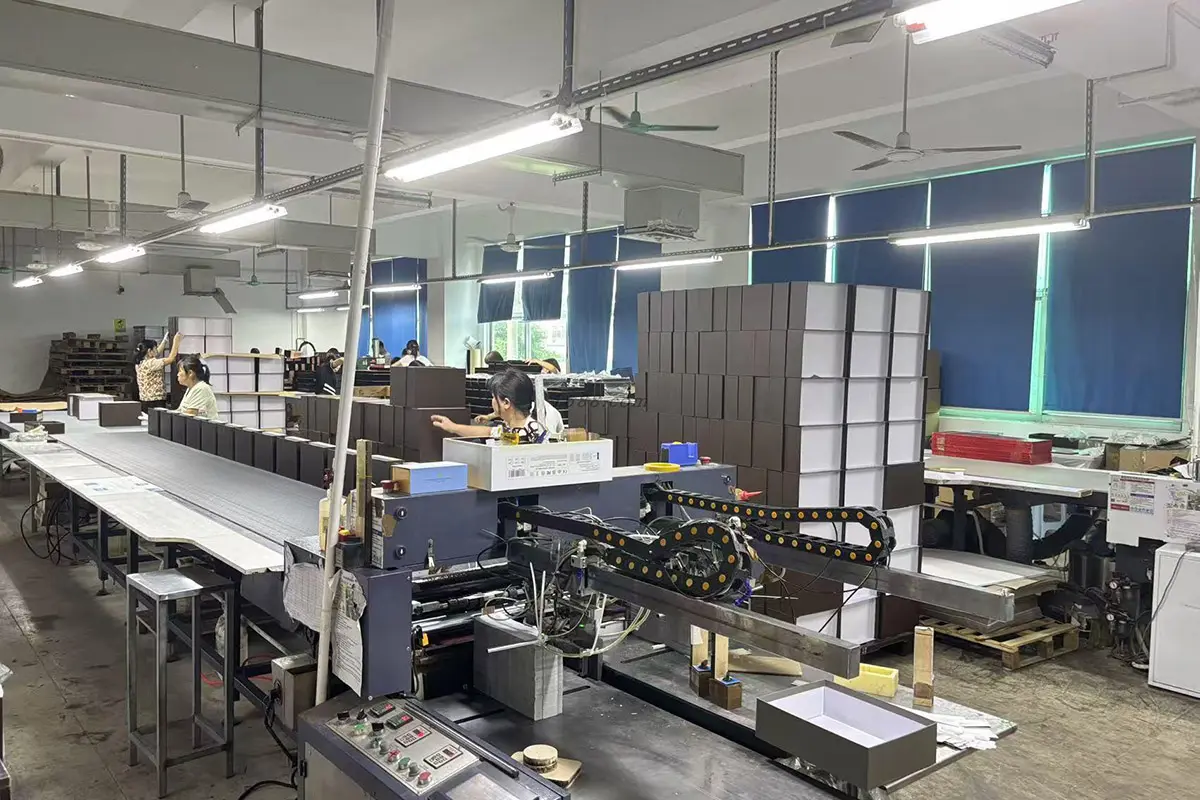
Cut, fold, form, glue, wrap, fit inserts and assemble components according to the approved sample.
Inspection
Check size, surface, logo position, lid fit, drawer movement, insert fit and packing quantity.
Packing
Prepare carton arrangement, surface protection, component count, carton marks and delivery details.
Structure and Dieline Confirmation
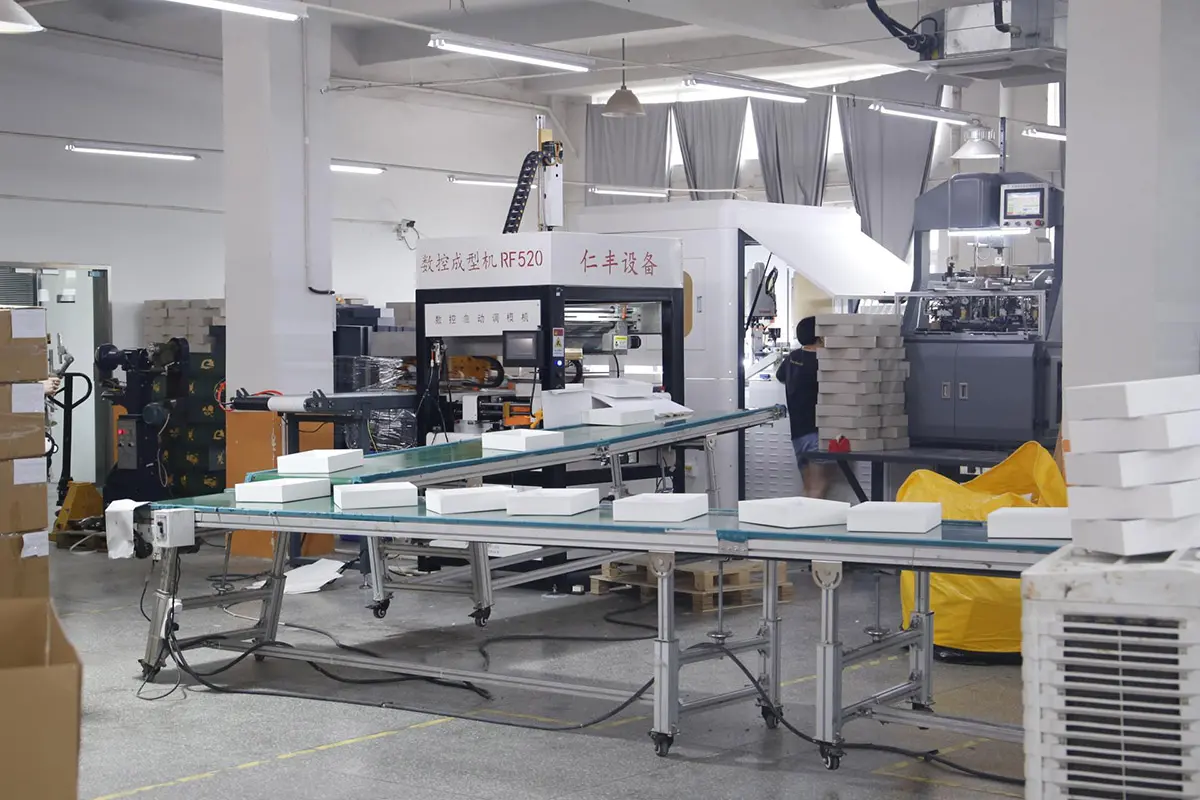
The structure decides how the packaging opens, protects the product, presents the brand and moves through production. The dieline turns that structure into production data.
Structure Checks
Rigid box, drawer box, magnetic box, folding carton, mailer, paper bag, paper tube and insert direction should match product weight and use.
Dieline Checks
Inner size, outer size, cut lines, fold lines, glue areas, bleed, safe logo area, barcode area and insert slots should be confirmed before artwork.
Material, Artwork and Surface Finishing
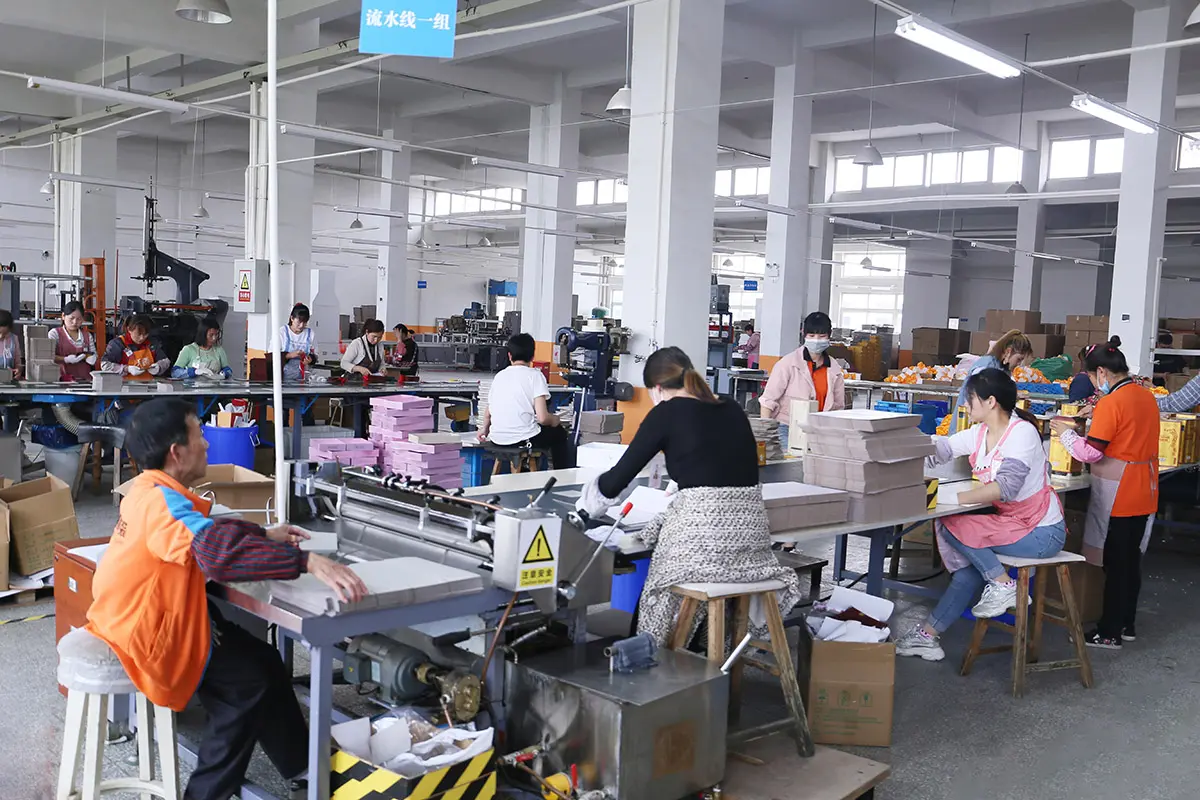
Material and finishing should be chosen together. A paper that looks good in a swatch may behave differently during printing, foil stamping, wrapping or folding.
Fine foil stamping may not work well on every textured paper. Large dark print areas may show surface marks more easily. Clear artwork layers for foil, embossing and spot UV help reduce production confusion.
Cutting, Forming and Assembly by Packaging Type
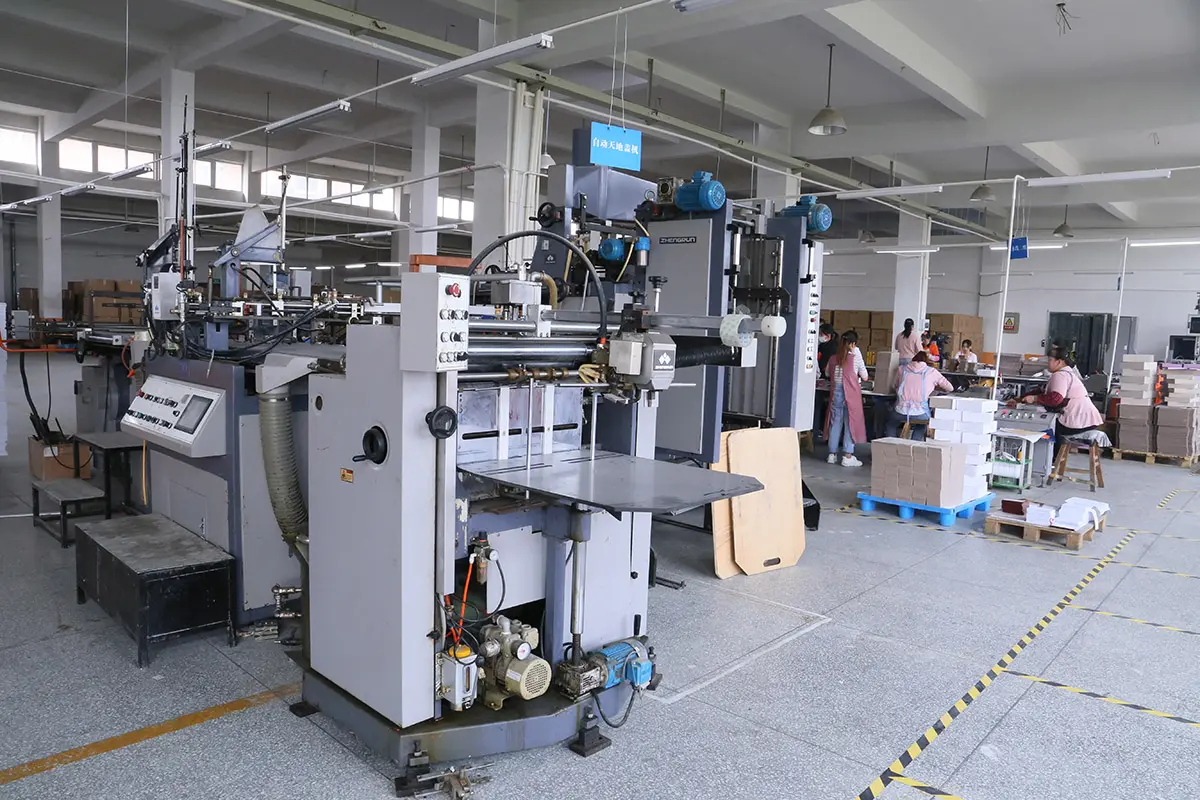
A good print can still fail if the forming stage is inaccurate. Lid gap, fold line, glue area, drawer sliding and handle fixing should be checked during production.
Rigid Boxes
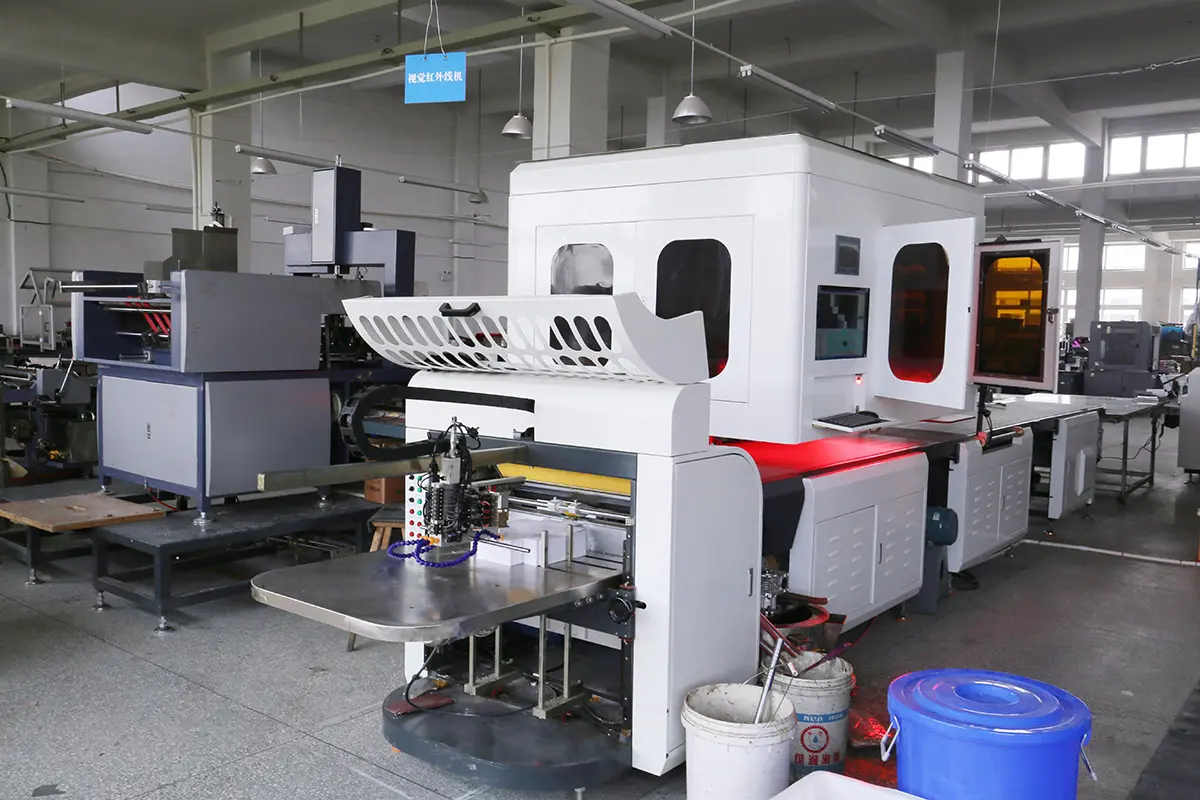
Greyboard cutting, paper mounting, box forming, corner wrapping, lid and base fitting, drawer tray assembly and magnetic closure assembly if needed.
Cartons and Mailers
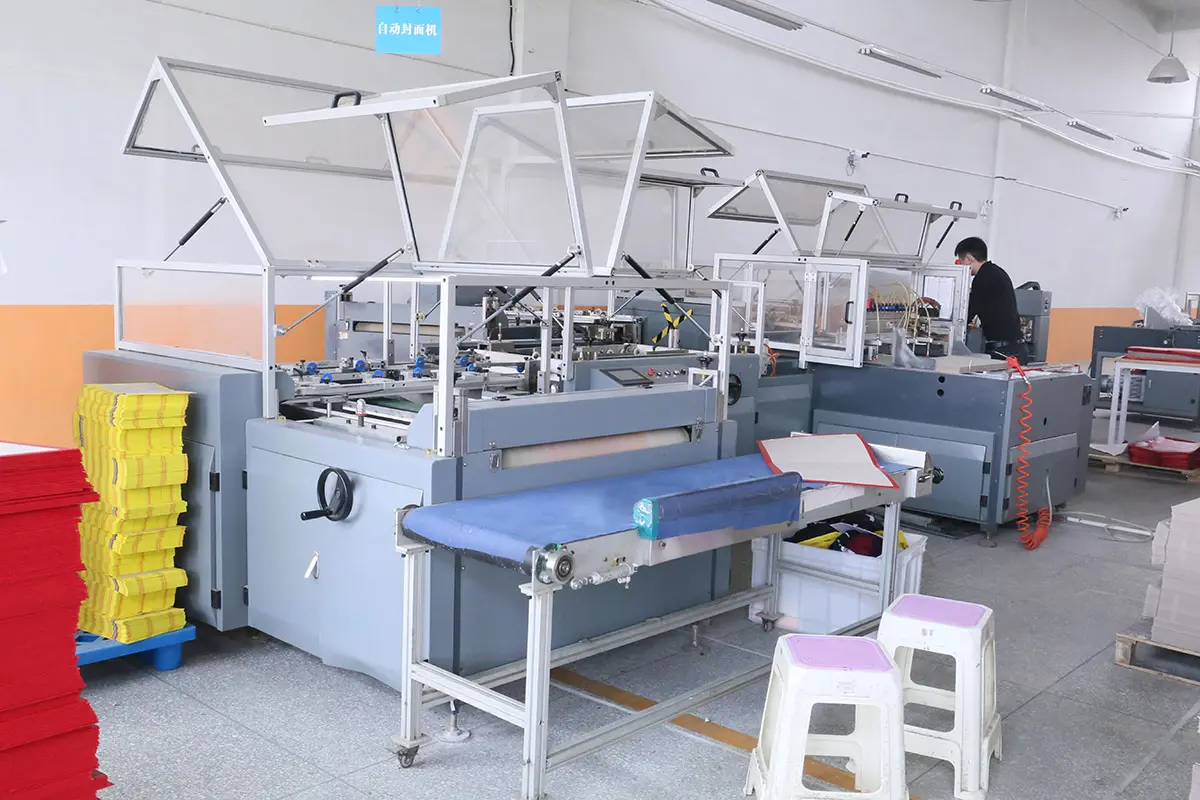
Die-cutting, creasing, folding, gluing, tuck tab checking, flat packing or forming according to the confirmed dieline.
Bags, Tubes and Inserts
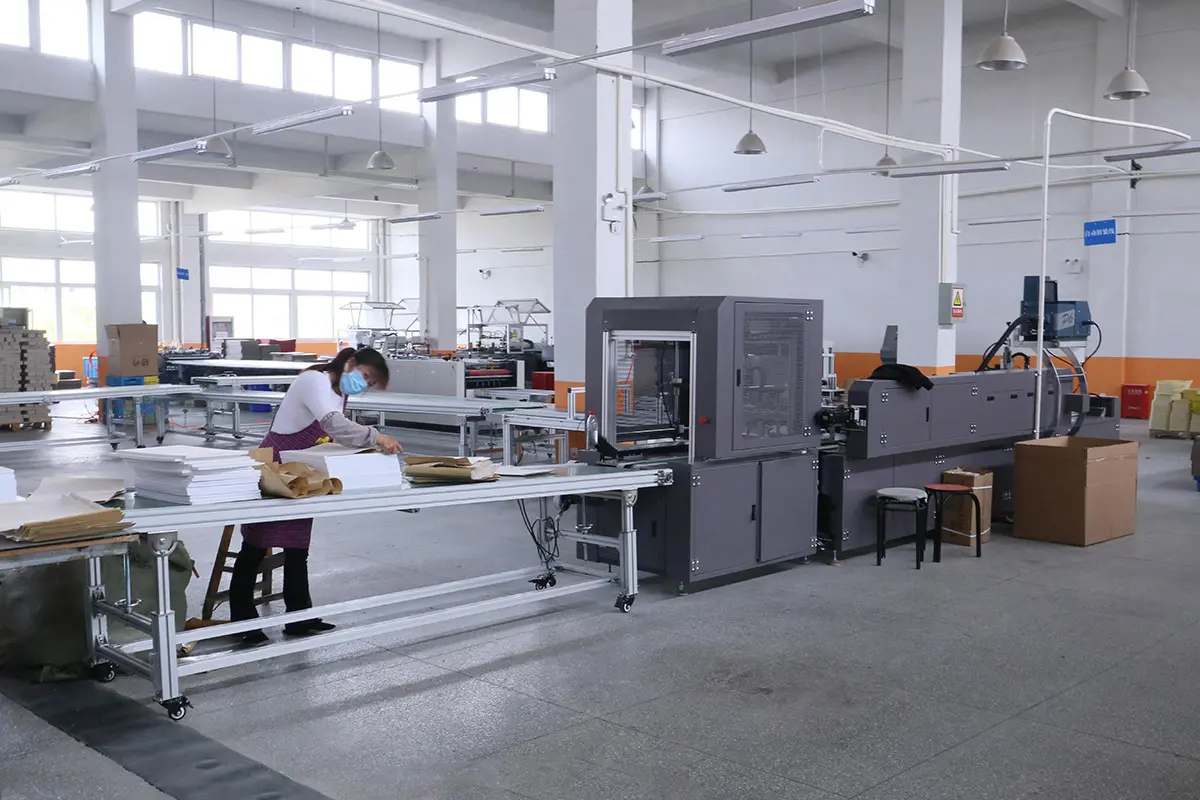
Handle fixing, bottom forming, tube diameter control, lid fitting, insert cutting, product-fit tests and matching component checks.
Sample Approval Before Bulk Production
The sample is the bridge between design and bulk production. It helps confirm whether the structure, material, logo position, finishing effect and product fit work in real life.
- Product fit inside the box or insert
- Lid fit, drawer sliding or magnetic closure
- Insert height, side gap and opening feel
- Logo position after forming
- Surface paper, print effect and finishing position
In-Process Checks and Final Inspection
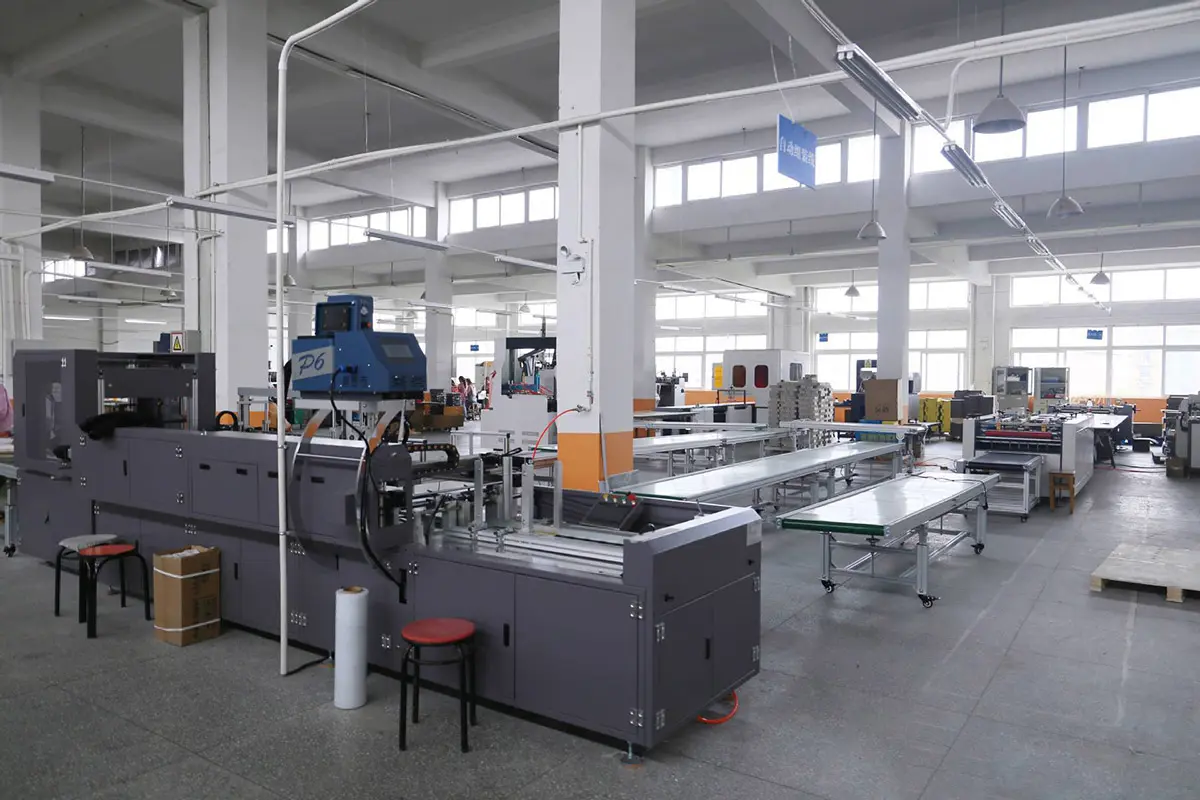
Quality control is not only the final step. Some issues need to be checked during printing, finishing, forming and assembly.
In-Process Checks
Printed sheet color, foil registration, paper mounting alignment, glue position, lid fit, drawer movement, magnet strength and insert size.
Final Inspection
Finished size, surface marks, logo position, color consistency, glue marks, component count, packing quantity and carton marks.
Packing and Delivery Preparation
Finished packaging still needs protection before shipment. Poor packing can damage boxes, bags or tubes even if production is correct.
- Counting finished pieces and separating components when needed
- Protecting visible surfaces and rigid box corners
- Checking paper bag bundles, handles and accessory quantities
- Adding carton marks and preparing shipment information
- Reviewing carton arrangement for special surface finishing
For gift sets, packing lists help make sure each box, insert, card, paper bag or accessory reaches the buyer correctly.
What Buyers Should Confirm Before Bulk Production
Before bulk production starts, the approval should be clear and practical. If the product is still changing, the packaging should not be rushed into bulk production.
Send Your Packaging DetailsProduct and Structure
Final product dimensions, box structure, dieline approval, insert design and sample approval.
Production Details
Material selection, artwork files, logo finishing, quantity, packing method, delivery country and required documents.
Common Production Risks
The best way to reduce these risks is to confirm structure, sample and artwork before production, then check important details during each production stage.
Product Fit
Product size is measured incorrectly, insert height is too low or high, or the finished product moves inside the box.
Artwork Position
Artwork appears on the wrong panel, logo is too small for foil stamping, or safe area is not respected.
Structure Feel
Magnetic flap does not close smoothly, drawer tray is too tight or loose, or carton crease is too shallow.
Packing Risk
Paper bag handles, special surfaces, tube lids or loose components are not arranged safely before shipment.
How LuxoPacks Supports the Process
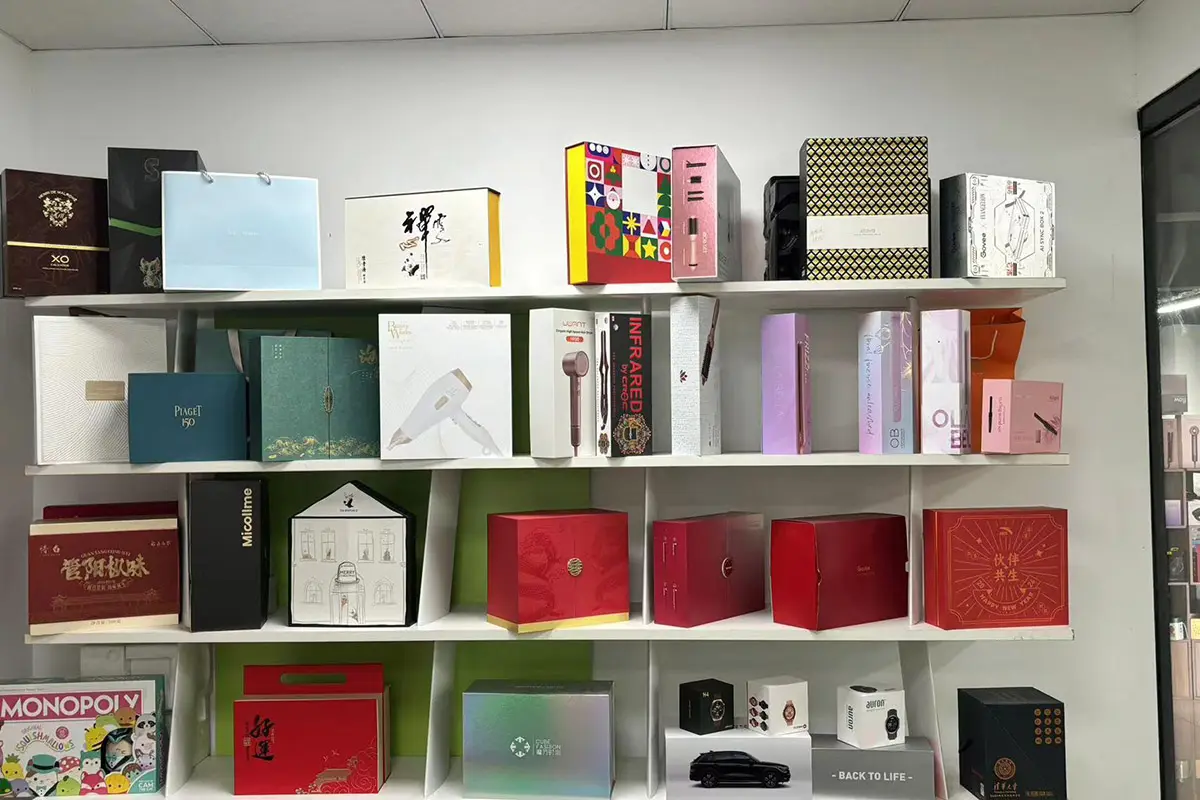
LuxoPacks supports custom paper packaging projects by connecting buyer requirements with practical production steps.
- Structure discussion and dieline preparation or review
- Material suggestions and finishing feasibility review
- Sample making and product fit checking
- Bulk production coordination and in-process checks
- Final inspection, packing discussion and delivery preparation
The buyer provides product details and approval decisions. The factory helps turn those decisions into packaging that can be sampled, produced and packed consistently.
Start With a Production Plan
Send your product photos, size, weight, quantity, packaging reference, artwork and target delivery date. We can review the structure, sample path, material direction and production steps before quoting.
Send Your Packaging DetailsFrequently Asked Questions
Common questions about custom packaging production, dielines, samples, timing and production planning.