
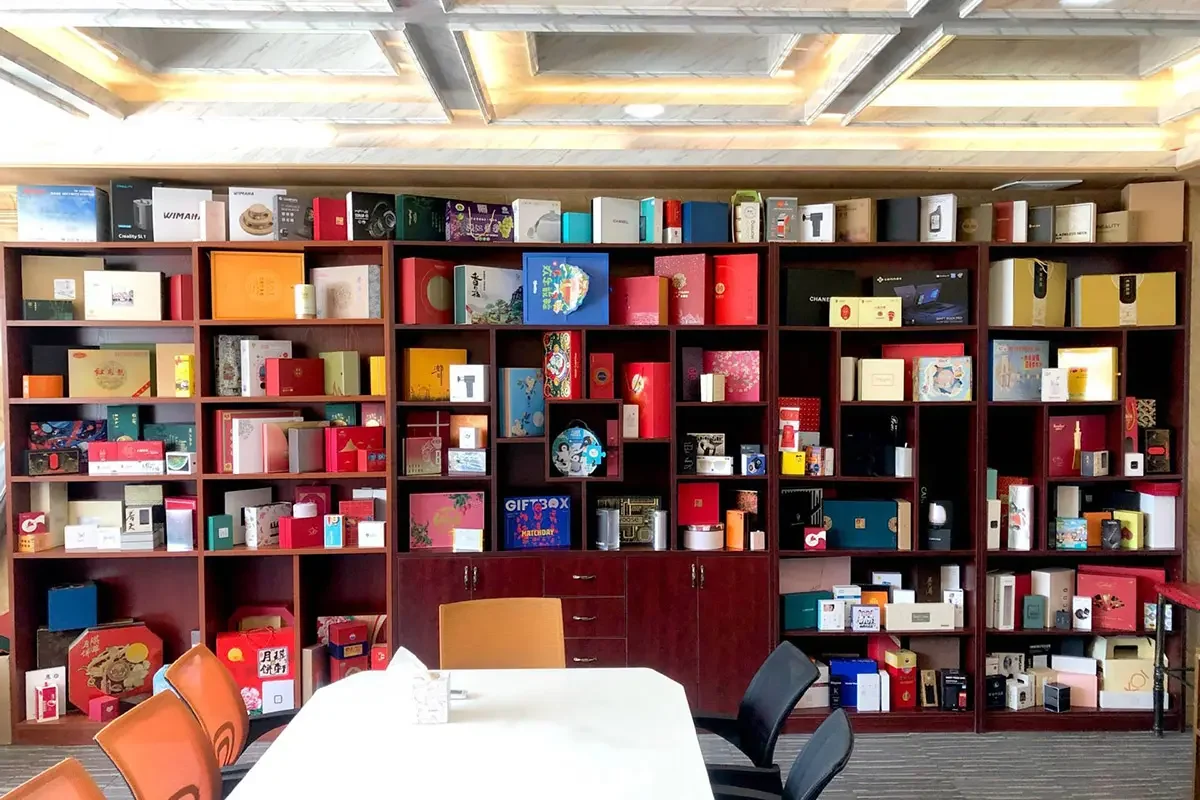
Custom Packaging Sampling Process
Choose a sample for the decision you need to make. A structural prototype can establish geometry and opening, while colour, texture and decoration need the proposed materials and process represented. Record any substitutions, test the pack with the intended contents and approve an identified final revision before releasing bulk production.
- ✓ Free Design Support & 3D Mockup
- ✓ Fit & Finish Review
- ✓ Sample Approval Reference
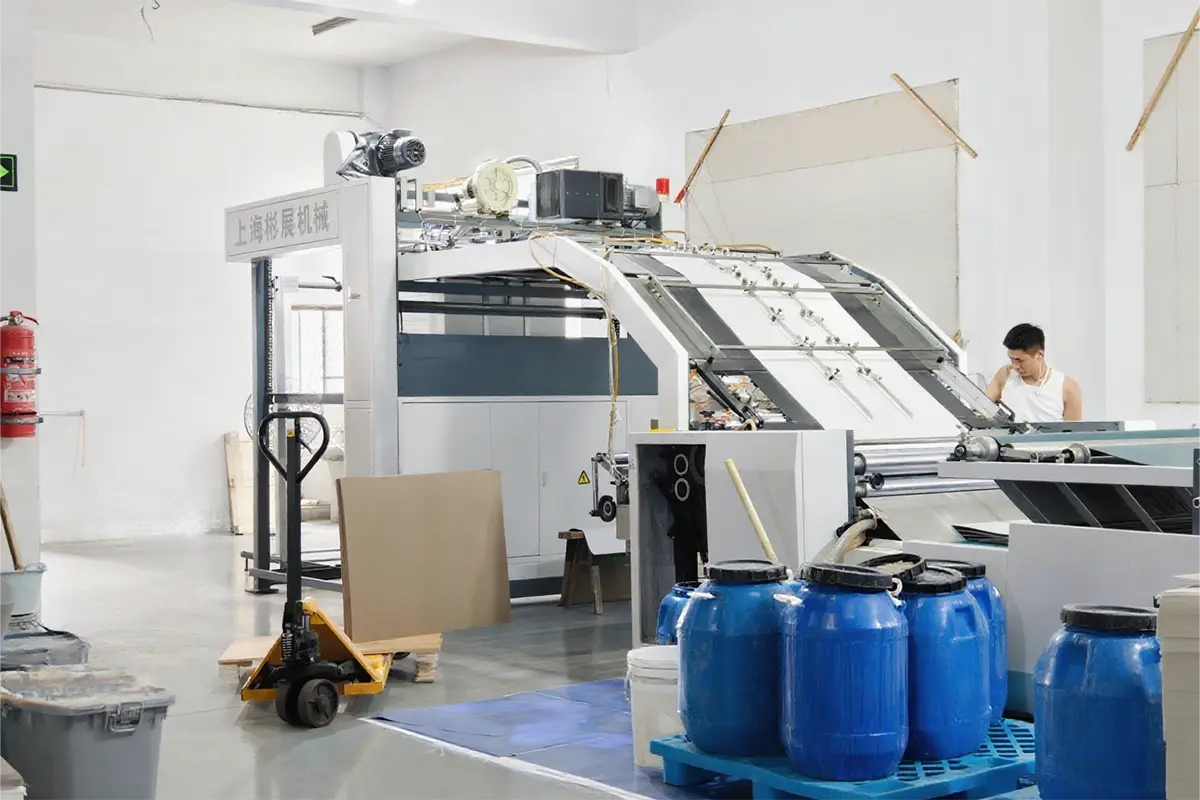
Why Sampling Matters Before Bulk Production
Write the questions the sample must answer before it is made: does the product clear the lid, does the insert restrain it, can it be removed safely, and is the finish represented accurately? This prevents a visually pleasing mockup from being treated as evidence for a material or functional detail it does not contain.
A sample is most useful when the buyer and factory agree its scope. Ask which parts use production-intended materials and which are provisional. If a later change affects fit, paper or process, review that point again rather than carrying forward approval of an earlier configuration.
- Whether the product fits correctly
- Whether the box is too large or too tight
- Whether the lid opens smoothly
- Whether a drawer slides with the right gap
- Whether the magnetic closure aligns correctly
- Whether the insert holds the product without too much movement
- Whether the logo position looks balanced after forming
- Whether the paper thickness feels suitable
- Whether foil stamping, embossing or spot UV is positioned correctly
- Whether the paper bag fits the box or gift set
What to Send Before Requesting a Sample
Send packed product dimensions and weight, including caps, accessories and fragile projections. Identify sensitive surfaces and the intended shipping arrangement. For a multi-item set, provide every item and its placement requirement; a photo of the main product cannot validate the full insert.
Send Packaging DetailsProduct Details
Provide the product in the condition it will be sold: all components, closures, labels and accessories included. If the physical item is unavailable, identify which dimensions or weight are estimates and agree how those assumptions will be verified before final approval.
Packaging Direction
Target packaging type, retail, gift, shipping, display or event use, insert requirement and reference packaging photos.
Brand Files
Logo file or artwork file, material preference if known and finishing request such as foil stamping, embossing or spot UV.
Risk Notes
Tell us early if the item is fragile, heavy, glass, multi-part, has a special surface or needs careful product-fit testing.
Sampling Steps Before Production
The sample should be based on how the package will actually be used. A structure that looks good in a reference photo may not work for a heavy product, fragile bottle or multi-item gift set.
Confirm the Packaging Structure
Rigid boxes, magnetic closure boxes, drawer boxes, lid and base boxes, folding cartons, mailer boxes, corrugated boxes, paper bags, paper tubes and inserts solve different packaging problems.
Confirm Size and Dieline
Size and dieline points may include inner dimensions, outer dimensions, product clearance, fold lines, glue areas, insert position, opening direction, safe area and bleed area.
Choose Material and Finish
Material decisions may include greyboard, paperboard, corrugated board, kraft paper, specialty paper, insert material, lamination, foil stamping, embossing, debossing or spot UV.
Make the Right Sample Type
Not every project needs the same sample. The right sample type depends on whether the buyer needs to confirm structure, print, insert fit or a full packaging set.
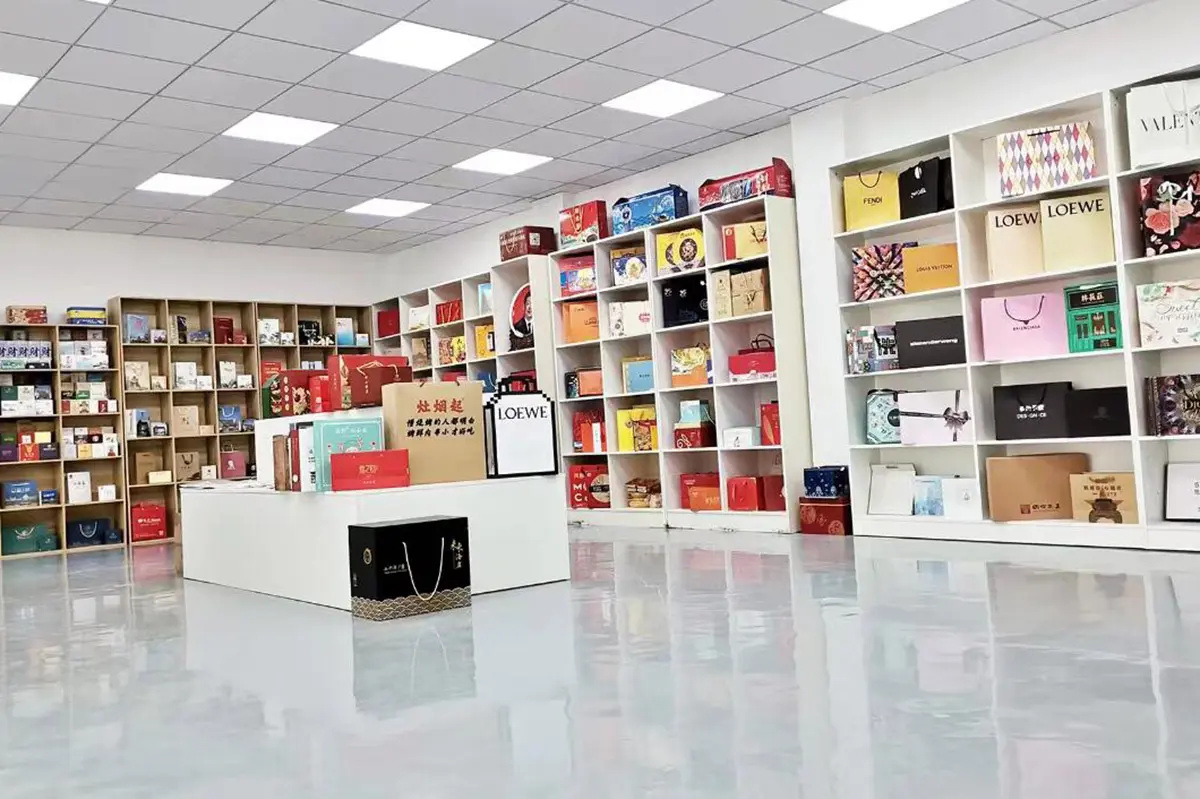
Make the Right Sample Type
A blank structure sample can often be faster than a fully printed and finished sample. A gift box with special paper, foil stamping, embossing, insert and matching paper bag may need more time.
If the exact bulk material is available, the sample can be closer to the final order. If a substitute material is used for speed or availability, the difference should be explained before approval.
Structure Sample
Used to confirm size, shape, opening, closing, product fit, lid tightness, drawer sliding, magnetic closure position, insert layout, mailer assembly, paper bag size or paper tube diameter.
Printed Sample
Used to review artwork placement, main color direction, logo scale, text readability, foil stamping, embossing, debossing, spot UV alignment, surface finish and overall packaging presentation.
Insert Sample
Used to check cavity size, product movement, product height, side gap, display angle, removal space, material thickness and whether the insert blocks lid closure.
Paper Bag Sample
Used to check bag size, box fit, bottom width, handle length, handle fixing method, logo position, paper weight, side fold alignment and surface finish.
What Buyers Should Check on the Sample
When the sample arrives, review it with the real product whenever possible. Photos and written notes help when asking for revisions.
- Does the product fit correctly?
- Is there too much movement inside?
- Is the box easy to open and close?
- Does the lid feel too tight or too loose?
- Does the drawer slide smoothly?
- Does the magnetic flap close correctly?
- Is the logo position correct after forming?
- Is the printed text readable?
- Does the insert hold the product without blocking removal?
- Does the paper bag fit the box or gift set?
When something is not right, mark the exact issue. “Move the logo 5 mm lower” is more useful than “the logo looks wrong.”
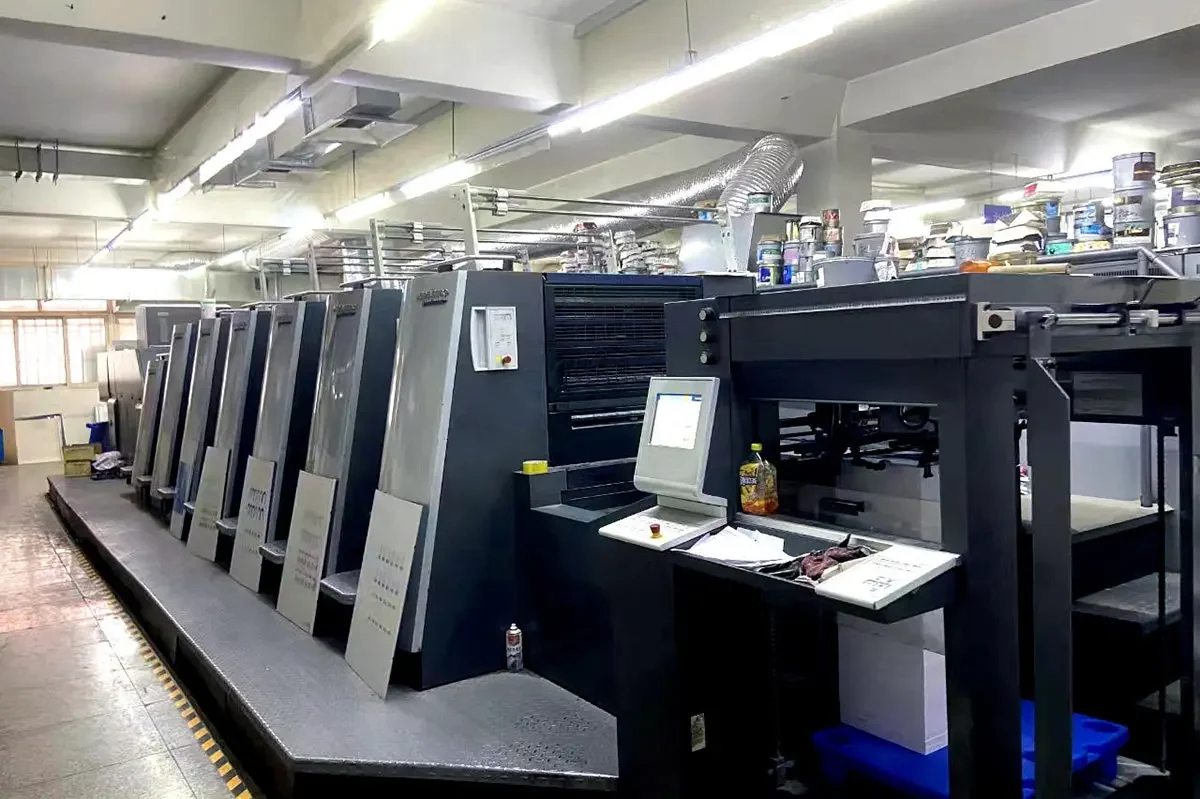
How Sample Revisions Work
Sample revisions are normal in custom packaging. The important part is to identify what needs to change and whether the change affects cost, timeline or production method.
Size and Clearance
Adjusting inner size, product clearance, insert gap, insert height or product removal space.
Opening and Closure
Improving lid tightness, drawer movement, magnetic closure alignment or paper bag size.
Brand and Finish
Moving logo position, changing paper thickness, changing surface paper or adjusting foil stamping size and position.
Sample Approval Before Bulk Production
Sample approval means the buyer confirms that the structure, size, material, artwork and key details are ready for bulk production.
If there are small accepted issues or planned changes for bulk production, write them clearly. Approval should not depend only on memory or informal comments.
View Production ProcessConfirm Before Approval
Final structure, final size, final material, final artwork, logo and finishing position, insert fit, opening and closing feel, paper bag or accessory pairing and packing method.
Reference for Bulk
After approval, the sample can become a reference for size comparison, color direction, surface finish, logo placement, opening feel, insert fit, paper bag fit and packing arrangement.
Sample Lead Time and What Can Affect It
Custom packaging samples are usually finished in 3-5 days after the structure and artwork are confirmed. The timing can change based on the box type, material availability, printing method, finishing complexity and insert complexity.
- Paper bag or accessory requirements
- Number of sample versions
- Product fit testing
- Whether the buyer needs a blank structure sample or a fully printed sample
- Complex structures, special materials, multiple finishing methods or repeated revisions
Sampling reduces risk only when the starting information is accurate. Product size, product weight, logo position, insert removal space and launch deadline should be shared before the sample starts.
How Sampling Connects to Production and Quality Control
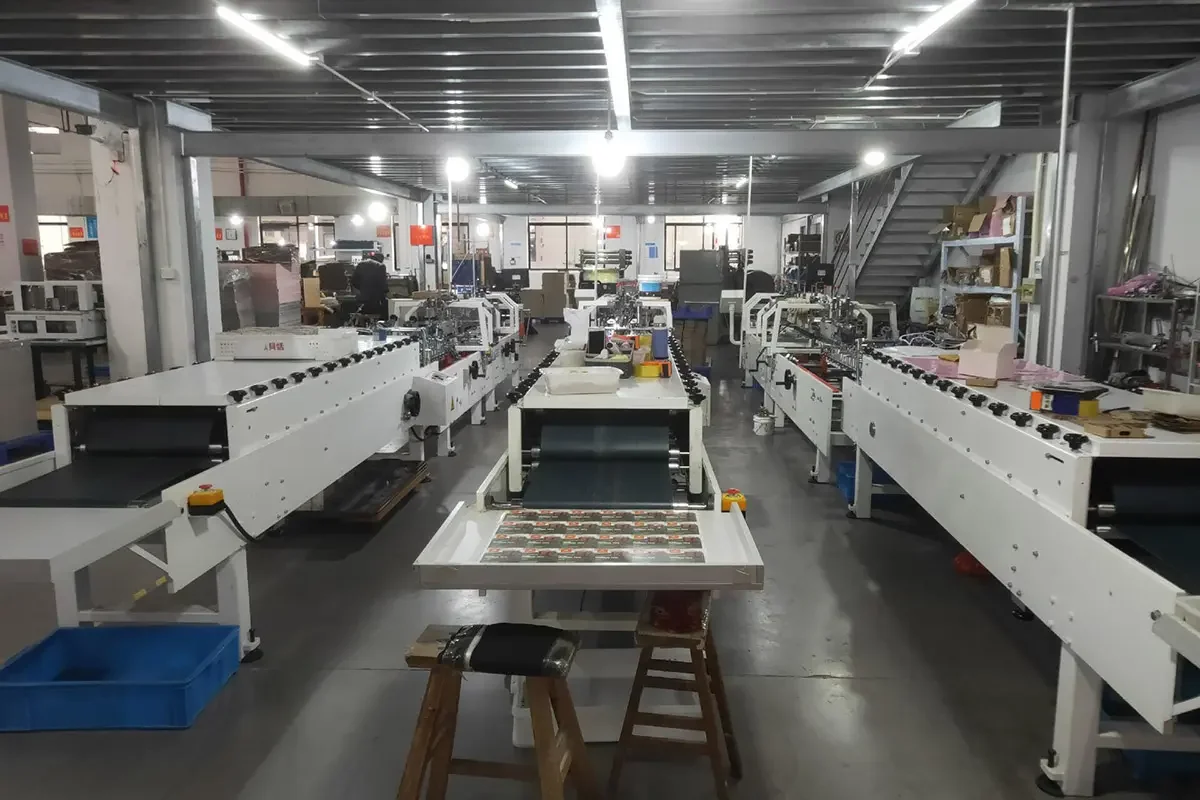
The sampling page focuses on pre-production confirmation. After the sample is approved, the project can move into bulk material preparation, printing, finishing, forming, inspection and packing.
Sampling
Defines the physical reference before bulk production, including size, structure, material direction, artwork and insert fit.
Sampling ProcessProduction
Explains the full manufacturing flow after approval, including material preparation, printing, finishing, forming and packing.
Production ProcessQuality Control
Explains how finished packaging is checked against the approved sample, order details and pre-shipment requirements.
Quality ControlReady to Create Your Custom Packaging?
Send your product photos, size, quantity, box type, logo artwork, material request, and target delivery date. We will help review the details before quoting.
Get a Packaging QuoteFrequently Asked Questions
Answers about custom packaging samples, sample lead time, printed samples, revisions and bulk production approval.