Psychology
📅 May 22, 2026
It's not just the materials; it's the psychology of weight, resistance, and slow reveal.
The "Slow Reveal" Effect
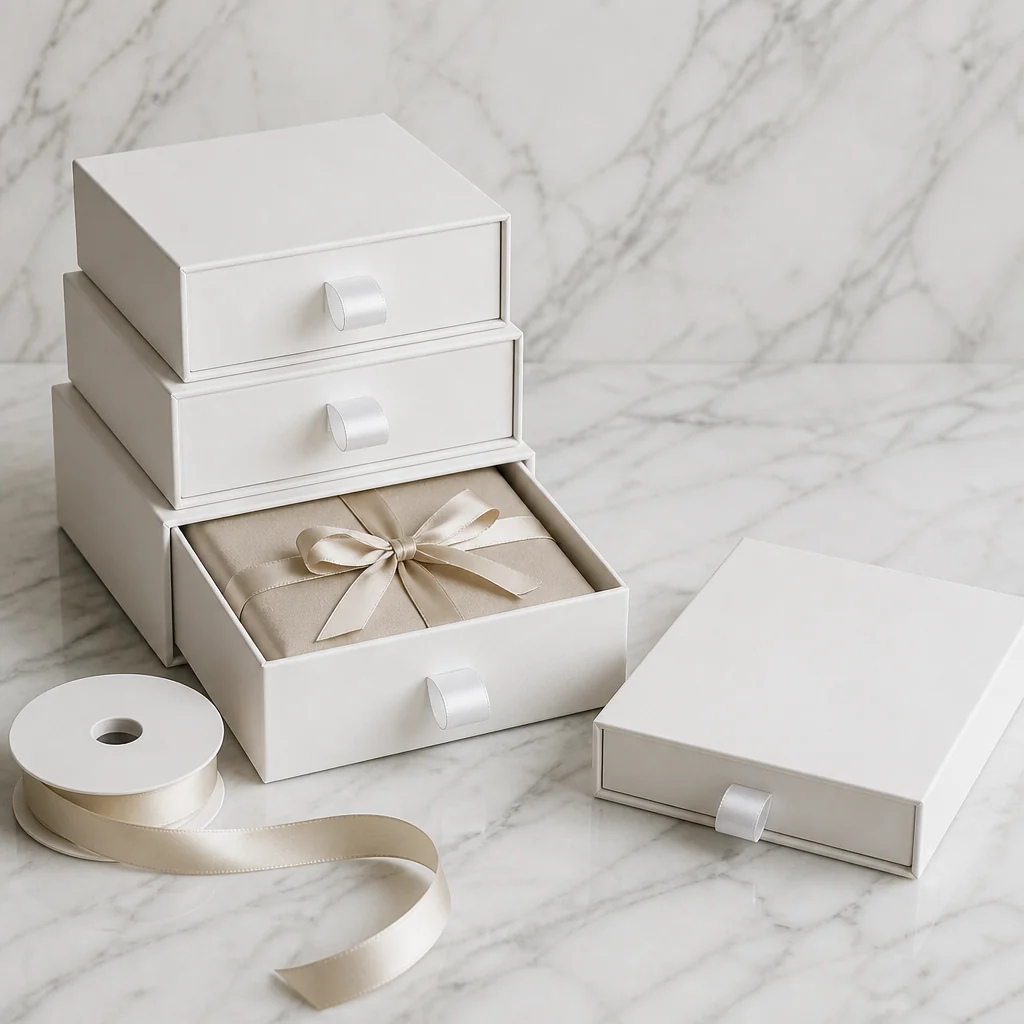
A controlled opening can create a deliberate reveal, but slower is not automatically better. If friction makes a lid difficult to remove or causes the customer to tip the contents, the added effort works against the intended presentation. Test the action with the loaded product.
Tactile Confirmation
Treat weight and texture as design signals to evaluate, not proof of a higher acceptable price. A substantial shell can feel appropriate while a poorly fitted insert undermines the experience. Compare the handling of the complete pack rather than judging its empty-box heft.
Weight and Perceived Value
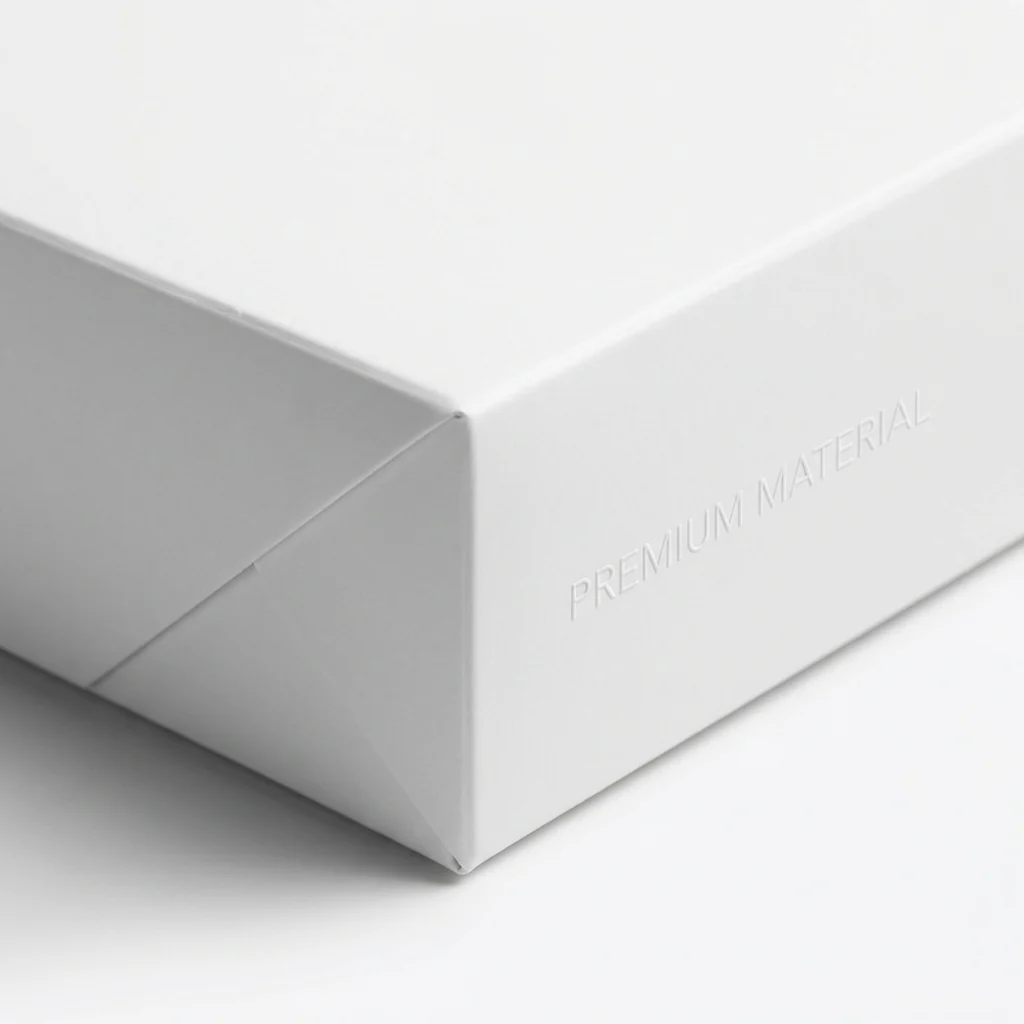
Perceived quality tracks mass more closely than most brands expect. A rigid box wrapped over 1,200–1,500 gsm greyboard has a heft that a 350 gsm folding carton cannot imitate, and buyers read that weight as durability and care before they see the product. The effect has limits: past a certain thickness the box feels clumsy rather than premium, and freight cost rises with every gram, so the usual target is the lightest board that still keeps large panels flat.
The wrap paper matters as much as the board. Uncoated or soft-touch laminated papers absorb light and feel warmer in the hand; high-gloss papers read as retail rather than luxury. Specifying the wrap and the board together, rather than choosing the board alone, is what makes the weight feel intentional.
The Sound and Resistance of the Closure
A magnetic flap that closes with a soft, definite snap tells the customer the box was engineered, not just printed. Magnet size and placement control that feel: too weak and the lid drifts open in transit, too strong and the lid is hard to lift with one hand. Lid-and-base boxes rely instead on the friction fit between the two halves, which is why a well-cut lid that slides on with slight resistance feels more expensive than one that drops loose.
Ask for a physical sample and open it twenty times. Closures that loosen after a few cycles will loosen in the customer's hands too, and that is the moment the price point is judged.
When a Rigid Box Is the Wrong Choice
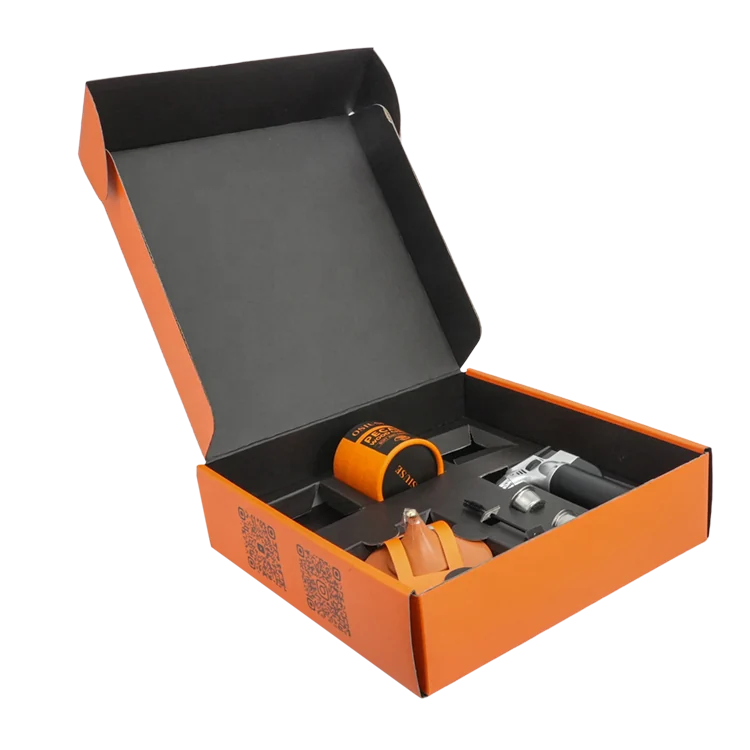
Rigid construction is a cost you should only carry when the product and the sale justify it. For low-ticket items, subscription refills, or anything that ships in volume by parcel, a printed folding carton or a mailer with a fitted insert usually protects the product just as well at a fraction of the freight volume. Rigid boxes ship assembled and take up to ten times the container space of a flat mailer.
- Choose rigid when the unboxing is part of the product story and the item is gifted or displayed.
- Choose a folding carton or mailer when the box is discarded on arrival or shipping cost dominates margin.
- Consider a collapsible rigid box when you want the rigid feel but need to ship flat.
Sell More with Better Packaging.
Let us help you design a box that converts.
Related from the factory
- the four variables behind an unboxing experience — Structure, texture, layering and first sight — and what each costs.
Put this guide into practice
Compare user observations for the actual product and opening sequence. Retain a heavier or more complex construction only when its presentation or protection role is clear, without attributing an unmeasured sales result to it.