Innovation
📅 May 26, 2026
At LuxoPacks, we've spent the last decade dismantling that myth through engineering and aesthetic innovation.
The Texture of Sustainability
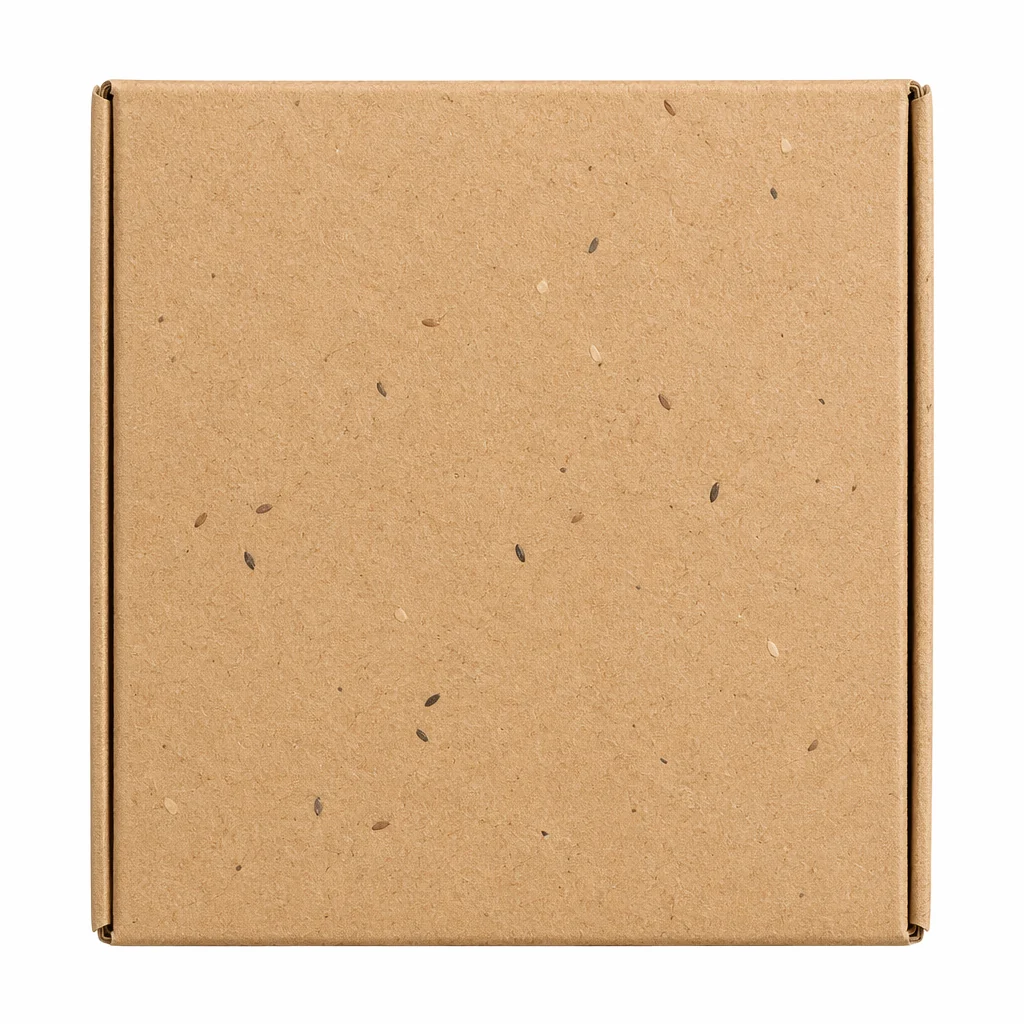
Describe the appearance separately from the fiber claim. Color, visible flecks and texture can suit a brand direction, but they do not identify the recycled percentage or source. Request the material grade and evidence, then decide whether its actual surface is acceptable for the artwork.
Refining the Raw
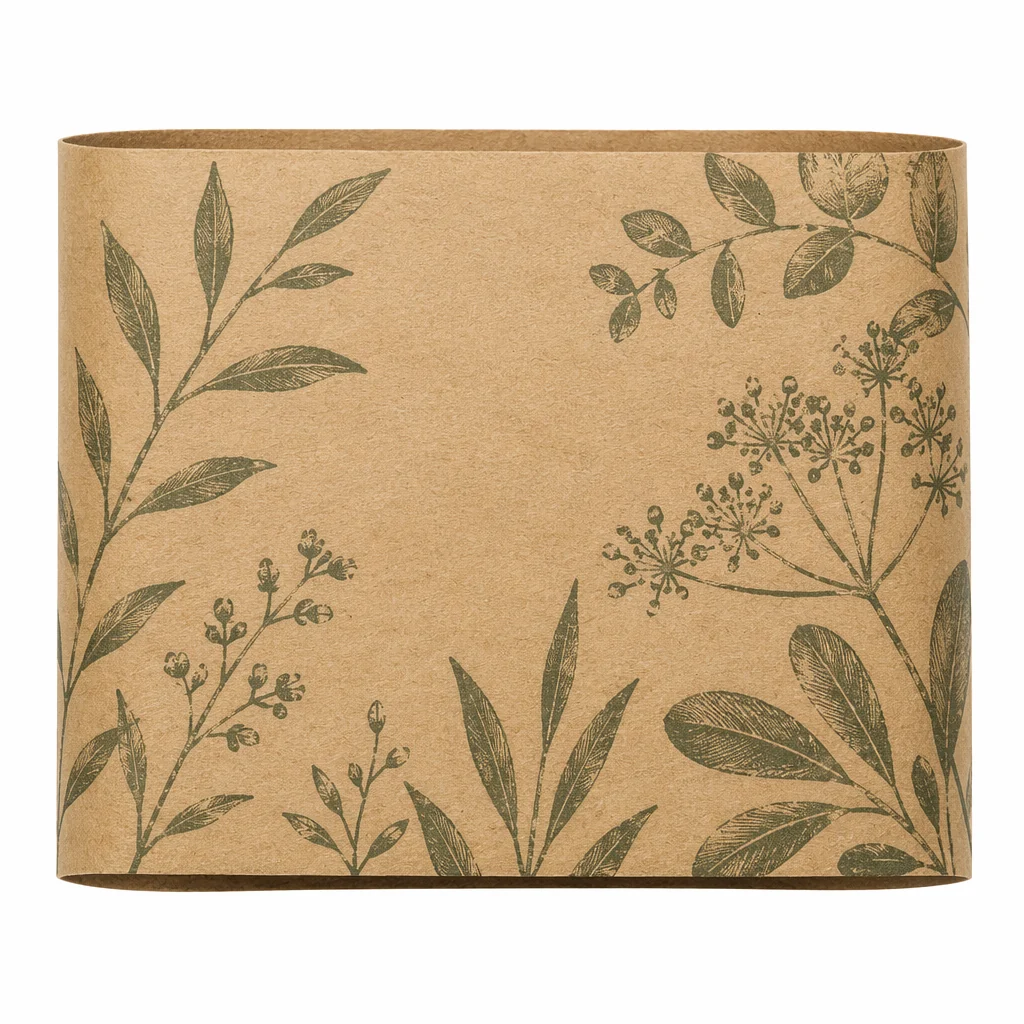
Review printing and finishing on the chosen recycled stock rather than promising an identical result to a virgin material. Compare color, foil adhesion and folding on a representative sample. A coating or ink description also needs its own evidence before it becomes a claim about the whole pack.
Circularity as the New Luxury
Modern luxury is about circularity. A box that tells a story of rebirth—from discarded paper to a high-end jewelry container—adds a layer of narrative depth to your brand that virgin materials can't match. It's about showing your customers that luxury doesn't have to come at the expense of the planet.
Recycled Greyboard: What Changes and What Doesn't
Greyboard is already a largely recycled product, so moving to a high recycled-content grade changes less than buyers fear. Density and stiffness at a given thickness are comparable; the visible differences are colour, which runs darker and less uniform, and surface, which is slightly rougher. Neither matters once the board is wrapped, which is why recycled cores are the norm even in premium rigid boxes.
Moisture sensitivity is the one property to watch. Boards with very high post-consumer content can absorb humidity during sea freight and warp; a barrier wrap paper and dry-packing with desiccant in the master carton address it.
Finishes That Work on Recycled Substrates
Almost every luxury finish is applied to the wrap paper, not to the board, so the recycled core does not restrict the finish palette. Hot-foil stamping, blind embossing, soft-touch and matte lamination and spot UV all behave normally on a recycled-content wrap paper as long as the paper surface is smooth. The exception is very dark, uncoated recycled papers, where fine foil detail can lose definition; a heavier foil or a larger minimum line weight solves it.
Water-based coatings keep the finished box recyclable; solvent-based films generally do not. If recyclability is part of the brief, specify the lamination chemistry, not just the look.
How to Read a Recycled-Content Claim
Two numbers hide behind the word recycled. Post-consumer recycled (PCR) content comes from material that has been used and collected; pre-consumer (PIR) content is manufacturing offcut that never reached a customer. Record the percentage and basis of each claimed content type and obtain the supporting material declaration. Confirm which definition and evidence your particular customer or program requires.
Test before bulk. Recycled papers vary between mills and batches, so a printed, finished sample from the actual paper lot is the only reliable way to judge colour, foil adhesion and fold cracking on the final material.
Design Your Eco-Premium Experience
See how recycled materials can transform your brand image.
Explore Recycled Options →
Next Step
Put this guide into practice
Keep the approved material identification and appearance sample with the purchase specification. Reassess a stock substitution for both the stated recycled-content claim and the required finished performance.