Packaging Comparison
📅 April 3, 2026
One needs packaging for a $120 skincare gift set. The other needs packaging for a $8 toy. They should not order the same box — but you'd be surprised how often brands get this wrong, paying luxury prices for commodity products or under-packaging premium goods that deserve better.
This guide gives you a definitive framework for choosing between rigid gift boxes and folding cartons.
The Core Difference
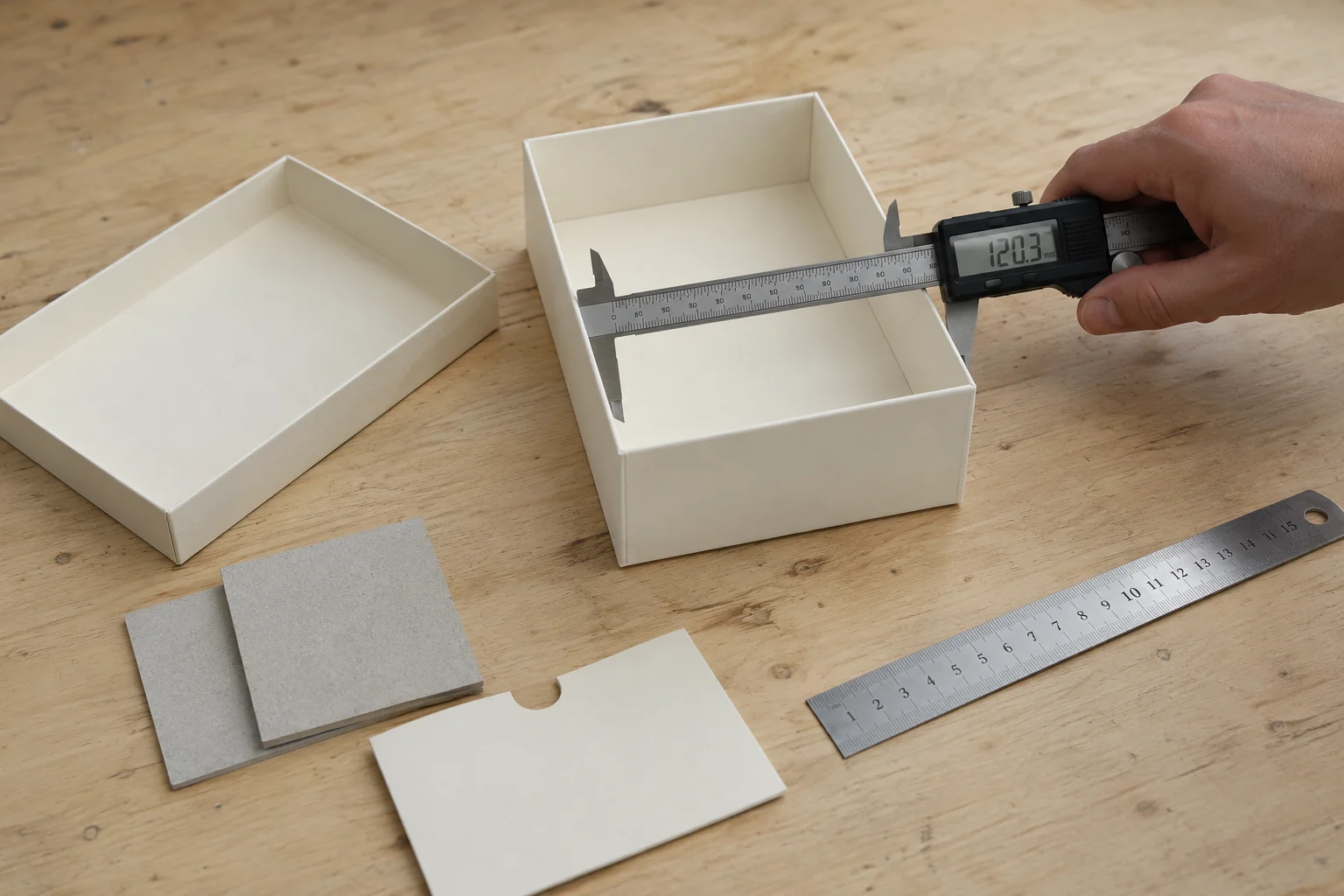
Compare the actual constructions being offered. A conventional wrapped rigid box and a folding carton differ in core and assembly, but collapsible rigid designs also exist. Specify the format precisely so “ships flat” is not confused with the material or protection of the finished pack.
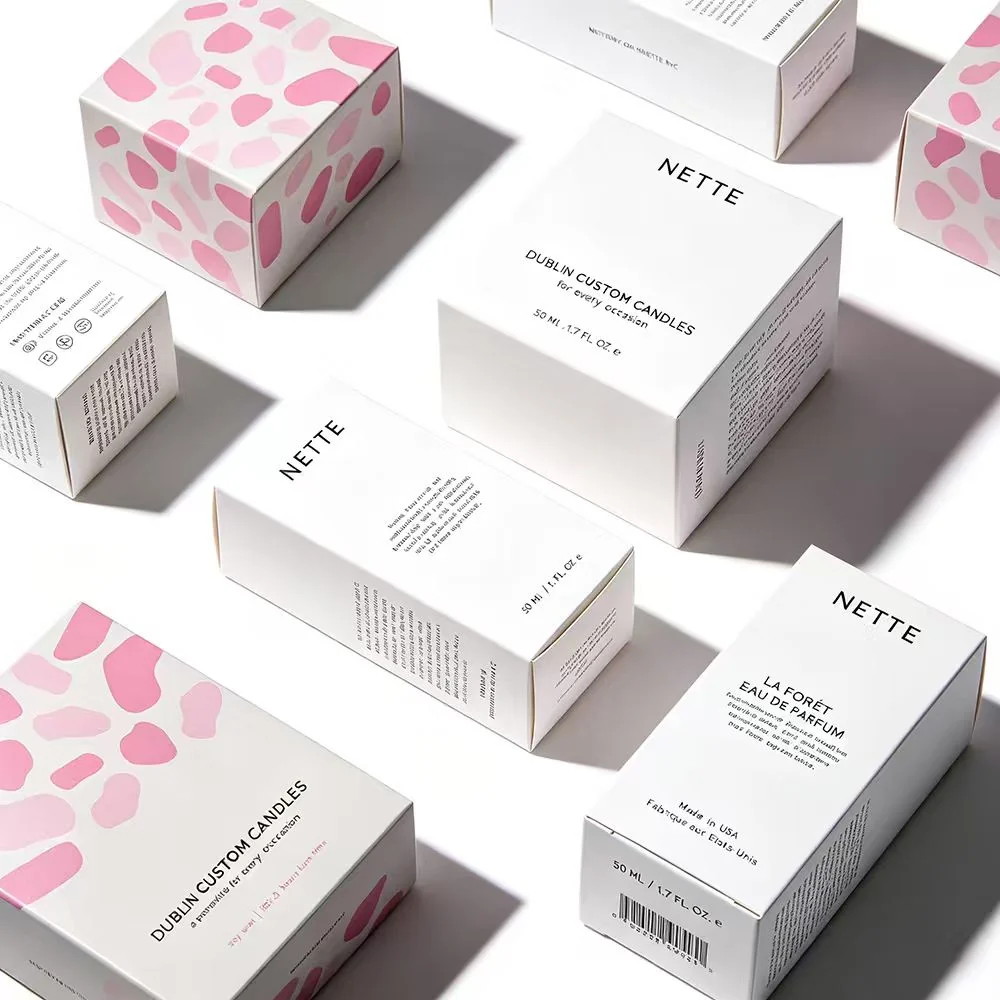
A folding carton is made from thinner SBS (solid bleached sulfate) or CUK paperboard — typically 0.3mm to 0.6mm — die-cut and scored so it collapses flat for shipping and erects at point of use. It's lighter, cheaper per unit, and works at much higher volumes.
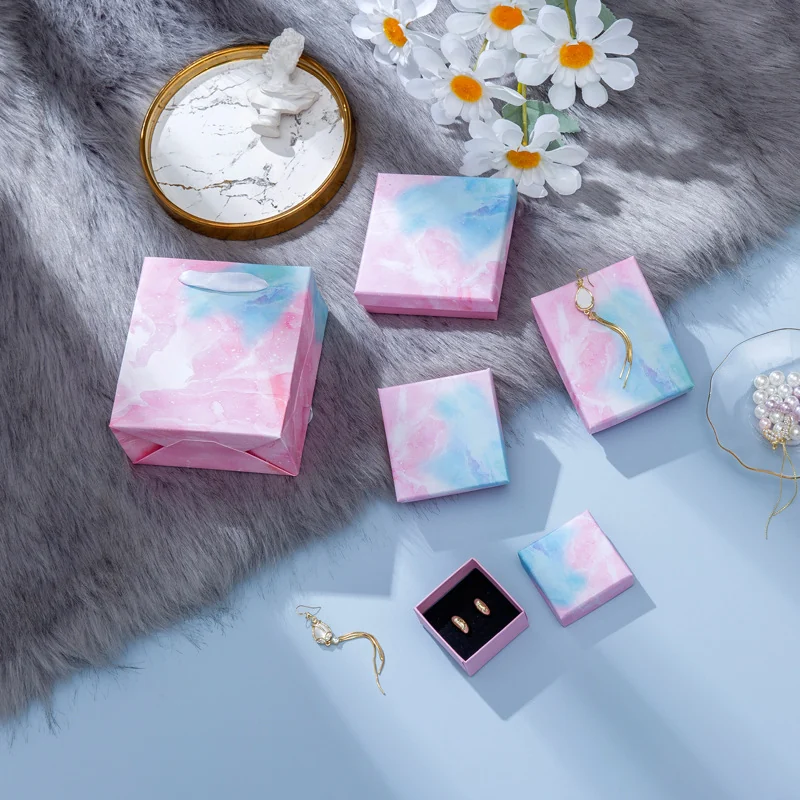
Rigid Gift Box
- 2mm+ greyboard construction
- Cannot fold flat
- Permanent structure
- Ships assembled (bulky)
- Reusable — customers keep them
- Current production minimum: 500 pcs per design and size.
- Current price: request a quotation against the complete specification.
Earlier reference scenarios below the current 500-piece minimum (not available for ordering)
This earlier quantity-and-price scenario is retained intact for comparison. It is not an available order option or current quotation.
- MOQ: 100–500 pcs
- Price: $0.85–$4.00/pc
Folding Carton
- 0.3–0.6mm paperboard
- Folds flat for shipping
- Erected at point of use
- MOQ: 500–5,000 pcs
- Price: $0.08–$0.45/pc
- Ships flat (efficient)
- Typically discarded after opening
When to Choose a Rigid Gift Box
Choose a rigid construction when its persistent shape and opening system serve the product and presentation brief. Check that those benefits remain useful after the insert and shipper are included. Added weight or perceived luxury alone does not establish a return on the extra cost.
Rigid gift boxes win when any of these conditions are true:
- A defined presentation role: Compare the quoted rigid construction with the margin and handling needs of the actual product. A retail-price threshold does not by itself justify a packaging spend.
- Unboxing is part of your brand experience: DTC brands, subscription boxes, influencer gifting — if someone will film opening it, use a rigid box.
- The product is fragile or high-value: Jewelry, watches, perfume, electronics accessories. Rigid boxes provide structural protection that folding cartons cannot.
- Corporate gifting: A rigid magnetic box with your client's name foil-stamped signals investment in the relationship. A folding carton signals budget-consciousness.
- Retail shelf presence: At retail, a rigid box stands upright, doesn't buckle, and photographs better for e-commerce listings.
When to Choose a Folding Carton
- High-volume FMCG products (food, health supplements, cosmetics under $15)
- Products where packaging is immediately discarded (razors, cables, chargers)
- Subscription box inserts — the outer mailer box is premium; inner cartons can be folding
- Volumes above 10,000 units where per-piece cost is the primary driver
- Products that require shelf-ready packaging that stacks flat in retail
The ROI Calculation
Here's how to think about the rigid box cost premium:
| Metric | Folding Carton | Rigid Gift Box |
|---|---|---|
| Box cost (1,000 pcs) | $0.25/pc | $1.20/pc |
| Cost difference | — | +$0.95/pc |
| Typical price premium enabled | — | +$8–$25 on product |
| Customer retention signal | Low | High (box reuse = brand recall) |
| UGC / unboxing content | Not established by structure alone | Evaluate the actual product and customer response |
| Return rate (perceived quality) | Compare observed return reasons | No automatic reduction from a rigid structure |
Use the table as an illustrative cost framework, not a measured return-on-investment result. A product selling above $40 does not establish that a rigid box pays for itself. Compare actual packaging cost and observed customer or damage results before attributing a price premium, fewer returns or user-generated content to the structure.
Frequently Asked Questions
What is the difference between a rigid gift box and a folding carton?
A rigid gift box is built from thick chipboard (1.5–3mm) and cannot be folded flat — it holds its shape permanently. A folding carton is made from thinner paperboard (0.3–0.6mm), collapses flat for shipping, and erects at point of use. Rigid boxes convey premium quality; folding cartons are more cost-effective for high-volume products.
Are rigid gift boxes worth the higher cost?
For premium products priced above $30, yes. A perceived-value change of 20–45% is an illustrative scenario only; no supporting study is supplied here, so it must not be presented as an established outcome. A rigid magnetic gift box costing $1.50–$2.50 can support a $15–$30 price premium on the product. For high-volume FMCG products under $10, folding cartons are the better ROI choice.
Need Help Choosing? Talk to Our Packaging Team.
Discuss the box format, material and finish with LuxoPacks. Production starts at 500 pcs per size and design; agree the design and quotation schedule after review of the product requirements.
Get Free Consultation →
Made by LuxoPacks — we produce both structures in Dongguan, Guangdong, so the comparison above can be quoted either way against the same specification — rigid from 500 pcs per size and design.
Put this guide into practice
Load comparable prototypes and record the assembly, storage and shipping differences. Select the construction that meets the required presentation and protection at the complete delivered cost.