


Custom Folding Carton Boxes
Custom folding carton boxes for retail packaging, cosmetics, skincare, beauty products and other lightweight products, planned with paperboard, dieline, print, coating and product-fit checks.
- ✓ Free Design Support & 3D Mockup
- ✓ Custom Dieline Design
- ✓ Lightweight & Practical

Why Choose Folding Carton Boxes?
Folding cartons are usually made from paperboard, printed flat, die-cut, creased, folded and glued into shape. They are commonly used when brands need clean retail presentation, efficient storage and flexible artwork.
Compared with rigid boxes, folding cartons are lighter and often more cost-efficient for larger quantities. They can be shipped flat before assembly, which helps reduce storage and freight volume.
- Skincare boxes
- Cosmetic cartons
- Beauty product cartons
- Small retail products
- Light jars, tubes or bottles
- Product sleeves and display cartons
Lightweight Retail Cartons That Ship Flat Before Assembly
A folding carton should look clean on shelf, fold correctly, close securely and fit the product without bulging.
Dieline Accuracy
Panel size, fold lines, glue flap, tuck flap and window position must work after the carton is formed.
Fold and Closure
Creasing, paper grain, coating and board thickness affect cracking, shape and tuck closure.
Retail Print Check
Color, small text, barcode area and logo position should be checked on the assembled sample.
Paperboard Selection
Paperboard selection affects carton strength, folding quality, print result and cost. A light product may only need standard paperboard, while a larger carton or heavier product may need a stronger board.
- Small cartons can often use lighter paperboard if the product is not heavy.
- Larger cartons need enough stiffness to keep shape on shelf.
- Bottles and jars need carton strength checked against product weight.
- Coated paperboard can support clean color printing.
- Kraft board can create a natural look but changes print color.
- Food-related outer packaging may need material review based on market and use.
The board should fold cleanly at crease lines without cracking. If the product is too heavy for the board, the carton may bulge, bend or fail during handling.
Packaging Materials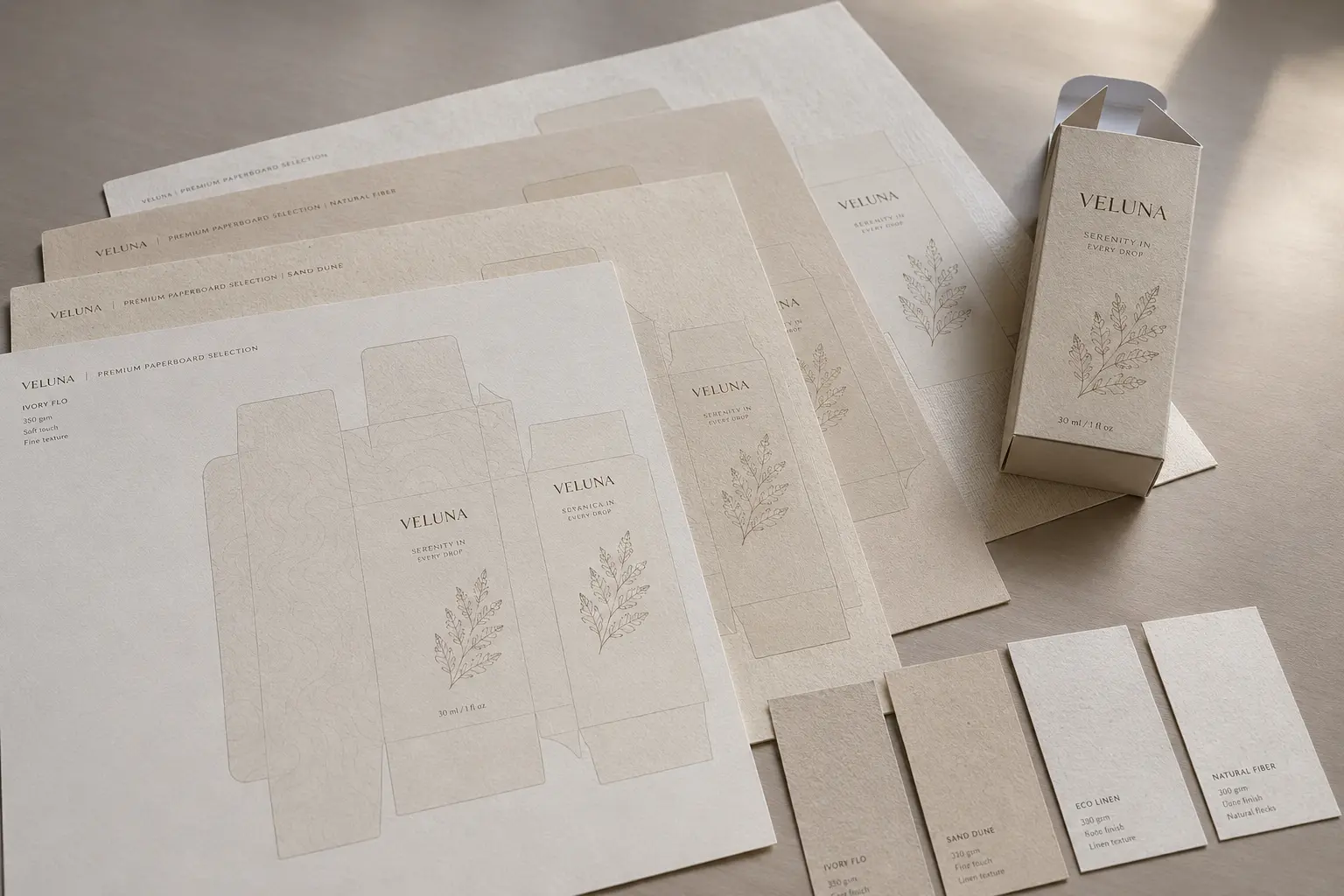
Dieline and Structure
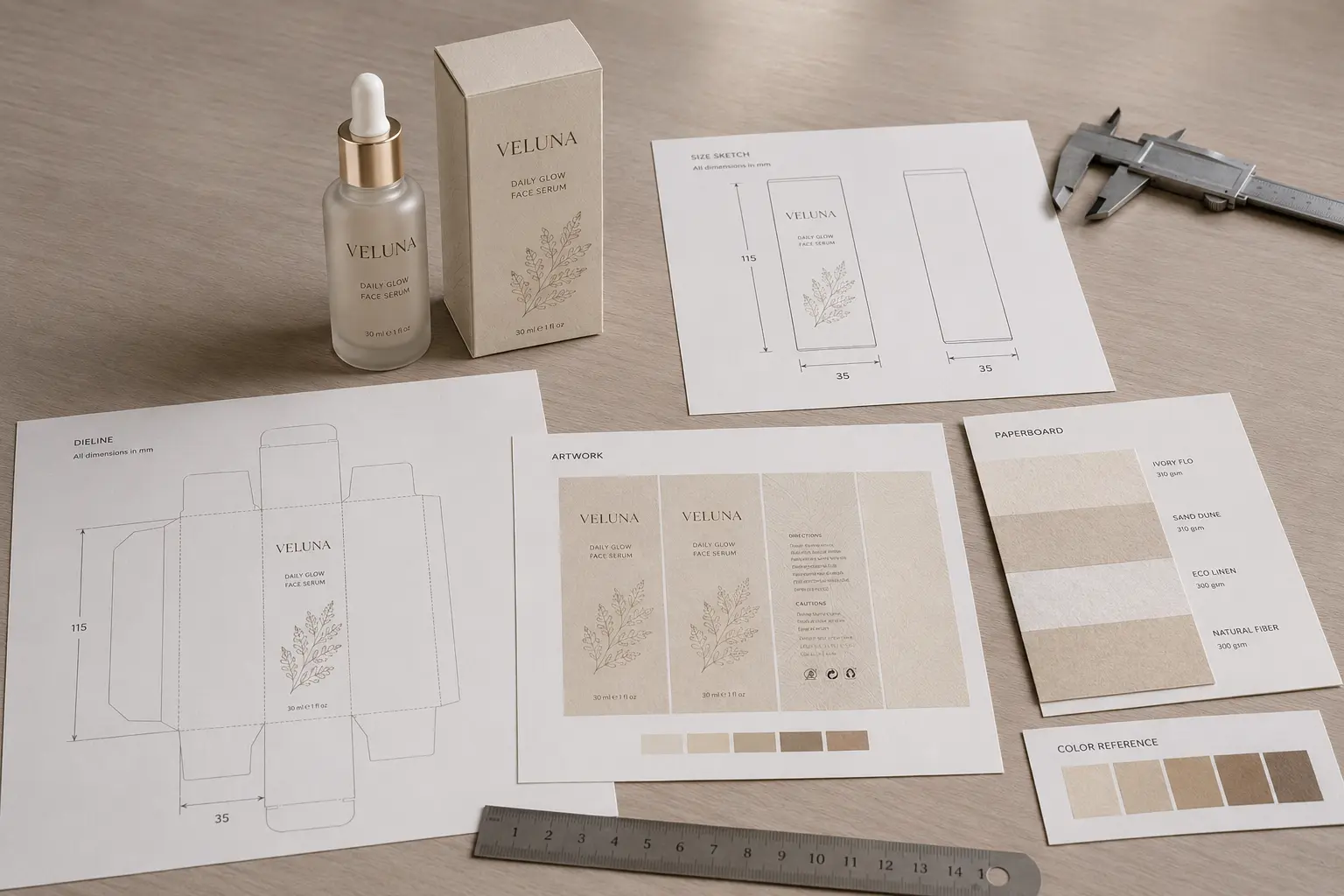
The dieline is the flat layout used for cutting, creasing and folding the carton. It controls panel size, glue flap, tuck flap, dust flaps, window position and final box shape.
- Product inner size
- Paperboard thickness
- Folding direction
- Glue flap position
- Top and bottom closure style
- Dust flap clearance
- Window position if needed
- Barcode and regulatory text area
- Whether artwork crosses folds or cuts
The right structure depends on product weight, packing speed, retail display and whether the carton needs to be opened and closed by the customer.
Review Your Carton Dieline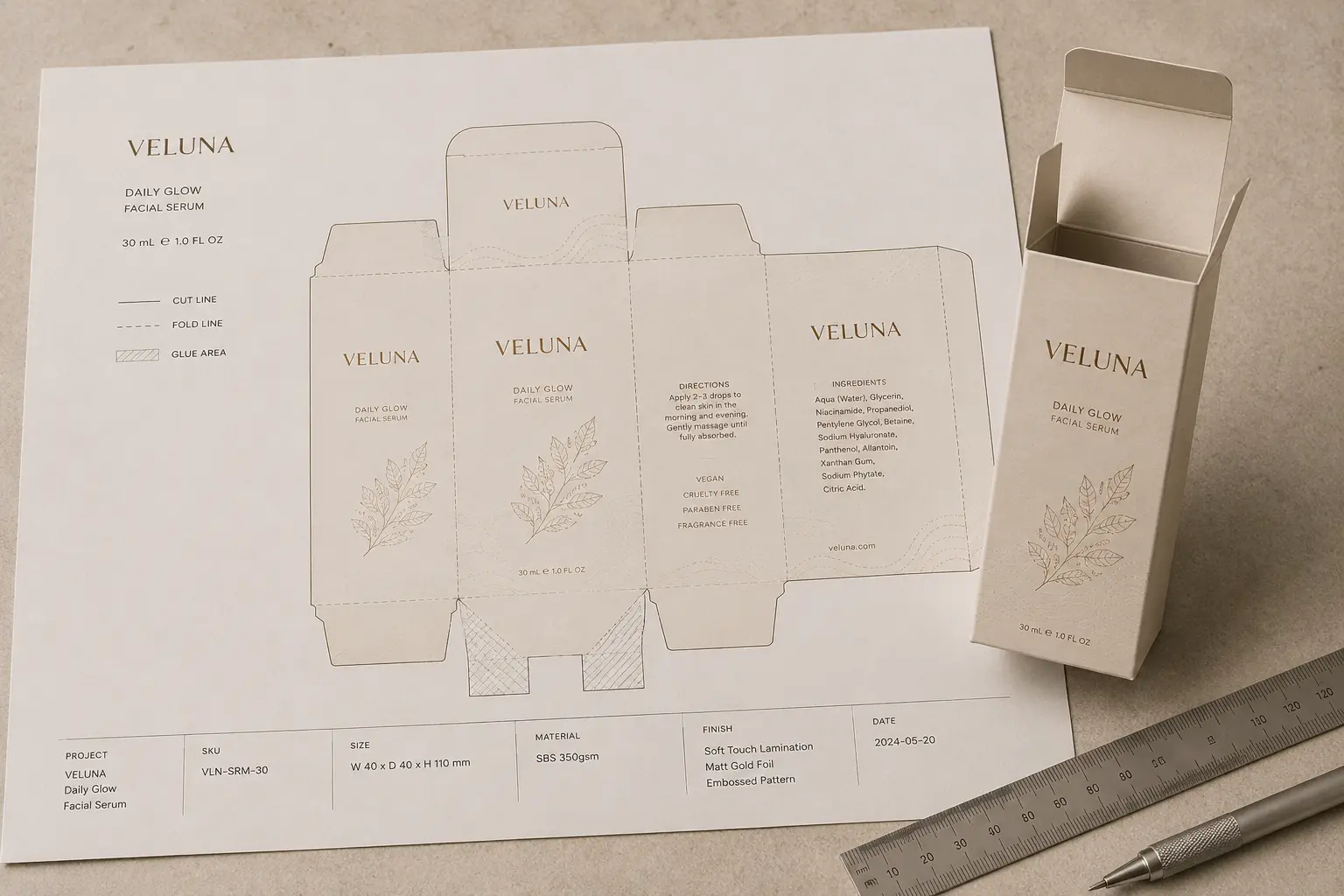
Folding Lines and Creasing
Folding cartons rely on accurate creasing. If the crease is too weak, the carton may not fold cleanly. If it is too strong or the board is unsuitable, the printed surface may crack.
- Crease depth
- Fold direction
- Paper grain direction
- Board thickness
- Lamination or coating behavior
- Whether dark ink cracks along fold lines
- Whether the final carton sits square after assembly
Clean folding prevents cracking and shape problems. These issues are easier to solve before bulk production by adjusting the dieline, board, crease or coating.
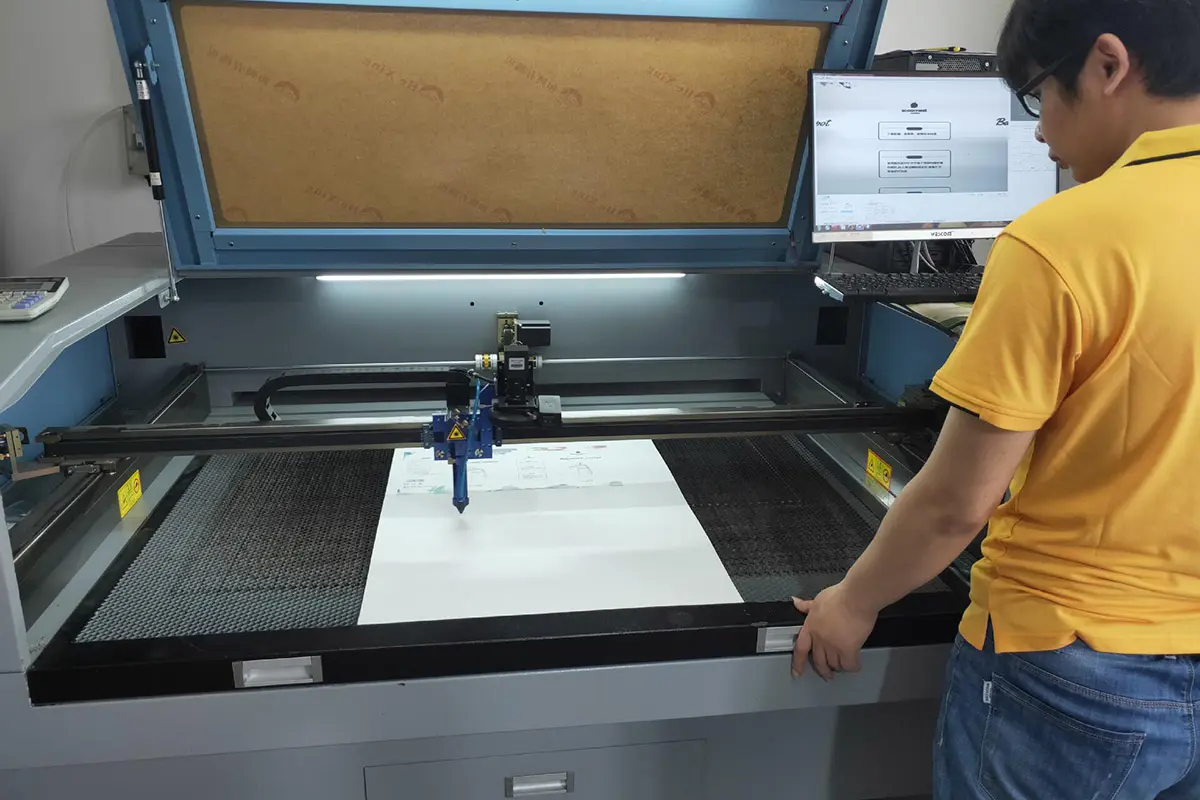
Glue Flap and Assembly
The glue flap holds the carton together after folding. Its position and width affect production stability and packing speed.
- Glue flap width
- Glue position
- Side seam alignment
- Whether glue marks are visible
- Whether the carton opens easily after flat packing
- Whether the product can be loaded quickly
- Whether the closure stays secure after packing
For higher-volume retail cartons, assembly efficiency matters. A carton that looks good but is slow to open, fill or close can create packing problems during bulk production.
Ask About Carton Assembly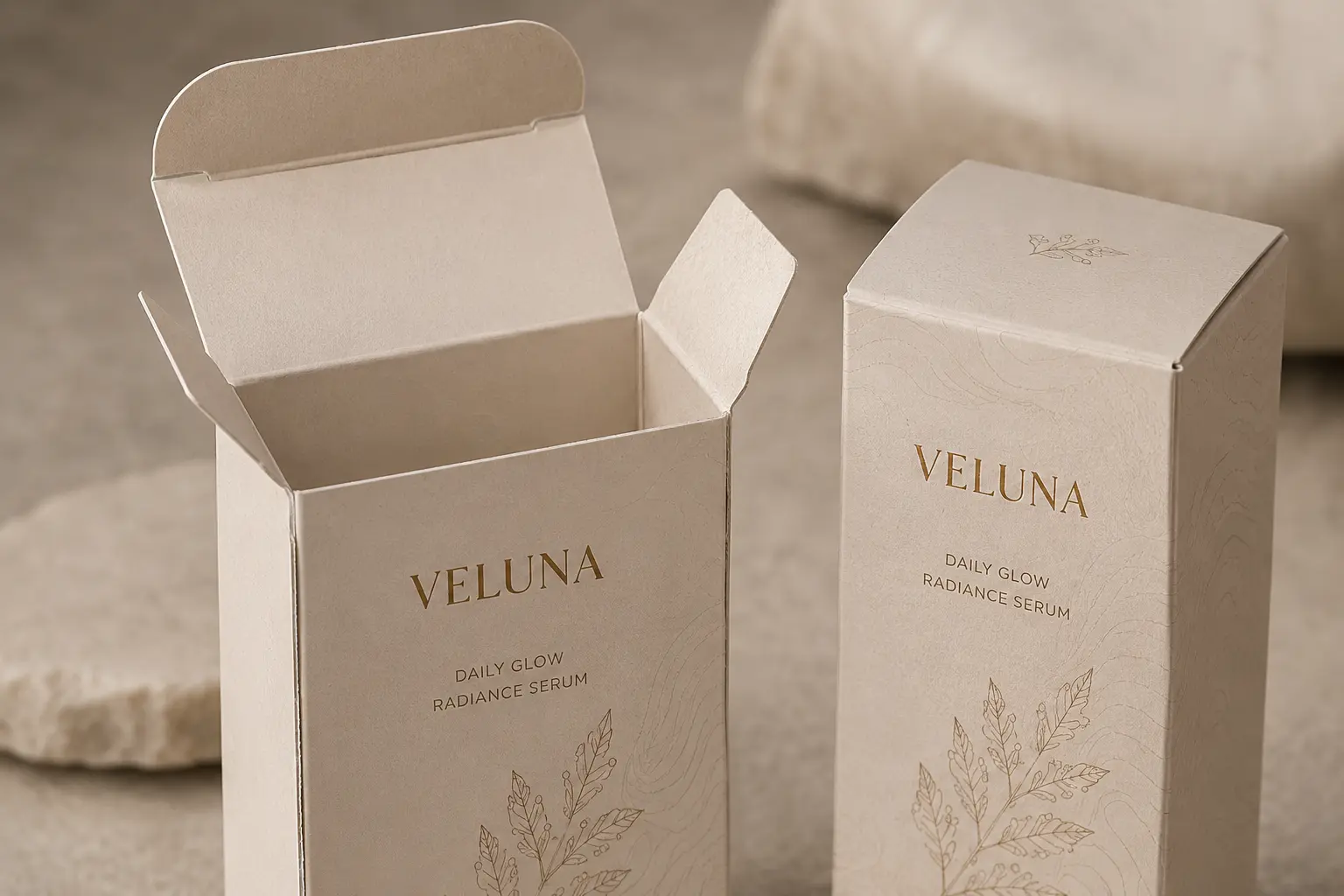
Common Folding Carton Structures
Different folding carton structures affect packing speed, retail display, closure strength and product loading direction.
Straight Tuck End
A common retail carton structure with tuck flaps on the same side direction.
Reverse Tuck End
A practical option for many light products, depending on panel layout and print direction.
Auto-Lock Bottom
Useful when faster bottom forming is needed for higher-volume packing.
Sleeve or Window
Used when display, visibility or sliding cover presentation matters.
Window Options
Window cartons can help customers see the product before purchase. The window shape and film should be planned around product visibility, carton strength and retail requirements.
- Window size
- Window position
- Product visibility
- Film material
- Edge distance
- Carton strength after window cutting
- Whether the product touches the window
- Whether the window affects stacking or handling
Window design should be tested with the real product or a product dummy before bulk production.

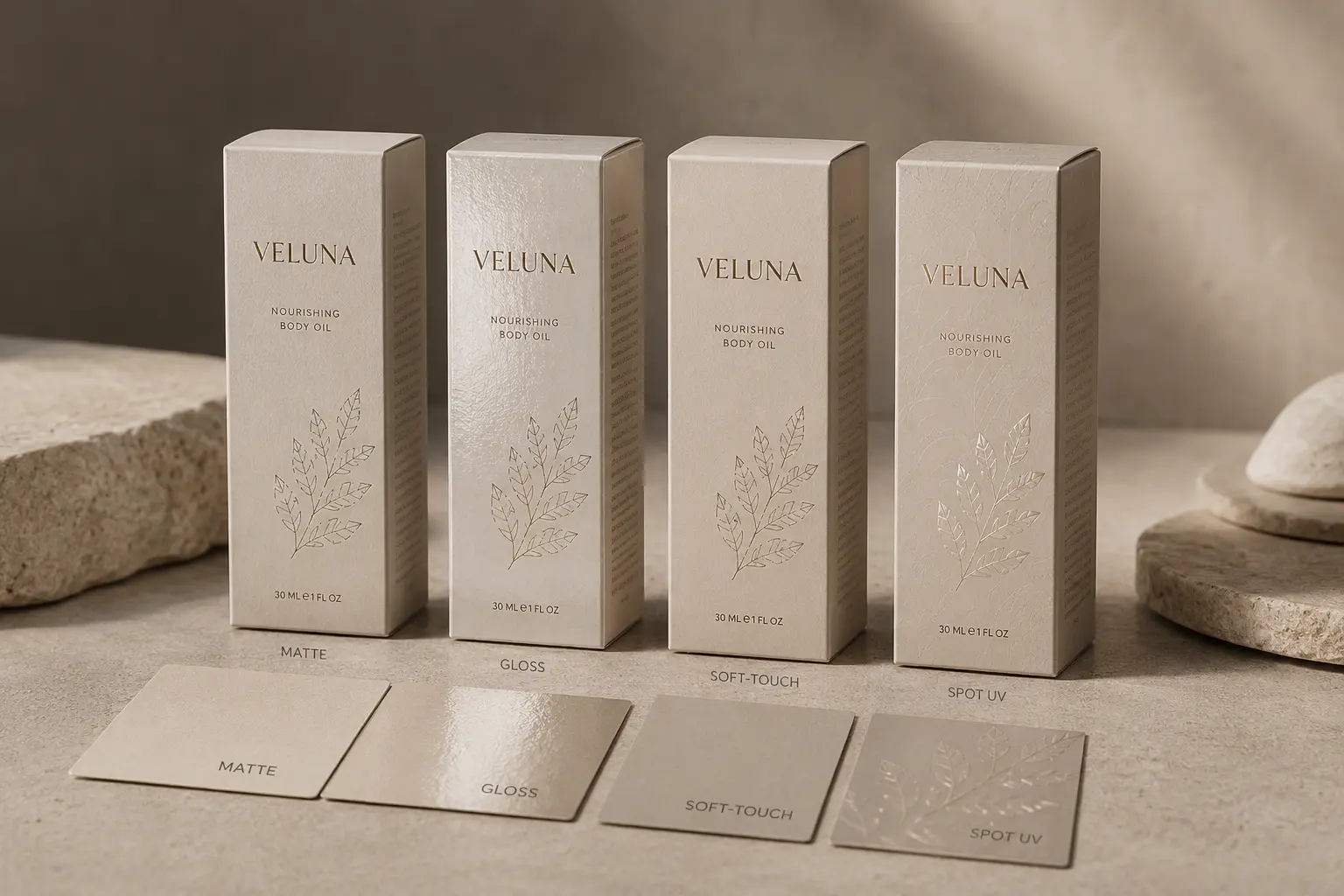
Coating and Surface Finish
Coating affects the carton appearance, surface protection and touch. The best finish depends on product category, brand position and handling conditions.
The chosen finish should be checked on a sample, especially when the artwork uses dark colors, large solid ink areas or fine logo details. Coating can affect fold cracking and glue performance.
Printing and Color Control
Folding cartons often rely on printed graphics, so color consistency matters. This is especially important for skincare, cosmetics and product lines with several SKUs.
- Artwork file quality
- CMYK or Pantone color requirements
- Logo size and position
- Small text readability
- Barcode and label area
- Color proof or sample color
- Print direction on each panel
- Whether different SKUs need color consistency
A flat printed sheet does not show all structure issues. The carton should be folded, filled with the product and closed before approval.
Logo Printing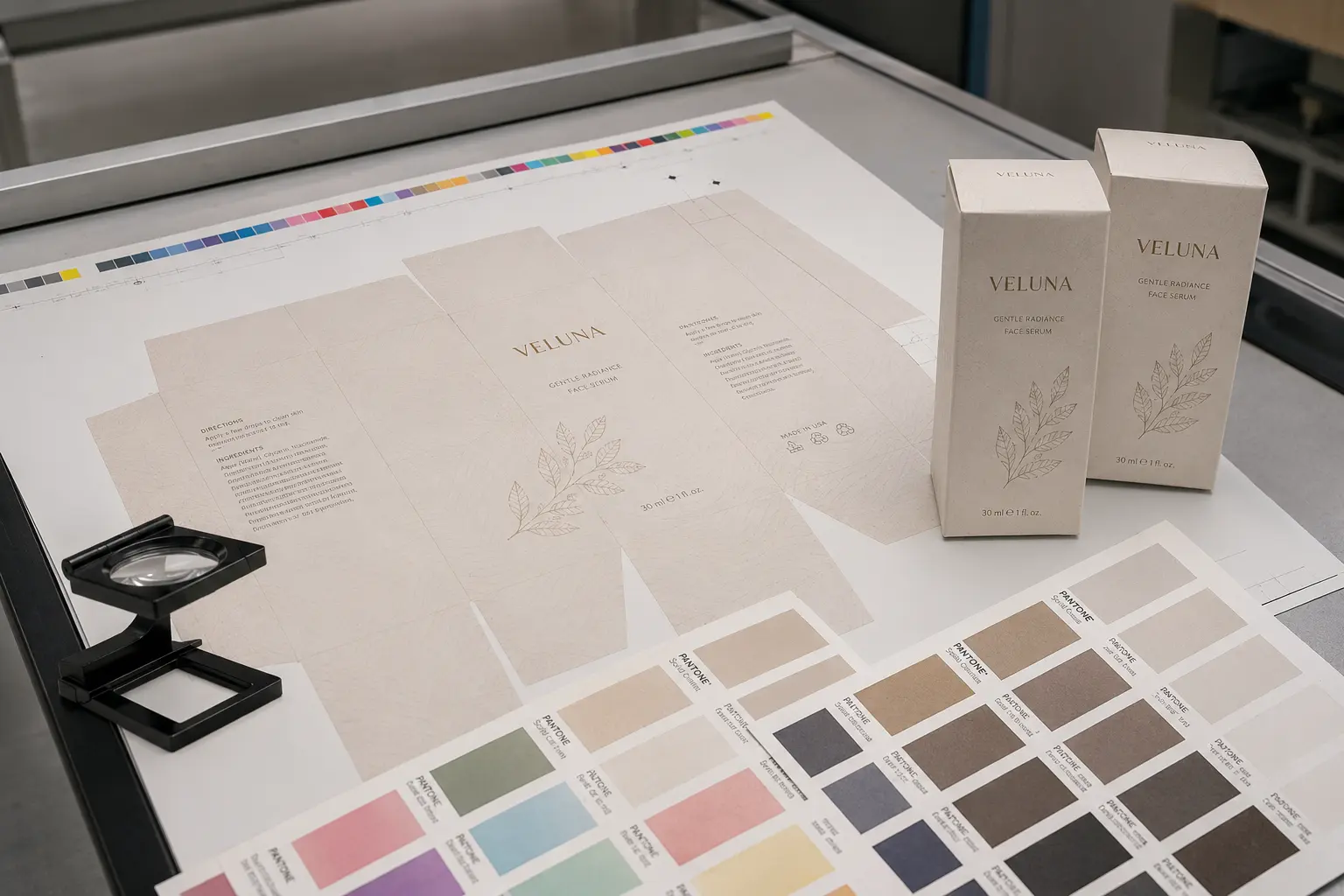
Product Fit and Inserts
A folding carton should fit the product closely enough to look clean but not so tightly that the carton bulges or becomes hard to close.
- Product length, width and height
- Product weight
- Closure clearance
- Whether the product has a cap or pump
- Whether the product needs an inner tray
- Whether the carton should include a paper insert
- Whether the product moves during handling
For bottles, jars, tubes or fragile products, a paper insert or divider may help hold the item in place. Inserts should be planned early because they affect carton size and assembly.
Custom Packaging Inserts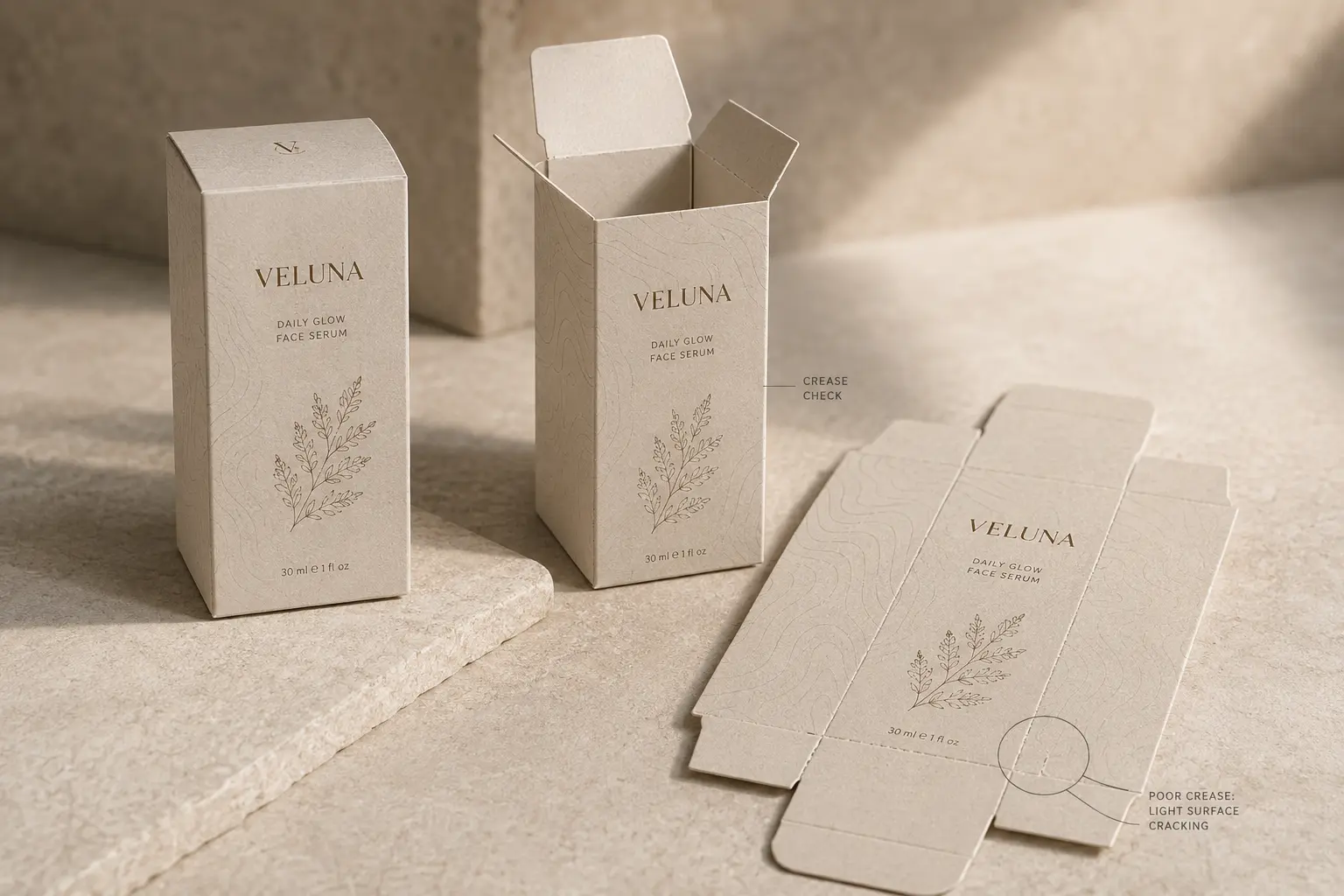
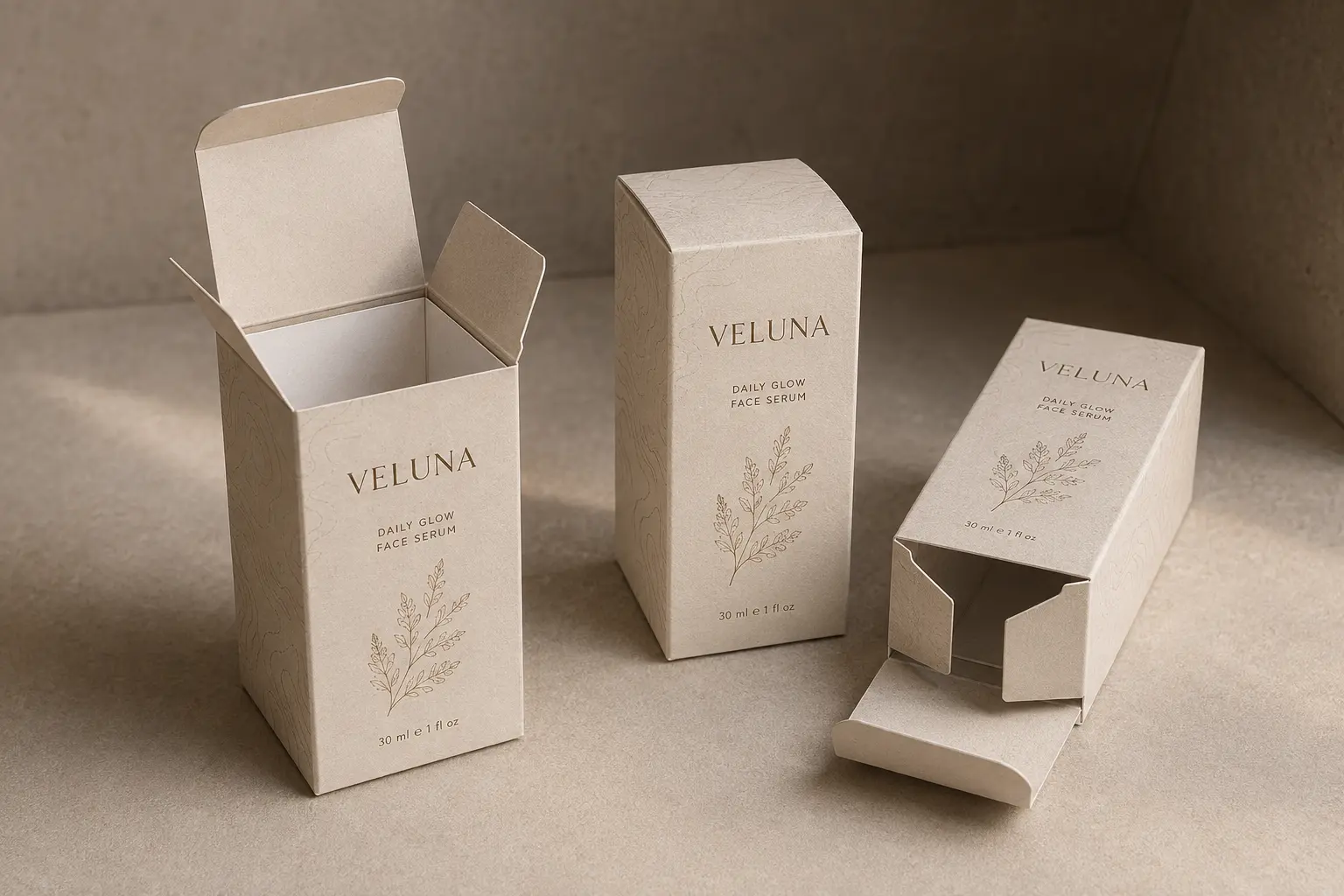
Folding Cartons for Beauty and Skincare
Folding cartons are widely used for skincare and cosmetic packaging because they support printed graphics, retail display and SKU variation.
- Bottle or jar size
- Product cap or pump height
- Color consistency across SKUs
- Ingredient or instruction text area
- Barcode position
- Coating choice
- Whether the carton needs an insert
- Whether the product should stand upright
If the product is glass, heavy or shipped directly to customers, a folding carton alone may not be enough for shipping protection.
Food-Related Outer Carton Notes
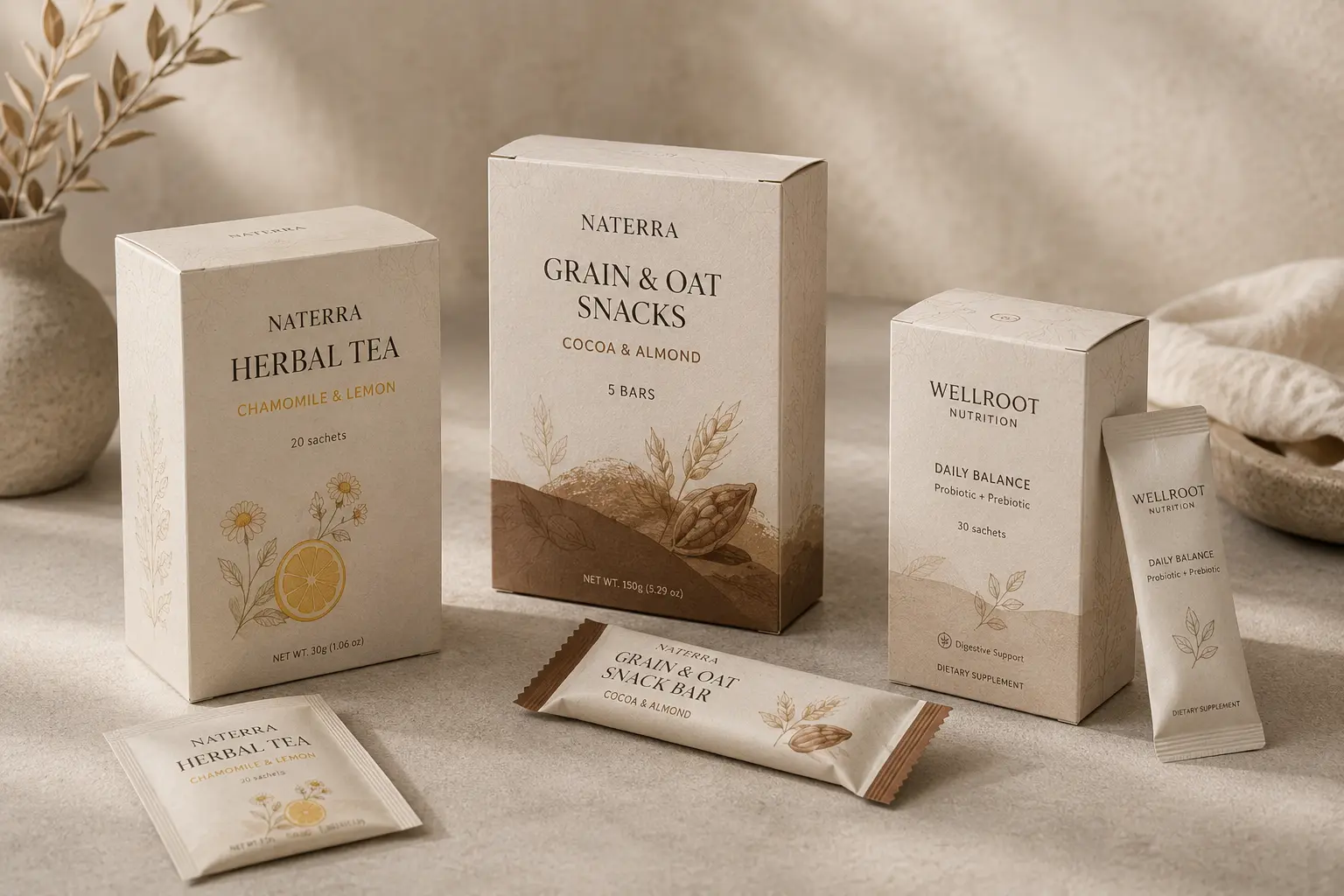
Folding cartons can be used for food-related outer packaging, but material requirements depend on whether the product touches the carton directly, the market and the buyer's compliance needs.
- Confirm whether the carton is direct-contact or outer packaging only.
- Confirm required material documents before quotation.
- Confirm coating or lamination needs based on product use.
- Keep ingredient, nutrition, barcode and batch areas clear if needed.
- Avoid making compliance claims until the material and documents are confirmed.
If certificates, test reports or food-contact documents are required, mention this before sampling so the material choice can be reviewed.
When Folding Cartons May Not Be Enough
Folding cartons are efficient, but they are not the best choice for every product. A stronger structure or outer protection may be needed in some cases.
- The product is heavy
- The product is fragile and ships directly to customers
- The packaging needs a stronger gift opening feel
- The product set needs a deep insert layout
- The box should be reused by the customer
- The carton surface may be crushed during shipping

Common Folding Carton Mistakes
Folding cartons can be cost-efficient, but small technical errors can affect large quantities quickly.
- Paperboard is too thin for product weight
- Dieline does not match the product
- Fold lines crack after coating
- Glue flap is too narrow
- Tuck flap does not close smoothly
- Window position does not show the product correctly
- Barcode is placed near a fold
- Text is too small to print clearly
- Carton bulges after product is inserted
- Color is approved only from screen view
Sampling and Quality Checks
The sample should be folded, assembled and tested with the product before approval.
Dieline Accuracy
We check panel size, fold lines, tuck flaps, glue flap and window position if included.
Product Fit
We place the product inside to check fit, product movement, bulging and closure.
Paperboard and Surface
We review board stiffness, folding quality, coating behavior and carton shape.
Print and Color
We check color, logo position, text readability, barcode area and finishing details.
Assembly and Packing
We check whether the carton is easy to open, fill, close and pack for bulk production.
Samples are usually finished in 3-5 days after dieline and artwork are confirmed. After sample approval, bulk production usually takes 15-25 days.
Request Folding Carton PricingWhat to Send for a Quote
To quote custom folding cartons accurately, please send product and artwork details that affect carton size, paperboard, dieline, printing, coating and gluing.
- Product photos
- Product size and weight
- Quantity
- Preferred carton style or reference image
- Existing dieline if available
- Logo or artwork file
- Paperboard or material preference
- Coating or finishing request
- Window requirement if any
- Target delivery country and date
If you do not have a dieline, send the product size, product photos and desired carton style. We can help plan a structure for sampling.
Request Folding Carton Pricing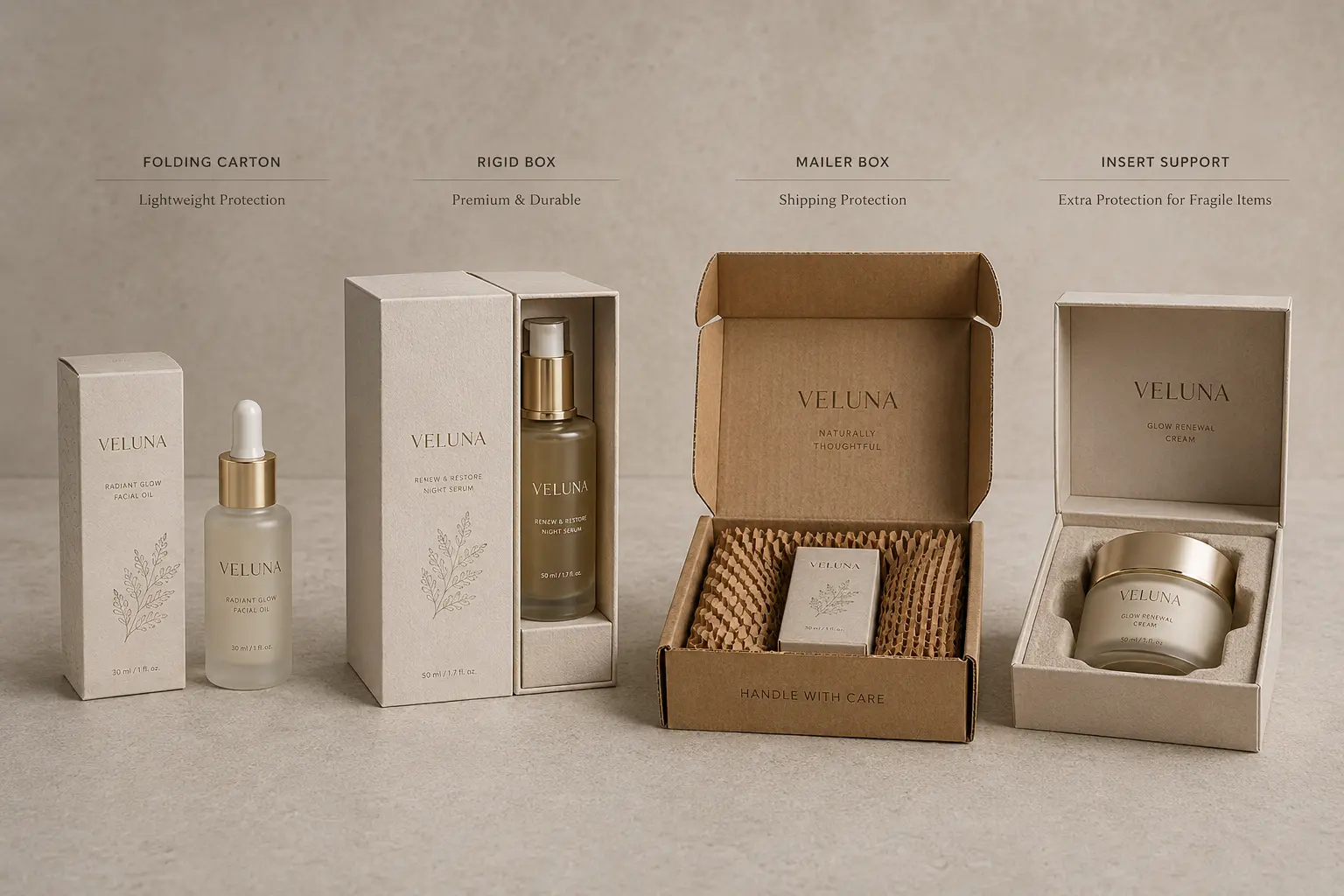
Ready to Make Custom Folding Carton Boxes?
Send your product size, weight, quantity, artwork and existing dieline if available. We can check carton structure, paperboard and print details before sampling.
Request a Custom QuoteFrequently Asked Questions
Answers for custom folding carton boxes, paperboard, dielines, windows, color control, samples and MOQ.