
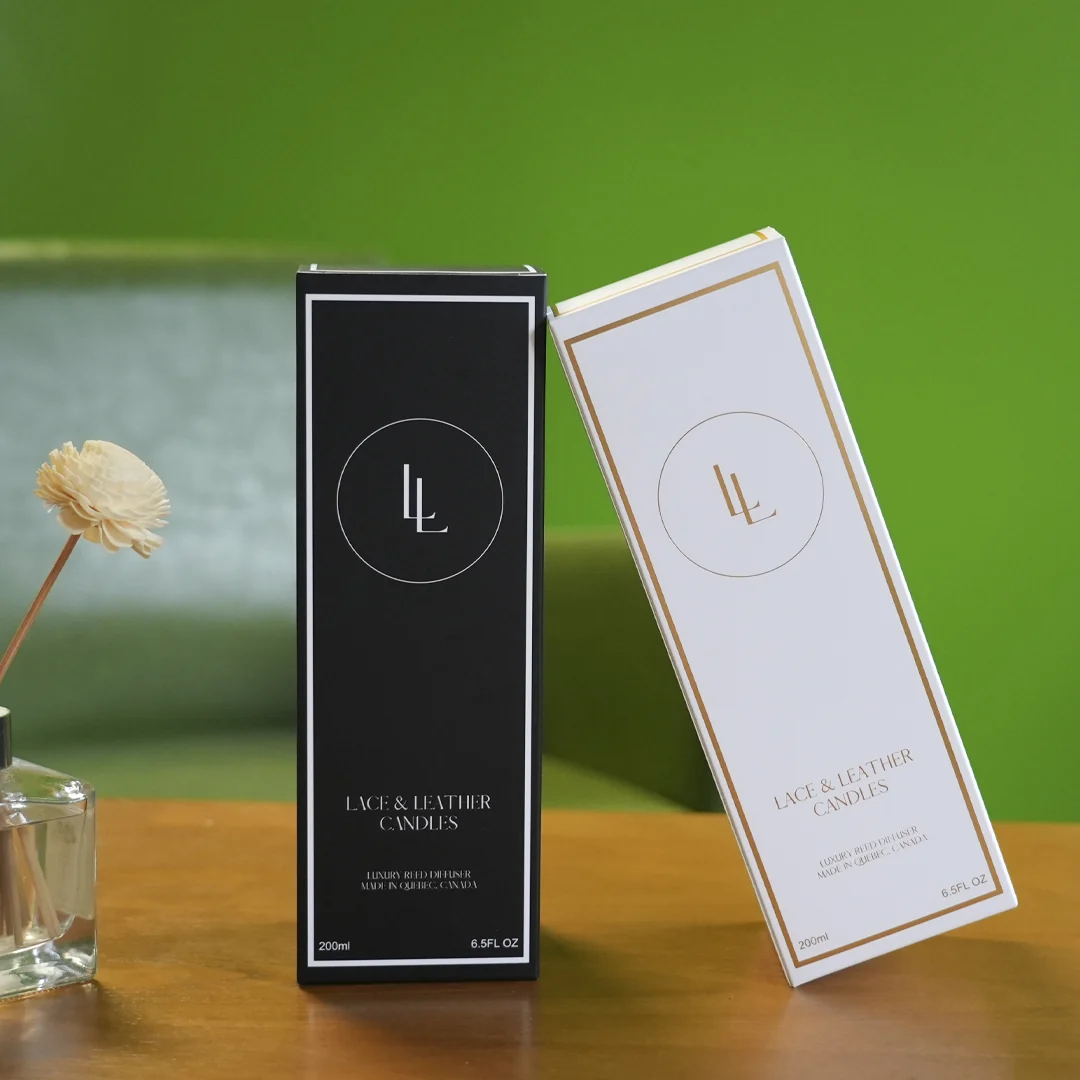
Candle Packaging Application Example
Illustrative application example: a filled candle jar needs support under its weight, restraint without label rubbing and an outer-carton plan. The decisions below show how to prepare and assess a proposed package. They do not report a completed customer order or a measured reduction in breakage.
- ✓ Free Design Support & 3D Mockup
- ✓ Insert Support Review
- ✓ Safer Shipping Plan
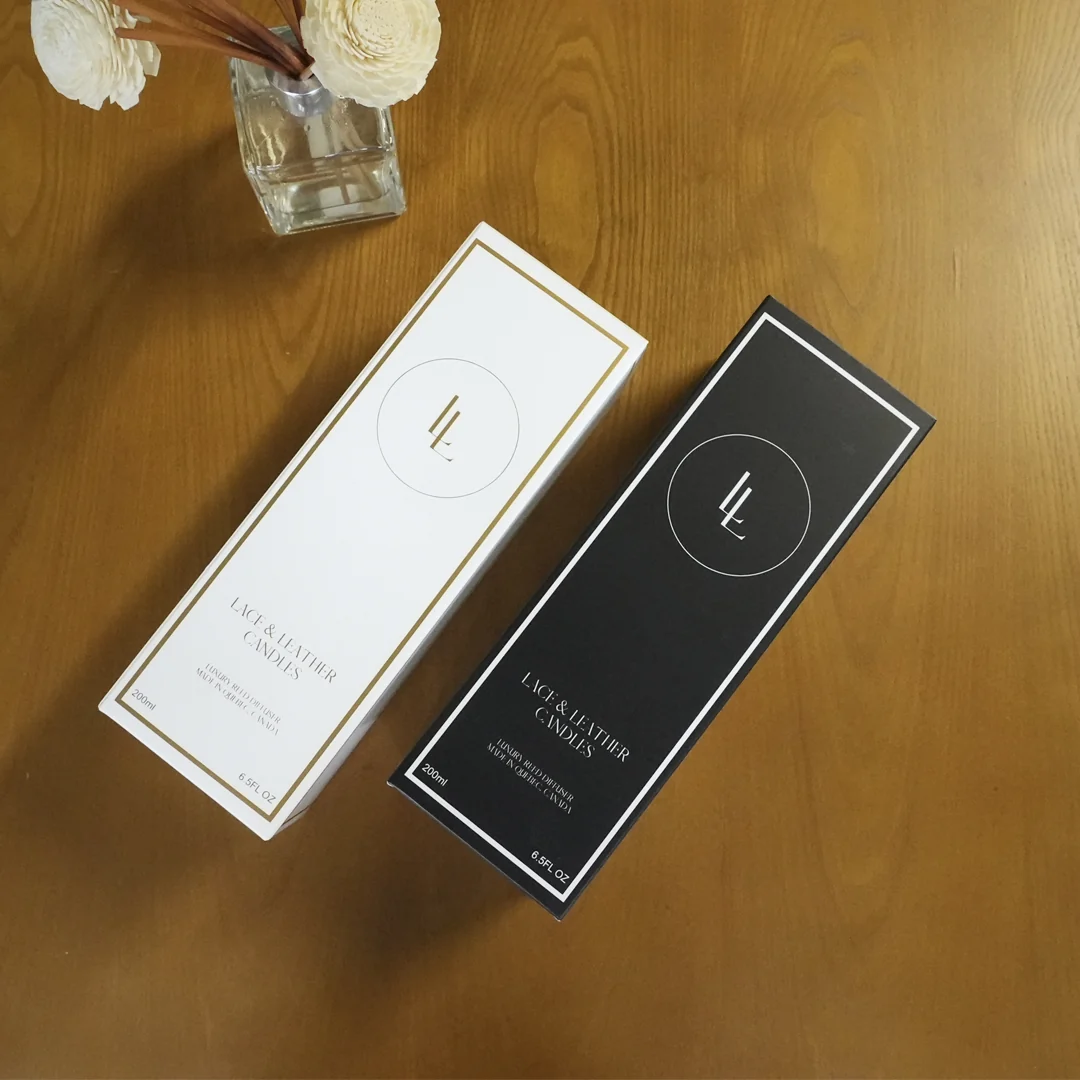
Example Project Brief
The assumed brief is a lidded glass candle that needs retail presentation and delivery protection. Use its final filled weight and finished label when comparing a tube or box. Treat the insert and delivery carton as part of the brief so a neat retail sample is not approved in isolation.
- A clean candle gift presentation
- Better support for the glass jar
- Reduced movement inside the box
- Packaging that could ship to customers
- A structure that protected the label and lid
- A sample review before bulk production
Resolve two different contact needs: support at the base and restraint around the jar. A snug side fit cannot compensate for inadequate bottom support, while excessive contact can mark the label. Compare the loaded sample after handling for compression, movement and rubbing before choosing decoration.
Packaging Risks to Review
A visually suitable candle box still needs checks for filled weight and movement.
Filled Weight
The filled jar is heavier than an empty sample, so the bottom would need stronger support.
Jar Movement
The jar could move inside the inner package if side gap and cushioning are not controlled.
Label Rubbing
The label could rub against the insert or box wall during packing and transport.
Carton Damage
Retail boxes and multiple jars would need outer carton protection and separation.
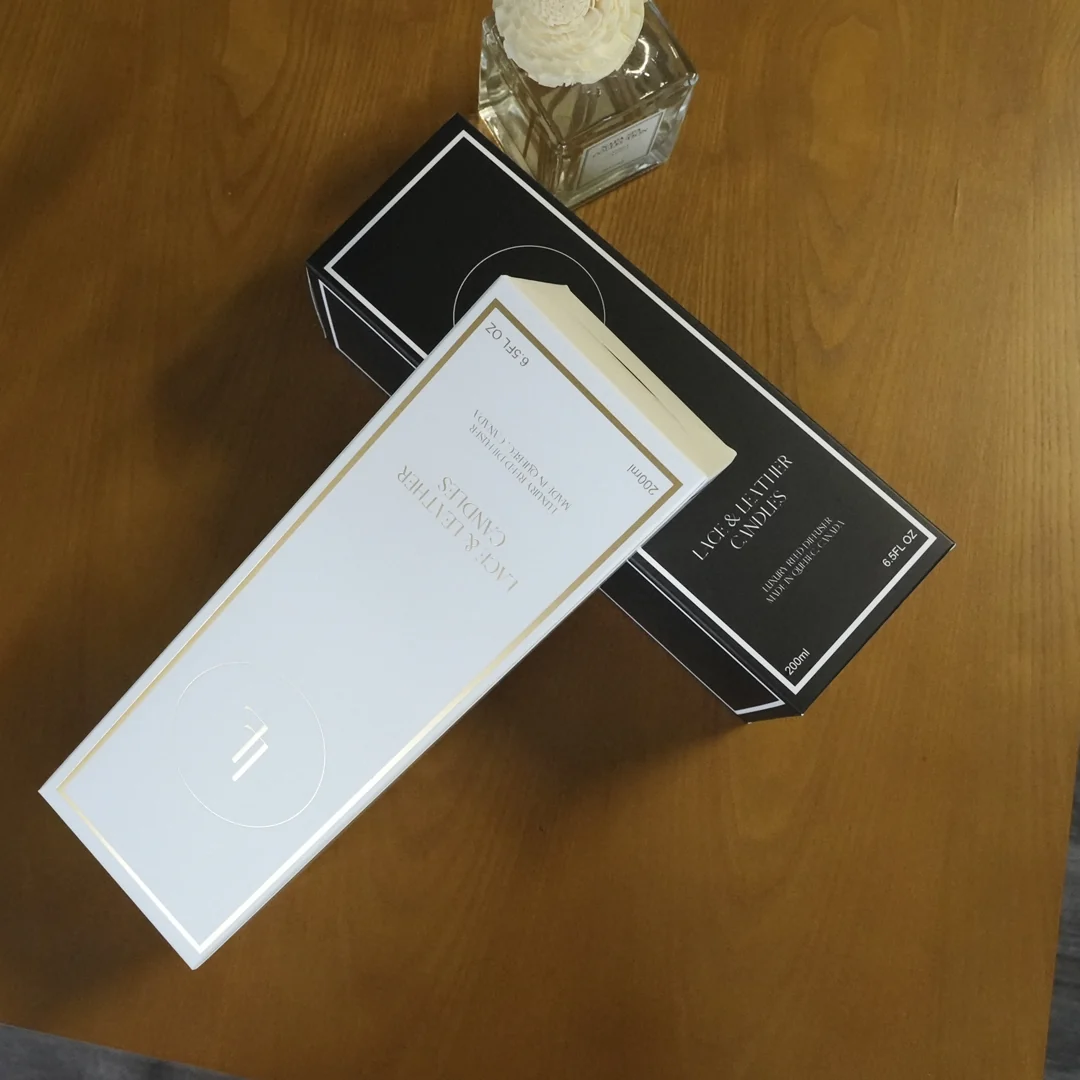
Jar Details to Review
Before sampling, review the jar as a finished product, not just an empty glass container. The filled weight affects insert strength, bottom support and outer carton planning.
A package that holds an empty jar may not safely hold the final candle after wax, lid and label are added.
Structure Direction
This example would need a packaging system, not only a single box. The candle should look good when opened, but the package also would need to reduce damage during delivery.
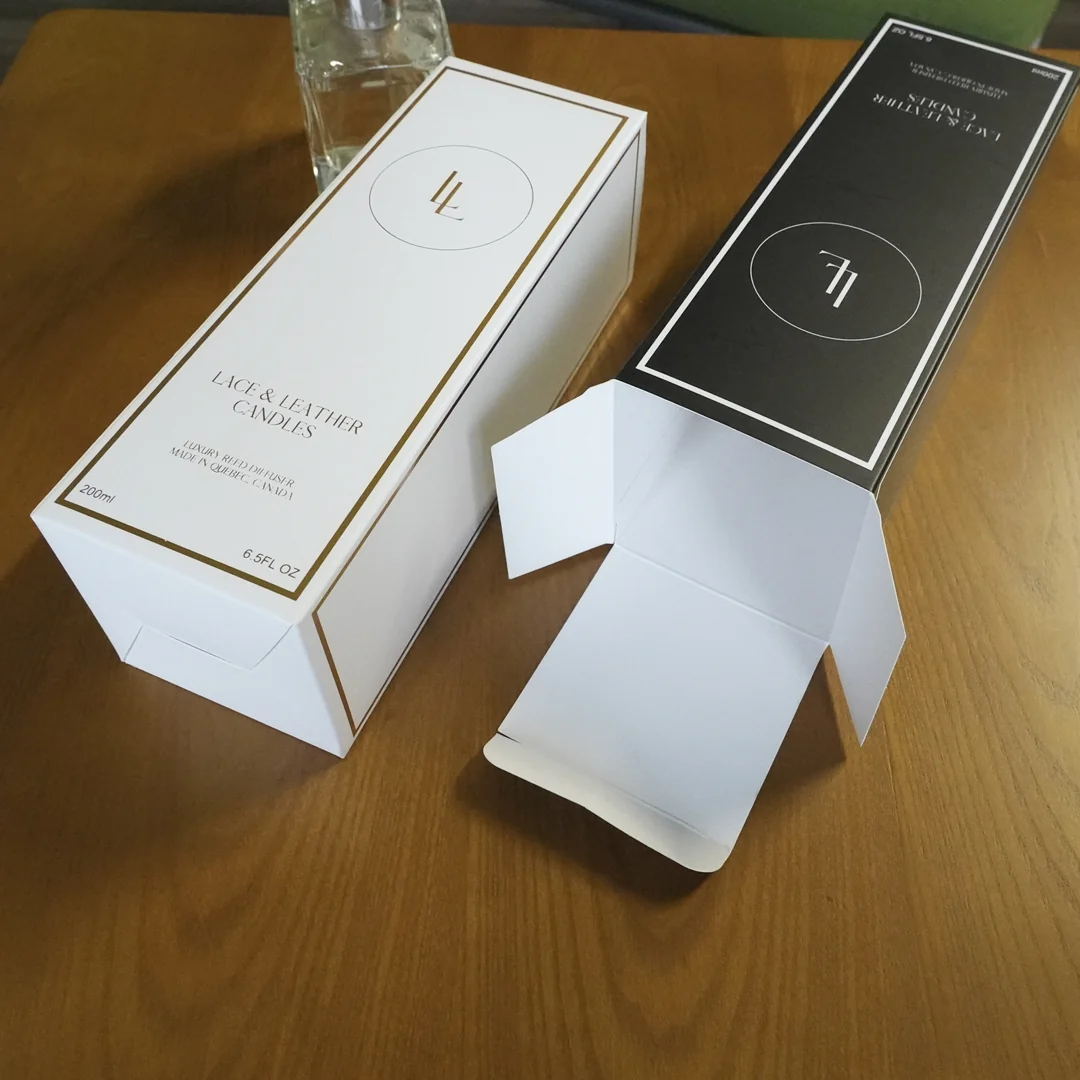
Inner Box or Tube
The inner package would need to fit the jar and support the retail opening view.
Bottom Support
The structure would need enough bottom support for the filled candle weight.
Outer Carton
Mailer or corrugated cartons should be reviewed for ecommerce and bulk delivery.
Bulk Packing
The packing method should reduce jar movement and protect finished box corners.
Cushioning Solution
Place the filled jar in the proposed support and check what carries its weight when the pack is lifted. Inspect any insert edge near the label, and verify that fingers can reach the jar without tearing the restraint. If the support compresses or moves, revise it before treating the outer box as approved.
- Jar side gap and bottom support
- Top clearance with the lid attached
- Whether the jar could rotate in the insert
- Whether the insert compresses under weight
- Whether the label rubs against support material
- Whether the jar could be removed easily
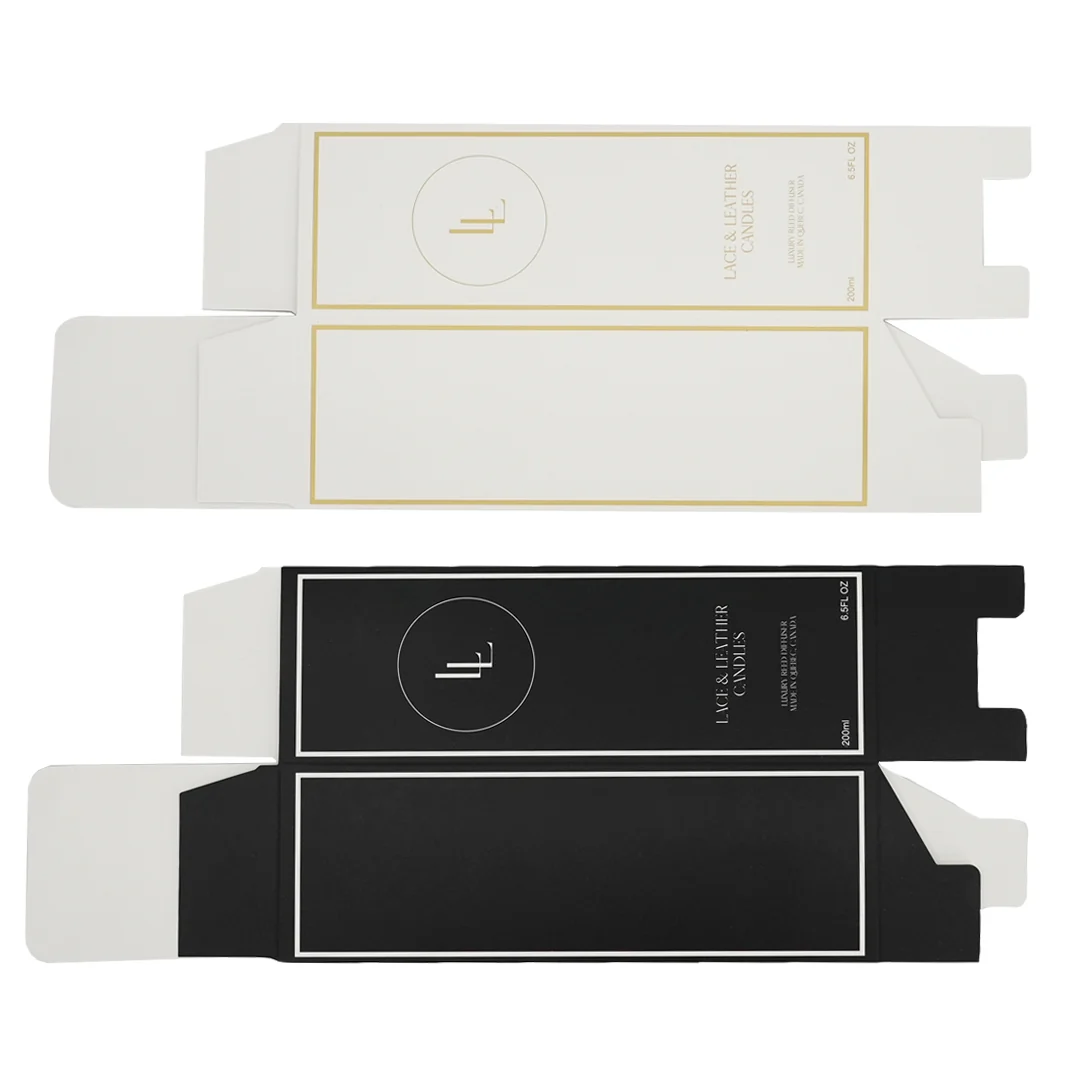
Outer Carton Review
Because the candle could ship through ecommerce or bulk delivery, the outer carton should be reviewed together with the inner packaging.
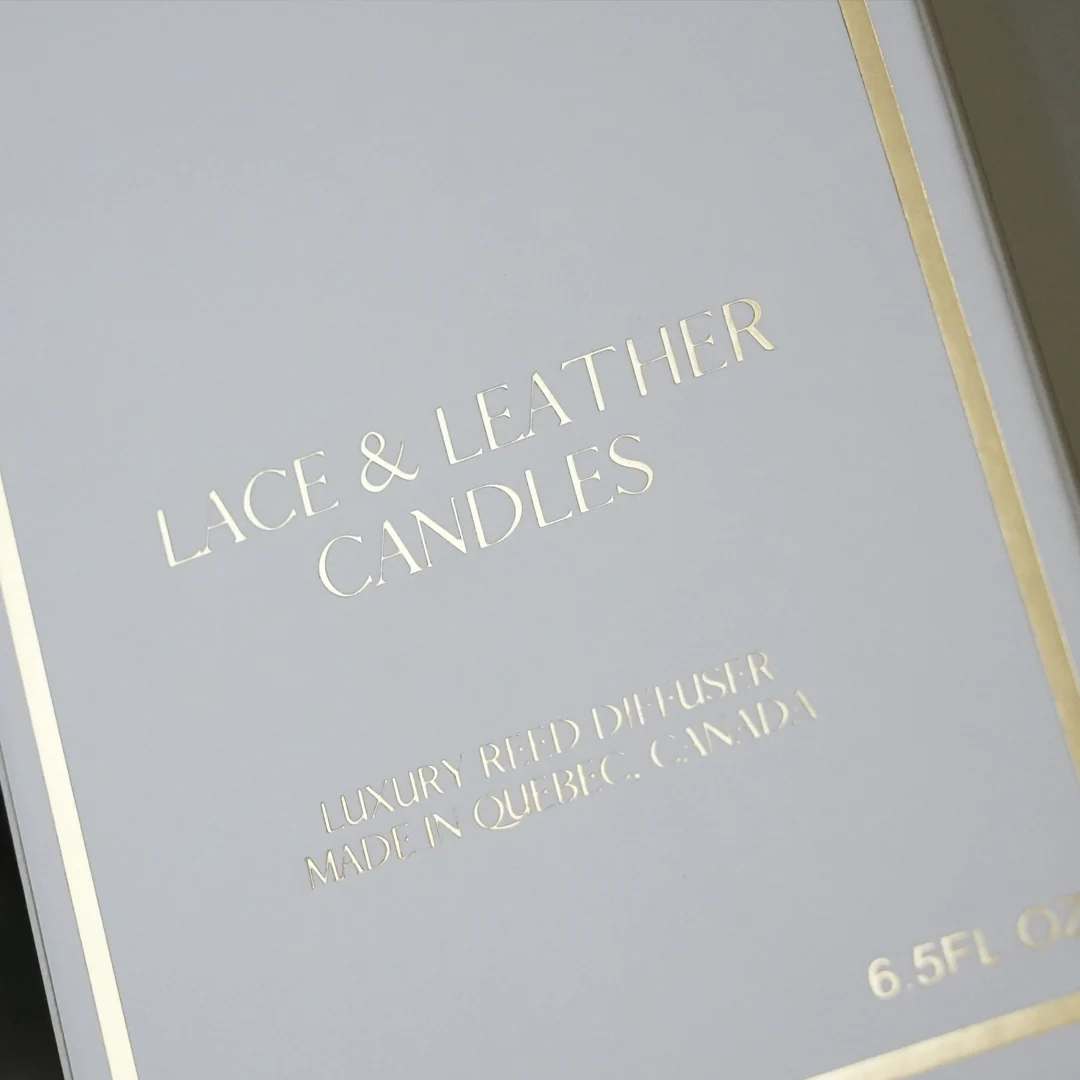
Carton Inner Size
The carton would need to fit the finished candle boxes without loose movement.
Divider Need
Consider dividers when several jars are packed in one carton.
Board Strength
Board strength and stacking direction should be reviewed for heavy candle cartons.
Corner Protection
The packing plan would need to protect finished box corners and visible surfaces.
For heavy candles, the outer carton matters as much as the inner box. Impact or stacking pressure can damage finished packaging if several candle boxes are packed without enough separation.
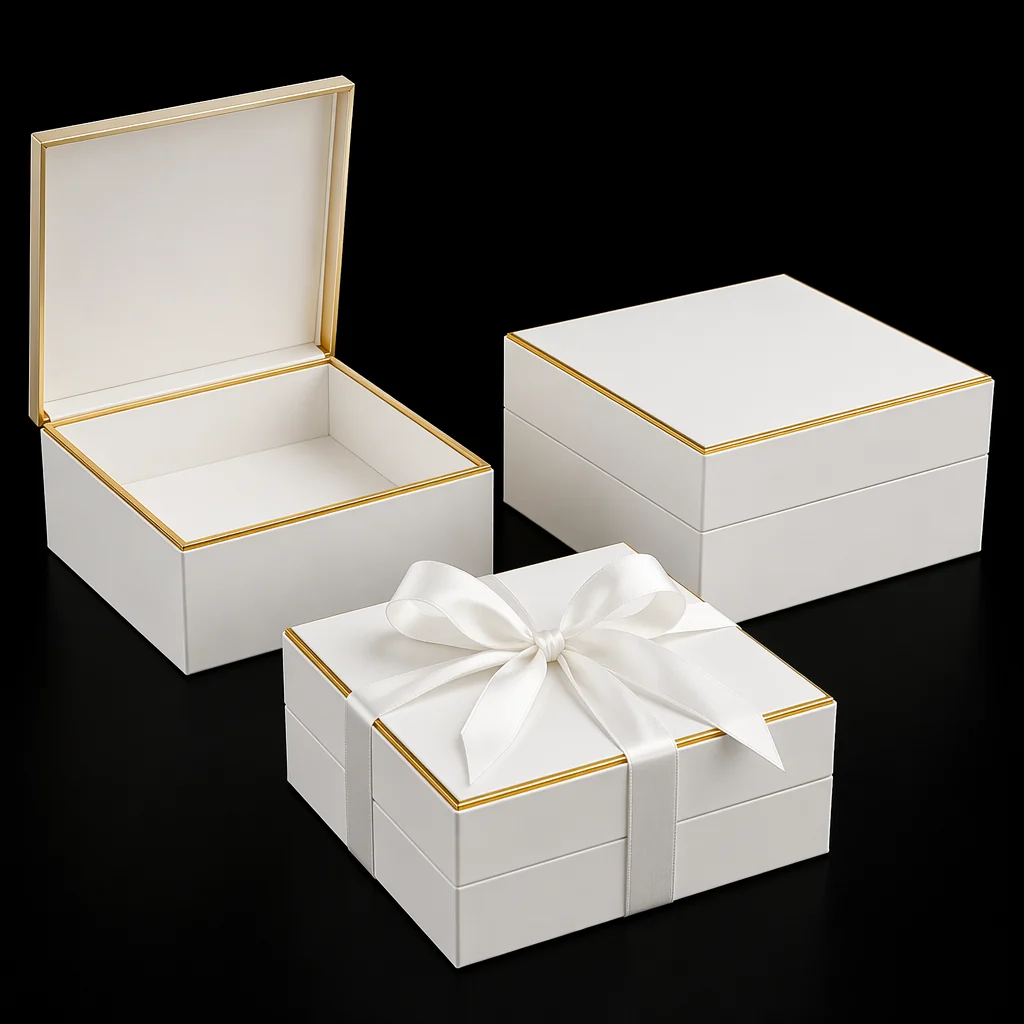
Label and Surface Check
The candle jar label is part of the product presentation. Rubbing against the insert or box wall can damage its appearance even if the jar stays intact.
- Label position on jar
- Insert edge contact and side gap around label area
- Whether the lid touches the top panel
- Whether paper surface scratched during packing
- Whether warning or care information would need extra space on the box
For candle products, a stable package should protect both the glass jar and the visible brand label.
Sample Review
Use the finished jar or an agreed representative dummy that reproduces both weight and contact shape. Open, close, lift and repack the sample, then inspect the base support and label. The observations guide structural revisions; they are not a substitute for a defined shipping test where one is required.
Jar Fit
Place the jar inside to check side gap, bottom support, top clearance and movement.
Insert Strength
The insert should be checked under jar weight to see whether it compresses or shifts out of position.
Label Protection
The jar label should be checked against the insert and inner wall to reduce rubbing.
Outer Carton
The finished candle box should be placed inside the carton to check arrangement and clearance.
Handling Review
The package should be tilted and handled to check whether the jar moves inside the structure.
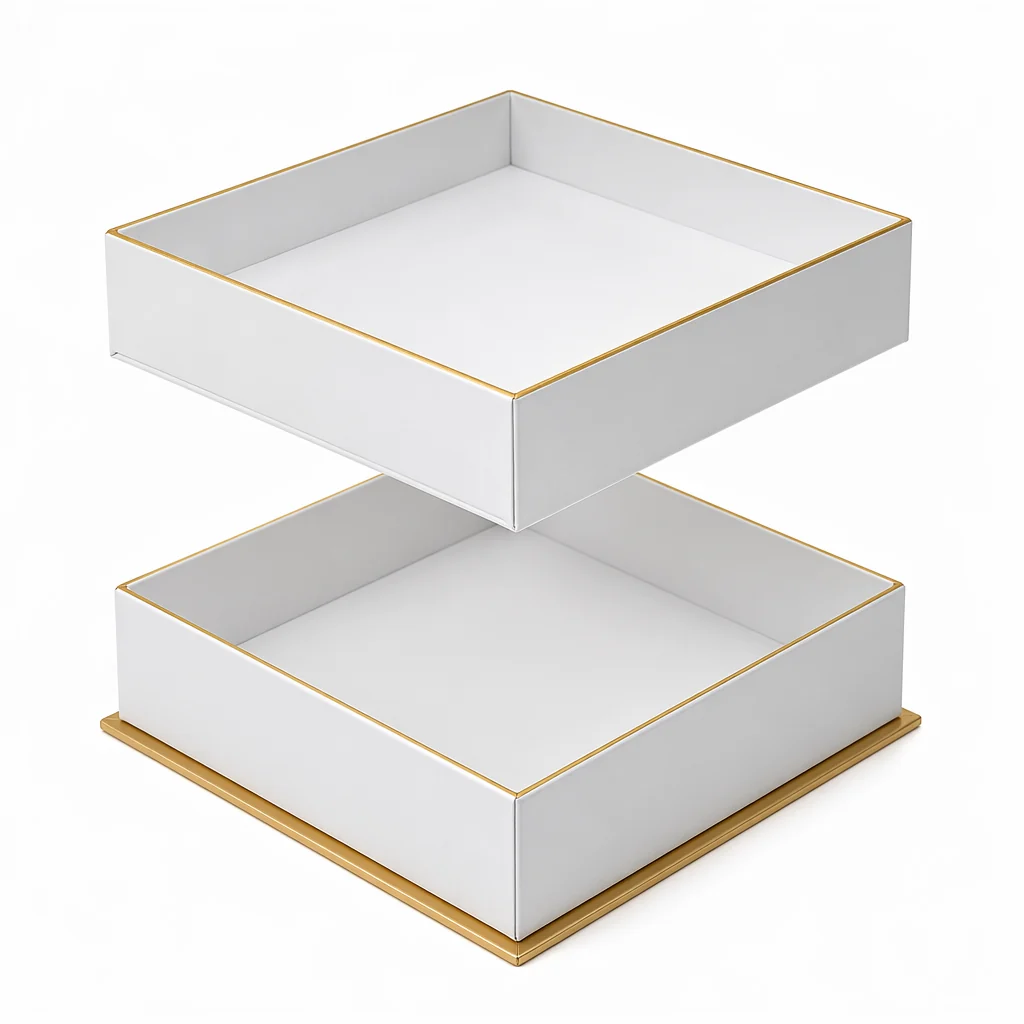
Potential Adjustments Before Approval
After sample review, several packaging details should be adjusted to reduce the risk of jar breakage and surface damage.
- Insert tolerance should be refined to reduce side movement.
- Bottom support should be strengthened.
- Top clearance should be confirmed with the jar lid.
- Outer carton layout should be reviewed for bulk packing.
- Divider use should be considered for multiple jars per carton.
- Surface protection should be added for finished boxes during shipment.
Make and approve changes before bulk production, while adjustments are easier to review.
Approval Targets Before Bulk Production
Before bulk production, approve the revised physical sample and record the following acceptance targets.
- Glass jar movement should be reduced.
- Bottom support should match the filled jar weight.
- Lid and label clearance should be checked.
- Outer carton arrangement should be confirmed.
- Finished candle boxes should be packed with attention to surface and corner protection.
For this application, candle packaging should be reviewed as a complete system: jar, insert, retail box and outer carton.
Buyer Planning Checklist
Use this application example for candle brands planning retail or ecommerce packaging.
Measure Finished Jar
Measure the candle with lid, label and final filled weight, not only the empty jar.
Control Side Gap
Side gap should reduce movement while avoiding label rubbing and hard removal.
Support the Bottom
Heavy jars need bottom support that matches the filled candle weight.
Plan Outer Cartons
Outer cartons, dividers and stacking direction should be reviewed before bulk packing.
Review Label Rubbing
The visible label should be protected from insert edges and box wall contact.
Use Real Weight
Approve samples with the actual jar or a weighted dummy to show realistic movement.
Related Packaging Options
These pages help review the candle box, outer carton, insert and inspection details behind a similar packaging project.
Custom Candle Packaging
Read the full candle packaging solution page for paper tubes, rigid boxes, mailer boxes and shipping protection.
View SolutionCustom Mailer Boxes
Review mailer box structure for ecommerce shipping and branded unboxing.
View Mailers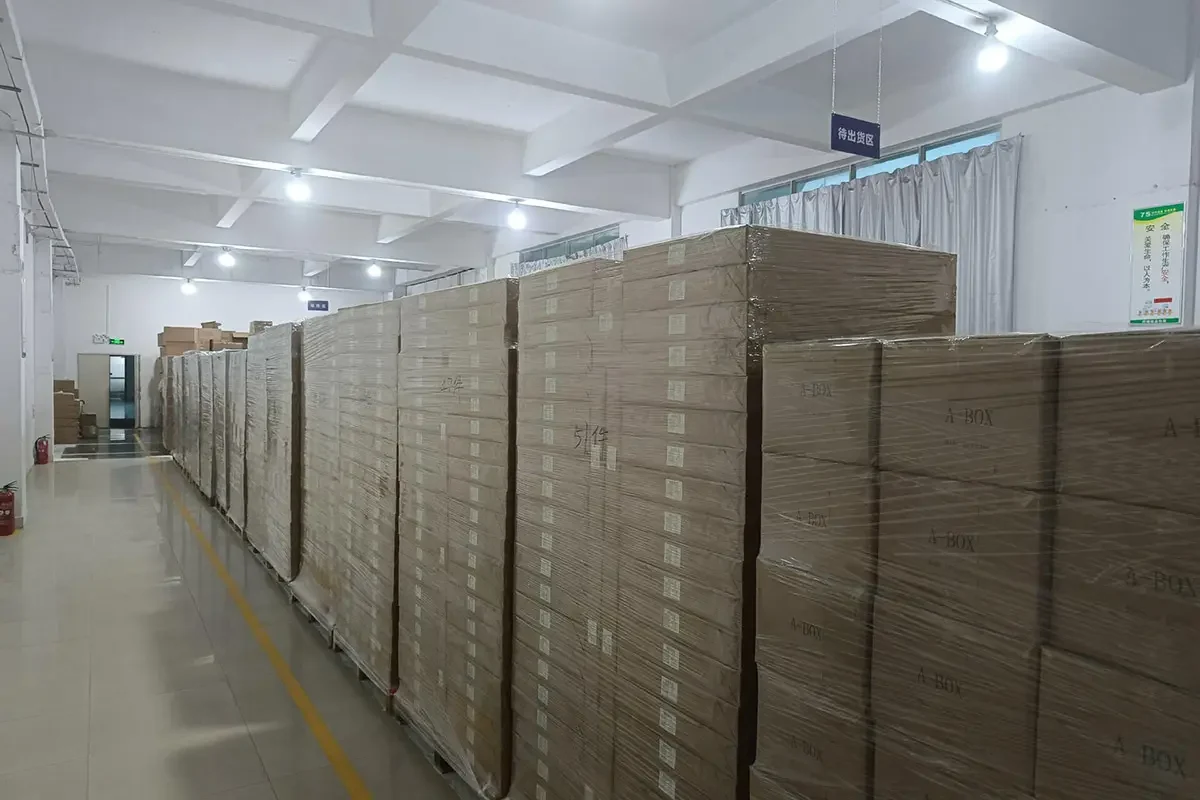
What to Send for Your Project
If you already have damage issues, send photos of the current packaging and breakage points so the packing plan can be reviewed more clearly.
- Candle jar photos, diameter and height including lid
- Filled candle weight and quantity
- Preferred packaging style or reference image
- Retail, gift or ecommerce use
- Logo or artwork file and insert preference
- Shipping destination, delivery method and bulk carton needs
For many custom candle packaging projects, MOQ is 500 pcs per design and size. Samples usually take 3–5 days after structure and artwork are confirmed. Bulk production usually takes 15–25 days after sample approval.
Ready to Discuss a Similar Candle Packaging Project?
Send your jar photos, diameter, height with lid, filled weight, quantity and shipping use. We can check the insert, box and outer carton before sampling.
Get a Packaging QuoteFrequently Asked Questions
Answers about candle jar testing, glass jar protection, inserts, dividers, sampling, MOQ and production timing.
Filled candle weight affects insert strength, bottom support and shipping protection. An empty jar may not show the same movement, pressure or carton stacking risk.
Paper tubes, rigid boxes, mailer boxes and corrugated cartons can all work depending on presentation and shipping needs. Glass jars often need inserts, pads or dividers.
Breakage risk can be reduced by controlling side gap, adding bottom support, using inserts or dividers, and planning a suitable outer carton.
The jar label is part of the product presentation. If the label rubs against the insert or box wall, the product can look damaged even when the glass jar is not broken.
Dividers may be needed when several jars are packed together or when products can hit each other during shipping.
Yes. A candle package can use a retail or gift presentation box with an outer mailer or corrugated carton for shipping protection.
Samples are usually finished in 3-5 days after structure and artwork are confirmed. Complex inserts, special materials or outer carton planning may need extra time.
For many custom candle packaging projects, MOQ is 500 pcs per design and size. Confirm material, printing, insert and outer carton requirements with the quotation; the minimum remains 500 pcs per design and size.