Logistics
This guide breaks down the realistic timelines for custom packaging production in 2026, from initial design to doorstep delivery.
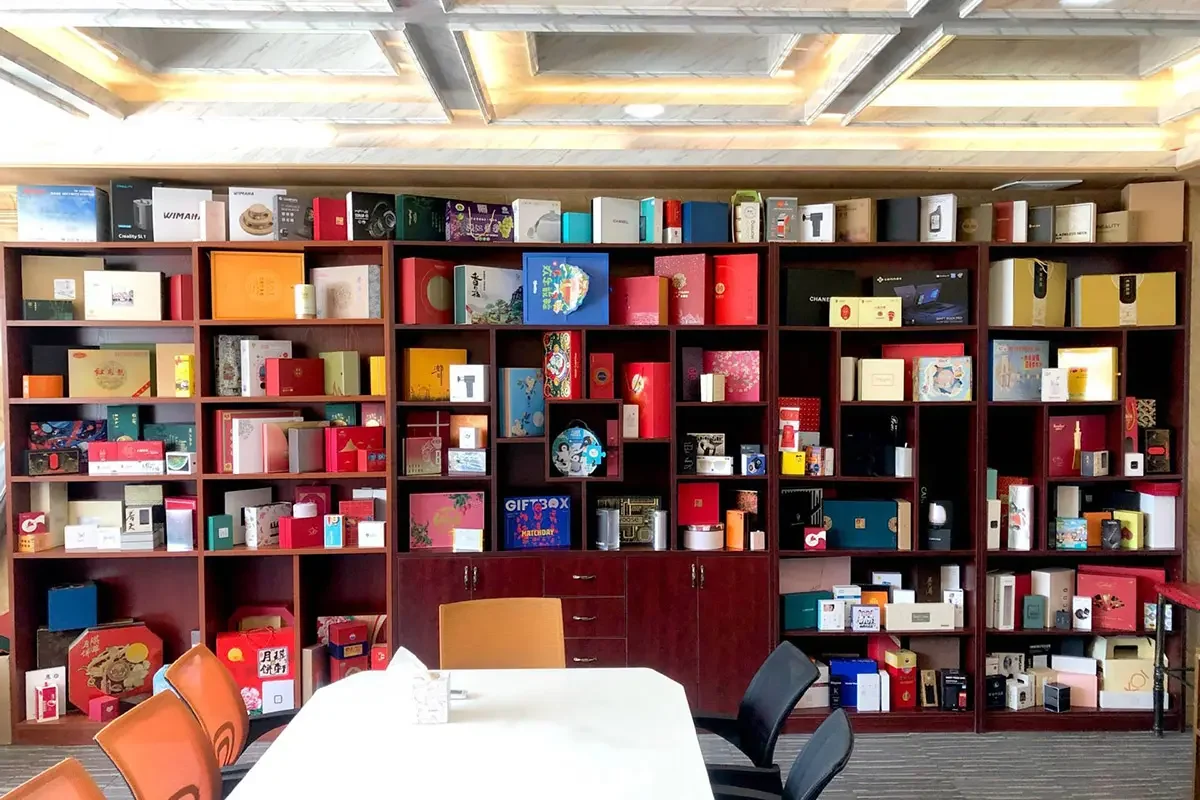
1. Design and Sampling: Allow 3–5 Days for Sample Production
Start the sample clock only when the structure, artwork and required materials are confirmed. Decide who receives the sample and who can approve it; a sample completed at the factory is not yet a sample reviewed by the buyer. Keep courier delivery and revision time outside the manufacturing interval.
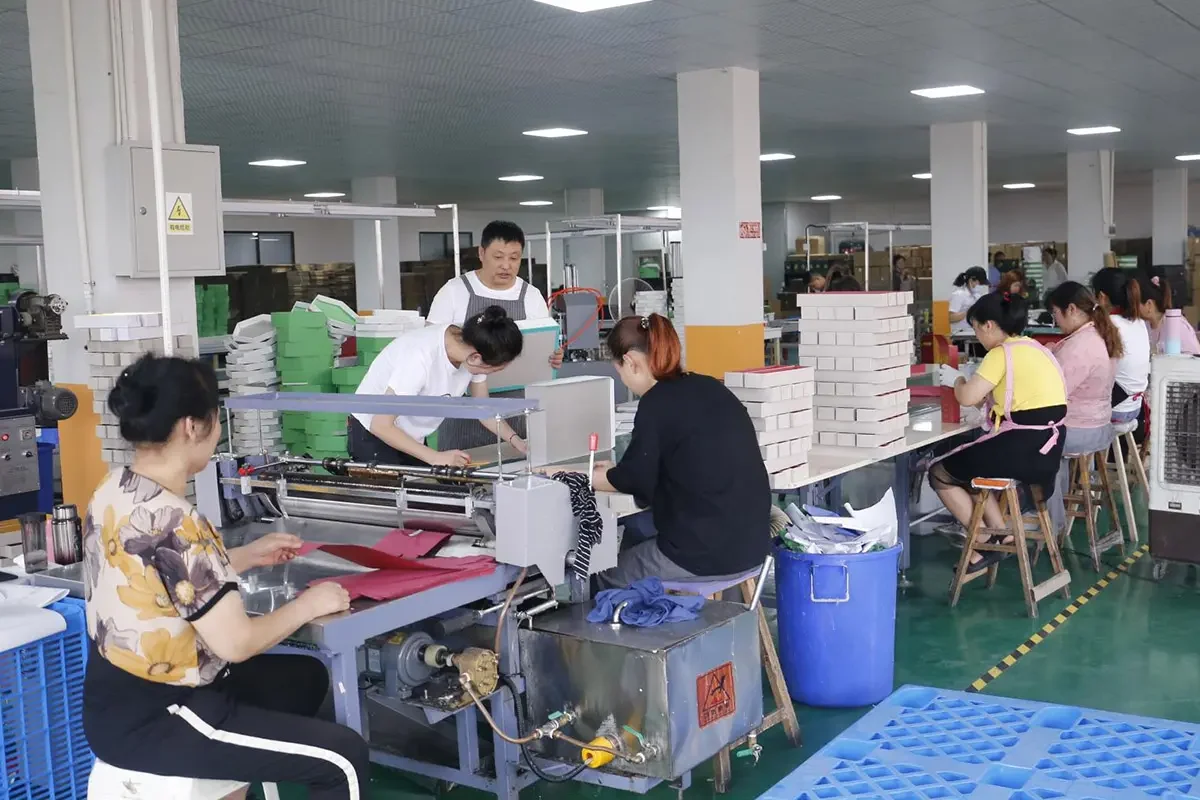
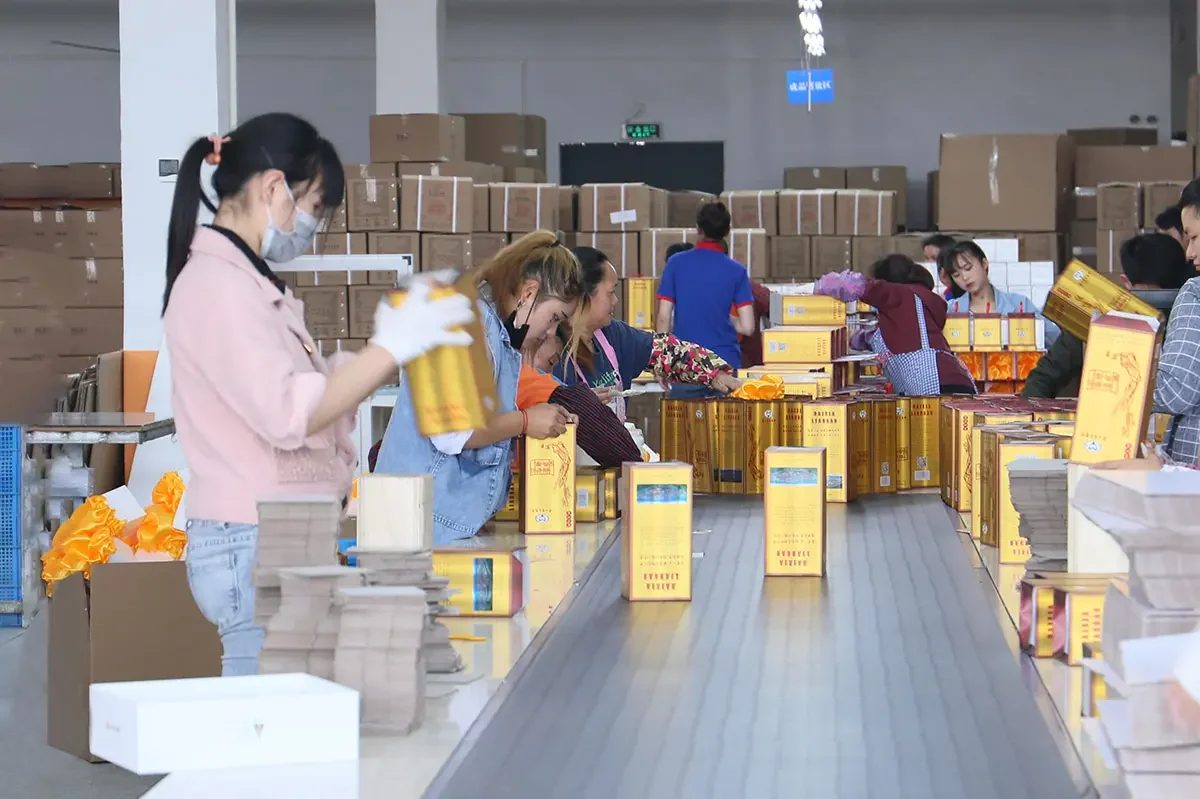
2. Mass Production: Usually 15–25 Days
Bulk timing begins after the required approvals and order details are settled. Ask for the planned completion date as well as the sequence of printing, finishing, insert supply and assembly. A published normal range does not reserve capacity or replace a project-specific production slot.
Production Days by Structure (After Sample Approval)
Use 15–25 days as the normal bulk-production range after sample and order confirmation. Structure, finish count, materials and the production queue affect the confirmed schedule, as explained in "What Adds Days" below.
| Structure | Typical Production Days | Why |
|---|---|---|
| Printed folding carton / mailer | 15–25 days | Single-pass converting, no separate assembly step |
| Magnetic rigid box (one-piece wrap) | 15–25 days | Adds wrapping and magnet-insertion stages |
| Lid-and-base rigid box | 15–25 days | Lid and base are wrapped and matched as separate components |
| Sliding drawer / telescoping box | 15–25 days | A third component (sleeve or drawer) is converted and fitted |
| Multi-piece with 2+ finishes or a custom insert | 15–25 days | Each finish and the insert are separate passes with their own queue |
The table gives a normal planning range rather than a separate guaranteed lead time for each structure. A single job can move outside these ranges depending on order quantity, current factory load and how many finishes stack on one structure -- confirm the date range in writing before it affects a launch plan.
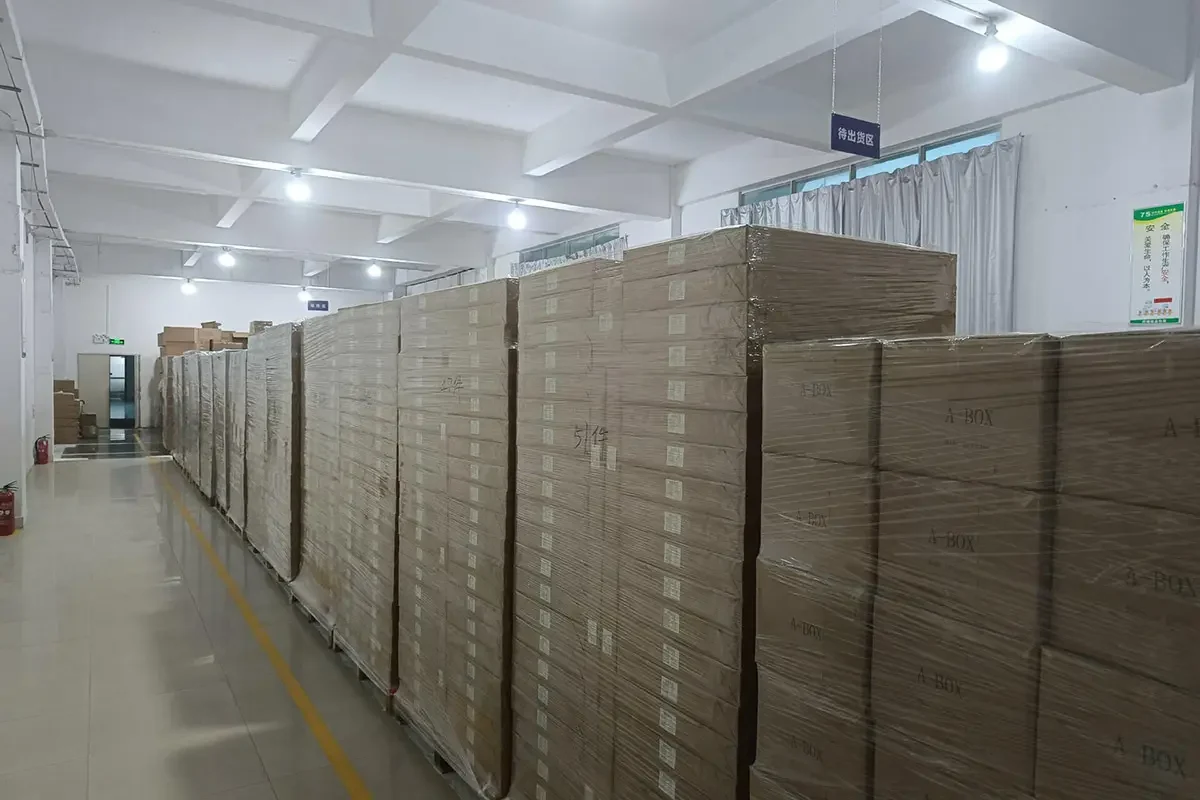
3. Shipping & Logistics (5 - 35 Days)
Shipping choice depends on your budget and urgency:
- Air Express (DHL/FedEx): 5-8 business days. Best for launch-critical stock.
- Air Freight: 10-14 days. A middle ground for larger volumes.
- Sea Freight: 25-35 days. The most cost-effective for large bulk wholesale orders.
4. Avoiding Peak Season Delays
The "Golden Quarter" (October-December) and Chinese New Year are peak periods. We recommend placing holiday packaging orders no later than August to ensure on-time delivery without expedited shipping fees.
What Adds Days: Finishes, Inserts and Approvals
Each finish is a separate pass through a separate machine, and each pass has its own queue. Hot-foil and embossing need dies made before they can run; soft-touch lamination needs curing time before the paper can be wrapped; a die-cut foam or moulded pulp insert is often made by a different workshop and has to arrive before assembly starts. A box with three finishes and a custom insert can add a week to a plain-wrapped box of the same size.
Approvals are the hidden variable. Every day a sample or an artwork proof waits for sign-off is a day the production slot moves, and slots do not wait. Agreeing in advance who approves and how fast is the cheapest lead-time reduction available.
Freight Options and Transit Windows
Express courier suits launch-critical quantities that fit a few cartons; the cost per box is high but transit is measured in days. Air freight is the middle ground for pallet quantities where a week matters. Sea freight is the economical route for full production runs, and its transit time is only part of the story: booking, port handling and customs clearance at each end add days that a quoted 'sailing time' does not include.
Rigid boxes ship assembled, so freight volume, not weight, sets the price. Collapsible constructions or shipping the boxes flat with inserts packed separately can change the freight class entirely.
How to Plan Backward From a Launch Date
Start from the day the packaging must be in your warehouse and subtract in this order: inbound customs and delivery, transit, production, sample approval, artwork approval, and the time you need to gather artwork and specifications. Add a buffer for the stage you control least, which is usually your own approvals. If the result lands before today, the fix is to remove a finish or choose faster freight, not to hope the factory can compress its steps.
Peak-season buffers are real. Orders due in the fourth quarter or immediately after Chinese New Year should be placed with an extra two to four weeks of margin, because every factory's schedule is fullest then.
Plan Your Production Timeline
Contact us with your launch date, and we'll work backward to create a production schedule for you.
Check Availability → WhatsApp Sales
Next Step
Put this guide into practice
Track approval, sample dispatch, bulk completion, inspection and cargo handover as separate milestones. Escalate a missed dependency while there is still time to revise the launch or shipping plan.