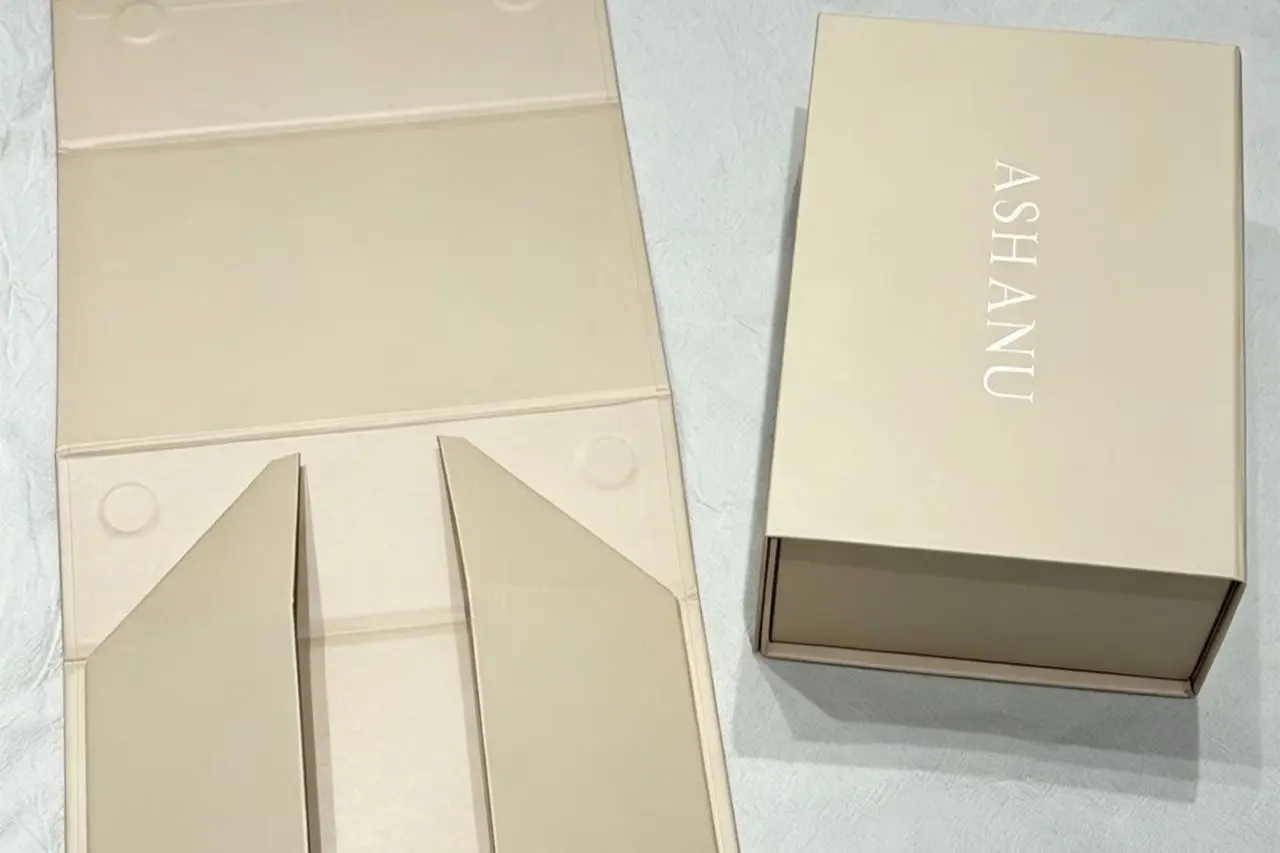

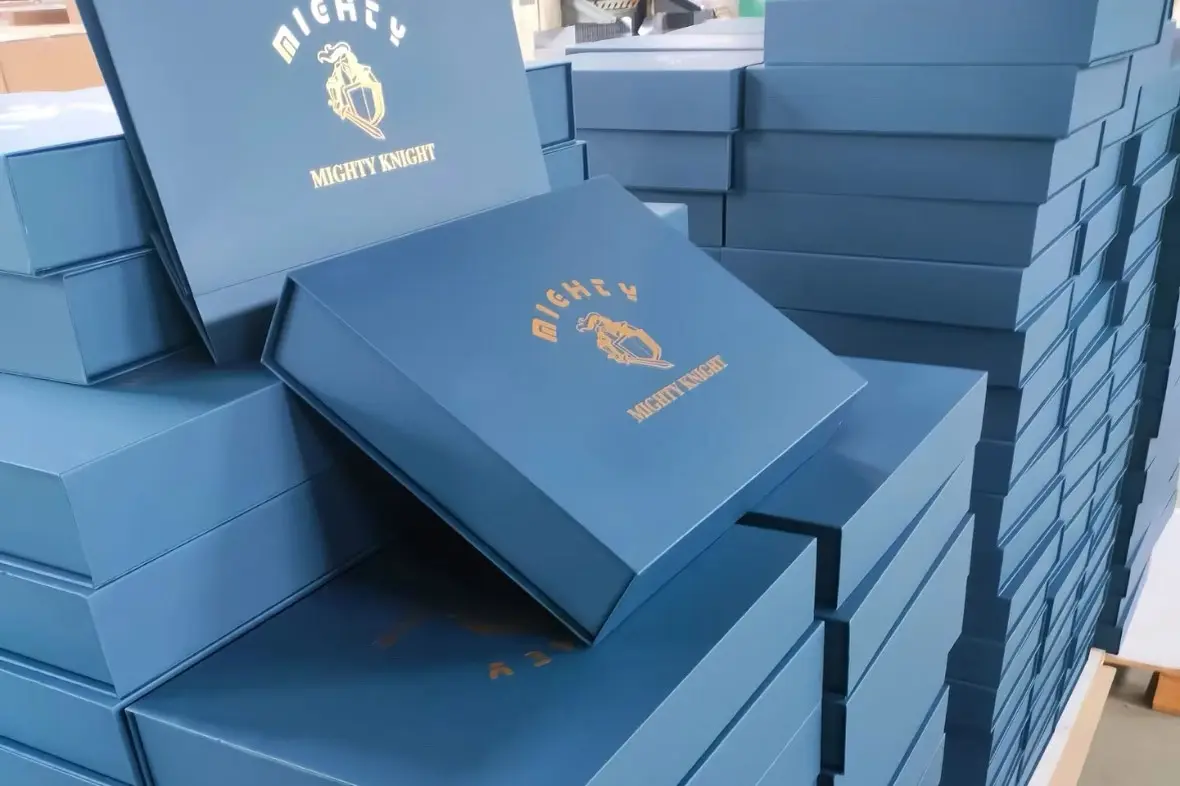
MOQ is one of the first questions buyers ask when they start a custom packaging project. It is also one of the easiest details to misunderstand. Custom packaging MOQ is not only a sales rule. It is connected to material purchasing, printing setup, finishing setup, die cutting, manual assembly and packing time. When the quantity is low, the factory still needs to prepare almost the same production steps before the first finished box is made.
At LuxoPacks, the starting MOQ for many custom packaging projects is 50 pcs. This can work well for small brand launches, sample runs, gift projects and early product testing. But the practical MOQ still depends on the box structure, material, logo finish, insert type and how much handwork the packaging needs.
If you are not sure whether your quantity is suitable, you can send LuxoPacks your box size, style, logo file and target quantity. We can check whether a simple structure or a more premium box makes sense before sampling.
- MOQ depends on the box structure, material, logo finish, insert and production setup.
- Many LuxoPacks projects can start from 50 pcs, but lower quantity usually means higher unit cost.
- Sampling is still important before bulk production, especially for premium structures and custom inserts.
What MOQ Means in Custom Packaging
MOQ means minimum order quantity. In custom packaging, it refers to the lowest quantity that is practical to produce for a specific box style, material, print method and finish.
For ready-made packaging, suppliers may keep stock. For custom packaging, the box is made for your product, your size, your logo and your artwork. That means the factory needs to prepare material, make a dieline, set up printing, arrange finishing and assemble the boxes for your order.
This is why MOQ changes from project to project. A simple printed paper bag is different from a magnetic rigid box with EVA insert and foil stamping. Both can be custom packaging, but the production setup is not the same. When buyers ask only "What is your MOQ?", the better answer is often "What box style are you making?"
Why Custom Packaging Has MOQ
Custom packaging has MOQ because every order uses production resources before the first finished box is made.
For example, the factory may need to:
- Confirm box size and structure
- Prepare a dieline
- Purchase or cut paper material
- Set up printing
- Make or adjust cutting tools
- Arrange foil stamping, embossing or lamination
- Cut and assemble inserts
- Check sample details before bulk production
- Pack finished boxes safely for shipping
Some of these steps are almost the same whether the order is 50 pcs or 500 pcs. This is why the unit cost is higher at lower quantities. It is not only about paper cost. Setup time, labor and finishing preparation also matter, and handmade structures carry more of that cost.
What Affects Custom Packaging MOQ
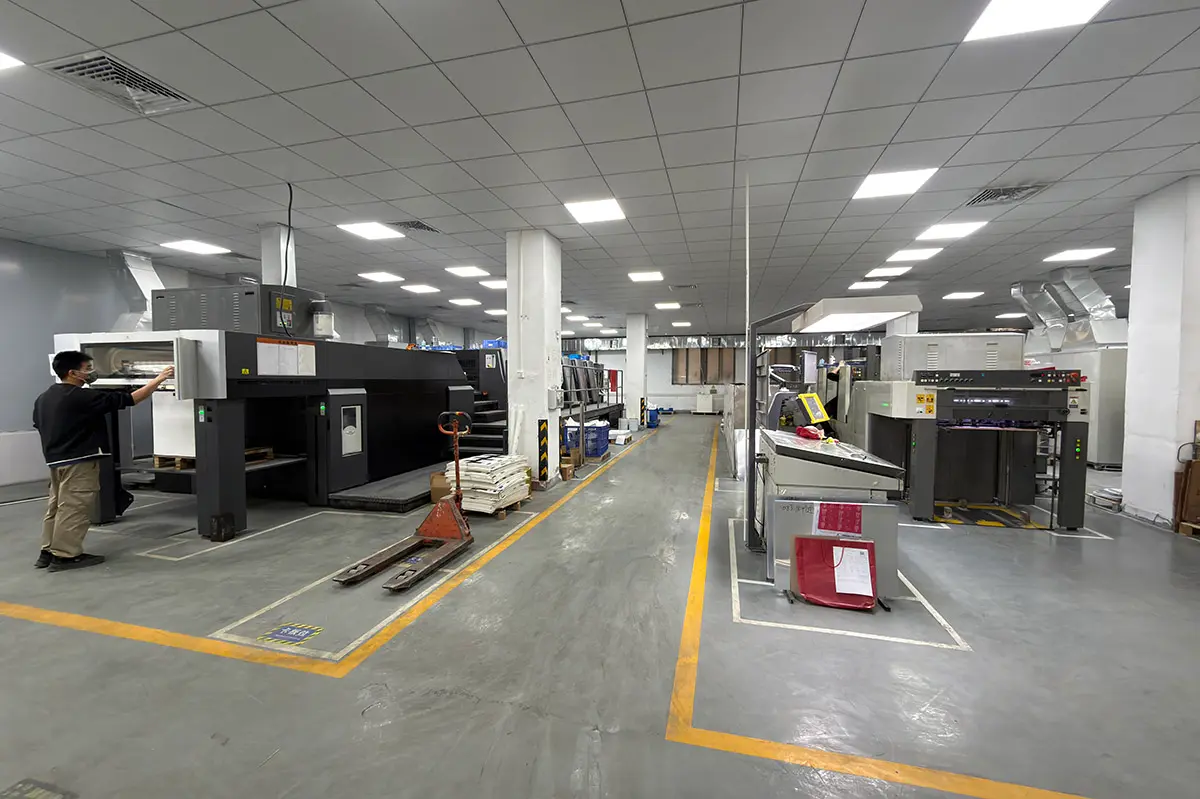
MOQ depends on several production details. Before choosing the lowest possible quantity, it helps to understand which parts of the packaging make the order more complex.
Box Structure
Simple structures have more flexible MOQ. A folding carton or simple paper bag can often be easier to produce in a smaller quantity than a complicated gift box with several handmade parts.
For example, custom folding carton boxes are efficient for retail packaging because they can be printed, die cut and shipped flat. A rigid gift box needs board cutting, wrapping, corner work and assembly, so the setup is different.
Material
Material choice can affect MOQ when the paper is not a standard stock material. Common coated paper, kraft paper, corrugated board and greyboard are easier to arrange. Specialty paper, textured paper or custom-dyed paper may require a higher practical quantity because the material supplier may also have its own minimum.
If your quantity is close to MOQ, it is often better to choose a standard paper and spend the budget on logo finish or insert quality.
Printing Method
Printing setup matters. Offset printing, screen printing, digital printing and label application all behave differently at low quantity.
For small runs, the factory may suggest a simpler print method or fewer print colors if it helps control cost. For larger runs, offset printing can be more efficient and consistent.
If your artwork uses large dark areas, gradients or strict brand colors, sampling becomes more important because paper surface and printing method can change the final result.
Logo Finish
Logo finishing can increase setup work. Foil stamping, embossing, debossing and spot UV may require plates or extra production steps. The cost is not only based on the number of boxes, but also on the setup needed to make the finish clean.
For low MOQ projects, a simple logo print may be more practical. If the product is positioned as a premium gift, foil stamping can still be worth it, but the buyer should expect a higher unit cost. Large foil areas, tiny text and thin logo lines should be checked during sampling because they may not stamp cleanly on every paper surface.
Insert Structure
Inserts can make MOQ and cost change quickly. A simple paperboard insert is easier to produce than a custom EVA foam insert with several cutouts.
For products like perfume bottles, candles, jewelry sets and watches, the insert is not optional if the product needs to stay in place. In that case, the right insert can reduce movement during shipping and improve the unboxing experience.
You can review custom packaging inserts before deciding whether paperboard, EVA, foam or molded pulp is suitable for your project.
MOQ by Common Box Type

MOQ is not the same for every packaging structure. These practical notes help buyers understand why a supplier may answer differently for each box type.
| Packaging type | MOQ flexibility | Notes |
|---|---|---|
| Folding carton boxes | Usually more flexible | Efficient for retail units and higher quantity products |
| Paper bags | Usually flexible | Material, handle type and logo finish affect cost |
| Mailer boxes | Medium flexibility | Corrugated board, print area and shipping strength matter |
| Rigid boxes | Medium flexibility | More handmade steps, higher setup and assembly work |
| Magnetic closure boxes | Medium to lower flexibility | Magnet placement and flap alignment need sample checking |
| Drawer boxes | Medium flexibility | Drawer friction and tray fit should be checked in sample |
| Paper tubes | Depends on size and material | Tube diameter, lid style and paper wrapping affect setup |
| Custom inserts | Depends on material | EVA, foam and molded pulp may require more setup |
For luxury projects, custom rigid boxes and custom magnetic closure boxes can be produced in smaller quantities, but the buyer should expect a higher unit price than simple flat paperboard packaging. The sample should also check corner wrapping, closure gap, logo position and insert fit before bulk production.
How Low MOQ Affects Cost
Low MOQ is useful for testing a product, launching a small collection or preparing a limited gift project. But buyers should understand how it affects cost.
At lower quantities, each box carries a larger share of:
- Dieline setup
- Print setup
- Foil or embossing setup
- Material preparation
- Manual assembly
- Packing work
- Sample adjustment time
This is why 50 pcs may be possible, but the unit price will be higher than 500 pcs or 1,000 pcs. The lower the quantity, the more important it is to keep the structure clean and avoid unnecessary finishing steps.
If cost is sensitive, we usually suggest simplifying the structure first. For example, choose a standard rigid box structure, reduce special finishes, use a paperboard insert instead of EVA, or keep the logo finish to one clean process. This usually gives a better result than forcing a complex luxury box into a very small budget.
When 50 pcs Is a Practical Starting Point
MOQ 50 pcs can be practical when the project is small but still needs custom branding.
It can work well for:
- New product launch samples
- Boutique brand packaging
- Limited gift projects
- Influencer or PR kits
- Event packaging
- Corporate gift tests
- Early ecommerce product testing
For these projects, the goal is often not the lowest unit price. The goal is to confirm the structure, check the brand presentation and prepare for a larger order later.
If your project quantity is close to 50 pcs, keep the design focused. A simple structure with good paper, clean logo placement and a secure insert often works better than a complicated box with too many custom details.
When a Higher Quantity May Be Better
Low MOQ is helpful, but it is not always the best purchasing decision. If you already know the product will be sold for several months, or if the same box can be used for multiple SKUs, a higher quantity may reduce the unit cost and make the production setup more worthwhile.
A higher quantity may be better when:
- The box structure needs foil stamping, embossing or a custom insert
- The same packaging can cover more than one product variant
- You need consistent color across a retail launch
- You plan to reorder soon after the first batch
- The product has already passed market testing
For first-time buyers, one practical approach is to sample the structure first, place a small launch order if needed, then increase the quantity after the packaging and product fit are confirmed.
How to Reduce Risk Before Bulk Orders
Low MOQ does not remove the need for sampling. In many cases, sampling is even more important because small projects often have tight budgets and less room for mistakes.
During sample review, check:
- Box size and product fit
- Insert tightness
- Logo position
- Paper color and texture
- Fold lines and corners
- Magnetic closure strength
- Drawer sliding feel
- Foil stamping or embossing result
- Packing method for shipping
LuxoPacks sample time is usually 3-5 days after the structure and artwork are confirmed. Bulk production usually takes around 15-20 days after sample approval, depending on structure, material and finishing. You can review the sampling process if your order has a launch date or retail delivery deadline.
Before approving the sample, do a simple handling check: open and close the box several times, tilt it with the product inside, check whether the insert holds the product, and confirm whether the logo position still looks right after assembly.
Common MOQ Mistakes Buyers Should Avoid
Choosing the Most Complicated Box at the Lowest Quantity
A small quantity does not mean every custom detail is practical. Magnetic closure, drawer structure, foil stamping, EVA insert and specialty paper can all be made, but combining everything at a very low quantity may push the unit cost too high. If the first goal is market testing, keep the structure simple enough to reorder or adjust later.
Asking for a Price Without Size or Structure
The box size and structure have a direct effect on cost. A supplier cannot quote accurately from only a product name. Even a rough product size, product weight and preferred packaging style will make the first quote much more useful.
Ignoring the Insert
For glass bottles, candles, jewelry and watches, the insert can decide whether the package feels secure. If the product moves inside the box, the customer may think the packaging is poorly made even if the outer box looks good. For low MOQ orders, a paperboard insert may be a more practical first option than EVA if cost is tight.
Skipping the Physical Sample
A rendering cannot show magnet strength, drawer friction, foil brightness, paper texture or product fit. For custom packaging, a physical sample is the safest way to confirm details before bulk production. This is especially true when the order quantity is small and every finished box needs to be usable.
What to Prepare Before Asking About MOQ
To check MOQ and price more accurately, prepare these details:
- Product size
- Product weight
- Target quantity
- Preferred box style
- Material preference
- Logo file or artwork
- Printing colors
- Finish requirements
- Insert requirements
- Delivery country
- Target deadline
If you do not know the box style yet, send product photos and product size. LuxoPacks can suggest a practical structure based on your budget, quantity and sales channel.
Ready to check your MOQ? Send LuxoPacks your packaging details and we can recommend a suitable starting quantity before sampling.