Sourcing Guide April 8, 2026
A live walkthrough can clarify what a supplier makes, where it works and how orders are checked. Prepare questions around your product and ask to see connected evidence, while recognizing that a video call does not replace an independent audit.
Verification should change the purchasing decision. Use the walkthrough to resolve specific questions about production and accountability, and carry unanswered points into the document and sample review rather than treating the call as a ceremonial approval.
A structured video call can help you screen a supplier before committing to a bulk order. Combine it with document checks, a physical sample and an inspection arrangement proportionate to the order.
This guide gives you everything you need to run that call — what to ask, what to look for, and what answers should make you pause.
Why a Video Call is Not Enough on Its Own — But Still Essential
Decide what observation would support or contradict the proposed production route. Ask to see the operations your box requires and have the supplier explain inputs, handoffs and checks. A general tour of busy machines is less useful than a coherent account of how your specific construction would be made.
The key is to treat it like an interview — not a sales call. You're asking specific questions, requesting specific things to be shown on camera, and watching for how the factory responds (not just what they say).
💡 Best Practice
Agree a call during the relevant production shift. Ask which processes will be running and which areas can be shown; shift patterns, confidentiality and safety restrictions vary. Follow up on any essential process that is unavailable during the call.
Step 1: Set Up the Call Correctly
Send a short route-specific agenda before the call. Include the box drawing, operations to discuss and the person who can answer technical questions. Keep records of unanswered points and follow them up with documents or samples rather than treating a smooth presentation as approval.
Before the call begins, confirm:
- Who you're speaking with — Request your direct contact (sales) plus someone from production (factory manager or QC lead). Not just a translator.
- Duration — Allow 60–90 minutes as a planning example for a detailed walkthrough, and agree the agenda first. A 20-minute call may cover a narrower scope; duration alone does not prove whether the supplier operates the facility.
- Platform — WhatsApp video or WeChat video are most common. Zoom works if they have good internet on the factory floor.
- Advance notice — Offering 48 hours is one scheduling option, not a verification standard. Confirm staff availability, production activity and any filming restrictions; being available immediately does not establish or disprove manufacturing capability.
Step 2: Verify the Production Facility
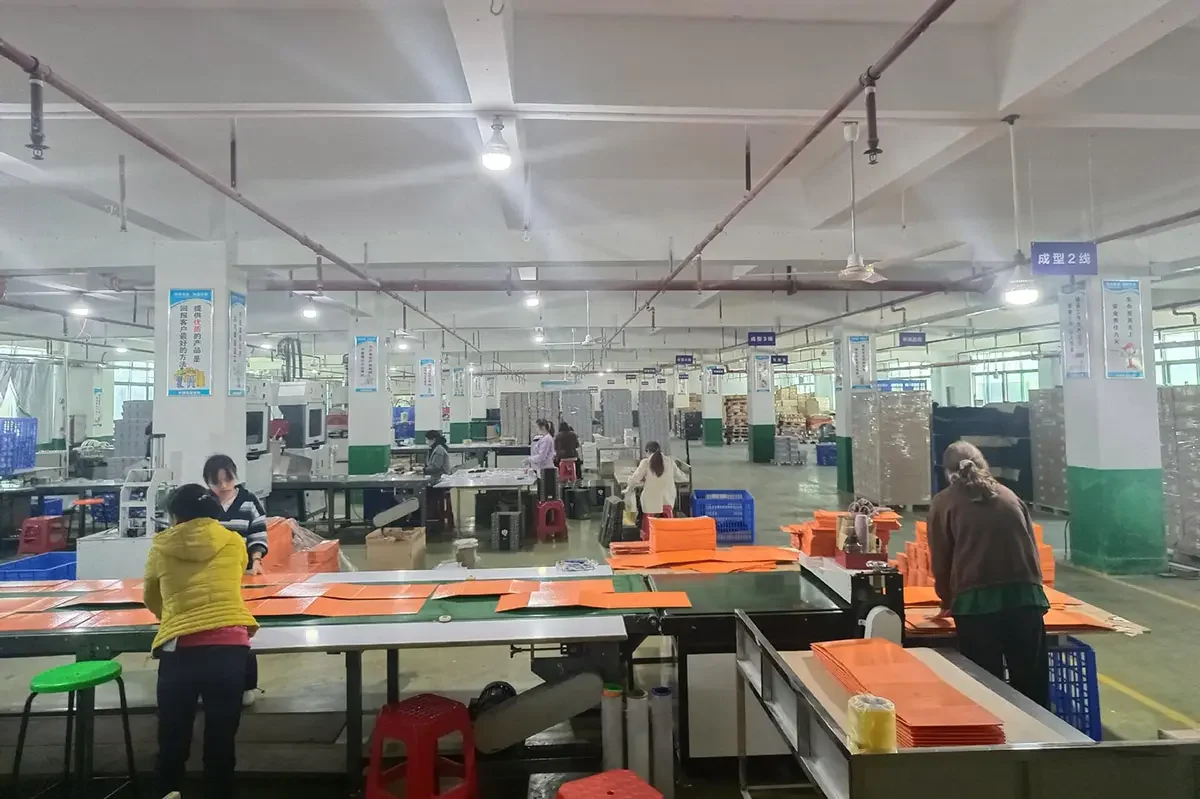
The first 15–20 minutes should be a physical walkthrough of the production floor. Ask them to walk — don't let them stay in one corner of the building.
Production Floor Checklist
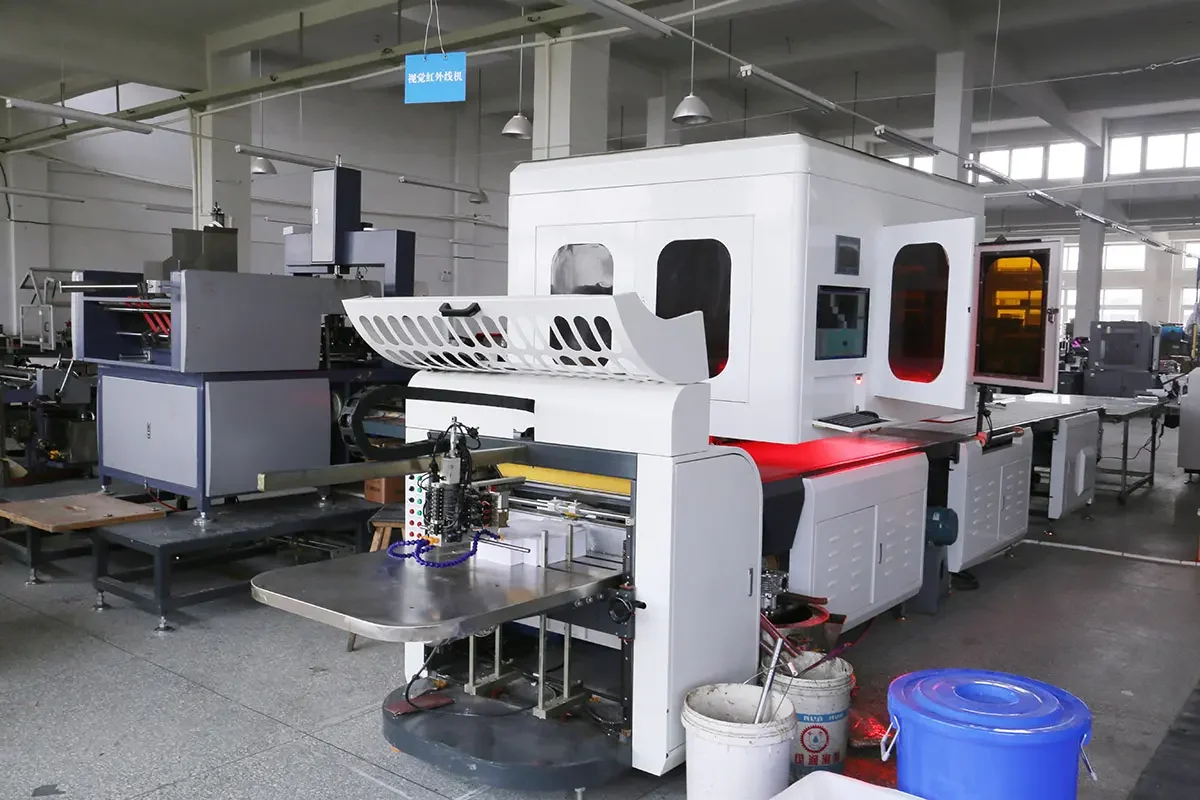
Printing lines visible and operational Confirm whether printing is performed at this site or by a disclosed partner. If it is in-house, ask to see the relevant equipment and a suitable job or production record. An idle machine at the time of the call is not enough to establish capacity or rule it out.
Board/raw material storage You should see stacked chipboard, paper wrapping stock, or corrugated sheets — the raw materials that match what they claim to produce.
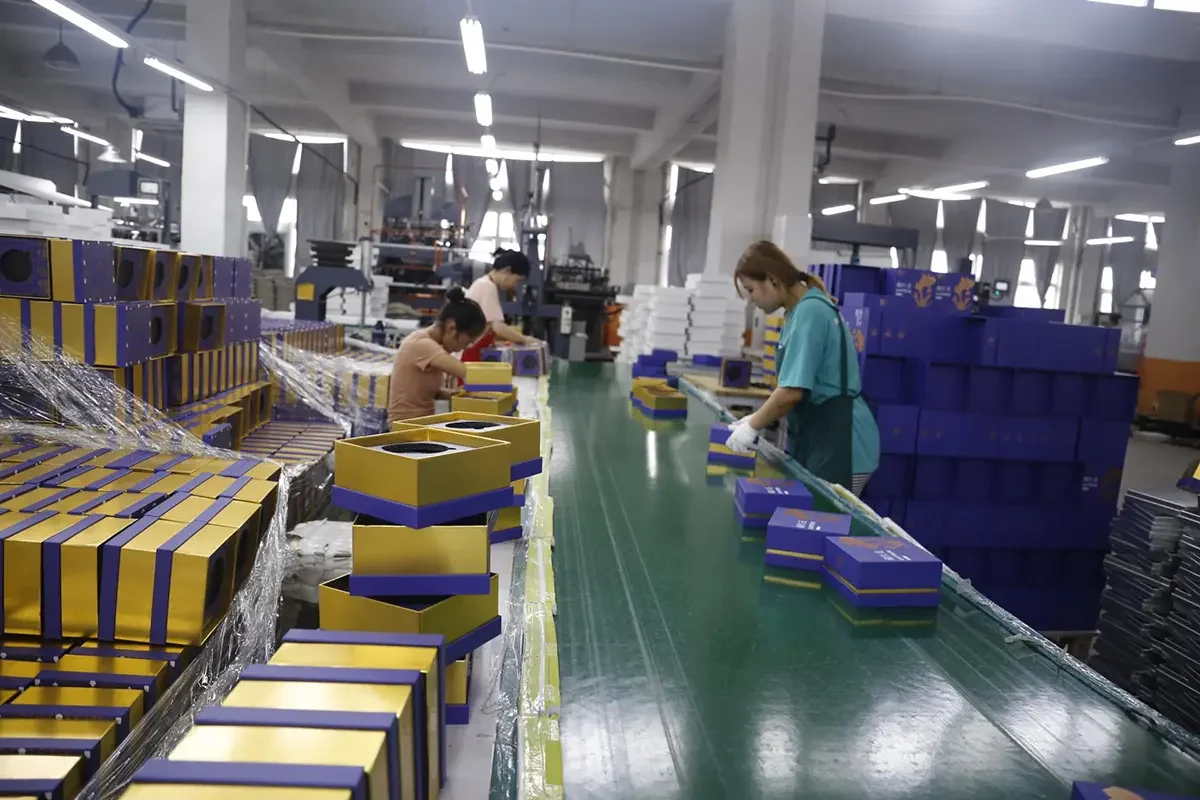
Die-cutting and assembly areas For rigid boxes, there should be a dedicated assembly area where wrapping and gluing happens. Ask to see it.
Finished goods warehouse Ask to see finished-goods handling and a redacted packing or dispatch record relevant to the production flow. Visible pallets can illustrate handling practices, but do not by themselves prove customer relationships or order history.
Number of workers visible If a supplier claims 500 workers but the call shows only 10, ask which shifts, departments and sites the claim covers. Check the production plan and supporting records; the number visible in one camera view is not a reliable headcount audit.
Facility signage / company name on walls Compare site signage with the contracting entity and registered information. Where names differ, ask about the operating company, ownership, leases or subcontracting relationship, and confirm who will make the goods and carry contractual responsibility.
Step 3: Verify Certifications On Camera
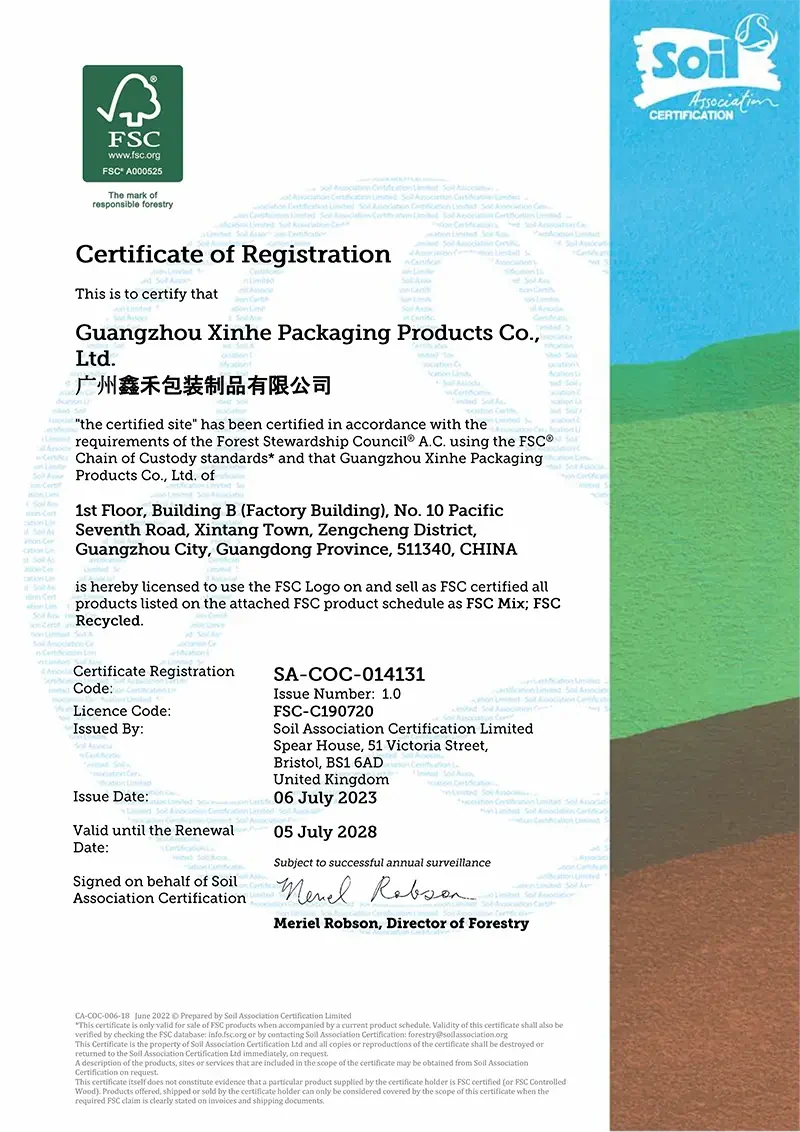
Request the complete current certificate for any claim relevant to your order, then verify the holder, site, scope and status with the issuer or official database. A certificate shown on camera and an emailed copy both require independent checking.
Certification Checklist
FSC Certificate Use the certificate or licence code to check the holder and scope in the FSC public certificate search. Confirm that the specified products and transaction documents carry the appropriate claim; seeing a certificate on camera is not sufficient.
ISO 9001 Certificate Check the issuing body (must be an accredited certification body, not a print-on-demand cert) and the expiry date.
SGS or Bureau Veritas audit report Request the relevant report if available. Check its date, audited site, scope, findings and any corrective actions; confirm authenticity with the provider where possible. A report supports only the matters it actually assessed.
Business license (营业执照) Verify the company name, registration number, registered address and business scope against the relevant official records. Connect the contracting entity to the production site and disclosed subcontractors; business-scope wording alone does not prove manufacturing capability.
✅ LuxoPacks Tip
Ask LuxoPacks to arrange a walkthrough covering the production areas relevant to your project. Agree staff availability, technical questions and documents in advance, and verify any certificate separately against its issuer and scope. Request a suitable appointment.
Step 4: Ask About Quality Control
Quality control in packaging is not just about catching defects at the end — it's about how the factory monitors every stage of production. Ask these questions directly:
- "What is your QC process?" — A real answer describes specific inspection stages. A generic answer ("we check everything") is a red flag.
- "How are nonconforming goods handled?" — Ask how defects are reported, who reviews the evidence and what response process would apply. Agree any remedy and claim deadline before the order; do not infer a refund or replacement promise from a general quality statement.
- "Can we request a pre-shipment inspection photo/video report?" — Any serious factory says yes. This should be standard, not a special request.
- "What inspection and acceptance criteria will apply?" — Define critical, major and minor defects, the sampling plan and acceptance limits in writing. An inspection acceptance limit is not a guarantee of the percentage of defects in a shipment.
Ask to See a QC Report from a Recent Order
Request a redacted copy of a QC inspection report from a recent production run. A factory that runs systematic QC will have these as standard documents. If they've never produced one, their process is informal.
Step 5: Validate Samples Against Production
One of the most common factory bait-and-switch tactics: the sample is made with premium materials and maximum care. The bulk order is made with lower-grade board, thinner paper, or faster (less careful) assembly.
During your call, ask:
- "What board weight was used in my sample?" — Ask the supplier to confirm the approved grade, thickness or weight from the sample record. Accuracy and traceability matter more than an immediate answer from memory.
- "Will the bulk order use exactly the same materials as the sample?" — Ask for a material spec sheet with board weight, paper GSM, and lamination thickness.
- "Who made my sample — the same team that will make the bulk order?" — In some factories, samples are made by a specialist team and bulk is done by regular production. Ask explicitly.
Red Flags to Watch For
🚩 Red Flags — Consider Pausing
- They won't do a live floor walk — Only willing to show you pre-recorded footage or keep the camera on their office
- The site and contracting entity cannot be connected — Ask for the operating, ownership or subcontracting relationship and written production responsibility.
- Certificate details cannot be verified independently — Check the complete document against the issuer or official database, including holder, site, scope and status.
- They can't answer technical questions about your product — If they make rigid boxes but can't explain board weight or lamination thickness, something is off
- No QC documentation available — Informal QC means inconsistent output
- Unusually low price with no explanation — Price is always a function of materials, labor, and overhead. Ask them to explain the cost breakdown.
- Pressure to skip sample approval or pay before the agreed checks — Stop and reconcile the payment request with the sample, inspection and production milestones.
After the Call: What to Do Next
After a successful verification call:
- Request a sample order — Always order a physical sample before bulk. Budget $50–200 for sample + courier, treat it as essential sourcing cost.
- Get a written specification sheet — Board weight, paper GSM, lamination type, dimensions, color tolerances. This becomes your quality benchmark.
- Start with a smaller bulk order — First bulk order should be 500–1,000 units if possible, not your full annual volume. Verify consistency before scaling.
- Request production milestone updates — Photo and video at printing stage, die-cutting, assembly, and pre-shipment QC.
📦 Sourcing from LuxoPacks
If you're sourcing magnetic rigid gift boxes, custom mailer boxes, or any premium packaging from China, LuxoPacks welcomes verification calls. Ask which current documents and production records are available for the proposed order, and agree any inspection or progress-update requirements in writing.
MOQ from 500 pieces. Samples in 3–5 days. Request a quote and book a factory call here.
The Bottom Line
A structured walkthrough is one step in supplier due diligence. Use it to identify unanswered questions, then resolve those questions through records, samples and agreed inspections before committing to production.
Assess how the supplier responds to reasonable requests and whether alternative evidence resolves any access restrictions. Choose against your documented production and quality requirements.
If you're evaluating packaging suppliers and want to see exactly how a verified factory operates, reach out to LuxoPacks. Request a suitable verification arrangement and a list of the production evidence available for your project before committing to an order.
In This Article
Why video calls matter 1. Set up the call 2. Verify production facility 3. Check certifications 4. Quality control questions 5. Samples vs. bulk Red flags to watch for After the call Conclusion
Book a Factory Tour Call
Request a production-site review for the relevant processes at LuxoPacks's 3,600 sqm Dongguan facility. Agree the evidence and technical questions to cover in advance.
Related Sourcing Guides
Sourcing
How to Find a Reliable Luxury Packaging Manufacturer in China
A step-by-step sourcing guide for global brands looking for factory-direct luxury packaging.
Buying Guide
Low MOQ Gift Box Packaging: What's Actually Possible at 500 pcs
The truth about minimum order quantities for custom gift boxes — and how to negotiate better terms.
Certifications
FSC Certified Gift Boxes: What It Means and Why It Matters
What FSC certification actually means for packaging, how to verify it, and which products qualify.
Buyer Questions
Frequently Asked Questions
Why use a structured factory video call?
A well-structured video call lets a buyer ask specific questions, request specific things to be shown on camera and watch how the factory responds.
What should be checked on camera?
Review the relevant production areas, material handling and quality checks during an agreed shift. Verify any certification independently against its issuer or official database.
What does LuxoPacks offer for verification?
Ask LuxoPacks which production areas and technical records can be reviewed for your project, and agree the participants and questions before arranging the call.
Related from the factory
- factory direct vs online design platforms — Where the markup sits when you buy through a design platform.
- Ramadan gift box wholesale sourcing — Lead times and formats for the Ramadan gifting window.
- what a dieline, cutting die and sampling actually cost — Which charges are one-off and which repeat on every reorder.
Put this guide into practice
Reconcile the walkthrough with the supplier identity, sample and written production route. Record unresolved operations or subcontracting questions before deciding whether an independent visit or inspection is needed.