Sourcing Insider
Assess a rigid gift-box manufacturer through board cutting, wrapping, fitting and assembly controls for the construction you want. Connect the sample to that production route and the inspection plan; neither a factory label nor a certificate bundle proves the order will match.
Supplier listings are a starting point for finding possible production partners. For rigid boxes, compare the relevant operations, material controls, loaded sample and correction responsibility before committing to the order; an advertised ranking or presumed intermediary margin is not verification.
Supporting detail: rigid gift box manufacturer.
1. Identifying the "Real" Manufacturers vs. Trading Companies
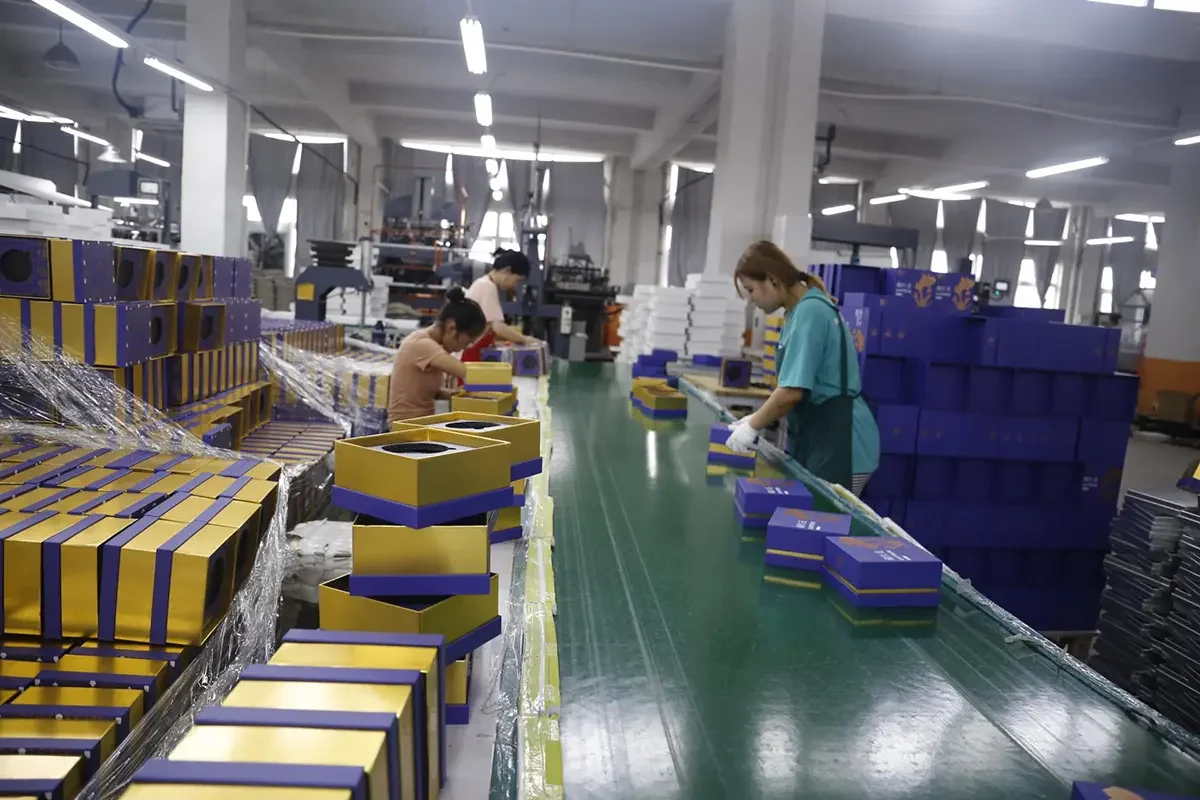
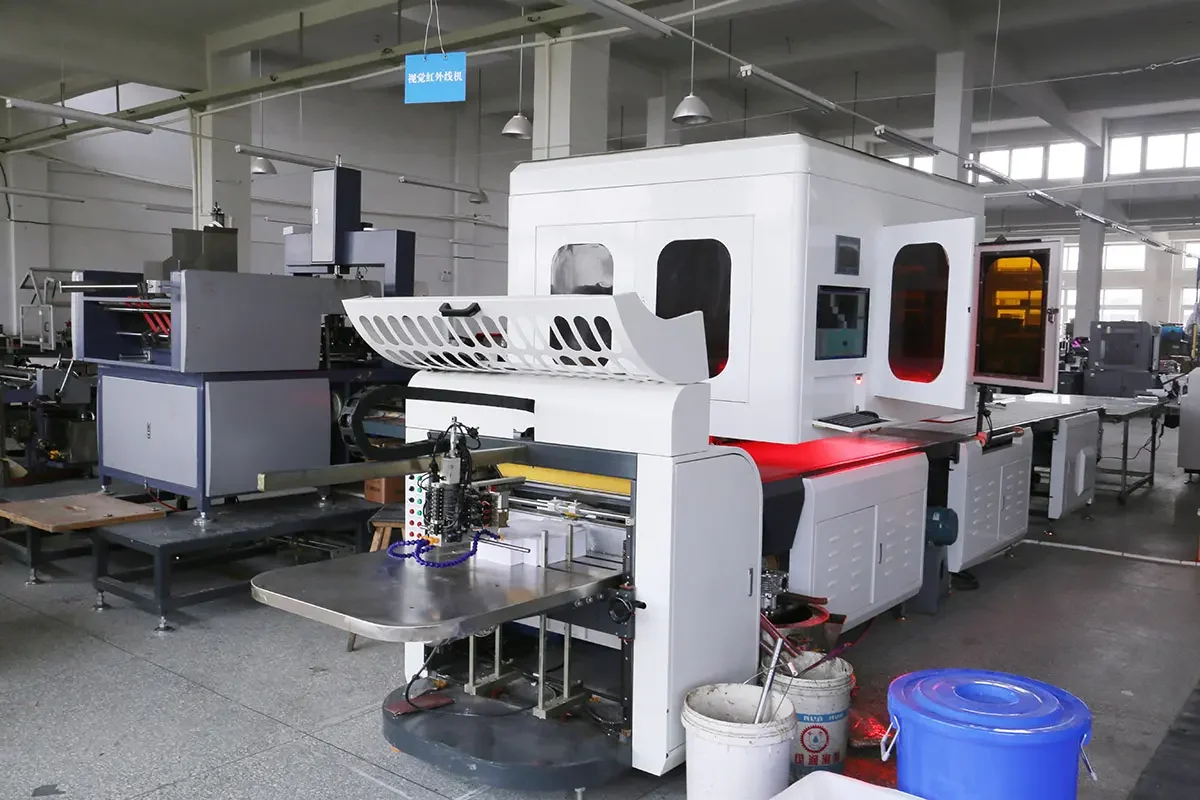
Ask the supplier to explain how the specified corners, wraps, lid clearance and inserts are made and checked. Identify outsourced operations and who corrects a mismatch. Evidence from relevant work is more useful than a generic equipment list unrelated to the proposed box.
Check the business license and reconcile the legal entity, production address, contracting party and receiving account. A business scope containing "Trade" or "Consulting" does not by itself prove that the company lacks manufacturing operations. For drawer boxes, ask how tray and sleeve dimensions, machine setup and assembly alignment are checked, then verify the result on a loaded sample.
2. The Essential Certification Checklist
Request certification or assessment evidence only where it answers a defined material, process or customer requirement. Verify the holder, site, scope and validity. Keep those records separate from the physical sample and acceptance rules, which establish what this packaging order must look and function like.
- ISO 9001: For quality management systems.
- FSC Certification: Crucial for timber/paper tracking.
- SGS/TUV Audit Reports: Independent verification of factory conditions and social responsibility.
- G7-related qualification or process evidence: If claimed or required, verify its current scope and the actual color-control method used for the job; it is not a guarantee of identical results across every batch.
Confirm the scope and validity of each document alongside product samples, material specifications and inspection records.
Audit Your Current Packaging Supplier
Get a side-by-side comparison of our factory-direct pricing and material specs. Free structural audit included.
Request Structural Audit
3. Mastering the Sampling and Prototyping Phase
The biggest red flag is a manufacturer that rushes you into mass production without a physical sample. The sampling process is your best opportunity to test the factory's attention to detail. LuxoPacks sample production normally takes 3–5 days after specification and file confirmation; agree revisions and courier transit separately.
| Sample Type | Typical Cost | Best For... |
|---|---|---|
| White Sample (Plain) | $30 - $80 | Structural fit and unboxing mechanics. |
| Digital Printed Sample | $100 - $150 | Verifying artwork and color placement. |
| Production Grade Sample | $200 - $350 | The "Final Exam" (Actual plate printing/foil). |
Always ask for the Die-line files in AI or PDF format. If the factory cannot provide precise die-lines for your designer, it’s a sign that their engineering team is lacking. Once a sample is approved, it should be signed and used as the Golden Sample for the QC team during mass production.
4. Negotiation Tactics: Moving Beyond Just Price
Compare prices only after board grade, wrap, finish, insert and packing are aligned. If a lower quote changes those inputs, assess the sample and protection requirements before accepting the saving. Negotiate the payment milestones, inspection evidence and treatment of nonconformity together with the unit price.
Agree the quantity tolerance and treatment of excess units before production. Specify how many accepted boxes must ship, whether any additional units are chargeable and how shortages are handled. Do not assume that a factory will supply a fixed percentage of free extras.
5. The Red Flags: When to Walk Away
Investigate inconsistent contacts, unexplained production-site changes and answers that do not address the specification. A response taking more than 24 hours or a quote 30% below another offer is a reason to clarify the scope, not proof of outsourcing or defective materials. For a quoted 1200gsm board, ask for the material record and check that an 800gsm alternative has not been substituted. Agree independent inspection access and a process for resolving discrepancies.
Frequently Asked Questions
Why are factory-direct prices better than traders?
A manufacturer may control particular production operations directly, while a trading company may provide coordination across suppliers. Check the actual production route, service scope, quality responsibility and delivered price; a fixed 15–30% margin cannot be assumed for every transaction.
What is the standard payment term for China manufacturers?
Terms vary by supplier and order. Define the initial payment, remaining balance and release conditions, including whether inspection approval precedes final payment. A 30/70 split or deferred-payment term is an option to negotiate, not a confirmed LuxoPacks policy.
How do I verify a factory's QC process?
Ask for their internal QC reports and check if they have dedicated testing equipment like edge crush testers or rub testers. A reliable factory welcomes third-party inspections.
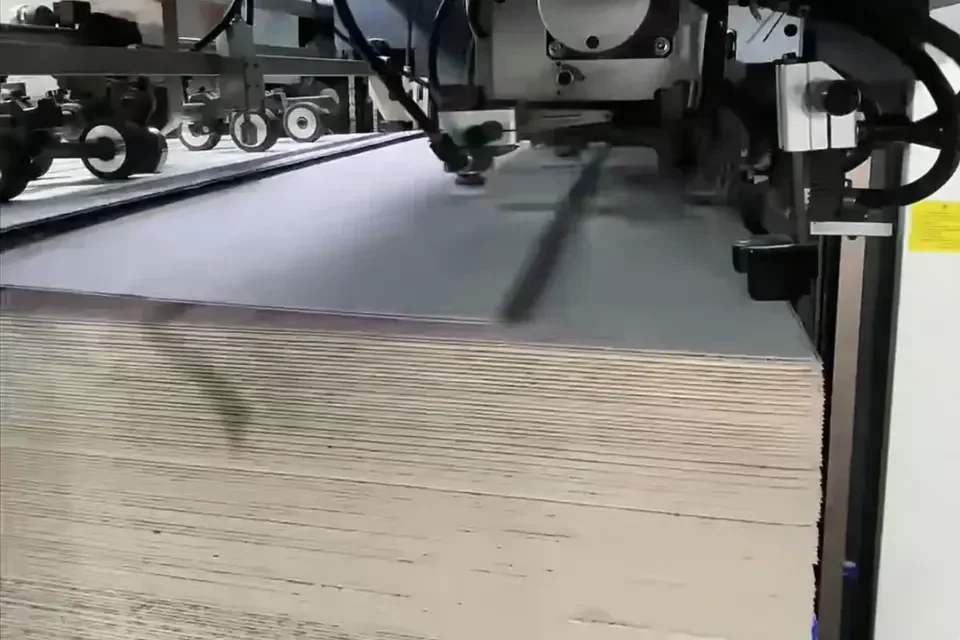
What is a V-slotting machine?
It is a machine that cuts a "V" shape into the greyboard, allowing the box to fold at a perfect 90-degree angle. This is essential for the sharp, high-end look of a luxury rigid box.
Put this guide into practice
Trace the approved sample to its material specification, production operations and inspection checkpoints. Resolve unexplained differences before relying on the supplier’s category description or certificate list.