Packaging Trends
📅 May 22, 2026
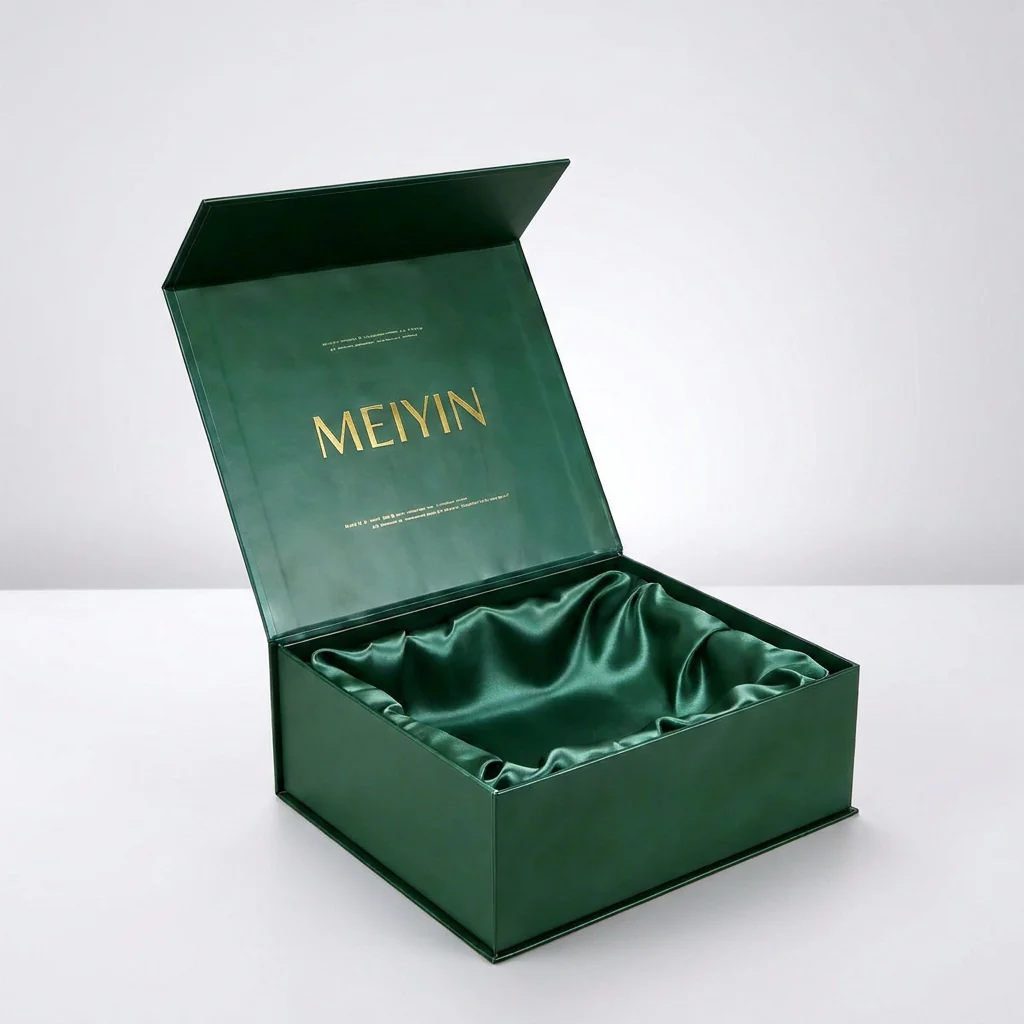
The other half is the journey the customer takes to reach it. As we move into 2026, the "unboxing experience" has evolved from a nice-to-have to a critical survival factor for premium brands. Social platforms have compressed the sales cycle further still: a 15-second unboxing clip now does the persuasion work that packaging alone used to handle at the physical point of sale, which means a box has to perform for a camera as well as for a hand.
1. Multi-Sensory Engagement
Choose the sensory detail you want the user to notice and check whether it helps the product. A texture may guide handling, while an unnecessary scent or sound can distract or be unsuitable for the contents. Compare a practical sample rather than accumulating effects because they look novel.
2. Digital Integration (NFC & QR)
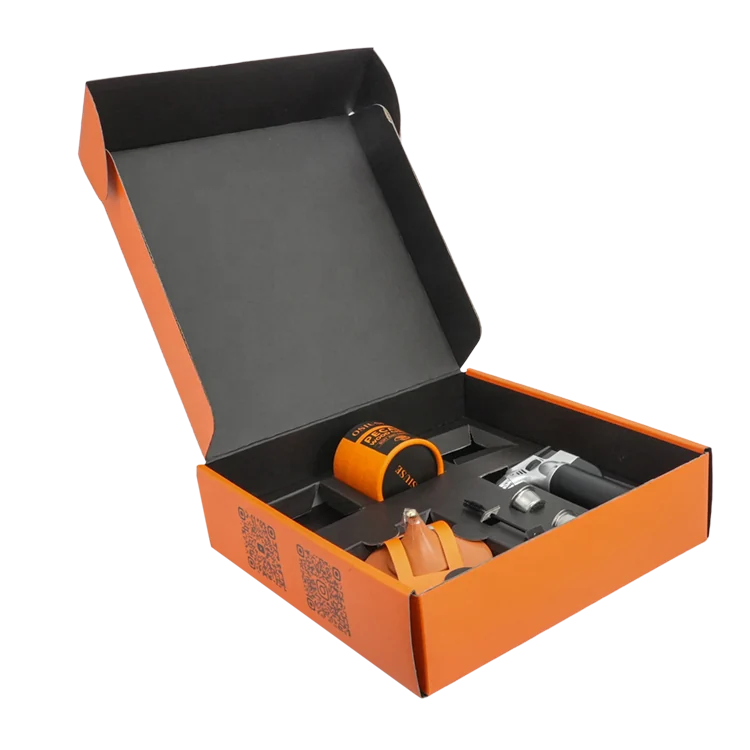
Define the destination and purpose of a QR or NFC interaction before designing it into the pack. Test the complete physical and digital action with the box and contents present. A scan or tap alone does not demonstrate authenticity unless the underlying verification system supports that claim.
3. Sustainable Opulence
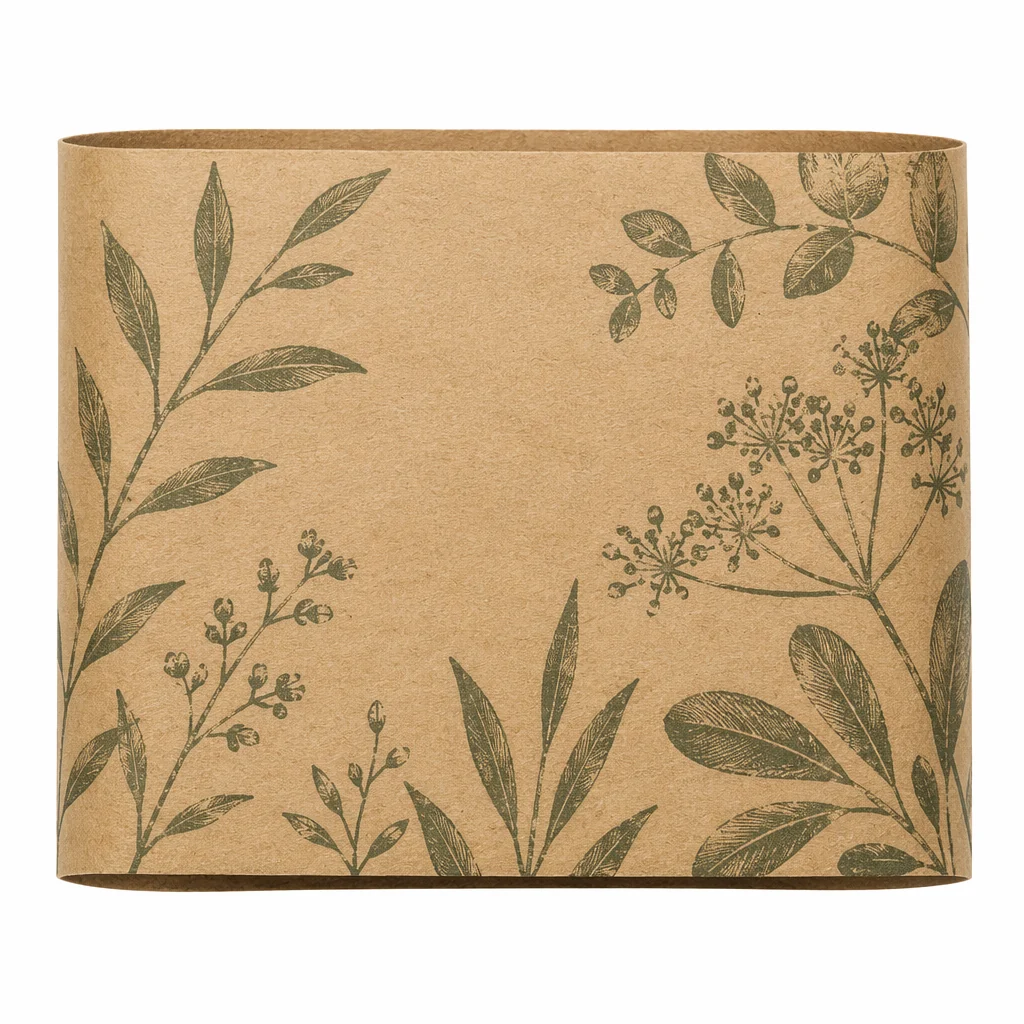
Plastic-free doesn't mean boring. 2026 is seeing the rise of "Eco-Chic" where recycled materials are transformed through high-end finishes like blind embossing and soy-based foil stamping.
4. Extreme Personalization
Mass production is out; hyper-customization is in. Brands are using modular box designs that can be tailored to individual customer names or purchase history.
5. Minimalist Structural Design
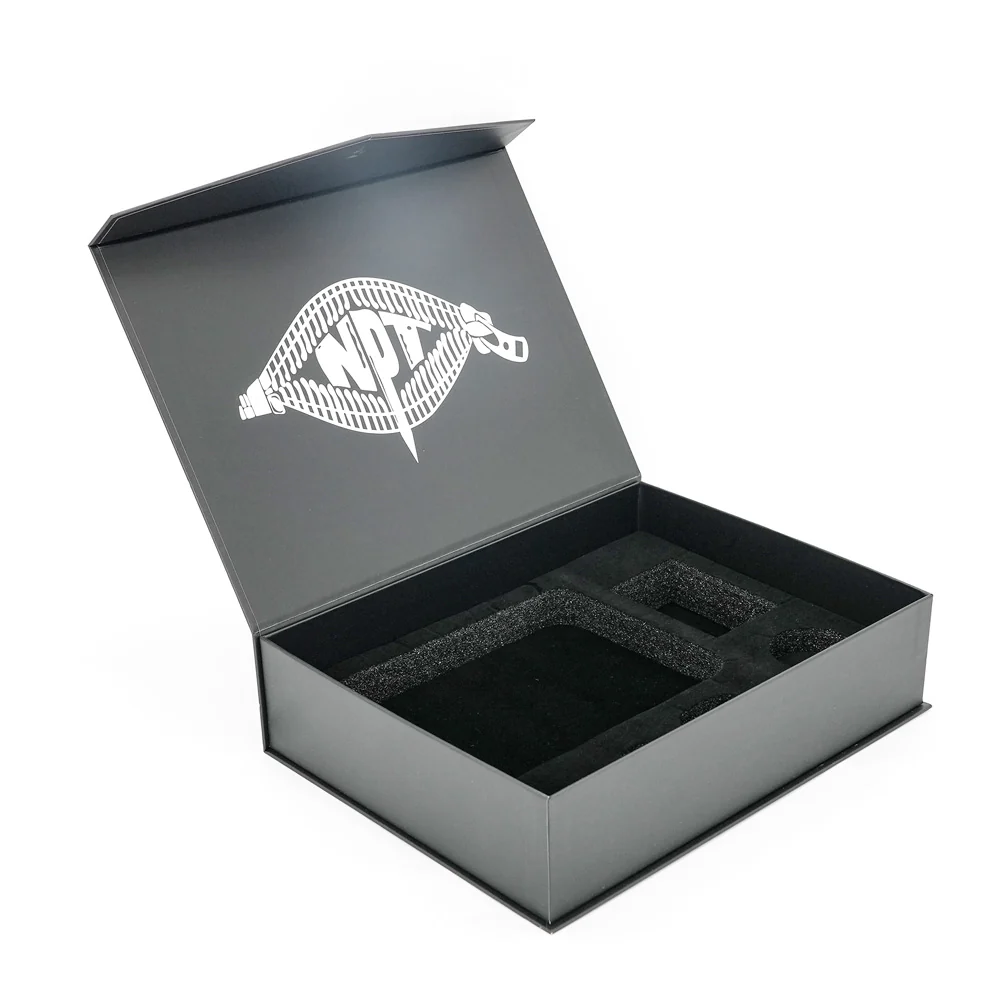
Clean lines and "hidden" mechanisms are the hallmark of 2026 luxury. Expect to see more sliding drawers and nested structures that reveal the product in layers.
6. What This Means for Your Next Order
Most of these trends don't require a factory retool on your end — they're finish and structure choices layered onto boxes already in daily production. NFC tags and QR inlays can be applied in the same assembly pass as foil stamping; molded pulp or mono-material paper inserts swap in for an existing tray spec without changing the outer box tooling. The one planning variable is lead time: anything that changes the die-line, such as moving from a lid to a sliding drawer box, needs a sample round before bulk production, so brief the trend you want at the quoting stage rather than after artwork is finalized. If you're combining more than one trend — a sliding drawer plus an NFC tag, for example — request both in the same sample round rather than testing them sequentially: interaction issues, like a chip sitting too close to a magnetic closure, tend to surface only when the pieces are together.
Ready to Lead the Trend?
LuxoPacks can help you implement these 2026 trends with low MOQs and factory-direct pricing.
Consult Our Experts →
Put this guide into practice
Prototype one meaningful feature with the standard pack and observe the complete interaction. Resolve usability, packing and maintenance issues before extending it to the production range.