For luxury brands, the box isn't just a protective shell—it’s a psychological trigger that validates the customer’s purchase and builds long-term loyalty. This is the Science of Unboxing.
1. The First Touch: Weight and Substance
Judge weight in relation to the product and handling task. A substantial box may suit the presentation, but greater board mass is not evidence of customer loyalty. Check that the structure protects the contents and remains convenient to open, carry and store.
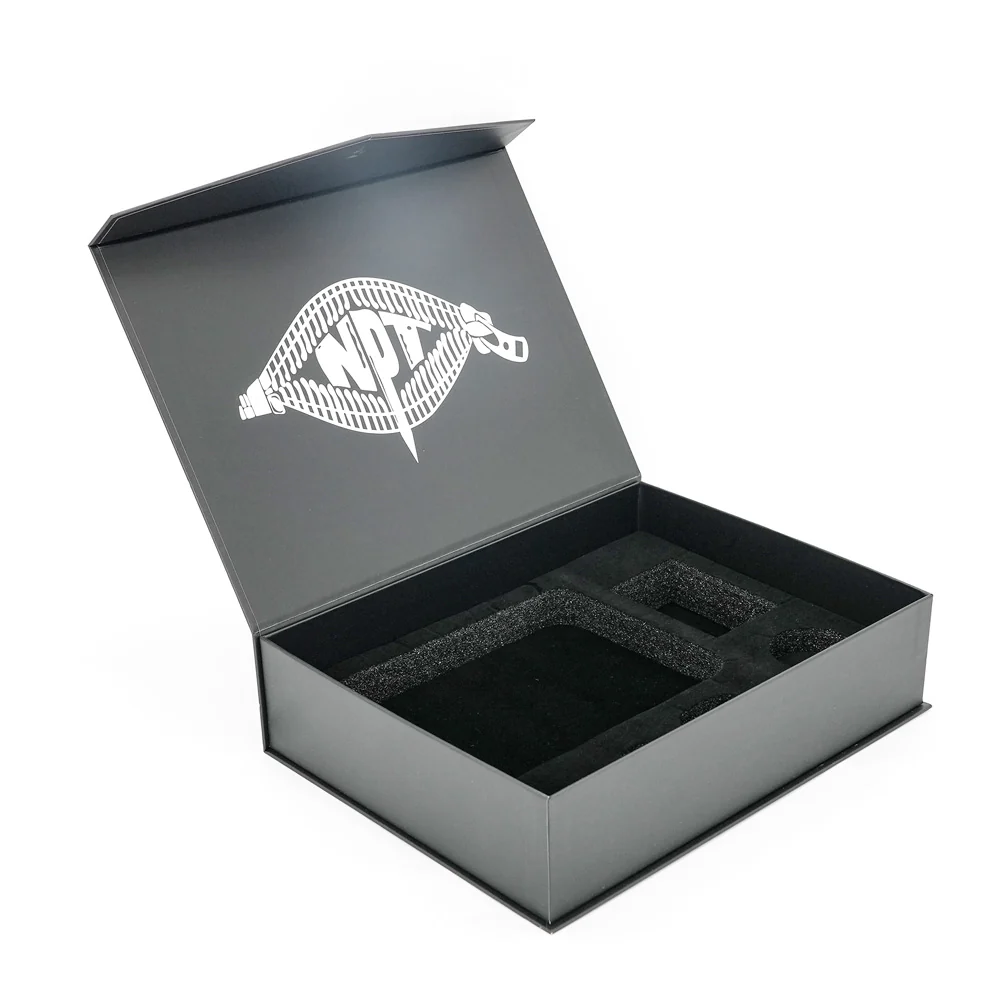
Supporting detail: Magnetic Rigid Boxes.
2. The Tactile Experience: Soft-Touch & Embossing
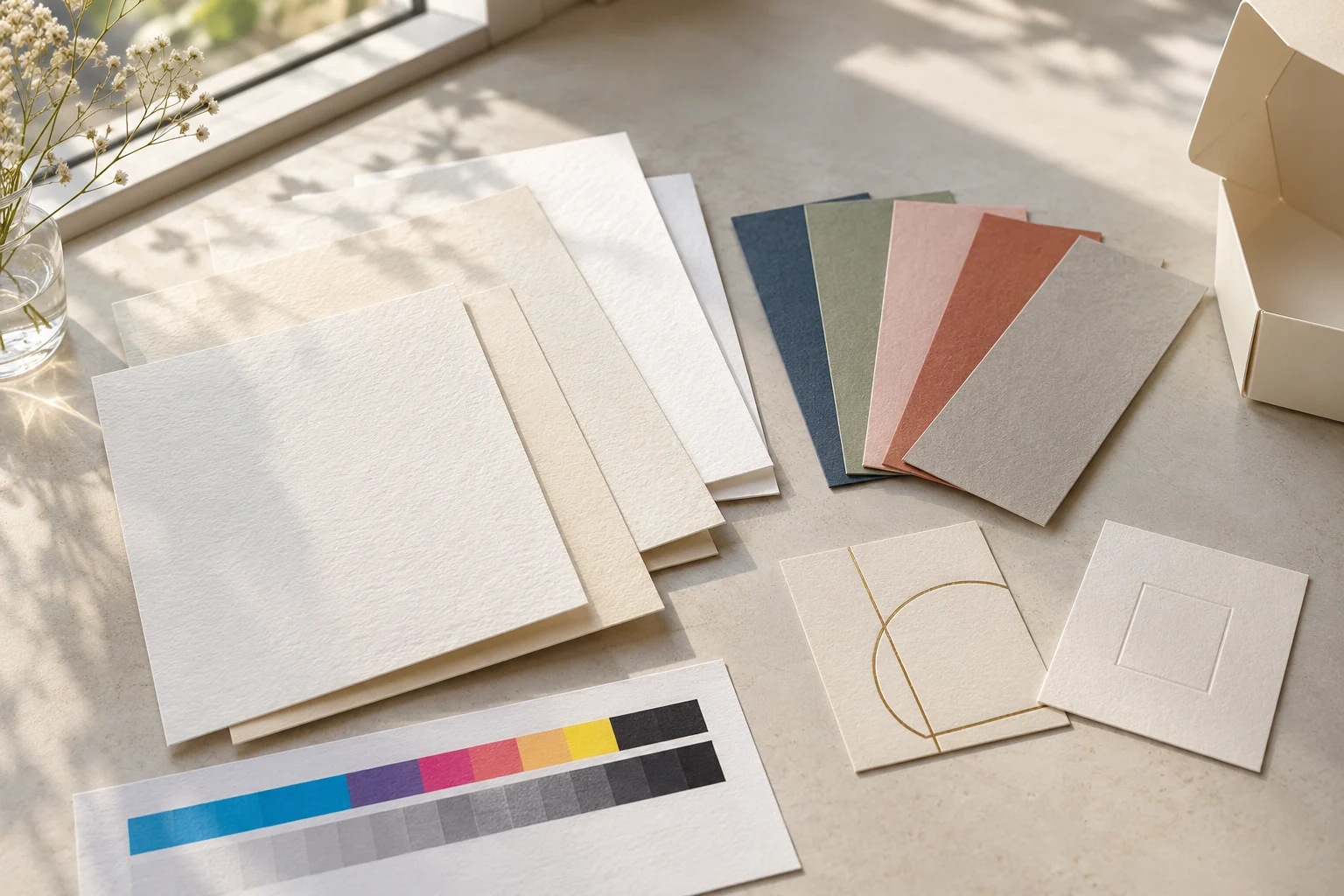
Compare texture on the finished pack under ordinary handling. Soft-touch, embossing or gloss can create contrast, but they should not hide required information or make the pack awkward to grip. Favor a coherent surface and insert combination over an assumed universal sensory response.
3. The "Dopamine Reveal": Modular Inserts
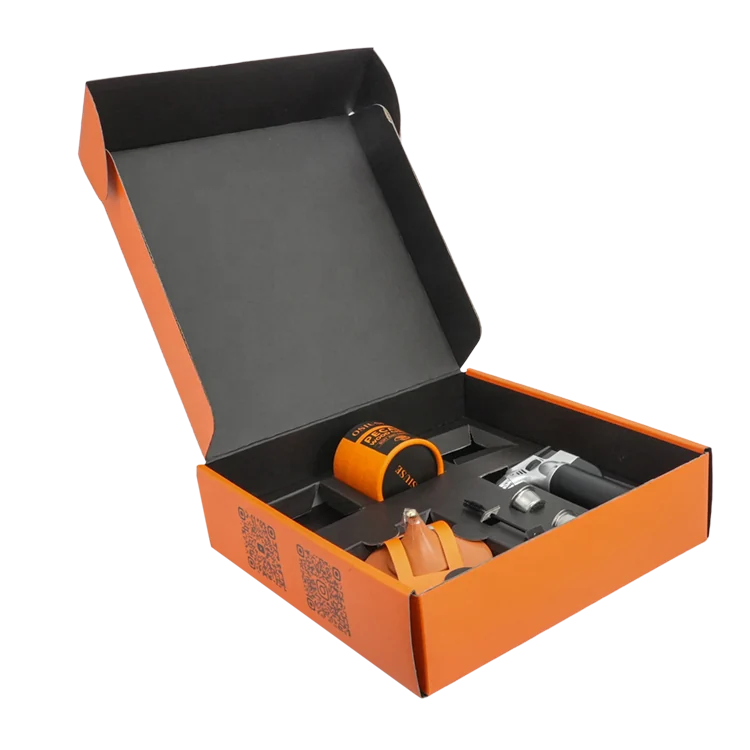
The unboxing should be a journey, not a single step. By using Modular Presentation Inserts, you can layer the reveal. First, the outer sleeve; then, the rigid lid; finally, a delicate tissue paper covering the product. This sequence extends the excitement and makes the experience "Instagrammable."
4. The Logic of Sustainability
Modern luxury is conscious. If a customer has to navigate piles of plastic bubble wrap to find their item, the brand image is damaged. Transitioning to Recycled Kraft Mailers with Tear Strips shows that your brand respects the environment as much as it respects the product.
Ready to Engineer Your Brand's Unboxing Moment?
From magnetic closures to sustainable luxury finishes, we help brands create packaging that customers keep forever.
Chat with a Packaging Expert
5. Turning Packaging into a "Keepsake"
The ultimate loyalty goal is for the customer to keep the box. A Luxury Lid and Base Box with Ribbon is often repurposed as a jewelry organizer or a storage box for mementos. Every time the customer sees that box on their vanity, your brand is reinforced.
6. Where Brands Get This Wrong
The most common unboxing mistake isn't a cheap material — it's a mismatch between the outside and the inside. A rigid, weighty exterior that opens to reveal a flimsy plastic tray breaks the sensory promise the box just made, and customers notice the gap even when they can't name it. The fix is consistency: if the outer box uses high-density greyboard and a soft-touch finish, the insert should be a matching-weight molded pulp or foam tray, not a generic bag stuffed inside a premium shell.
Put this guide into practice
Observe the user’s handling and feedback alongside product and service results. Improve specific friction points before attributing retention or a customer’s emotional response to the packaging alone.