
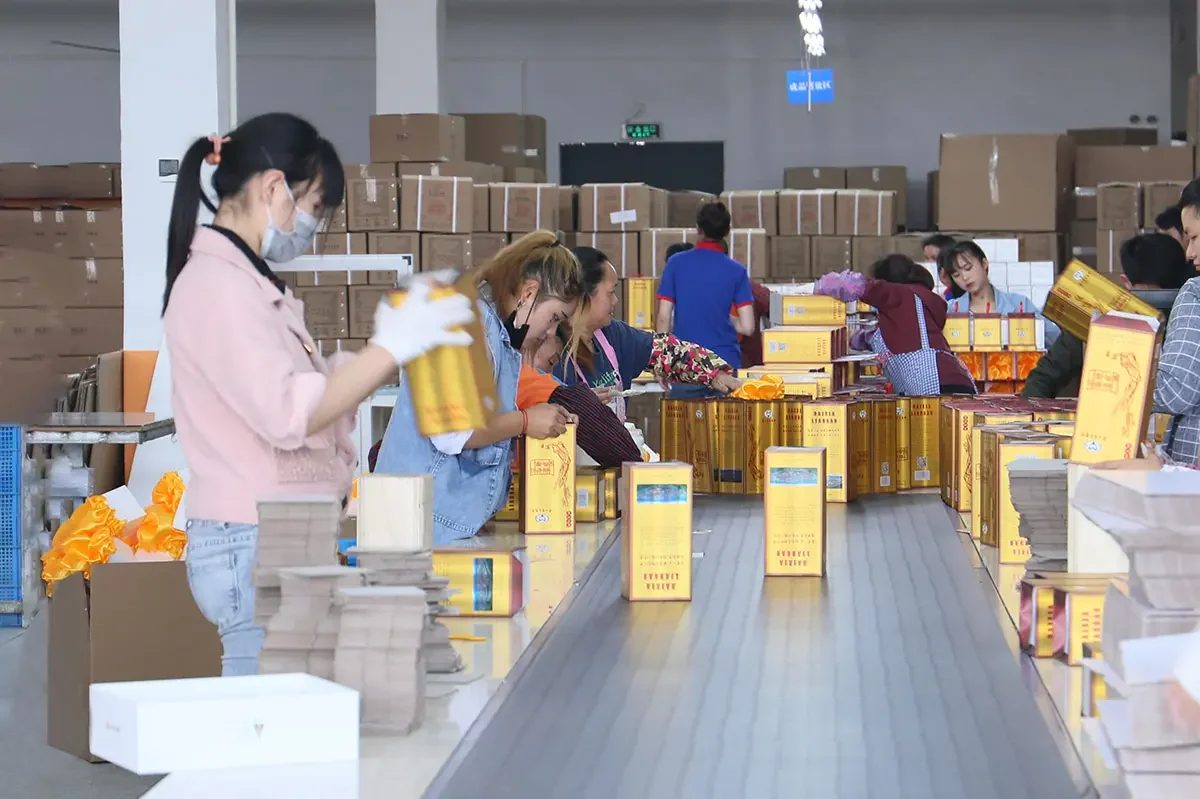
How Custom Packaging Works
Move a custom packaging order through identifiable approvals: define the packed product, compare structures, agree the quote scope, approve the dieline and sample, then release production and packing. Each stage should close a decision needed by the next. A product or artwork change after approval needs a new review rather than an informal note.
- ✓ Free Design Support & 3D Mockup
- ✓ Clear Approval Steps
- ✓ From Quote to Delivery
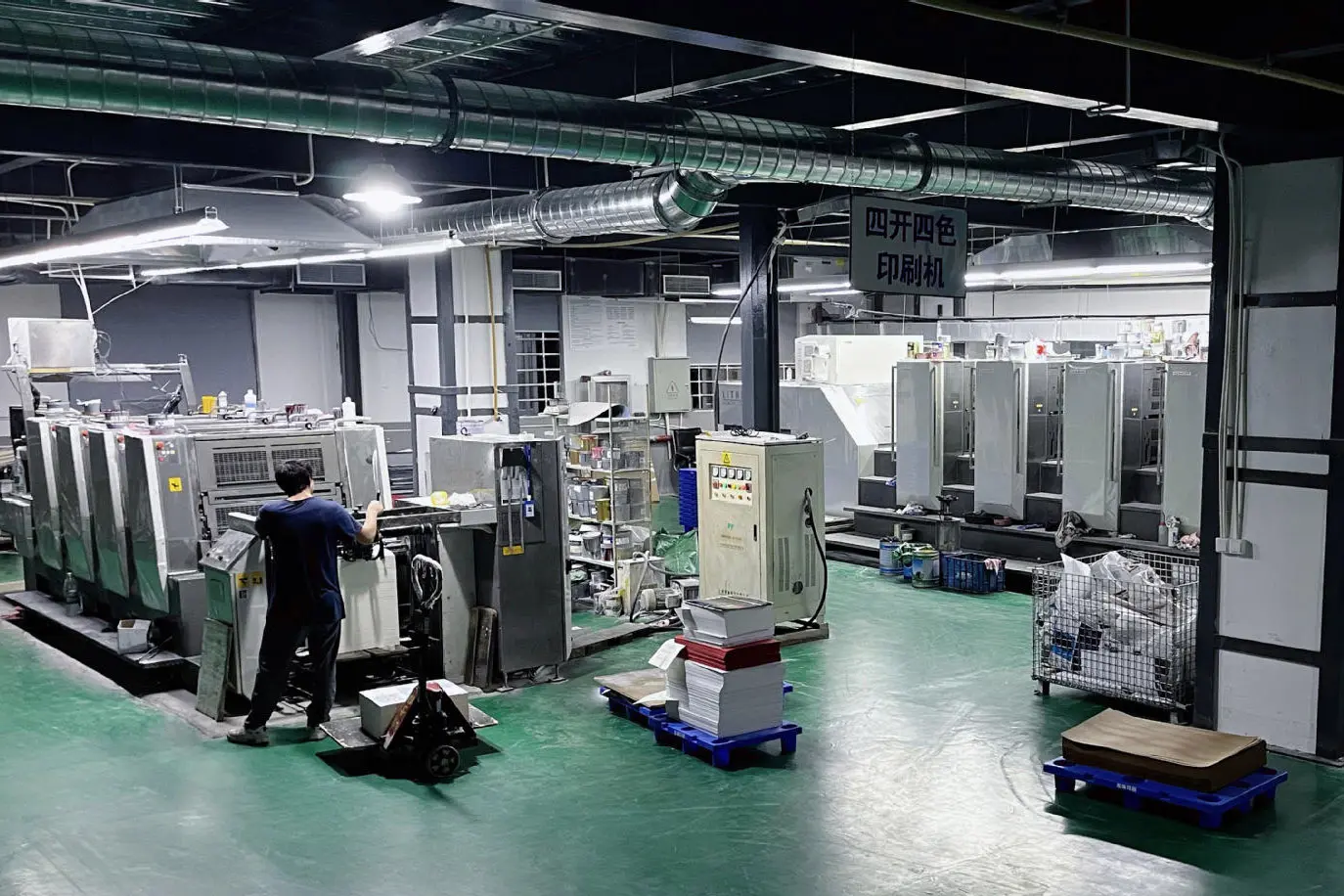
A Clear Custom Packaging Workflow
At the start, separate confirmed facts from decisions still open. Product measurements and weight establish the fit problem; a reference photo suggests appearance but cannot establish board, print or insert construction. Ask the team to identify proposed assumptions in the quote so you can approve them before sampling.
Use one identified specification through quotation, sampling and production. Record what the sample proves and any aspect not represented, such as a substitute paper or unfinished decoration. Resolve those exceptions before releasing bulk work; approving a sample photograph alone leaves important physical checks open.
Before sending a quote request, buyers can compare custom packaging boxes, browse all custom products and use the custom packaging blog for basic preparation.
- Product and project information
- Structure discussion and material review
- Quote direction and artwork preparation
- Sample making, approval or revision
- Bulk production, quality control, packing and delivery preparation
From Inquiry to Delivery
The workflow below is a sequence of decisions, not just a list of factory operations. Before moving on, confirm the deliverable from the current step: a defined brief, a comparable quote, production-ready artwork or an identified physical sample. Keep the related files together so later changes are traceable.
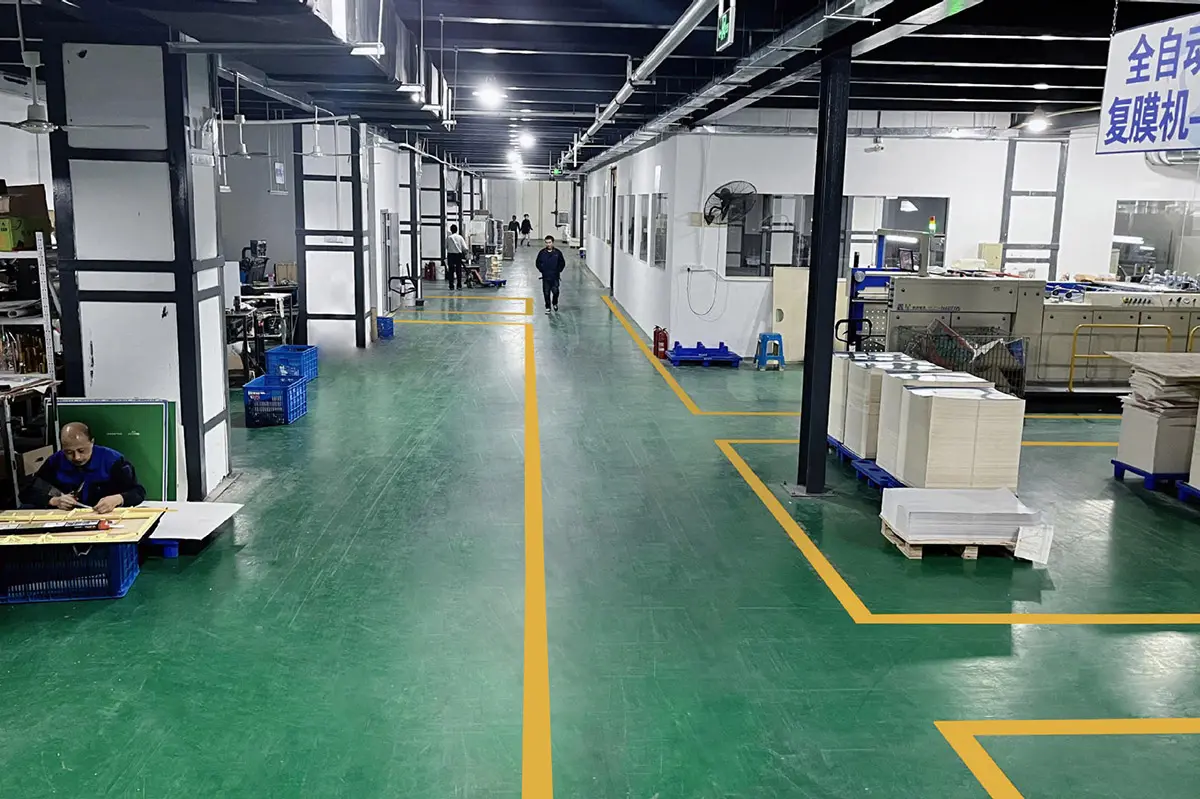
Send Project Details
Send product size, weight, photos, quantity, packaging type if known, reference images, artwork, material ideas, delivery country and target schedule.
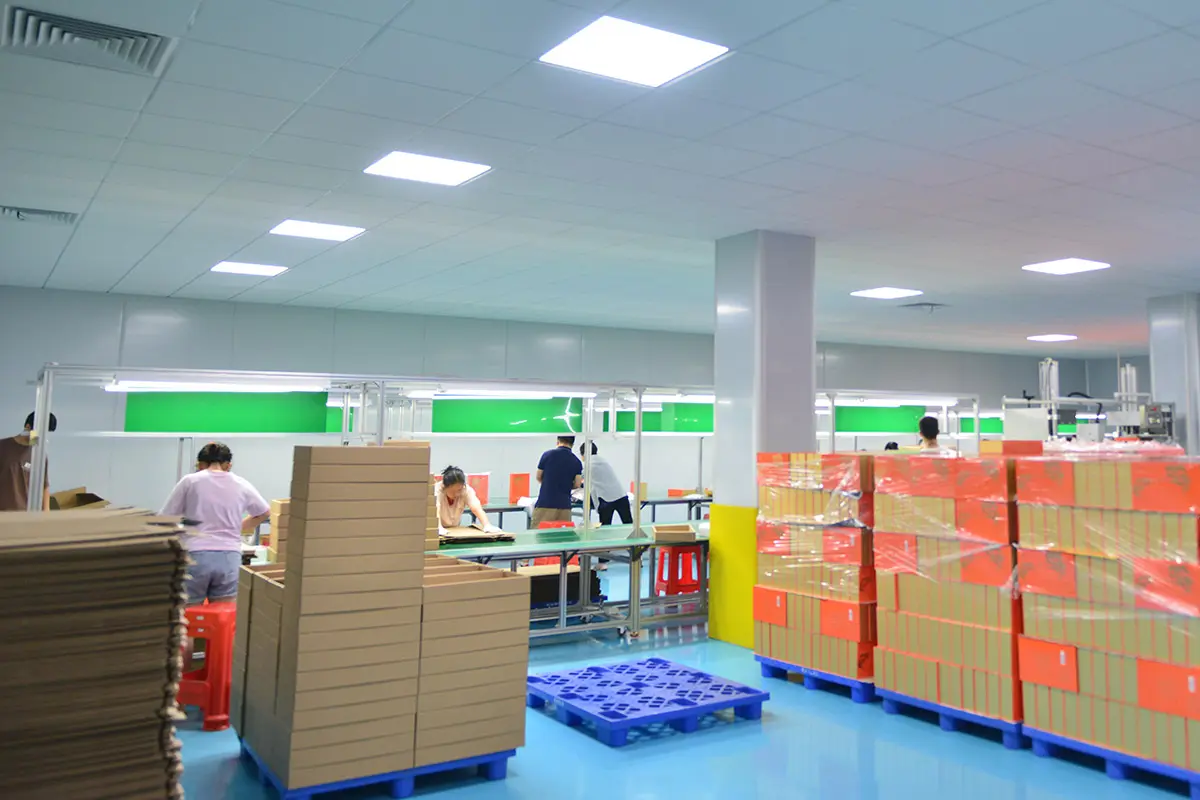
Review Structure Options
We review whether your product fits a rigid box, magnetic box, drawer box, lid and base box, folding carton, mailer, paper bag, tube or insert direction.
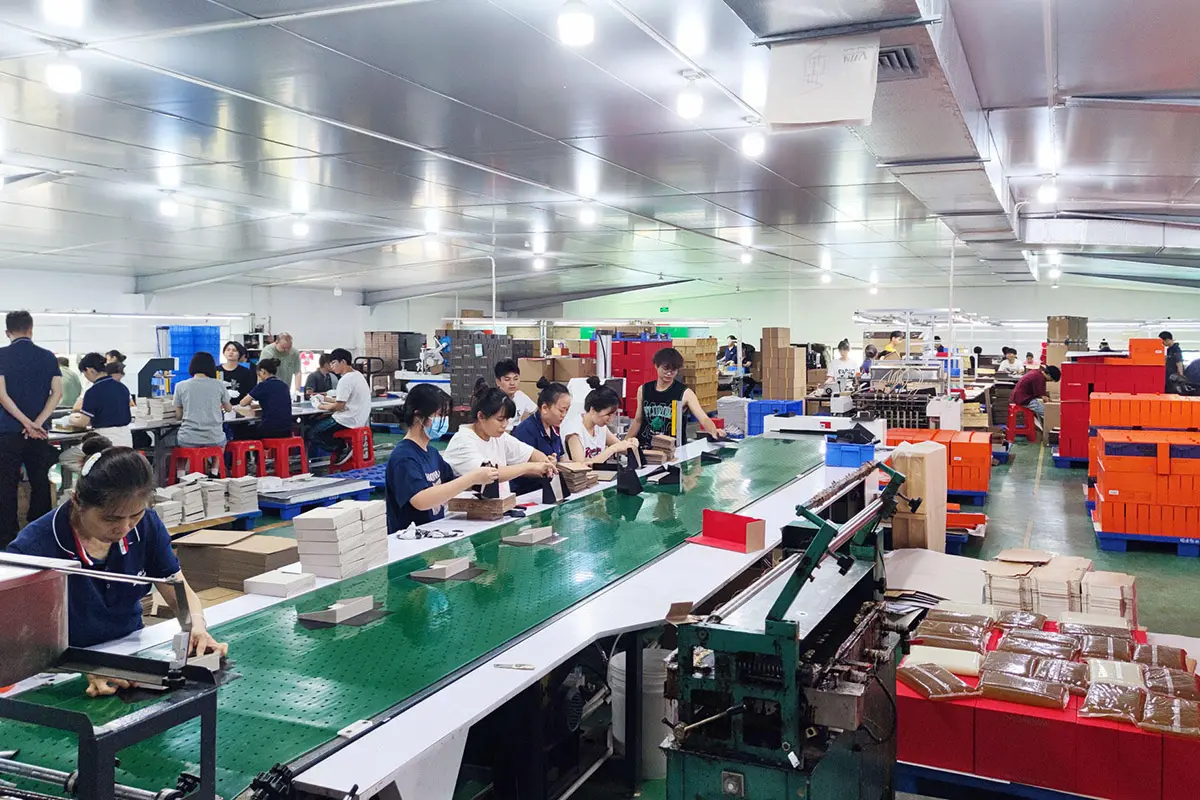
Confirm Quote Direction
The quote depends on structure, size, quantity, material, board thickness, printing, logo finishing, inserts, accessories, packing and delivery destination.
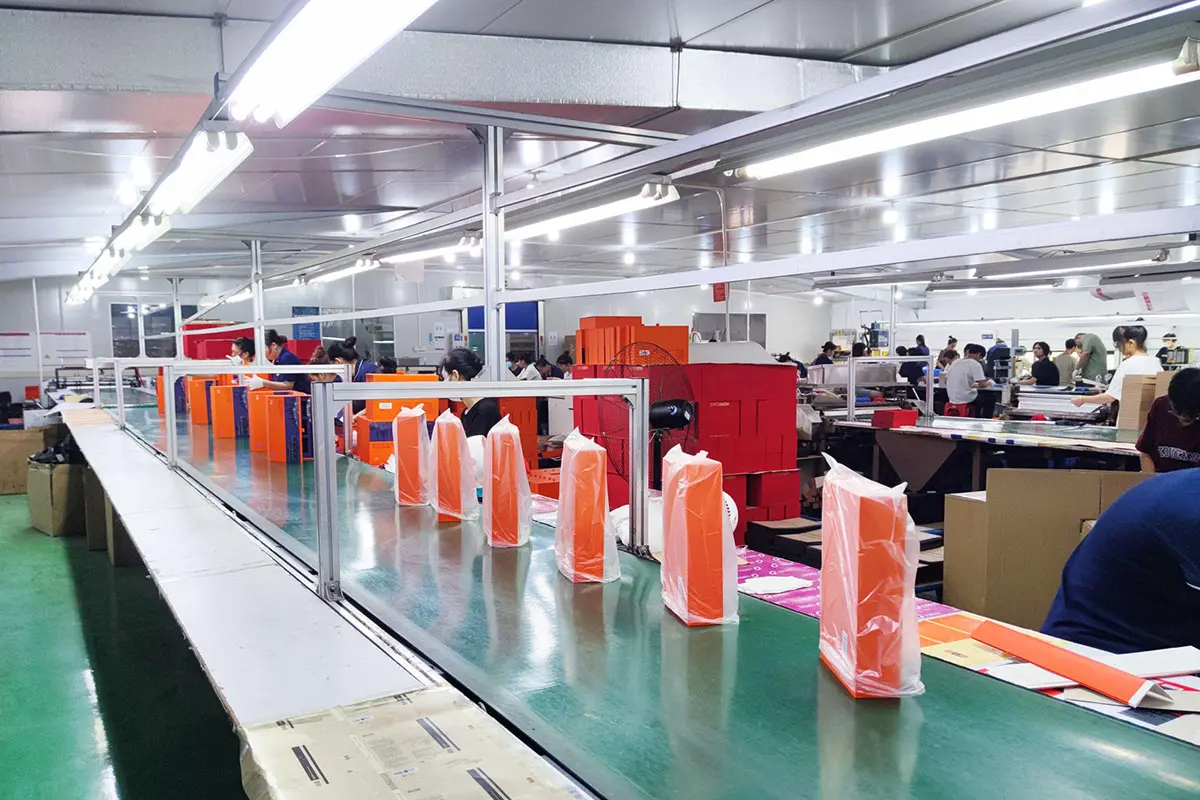
Prepare Dieline and Artwork
The dieline shows cut lines, fold lines, glue areas, panel direction, bleed and safe areas. Logo, foil, embossing and spot UV layers should be clear.
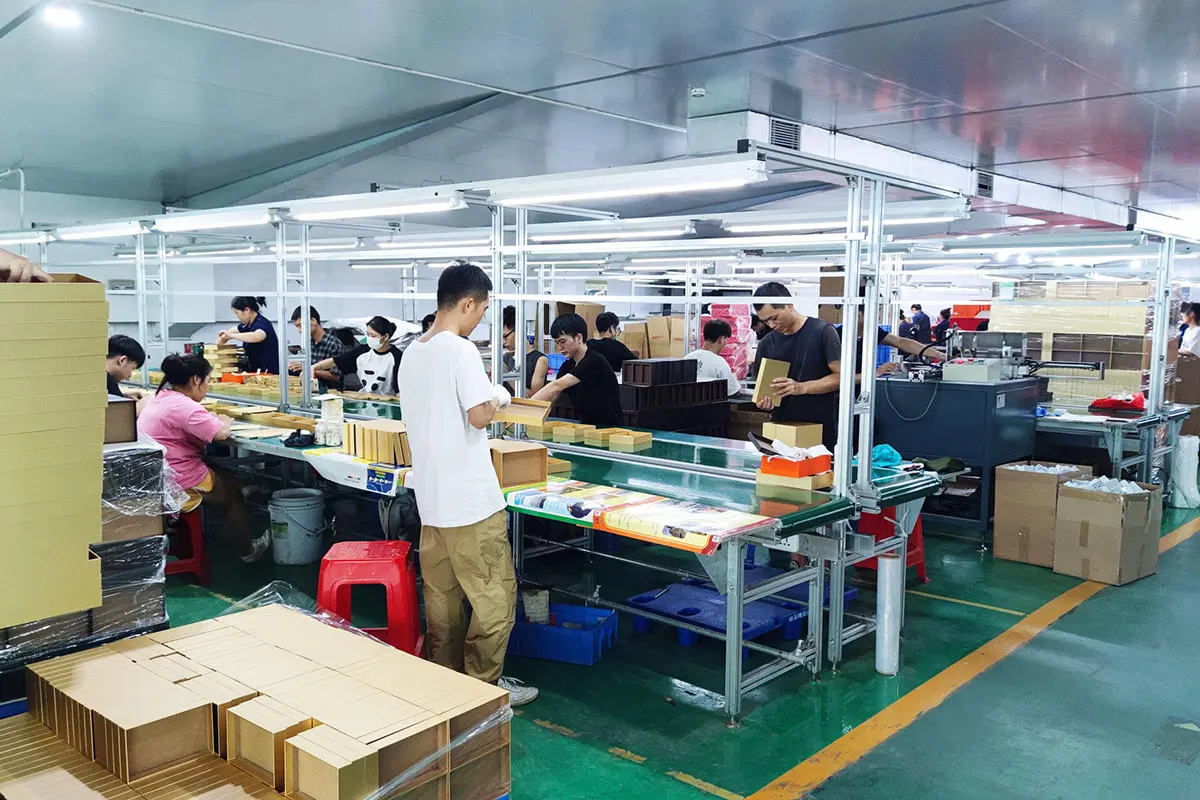
Make and Review Sample
Samples are usually finished in 3-5 days after structure and artwork are confirmed. Check fit, paper feel, logo, color, insert and opening experience.
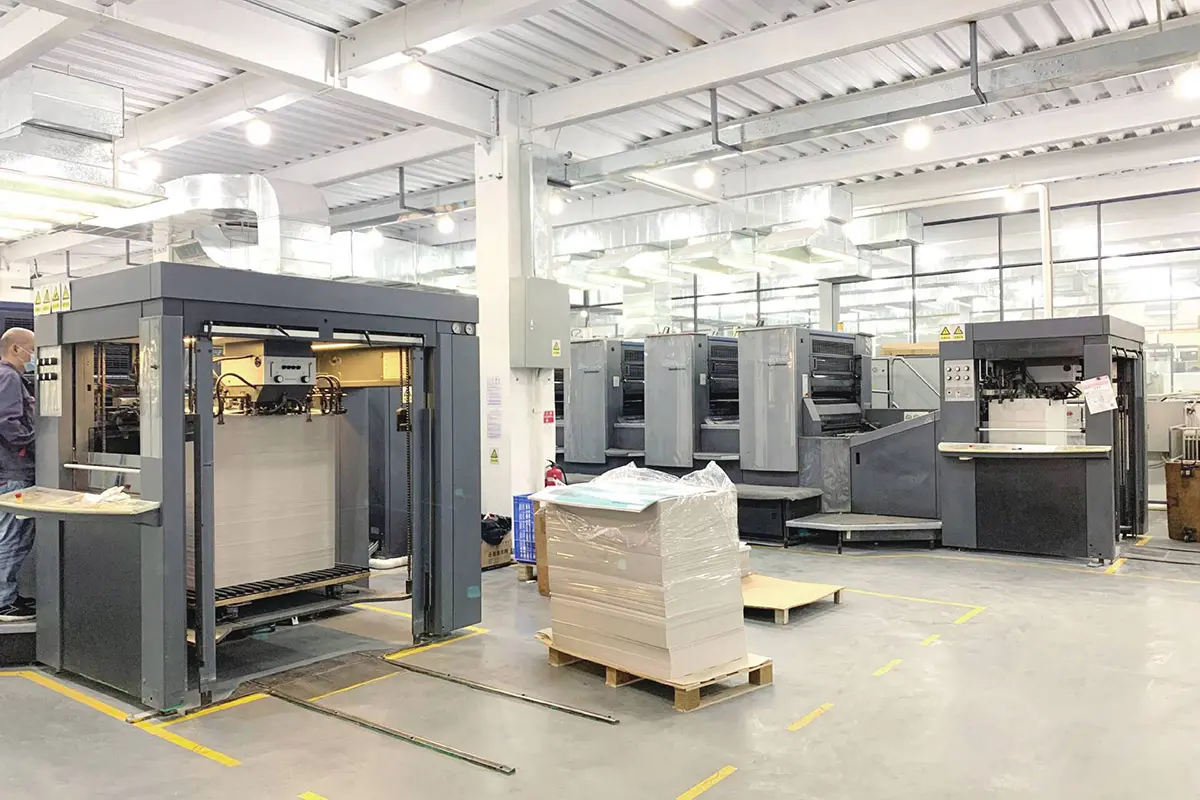
Produce, Inspect and Pack
After approval, bulk production usually takes 15–25 days. Finished packaging is checked against the approved sample before carton packing and delivery preparation.
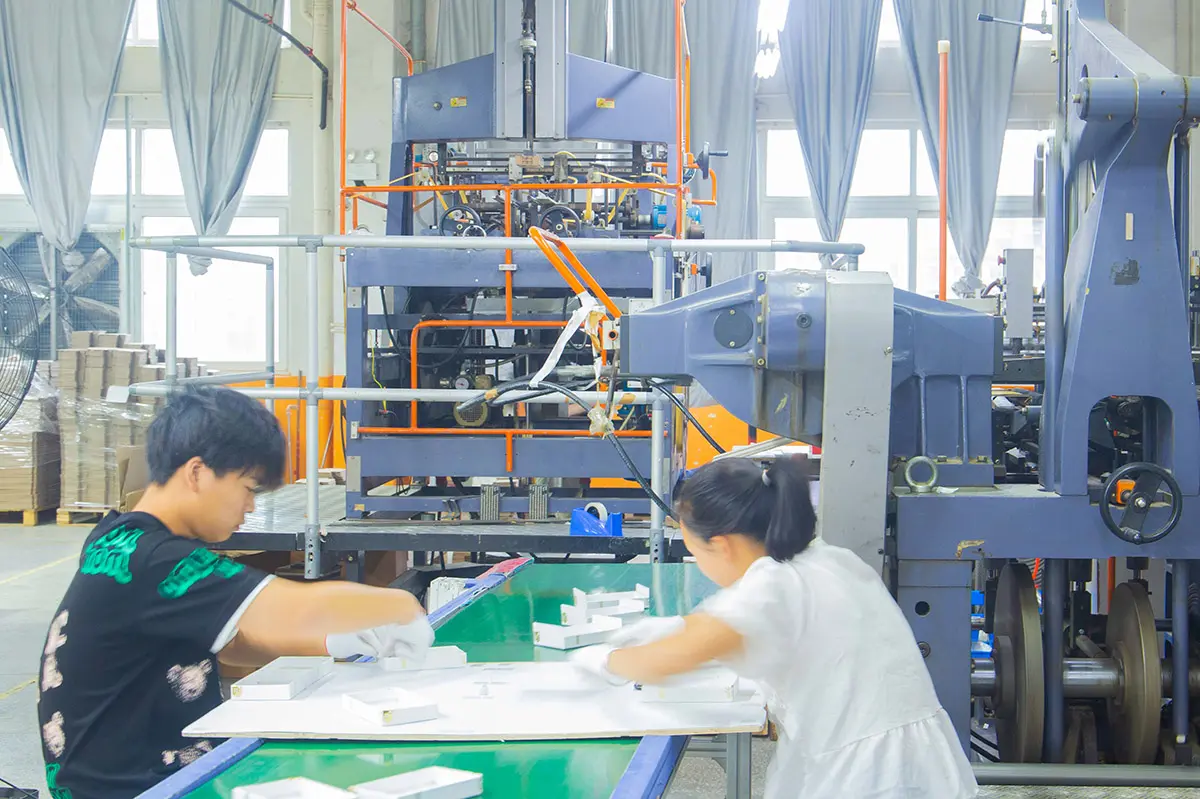
Step 1: Send Product and Project Details
Send the product in its packed condition, including lids, accessories and protective wraps. Identify the surface that must not rub and any part that cannot bear pressure. Those details help the factory propose a fit and restraint method rather than guessing clearance from an unscaled photograph.
If the product is a set, measure each item separately. If the product is glass, heavy, fragile, scented, irregular or premium, mention that early because it may affect the box structure and insert design.
Step 2: Review Packaging Structure Options
Some buyers already know the box type they want. Others only know the product and brand direction. Both are fine.
Premium Presentation
Rigid boxes, magnetic boxes, drawer boxes and lid and base boxes can support gift, luxury and retail presentation.
Retail and Shipping
Folding cartons, mailer boxes and corrugated boxes can support lightweight retail products, ecommerce and protection needs.
Bags and Tubes
Paper bags can pair with gift boxes. Paper tubes can work for candles, cosmetics, gifts and round products.
Inserts and Accessories
Custom inserts, ribbons, cards and paper bags should be planned early so the full packaging set works together.
Step 3: Confirm Quote Direction
After the main project details are clear, the quote can be reviewed. A useful quote depends on more than box size.
- Packaging structure, inner size and outer size
- Quantity, paper material and board thickness
- Printing method and logo finishing
- Insert material, paper bag or accessories
- Sample needs, packing method and delivery destination
Step 4: Prepare Dieline and Artwork
Once the structure and size are decided, the dieline and artwork need to be prepared.
- AI, PDF, EPS or SVG logo files
- Outlined fonts, bleed area and safe area
- Logo position, barcode area and label area
- Foil stamping, embossing, debossing or spot UV layers
- Correct dieline panel direction and artwork placement
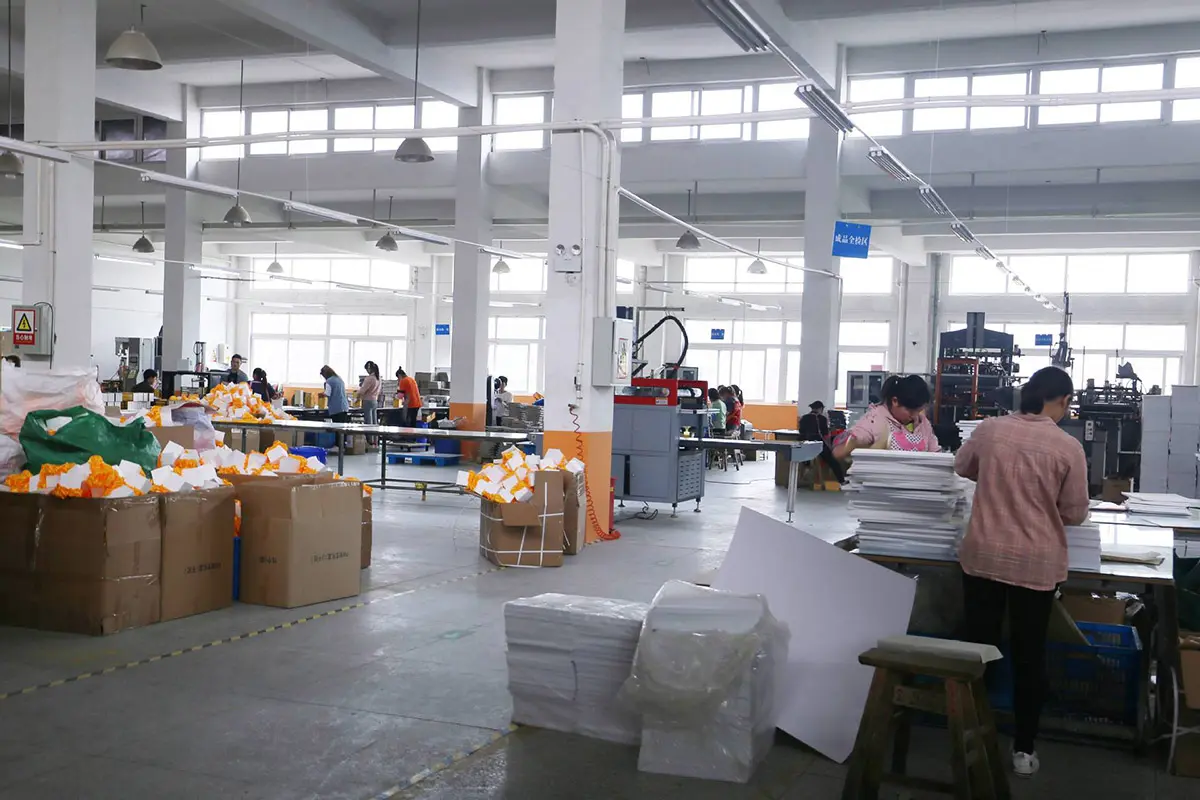
Step 5-6: Make, Review and Approve the Sample
The sample turns the structure, material and artwork into a physical package. It is one of the most important checkpoints before bulk production.
Sample revisions are normal. Adjusting box size, insert gap, logo position, material, lid tightness, drawer sliding, ribbon length or product removal space should happen before bulk production starts.
Step 7-9: Production, Quality Control and Delivery
After the sample is approved, the approved sample and written notes become the main reference for bulk production.
Bulk Production
Bulk production usually takes 15–25 days after sample approval, depending on quantity, material availability, printing complexity, finishing, inserts, accessories, assembly and inspection needs.
If the buyer requests changes after bulk production starts, it can affect cost, timing or feasibility.
Quality Control
Inspection may include size, paper thickness, color, logo position, surface marks, glue marks, lid fit, magnet strength, drawer sliding, insert fit and paper bag handle strength.
Finished packaging should be checked against the approved sample and project notes.
Packing and Delivery
Packing checks may include carton quantity, inner packing method, surface protection, corner protection, accessory count, paper bag bundle count, carton marks and shipping label area.
For repeat orders, approved sample details, artwork files, dieline and production notes help the next order move faster.
What Can Delay a Custom Packaging Project
Most packaging delays come from missing or changing information. The best way to reduce delays is to prepare product details early, confirm sample notes clearly and avoid changing key production details after approval.
- Product dimensions are not accurate
- Final artwork is not ready or logo file is low resolution
- Box structure changes after quote
- Material changes after sample
- Insert fit needs another revision
- Foil or embossing artwork is too detailed
- Sample approval takes longer than planned
- Documents are requested after production starts
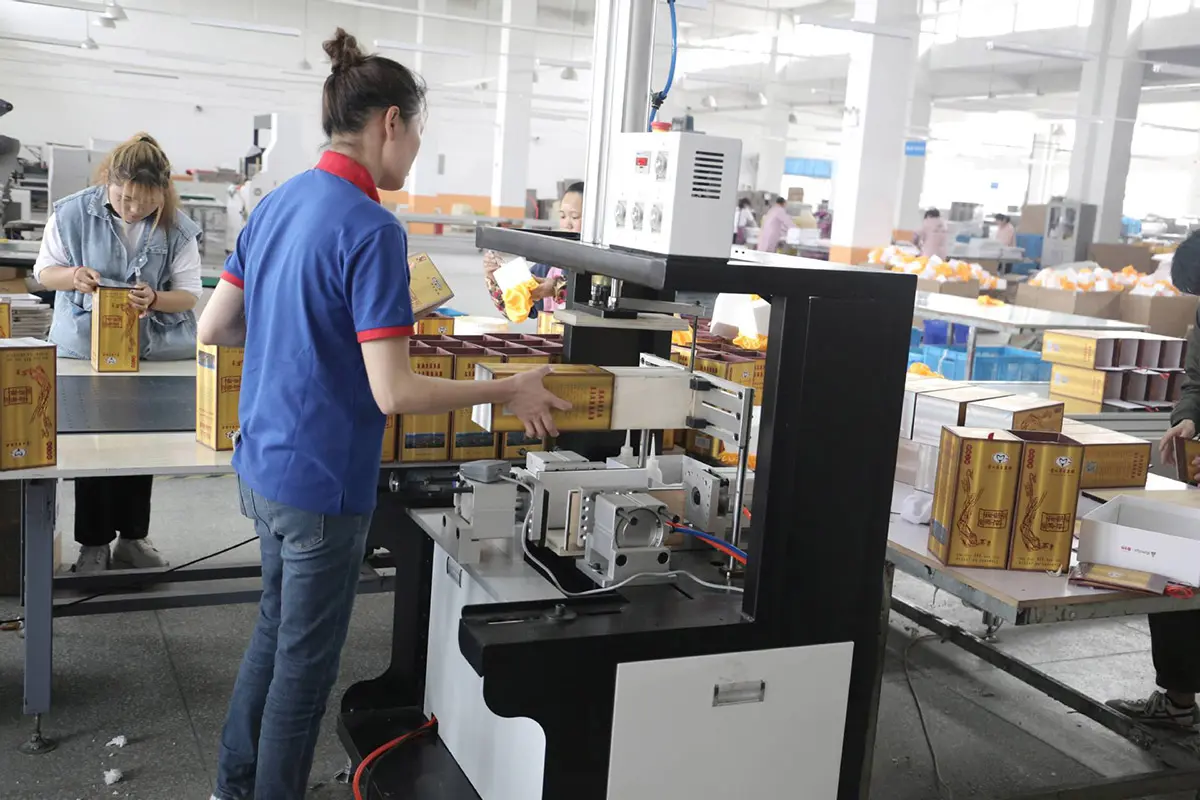
What Buyers Should Prepare Before Starting
Before starting a project, prepare as much as possible from this checklist:
- Product size and weight
- Product photos from several angles
- Target box type or packaging goal
- Quantity
- Logo file
- Artwork file if available
- Material preference
- Finishing reference
- Insert requirement
- Paper bag or accessory needs
- Delivery country and target schedule
Helpful Related Pages
If some details are not ready, send what you have. LuxoPacks can help review the next step.
Start a Custom Packaging Project
Send your product details and packaging goal. We can help review the structure, material, sample plan and next steps before production.
Send Your Packaging DetailsFrequently Asked Questions
Common questions about the custom packaging order process, samples, MOQ, artwork and production timing.