
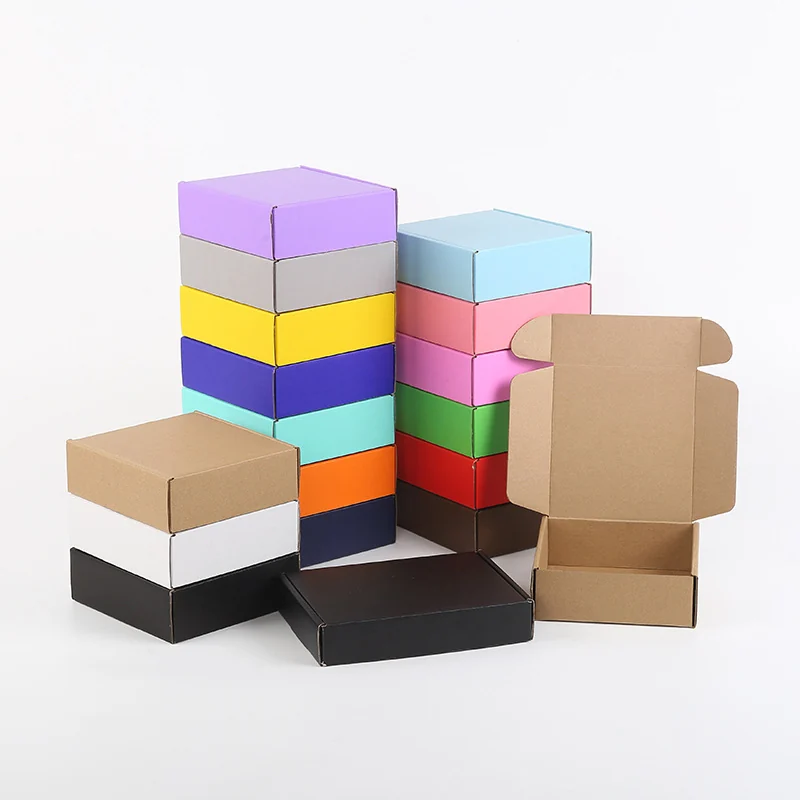
Custom Packaging Boxes
Choose custom packaging boxes by what the pack must do: identify a retail product, present a gift or travel through a parcel network. We help narrow the structure, dimensions and insert from the product and route before artwork and physical sampling establish the final specification.
- ✓ Free Design Support & 3D Mockup
- ✓ Retail & Gift Ready
- ✓ Built Around Your Brand
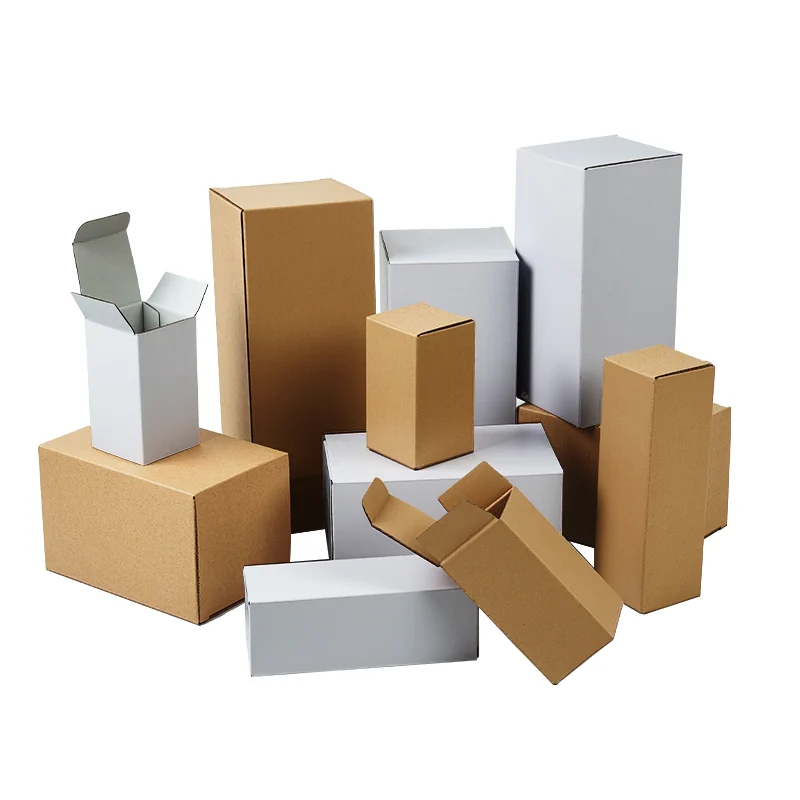
Start With the Product
First separate the product pack from any protective shipping layer. A lightweight retail carton, a presentation box and a parcel mailer solve different tasks, and one item may need more than one layer before it reaches its buyer.
After choosing the structure direction, review customization options, compare all custom products and use the custom packaging blog for material, printing and sampling notes.
- Product size
- Product weight
- Product value
- Whether the product is fragile
- Whether the product is sold in retail or online
- Whether the box needs to create a gift experience
- Whether the product needs an insert
- Whether the package ships directly to customers
- Target quantity and budget
Choose the Box Type Before You Quote the Box
Use the product, sales channel and route to rule out unsuitable structures before comparing unit prices. The goal is a short list of boxes that can perform the same required task, with their materials and packing scope stated clearly.
Product Weight
Use the filled product weight and its contact points to plan support. A concentrated glass base and a light item spread over a tray do not load the packaging in the same way.
Sales Channel
Identify where the pack is handled: a retail shelf, a gift handover or a packing bench. The answer affects display orientation, closing method, assembly work and the need for an outer shipper.
Shipping Risk
Describe the delivery route and what must arrive unmarked. Fragile contents need a protection review, while a gift surface may also need a separate layer to keep labels and handling marks off the presentation box.
Choose by Product Weight
Weight helps narrow the options, but it is not a complete board specification. Combine it with the item's shape, fragility and load distribution, then review the proposed construction with a packed sample.
Lightweight Products
For lightweight retail items, compare folding cartons or sleeves that hold the product in the intended display position. Check the base and closure after folding and include any primary container or inner tray in the measurements.
- Folding carton boxes
- Paperboard sleeves
- Small gift boxes
- Mailer boxes when shipping is needed
Medium-Weight Products
For a heavier accessory or small set, compare the loaded base and retention method across rigid, drawer and corrugated formats. Choose the construction for its actual use rather than assigning a structure from weight alone.
- Rigid boxes
- Lid and base boxes
- Drawer boxes
- Mailer boxes with inserts
Heavy or Fragile Products
For glass, candles or a heavy multi-item set, identify contact and movement risks before choosing the box. The presentation structure, fitted support and outer carton should be reviewed as a complete packed system.
- Rigid boxes with fitted inserts
- Corrugated boxes
- Mailer boxes with inner support
- Gift boxes with dividers
Choose by Sales Channel
Map the product's route to the customer. A shop may display a carton and add a bag, while an online order may put that same carton in a mailer; a single attractive box is not automatically the right solution for both channels.
- Retail packaging: clear branding, shelf appearance and consistent print quality.
- Gift packaging: stronger presentation, better opening feel and a complete product reveal.
- Ecommerce packaging: protection, shipping efficiency, inside print and practical label placement.
Compare folding cartons for retail identification, rigid formats for a planned reveal, and mailer or corrugated formats for parcel handling. Where roles overlap, price the full combination rather than comparing a single presentation box with a complete shipper.
Choose by Budget
Set a project budget that includes the box, insert, tooling, packing work and delivery scope. Ask suppliers to show optional upgrades separately so a lower unit price does not conceal missing components.
- Folding cartons are often more cost-efficient for light retail products.
- Mailer boxes can balance shipping protection and branded unboxing.
- Rigid boxes cost more but provide stronger presentation.
- Magnetic boxes, drawer boxes and luxury gift boxes usually require more assembly.
- Inserts, ribbons, foil stamping and embossing add cost and production steps.
- Oversized boxes increase material and shipping volume.
Find a compact usable fit after allowing for protection and removal. Compare alternatives with the same contents and order quantity, then include their carton dimensions and assembly requirements in the cost decision.
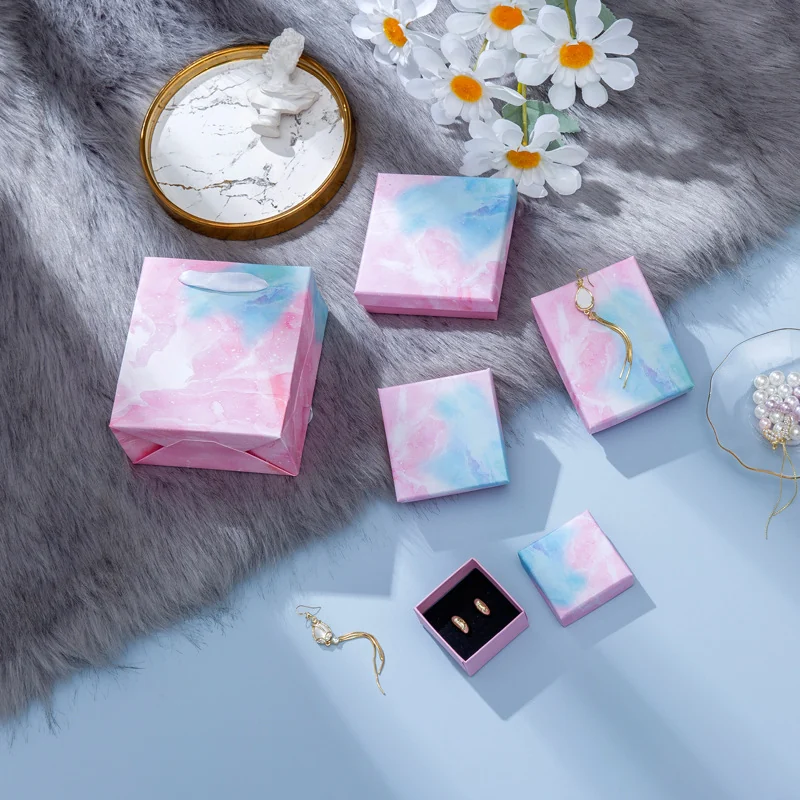
Request a Cost-Aware Box Suggestion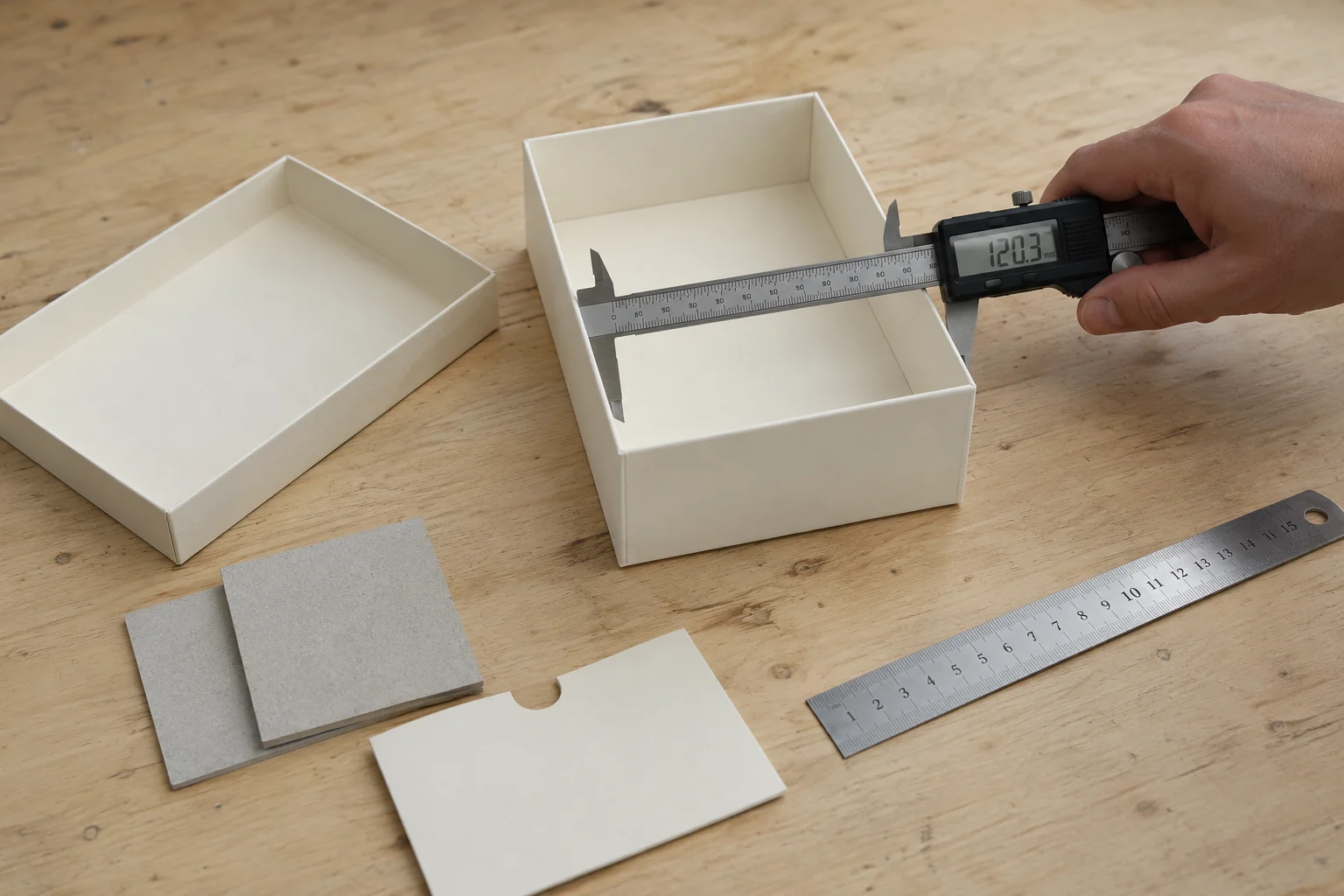 AI-generated design reference.
Choose by Display Need
Define the viewing moment before choosing the opening. A shelf-facing carton needs a clear front, while a gift box may need an unobstructed product reveal and a place for a message card.
- How the package is first seen
- Whether the product should be visible when opened
- Whether several items need to sit in a set layout
- Whether the box should feel more substantial in hand
- Whether the logo should appear on the lid, sleeve or inside panel
- Whether the package needs a paper bag or sleeve
For a presentation-led brief, compare lid-and-base, drawer and magnetic openings with the real product. Check the first visible face and removal path so the structure supports the display rather than simply adding weight.
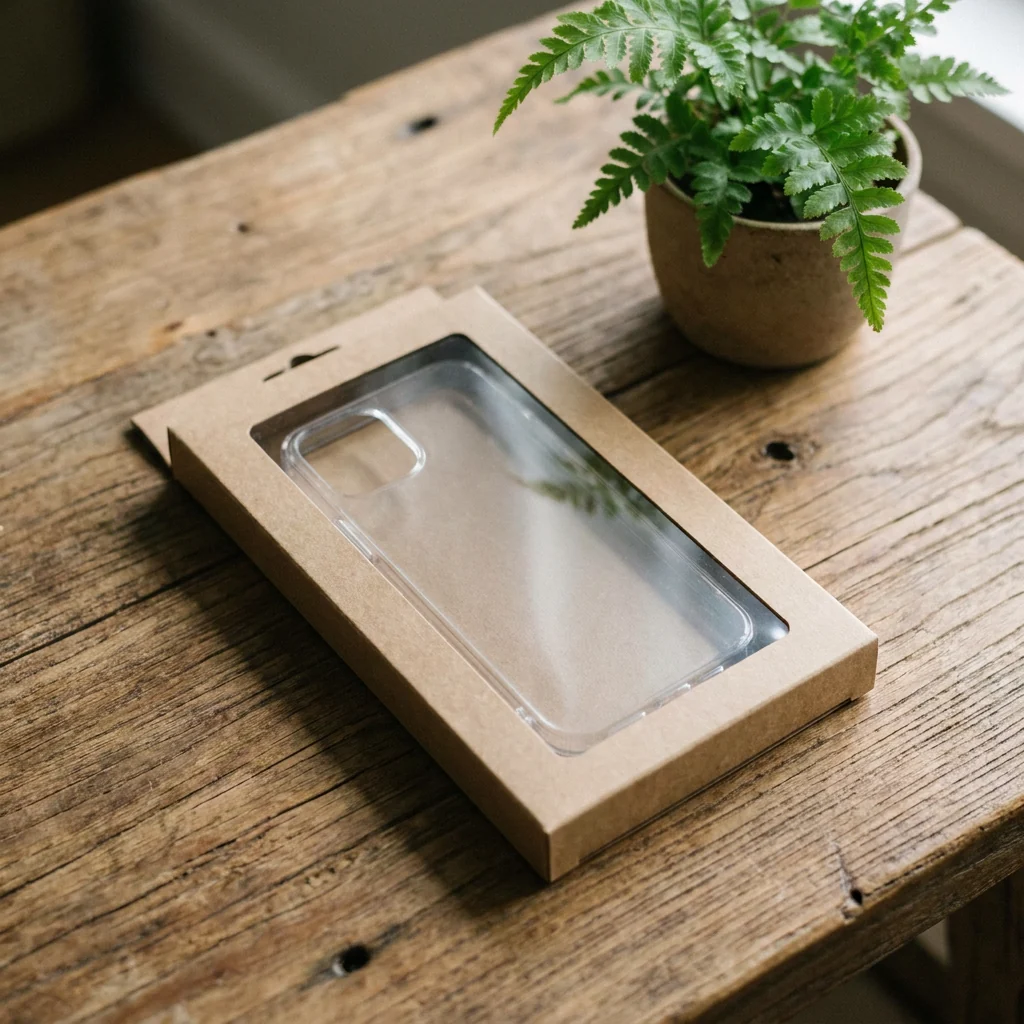
Choose by Shipping Need
Decide which layer carries labels and handles transit. If the finished box must arrive clean for gifting, include protective outer packing in the brief and quotation from the start.
- Will the custom box be the shipping box?
- Does it need an outer carton?
- Is the product fragile, glass or heavy?
- Will several products ship together?
- Does the product move inside the box?
- Will the box carry a courier label?
- Does the package need to arrive clean for gifting?
Mailer and corrugated formats are useful starting points for direct delivery, but their suitability still depends on the packed product and route. A rigid presentation box can sit inside an outer carton; price and review both layers together.
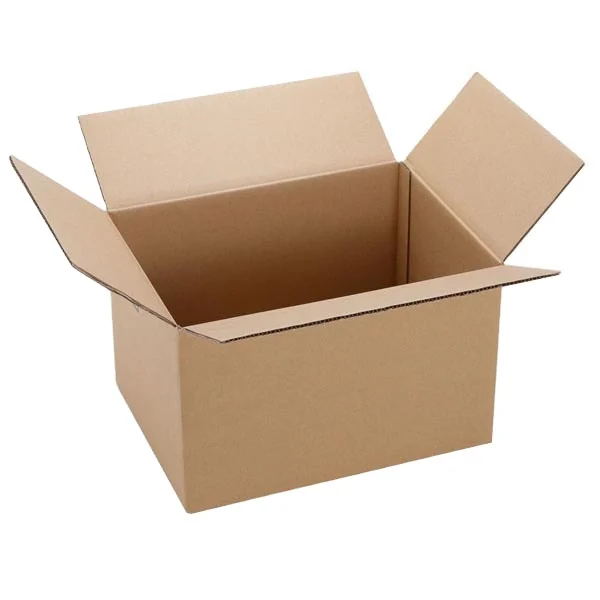
Materials for Custom Packaging Boxes
Material follows construction. Define the board, wrap, liner or flute and any coating separately so the specification describes the box you intend to buy rather than an ambiguous term such as 'premium paper'.
Compare materials using an assembled sample, not just thickness or a swatch. Check the loaded base, creases or wrapped corners, print appearance and handling, then keep the approved grade and finish reference with the order.
Packaging Materials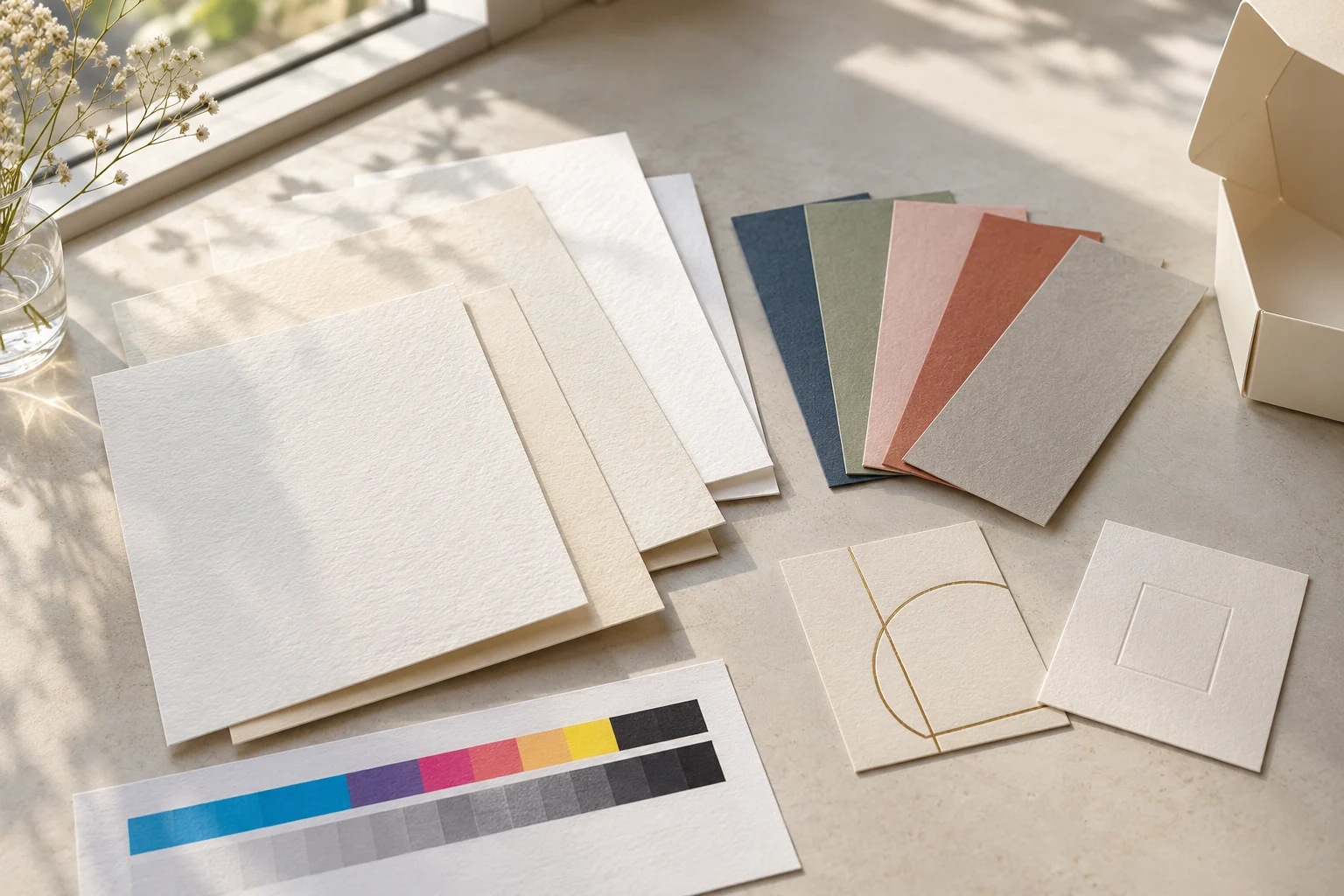 AI-generated design reference.
Printing and Logo Options
Choose printing and decoration for the proposed surface and logo detail. A colour graphic, small foil mark and blind impression need different approvals; ask which can be shown accurately in the sample being ordered.
- Offset printing
- Screen printing
- Digital proofing where suitable
- Foil stamping
- Embossing and debossing
- Spot UV
- Matte, gloss or soft-touch lamination
Review artwork on the formed box. Check panel orientation, small text and distance from creases, seams or wrapped edges, then confirm the final file version and physical colour reference together.
Logo Printing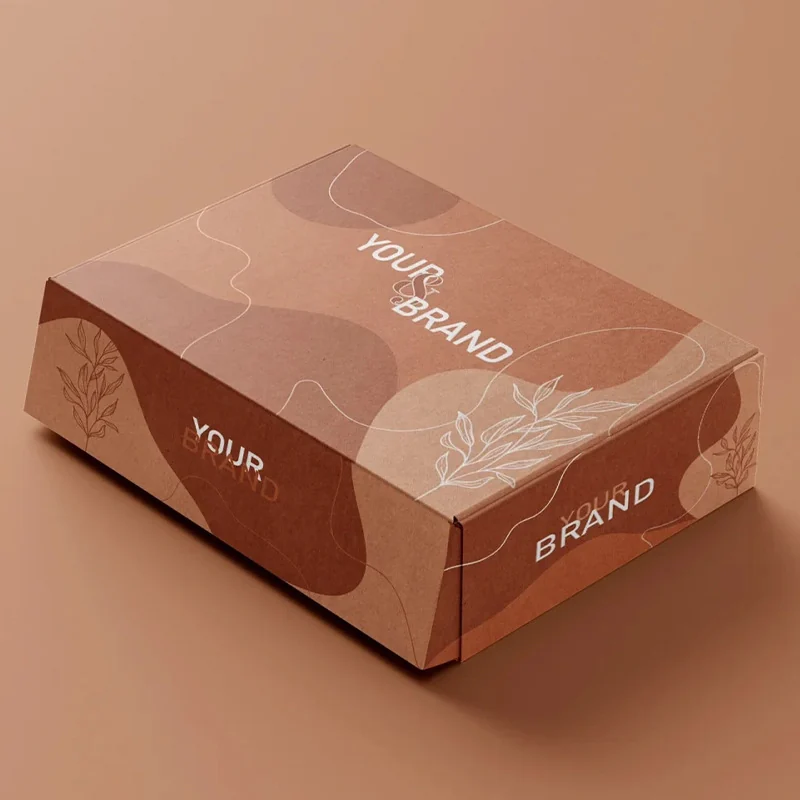
Inserts and Product Fit
Develop the insert while the outer dimensions are still open. Its task may be retention, separation, display or a combination, and it must leave enough space for the product to be removed normally.
- Paper card insert
- Foam insert
- EVA insert
- Molded pulp insert
- Corrugated divider
- Paper tray
- Velvet-covered insert for selected projects
Measure bottles and jars with their caps, pumps and labels in place. For a set, list every item and any alternatives; an unchanged outer box does not mean the same cavity layout will fit a different assortment.
Custom Packaging Inserts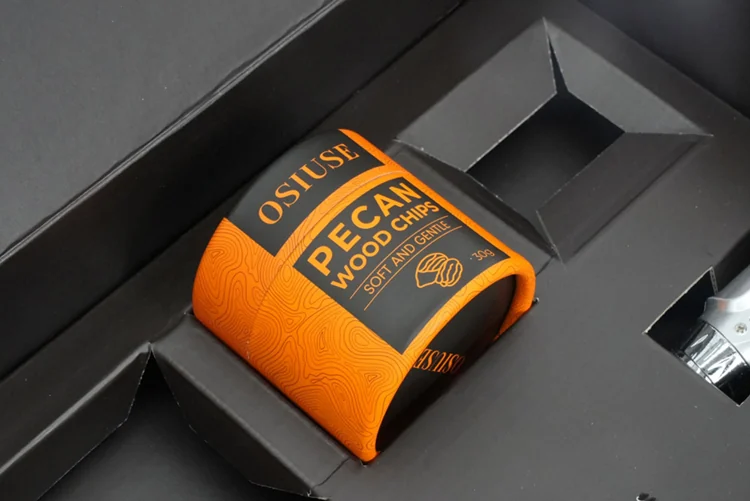
Quote Information Checklist
A quote should identify the task before the decoration: product measurements, packed weight, quantity, use and destination. State which components the supplier must provide and which dimensions or artwork remain provisional.
- Product photos
- Product size and weight
- Quantity
- Preferred use: retail, gift, ecommerce or shipping
- Preferred box style if known
- Reference packaging photos
- Logo or artwork file
- Material preference
- Printing or finishing request
- Insert requirement
- Target delivery country and date
If you have no preferred format, describe how the product is displayed, packed and delivered. We can narrow the options before a dieline or sample is developed, using the brief to compare like-for-like constructions.
Send Your Packaging Details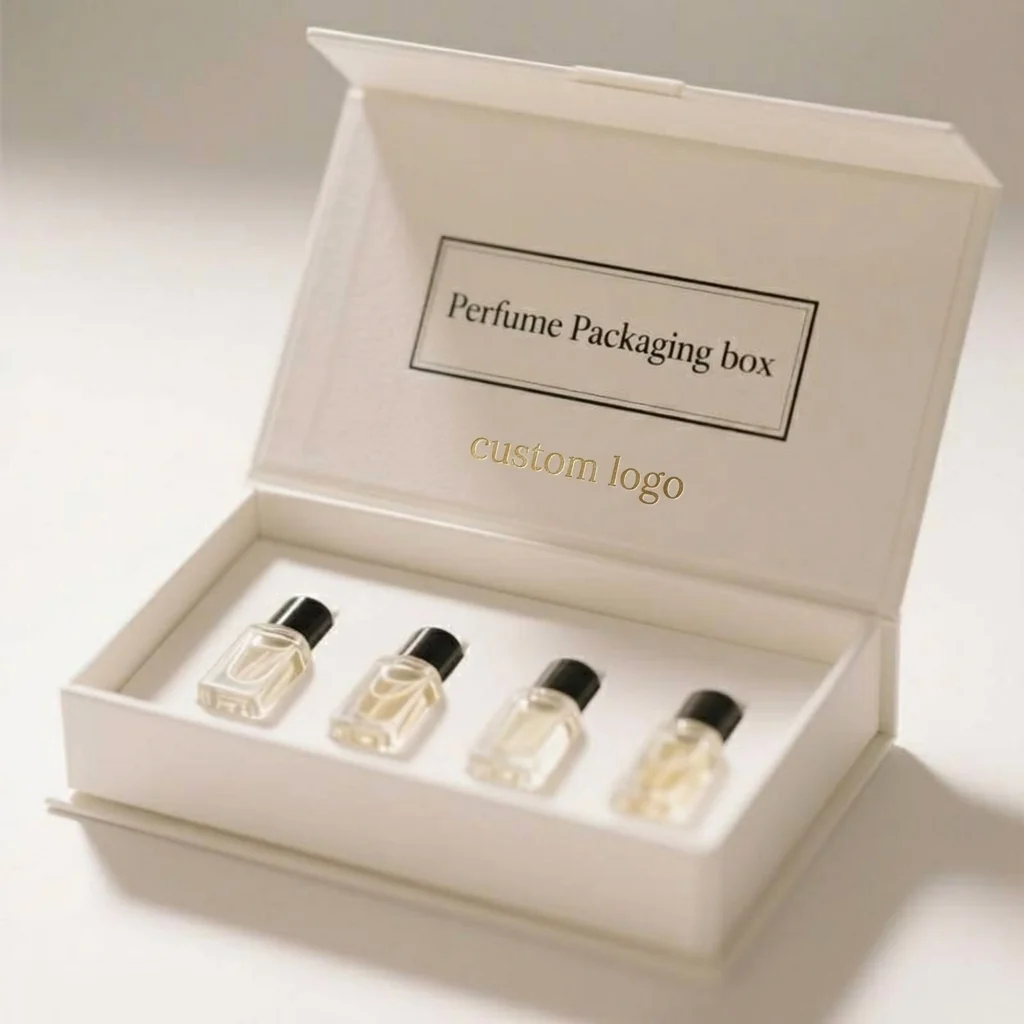
Sampling and Approval
Use sampling to resolve the questions a flat design cannot answer. Agree what the sample represents, then record the loaded fit, material, closure and artwork revision before authorising bulk production.
Box Size and Structure
Record usable internal and finished external dimensions separately. Check folds, lid clearance or the locking detail on the formed box so the drawing and sample describe the same construction.
Product Fit
Place the real product and any wrapping in the sample. Check movement and the removal path, including whether fingers can reach the product without pulling on a cap or damaging a label.
Material and Strength
Review the proposed board and support with the loaded pack. Agree which handling or transit checks are needed for the route; material thickness alone does not establish shipping performance.
Print and Finishing
Check the assembled logo position, colour reference and finishing detail. Include the inner panels or insert print where specified, then keep the approved artwork revision with the sample record.
Packing Method
Set the quantity and orientation per outer carton, separating material and labelling requirements. Confirm whether the finished box is supplied assembled or flat and who performs the remaining packing work.
Samples usually take 3–5 days after structure and artwork confirmation; bulk production usually takes 15–25 days after sample approval. Sample review, revisions and freight are additional planning stages, with the final schedule agreed for the order.
Request a Packaging Box SampleCommon Custom Box Mistakes
Avoid choosing the structure from appearance alone. Use the product and route to check the common mismatches below before a sample fixes the dimensions and material.
- Choosing a box only from a reference photo
- Using a folding carton for a product that needs stronger support
- Using a rigid box when a lighter carton would be more practical
- Making the box too large and increasing freight cost
- Planning the insert after the box size is already fixed
- Placing the logo too close to folds or edges
- Ignoring product weight during material selection
- Forgetting courier label space on ecommerce boxes
- Approving artwork without checking a physical sample
- Not planning an outer carton for premium or fragile products
Not Sure Which Custom Box to Choose?
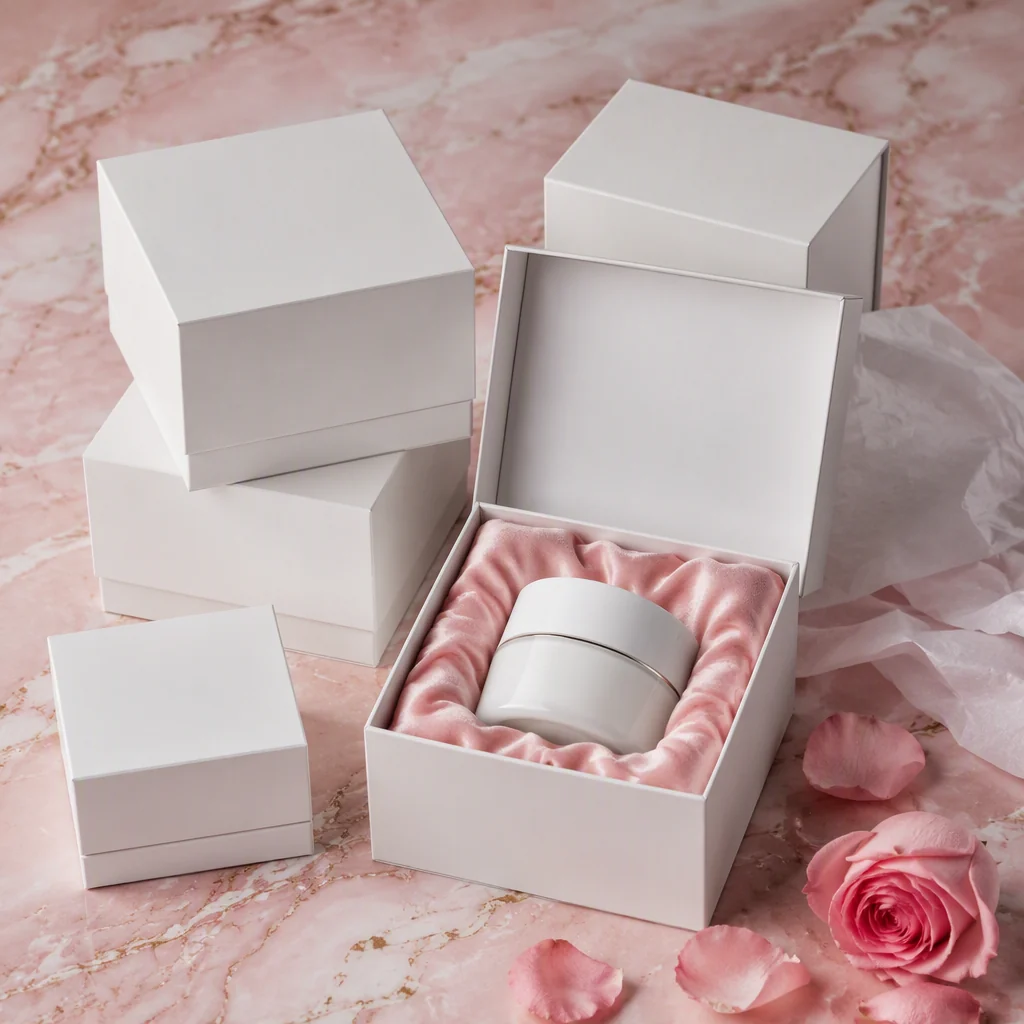
Send product photos, dimensions, filled weight, quantity and the retail or delivery route. Mark any reference image as a design direction, and tell us which functional requirements the proposed box must satisfy.
Request a Custom QuoteFrequently Asked Questions
These answers help buyers separate retail, gift and shipping functions, define the insert and approve a complete construction rather than an exterior image alone.