📅 May 22, 2026
In 2026, that equation is being rewritten.
The Green Premium
Translate the environmental objective into evidence for a component or construction. Responsible forest sourcing and animal-derived content are different questions. Ask which attribute the proposed alternative changes and what remains unproven before accepting a broad premium or sustainability claim.
Redefining Weight
Reduce unnecessary mass only after identifying the part’s function. A decorative layer may be removable, while an insert or structural panel may be required to support the product. Review a loaded alternative so less material does not quietly create a need for additional protection elsewhere.
What Buyers Actually Ask For in 2026 RFQs
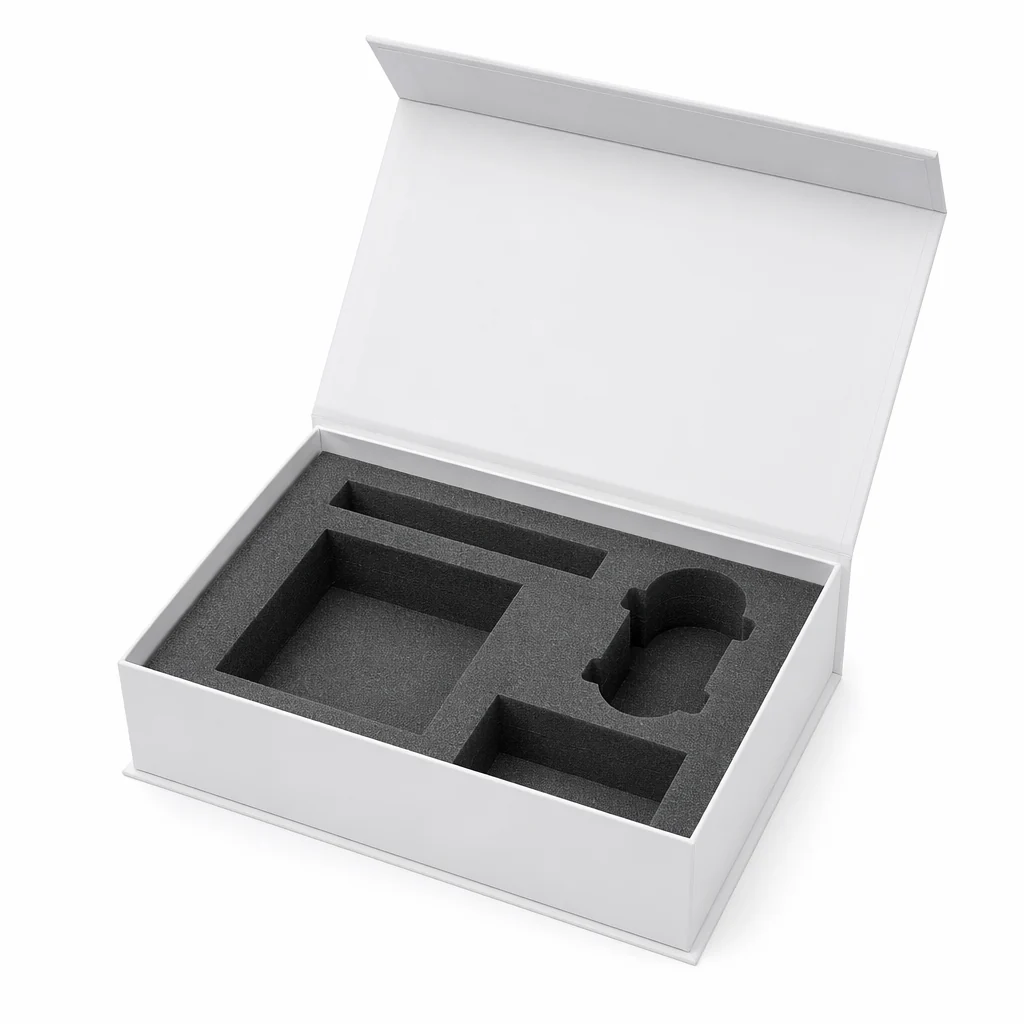
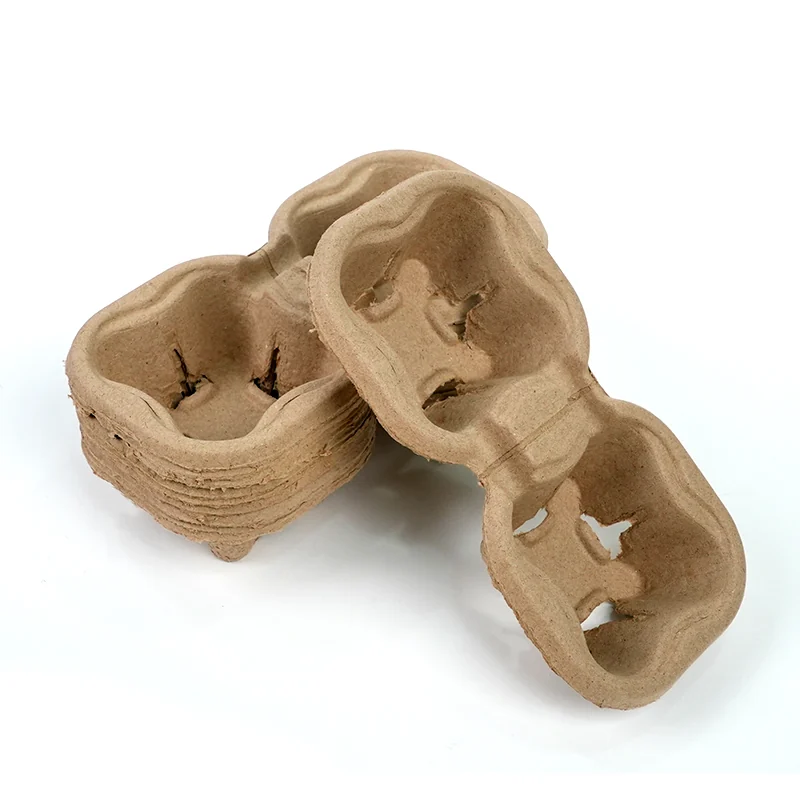
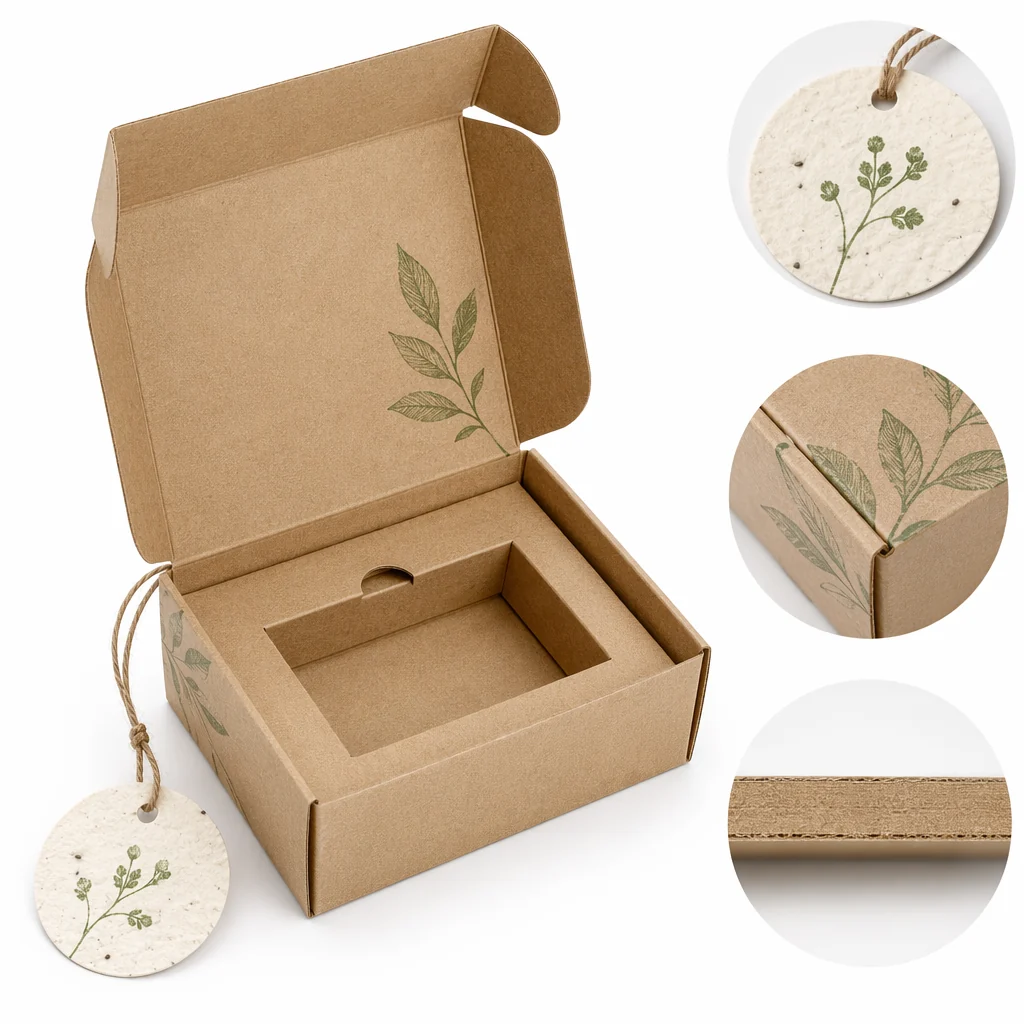
The sustainability line in a modern packaging brief is no longer a mood; it is a list of checkable items. The most common are an FSC chain-of-custody number on the quotation and invoice, a plastic-free insert (molded pulp, die-cut paperboard or paper honeycomb instead of EVA foam), mono-material construction so the box can be recycled without disassembly, water-based rather than solvent lamination, and a written statement of recycled fibre content.
Each of these can be verified, which is exactly why procurement teams now prefer them to adjectives like 'eco-friendly'. A supplier who can answer all five with documents is easier to approve than one who can only describe intentions.
Where Weight Can Come Down Without Looking Cheap
Most of the excess in a traditional luxury box is invisible to the customer: board thicker than the panel span needs, a second interior liner that serves no protective purpose, or magnets sized for a lid twice as large. Reducing greyboard from 3 mm to 2 mm on a small box, moving from a foam insert to a paperboard platform, and trimming the wrap paper weight together can remove a third of the mass while leaving the closing snap and the hand-feel intact.
The trade-off to watch is panel flatness. Large lids on thin board will bow, so weight reduction should be tested on a structural sample at the final size rather than assumed from a smaller prototype.
A One-Page Sustainability Spec Checklist
- Board: recycled content percentage, FSC label type (100%, Mix or Recycled).
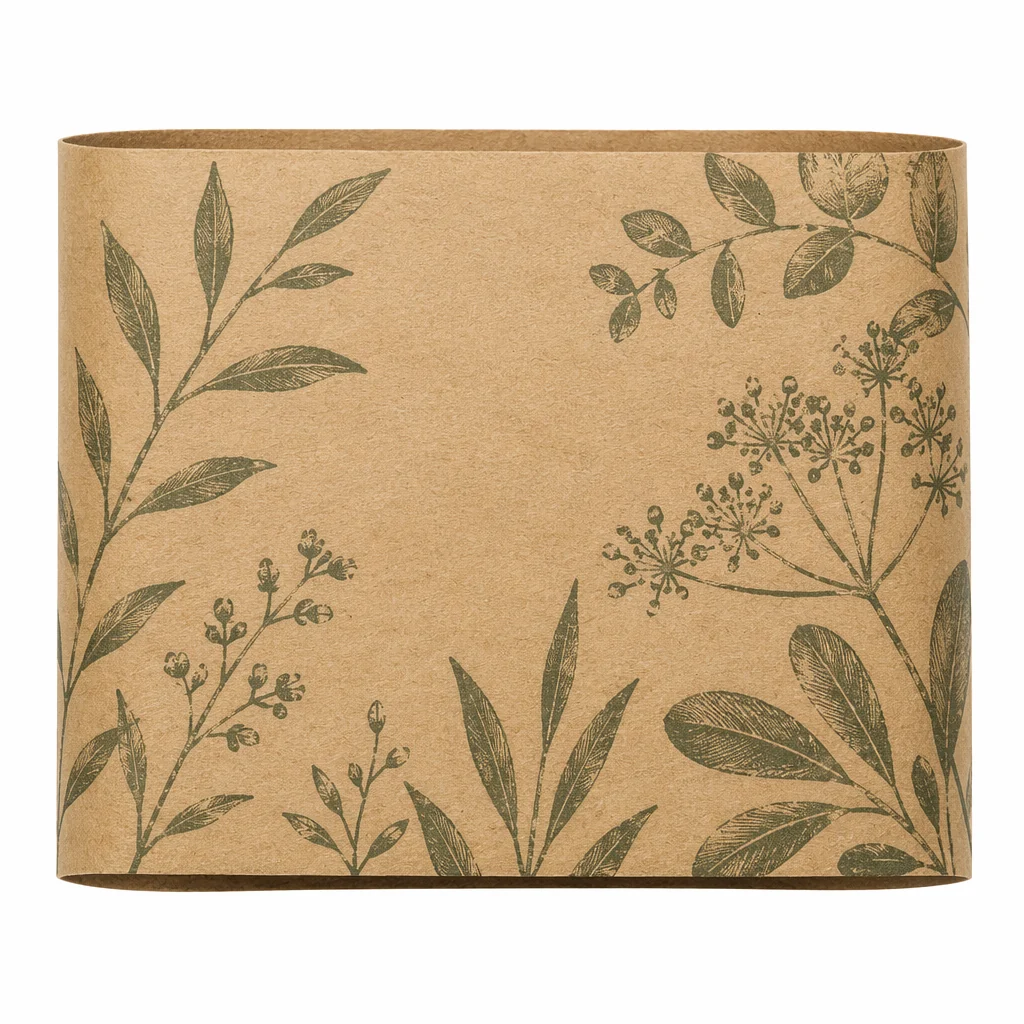
- Wrap paper: FSC status, coating type, whether it is recyclable with the board.
- Insert: material, plastic-free yes/no, removable without tools.
- Finishes: foil and lamination method, and whether they affect recyclability.
- Documents: chain-of-custody certificate, material declarations, test reports if food contact applies.
Send this list with the artwork. It costs nothing to ask and it removes the guesswork from comparing two quotations that both say 'sustainable'.
Go Green without Losing the Gold.
Discuss the material specification and sourcing documentation required for your packaging project.
Put this guide into practice
Compare the complete component lists and sample behavior of the alternatives. Retain only changes with a defined presentation or protection role and evidence appropriate to the environmental statement you intend to make.