Brand Strategy
📅 April 3, 2026
A useful unboxing experience is designed as a sequence, then checked as a physical system. Start with the presentation sequence, protect and restrain the product, make the opening mechanics repeatable, plan the packing operation, and validate the finished pack with the people who will assemble, ship, and receive it.
Use the steps below as a buyer brief rather than a promise of social sharing or repeat-purchase results.
Buyer decision checks before production
Start with decisions that affect both packing and opening: orientation, restraint, access and the first visible information. Review them with the actual product and people performing the task. A presentation that works only when carefully staged may be unsuitable for repeat fulfillment.
| Decision point | Buyer check | Practical validation |
|---|---|---|
| Presentation sequence | Choose what the customer sees first and what remains hidden until opening. | Review an assembled sample from the intended opening angle. |
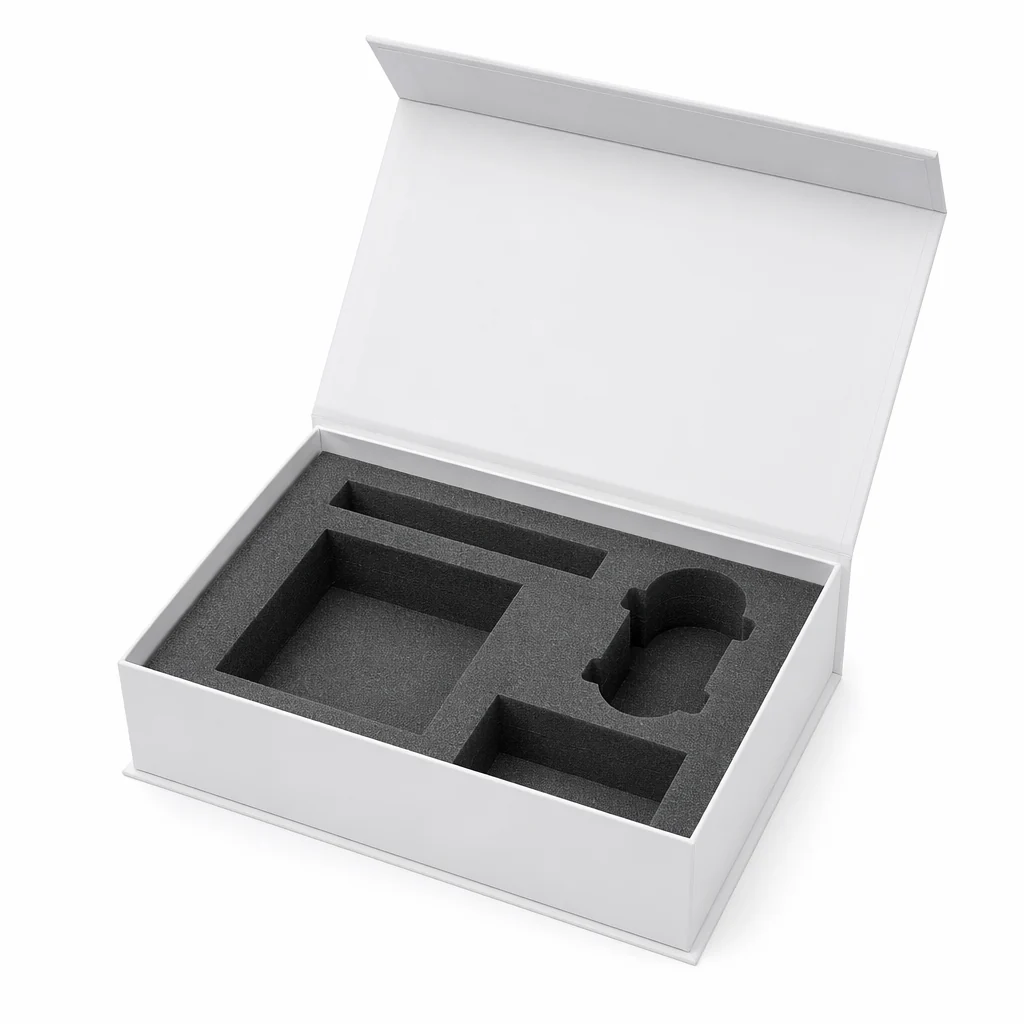
| Product restraint and protection | Match the insert and clearances to the product's shape, weight, and fragility. | Check fit after packing and after the handling conditions relevant to your shipment. |
| Opening mechanics | Confirm that lids, pulls, sleeves, and seals open consistently without damaging the pack. | Have multiple people open the sample without instruction. |
| Packing operations | List the parts, sequence, and orientation required on the packing line or by a 3PL. | Time a small packing trial and document the assembly order. |
| Validation evidence | Keep approved artwork, material, insert, and packing references together with the quote. | Confirm the written quotation matches the approved sample and packing brief. |
Eight packaging planning tips
01
Lead With a Tactile Moment
Choose a surface treatment on a physical sample and compare it with the normal handling expected for the product. Texture and finish should reinforce the opening sequence rather than create unnecessary work or conceal essential information. Keep a simpler version as a comparison.
02
Design the Interior as a Second Reveal
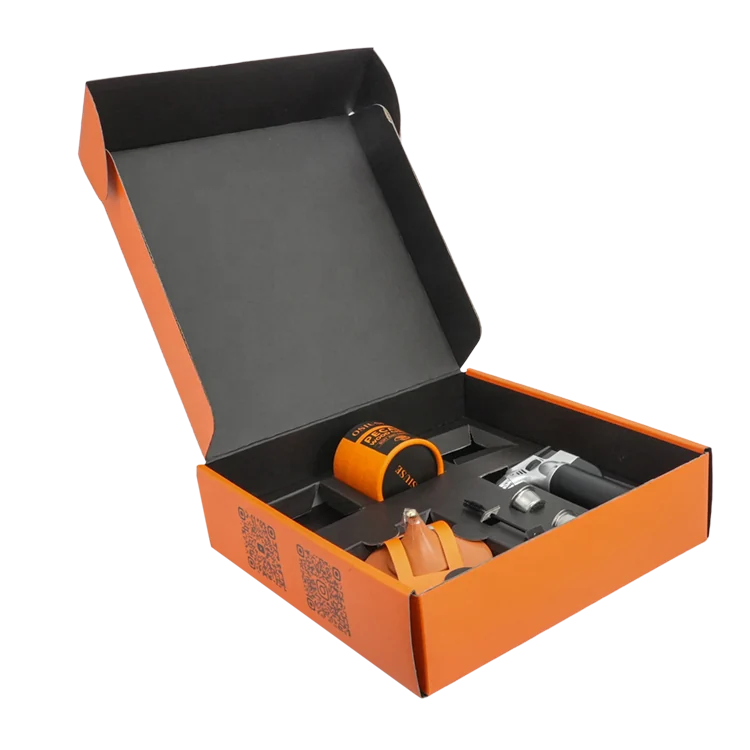
Plan the interior with the same care as the exterior. The insert, printed surfaces, and product orientation should support a clear reveal while keeping the item stable. Review material and insert options against the product rather than selecting an upgrade by a fixed cost rule.
03
Add a Handwritten-Style Thank You Note
A printed note can explain the product, care steps, or a next action. Keep the message readable and make sure its size, stock, and placement work with the product and insert. Test the complete pack so the card does not shift or obscure the product.
04
Use a Satin Ribbon Pull for the Reveal
A ribbon or pull tab can help a customer lift a product or insert, but it should be tested with the chosen contents and opening sequence. Confirm its placement, attachment, and clearance in the approved sample before bulk production.
05
Create a Signature Scent
If you are considering scented tissue or another sensory element, first check whether it is compatible with the product, market requirements, and recipient expectations. Request samples and include the component in the final packing review.
06
Make the Exterior Photograph-Ready
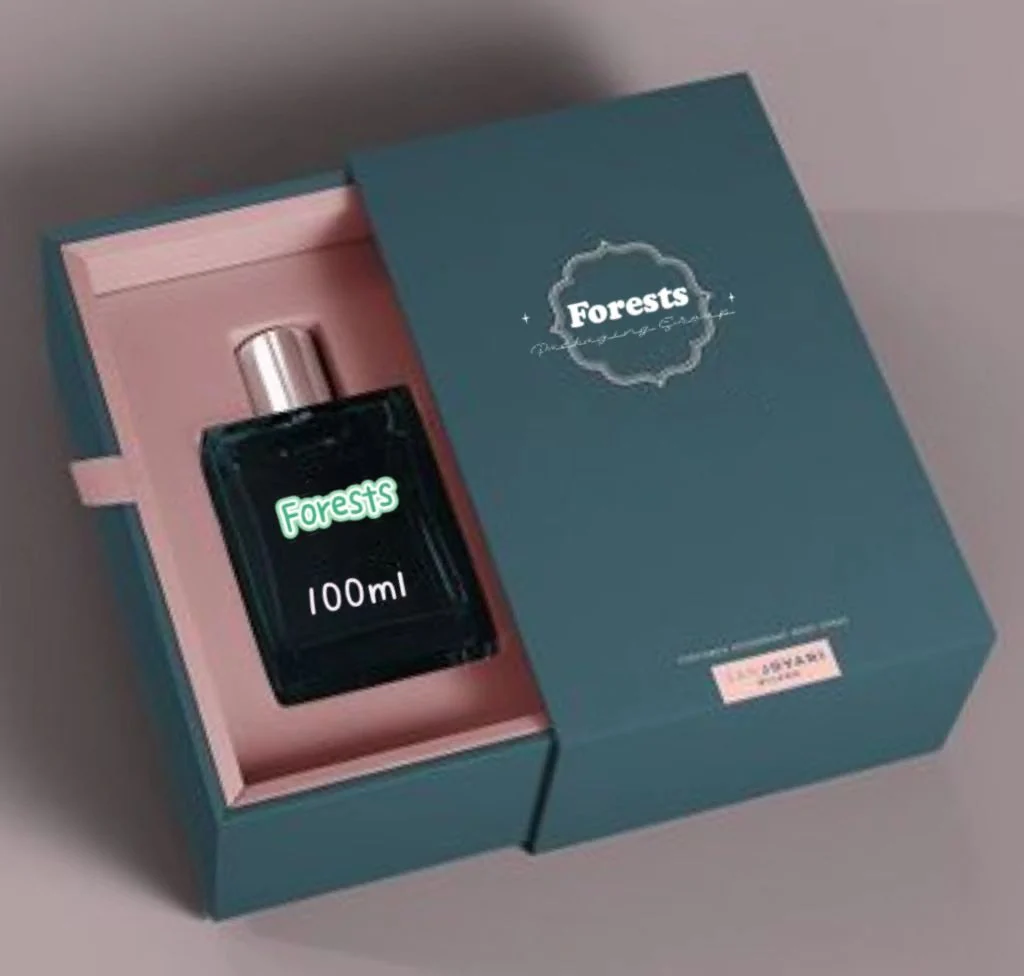
The box will be set on a surface before opening. Make sure it's beautiful from that angle. Gold foil logo on matte black = instant luxury. Embossed logo on deep navy = editorial quality. The rule: your box should look good in a photo taken with no styling, no props, natural window light. Test this yourself before bulk production.
07
Include a QR Code to a Private Experience
A QR code can direct customers to care instructions, setup help, or a relevant digital resource. Print and scan it from the finished pack, and keep the destination current. Do not make the code the only place where essential product or safety information appears.
08
Make It Too Beautiful to Throw Away
Consider whether the box has a useful second-life purpose, such as storage or organization. This is a design choice to discuss with your team, not a guaranteed retention or referral outcome. Balance reuse ideas with the protection, material, and shipping needs of the original product.
The 1-Page Unboxing Brief Template
Before briefing your packaging manufacturer, answer these 6 questions:
- What emotion do you want the customer to feel at first touch? (Surprise? Luxury? Warmth? Exclusivity?)
- What's the one thing that must be true about the exterior? (Logo visibility, specific color, texture)
- What will the product look like inside? (Shape, weight, fragility — drives insert choice)
- Is there anything in the box besides the product? (Card, sample, ribbon)
- Where will this be opened? (Home? Office? In-store?) — drives light and background considerations
- What do you want the customer to do after opening? (Share, scan QR, leave a review)
Share this brief when requesting a quote so the supplier can confirm the specifications, sample path, packing process, and current production schedule in writing.
Resources for a quote-ready unboxing brief
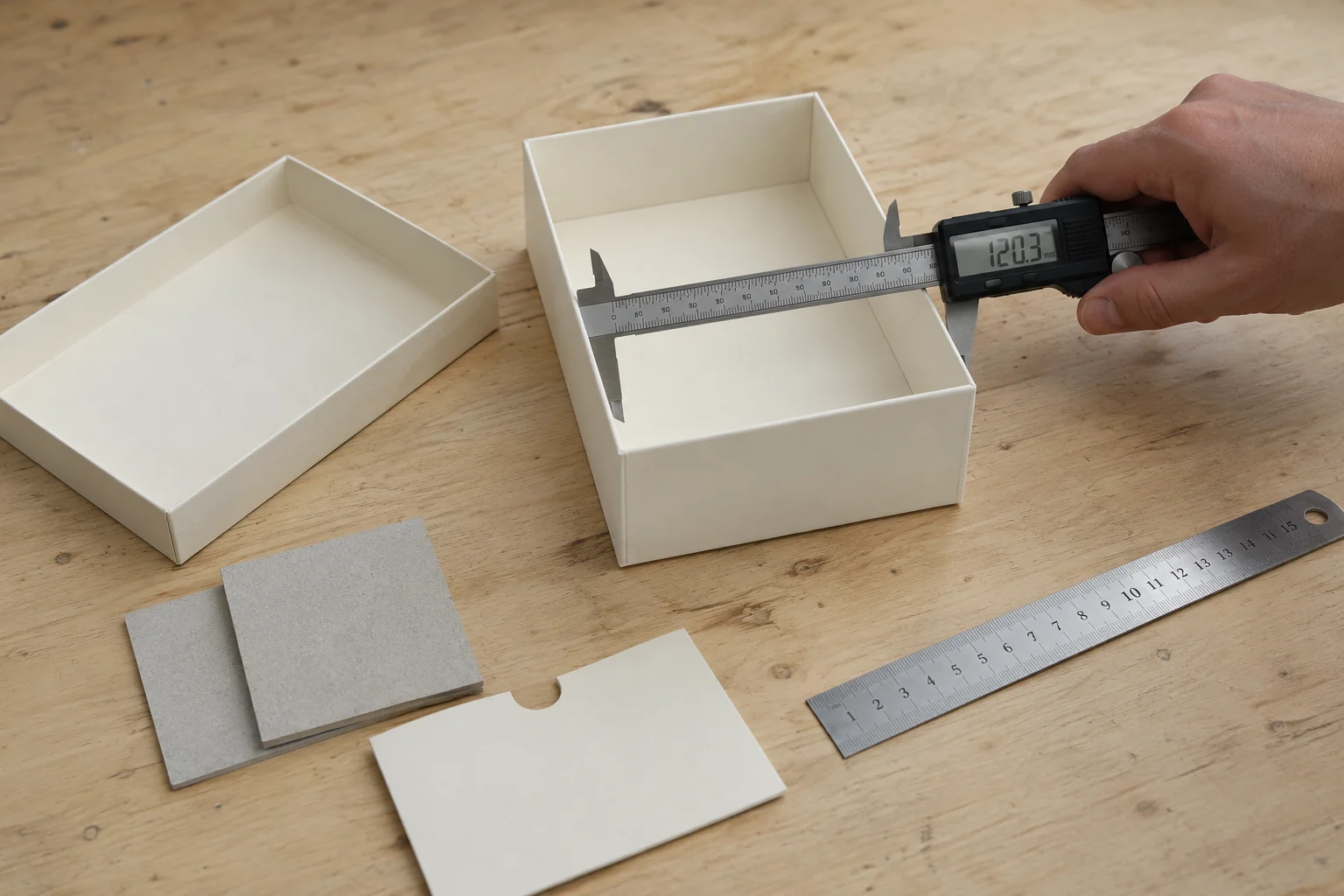
- Gift box size guide for product measurements and clearances.
- Gift box materials guide for board, finish, and insert considerations.
- Dimensional-weight packaging guide for shipping-volume checks.
- 3PL-ready packaging guide for packing and fulfillment handoff questions.
- Request a packaging quote with the product, dimensions, artwork, and packing requirements.
Unboxing planning FAQs
How should a buyer start planning an unboxing experience?
Start with the product, opening sequence, protection needs, and packing workflow. Put the required materials, inserts, artwork, and validation steps into one brief before asking for a quote.
What should be checked before bulk packaging production?
Review an assembled sample for fit, opening, artwork, material, and packing sequence. Confirm that the written quotation matches the approved specifications and any required packing details.
What information makes an unboxing packaging quote more useful?
Provide the product dimensions and weight, packaging format, materials, artwork, insert requirements, quantity, destination, and any 3PL or fulfillment constraints so the supplier can scope the request accurately.
Design Your Unboxing Experience With Us
Discuss a custom magnetic rigid gift box, sliding drawer box, foldable magnetic box, or mailer with your product, artwork, insert, and packing requirements. A written quote can confirm the current specifications and production details for your project.
Related from the factory
- the four variables behind an unboxing experience — Structure, texture, layering and first sight — and what each costs.
Packaging formats built for the unboxing moment
These formats can support a planned reveal when their product fit, insert, and packing sequence are validated:
- Influencer PR boxes — assess tray, insert, and opening order with the actual contents
- Hexagon gift boxes — confirm product fit and shipping protection for the shape
- Velvet ribbon boxes — check tactile treatment and ribbon handling on a sample
- Subscription box systems — document the repeatable packing sequence for each shipment
Put this guide into practice
Run the brief through an actual packing and opening sequence. Remove components with no clear job and record the loaded sample, material and artwork revisions that define the approved experience.