

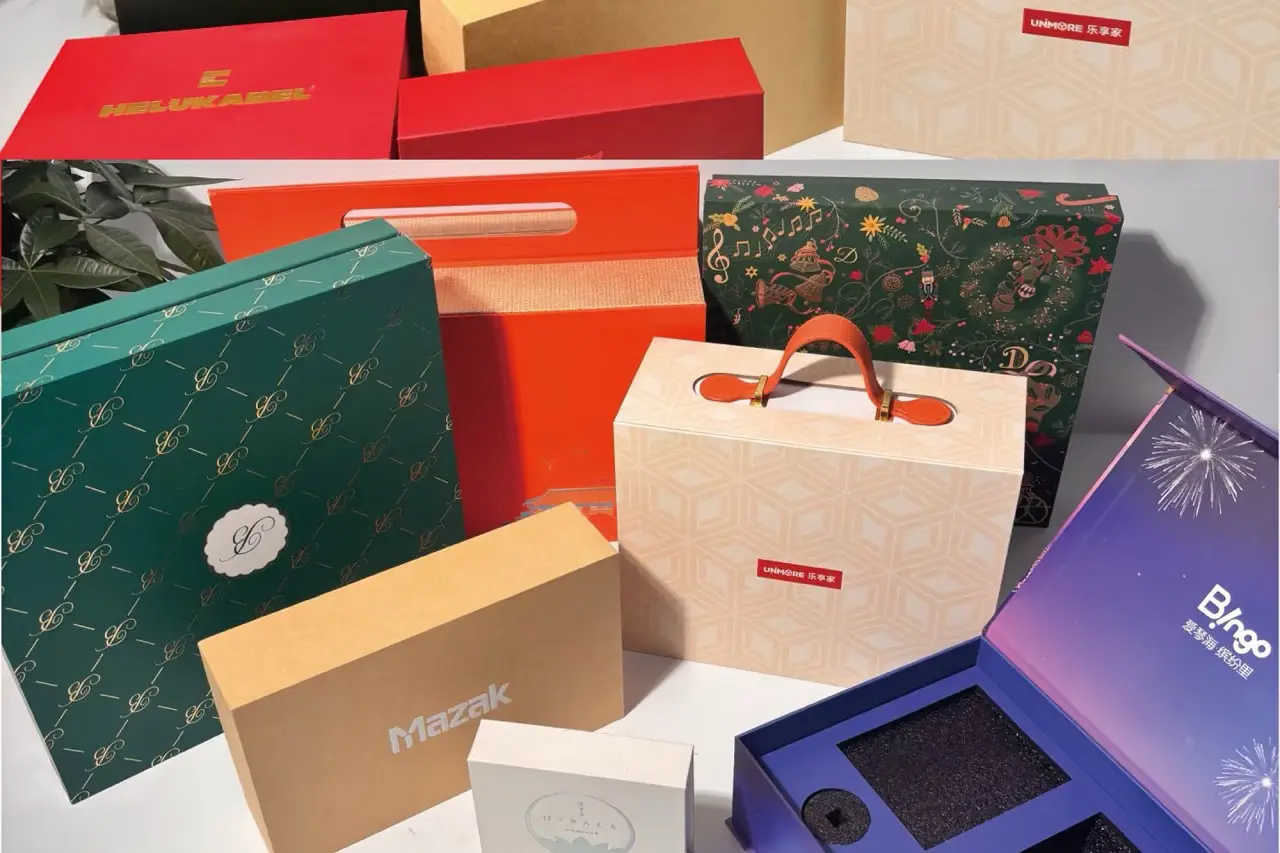
Choosing the right custom packaging box is rarely just a design decision. In real production, the box has to protect the product, fit the sales channel, stay within budget and still be easy to sample, assemble and pack in bulk. A box can look beautiful in a mockup, but if the insert is too loose, the paper cracks on the fold, or the structure takes too long to assemble, it will create problems later.
The safest way to start is to look at the product first: size, weight, fragility, price point, shipping method and the kind of unboxing experience the customer expects. Once those basics are clear, choosing between a rigid box, folding carton, mailer box, drawer box or paper tube becomes much easier.
If you are planning a new packaging project, LuxoPacks can help you compare custom packaging boxes, materials, inserts and logo finishes before you move into sampling. Many projects can start from 50 pcs, with sample time usually around 3-5 days after structure and artwork confirmation. Bulk production is usually around 15-20 days after sample approval, depending on box style, material and finishing.
- Choose the box structure after confirming product size, weight, fragility and sales channel.
- For low quantities, keep the structure practical and spend budget on fit, protection and clear branding.
- Always check the physical sample before bulk production, especially for inserts, foil stamping, magnetic closure and drawer fit.
Start with Your Product Requirements
Before choosing a box style, define what the packaging must do for the product. A small jewelry item, a glass perfume bottle, a skincare jar and an ecommerce subscription item may all be "custom boxes", but they are not solved with the same structure.
Start with these basic questions:
- What is the product size and weight?
- Is the product fragile, heavy, sharp, oily or easy to scratch?
- Will the product be sold in retail stores, online, at events or as a gift set?
- Does the packaging need to look premium or mainly protect during shipping?
- Does the product need an insert, divider, window, sleeve, ribbon or handle?
- What is the expected order quantity?
- What is the target launch date?
For premium items, the packaging often needs to create a stronger first impression the moment the customer opens the box. For shipping-focused products, protection, carton strength and packing speed may matter more than a luxury finish. This is where many packaging projects go wrong: the brand chooses the look first, then discovers later that the structure does not match the product or shipping method.
Choose the Right Box Structure
The box structure is the foundation of the packaging. It affects appearance, cost, protection, shipping volume, assembly time and the customer experience. If the structure is wrong, better paper or a more expensive logo finish will not fully fix the packaging.
Custom Rigid Boxes

Custom rigid boxes are a strong choice for premium products, gift sets and luxury retail packaging. They are made with thick greyboard wrapped in printed or specialty paper, so they feel solid in the hand and create a more polished unboxing experience.
Rigid boxes are often used for jewelry, watches, perfume, candles, skincare kits, corporate gifts and high-value accessories. They cost more than folding cartons, but they usually make sense when the product has a higher retail price or when the box is part of the brand experience. One detail to check during sampling is the corner quality. Poor wrapping can leave loose paper, visible seams or uneven edges.
Usually a good fit for:
- Luxury products
- Gift sets
- Jewelry and watches
- Perfume and skincare sets
- PR kits and influencer boxes
- Products that need strong presentation
Magnetic Closure Boxes
Custom magnetic closure boxes are a type of rigid box with a magnetic flap closure. They are useful when the brand wants a clean, reusable and premium opening experience.
They are often used for luxury gifts, corporate gift packaging, product launch kits and retail sets where presentation matters. During sampling, pay attention to how the flap closes. If the magnets are weak, misaligned or placed too close to the edge, the box can feel less premium even if the outside artwork looks good.
Works well for:
- Premium gift boxes
- Corporate gifts
- Product launch kits
- Reusable packaging
- High-end retail products
Drawer Boxes
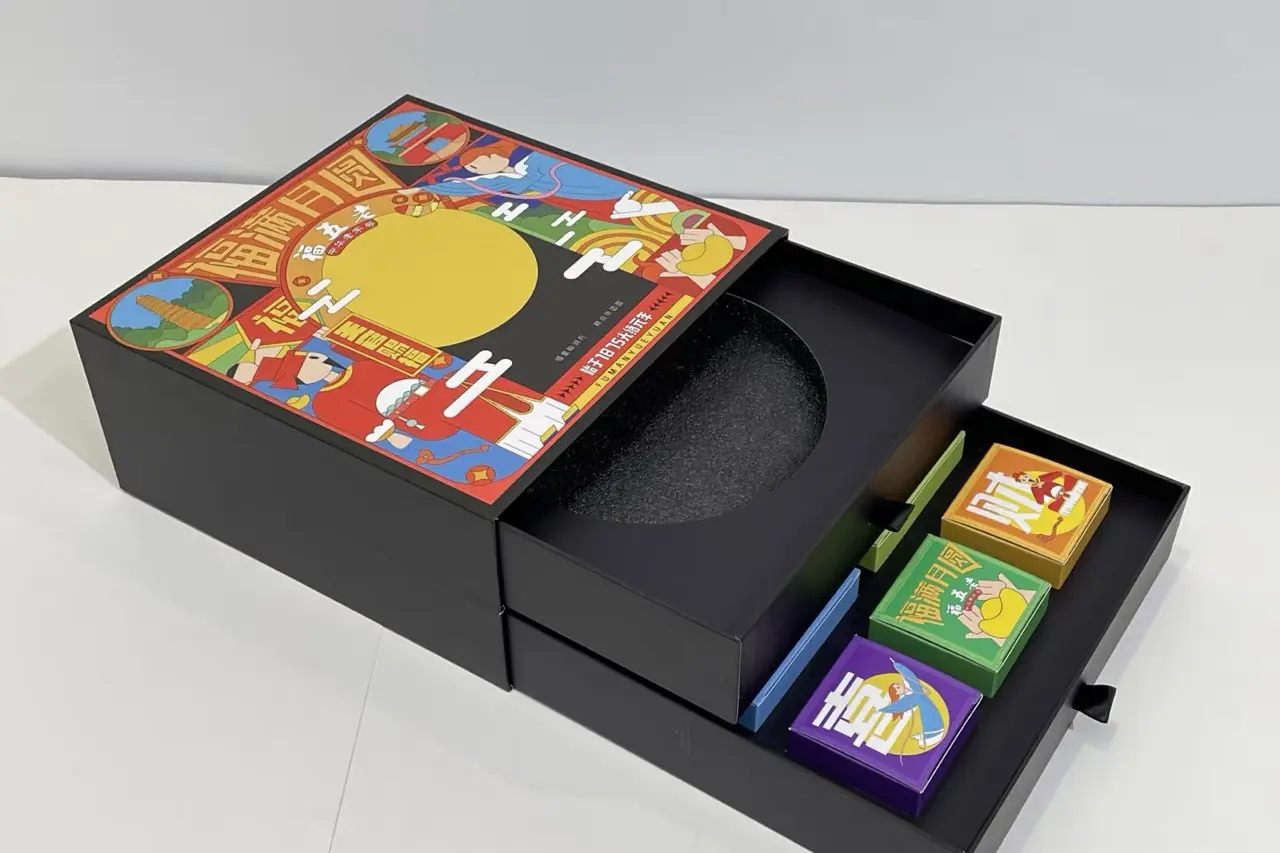
Custom drawer boxes use a sliding tray and outer sleeve. This structure creates a reveal moment when the customer pulls the tray open.
Drawer boxes are popular for jewelry, watches, cosmetics, accessories and gift sets. They can also work well with ribbons or pull tabs. The key is friction: the drawer should not slide out too easily, but it also should not feel stuck. That small detail is worth checking on the physical sample.
Lid and Base Boxes
Custom lid and base boxes use a separate top lid and bottom base. This structure is classic, simple and flexible for premium packaging.
It works well for gift products, rigid box packaging and retail presentation. Compared with magnetic boxes, lid and base boxes can sometimes be simpler in structure while still looking premium.
Mailer Boxes
Custom mailer boxes are practical for ecommerce and direct-to-consumer shipping. They are usually made from corrugated board and can be printed inside and outside.
Mailer boxes are useful when the package needs to protect products during shipping while still showing brand identity when the customer opens it. For ecommerce orders, do not only judge the box by how it looks on a desk. Check whether the product can survive the shipping method, whether the box needs an outer carton, and whether the inside print will rub against the product.
Folding Carton Boxes
Custom folding carton boxes are lightweight paperboard boxes often used for retail unit packaging. They are shipped flat before assembly, which can reduce storage and freight volume.
They are common for cosmetics, skincare, small electronics, food packaging, supplements and retail products that do not need a thick rigid structure. Folding cartons are efficient, but they depend heavily on paperboard thickness, crease quality and artwork layout. If the carton has dark full-coverage printing, the fold lines need special attention during sampling. Buyers should also check whether the carton needs an inner tray or outer shipping carton, especially for products that can be scratched or crushed.
Paper Bags and Paper Tubes
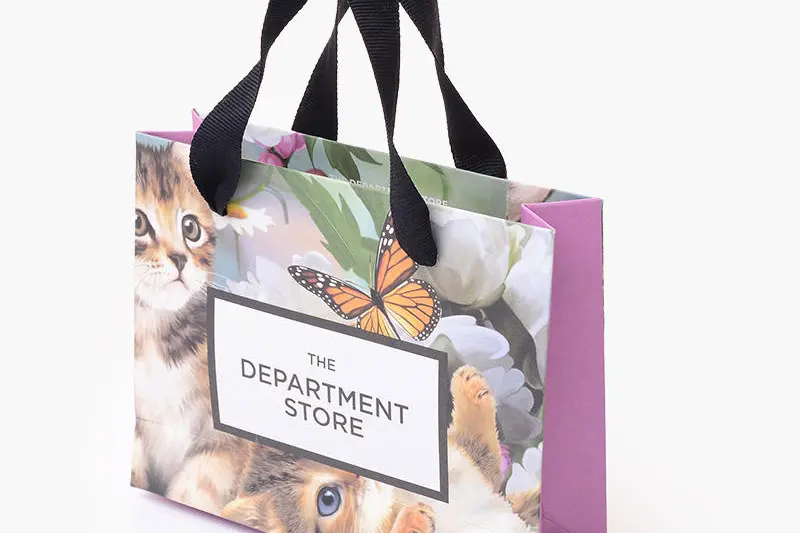
Custom paper bags support retail shopping, gifting and event packaging. They can use printed logos, foil stamping, ribbon handles or kraft paper materials.
Custom paper tubes are useful for candles, cosmetics, skincare, tea, gifts and cylindrical products. They can create a distinctive shelf look and may support more sustainable packaging goals.
Compare Common Custom Packaging Box Types
| Box type | Best for | Main advantage | Cost level |
|---|---|---|---|
| Rigid box | Luxury products, gifts, jewelry, perfume | Premium hand feel and presentation | Higher |
| Magnetic closure box | Gift sets, launch kits, corporate gifts | Reusable premium opening | Higher |
| Drawer box | Jewelry, watches, cosmetics | Sliding reveal experience | Medium to high |
| Lid and base box | Gifts, apparel, skincare sets | Classic premium structure | Medium to high |
| Mailer box | Ecommerce and shipping | Protection and brand delivery | Medium |
| Folding carton | Retail unit packaging | Lightweight and efficient | Lower to medium |
| Paper bag | Retail shopping and events | Easy branded carry packaging | Medium |
| Paper tube | Candles, cosmetics, gifts | Unique round structure | Medium |
Match the Box to Your Sales Channel
Packaging should match where and how the product is sold. A box that works well in a retail display may not be the right choice for courier shipping, and a shipping box may not create enough shelf impact for a premium retail launch.
For retail shelves, the box needs clear branding, readable product information and a structure that displays well. Folding cartons, rigid boxes and paper tubes can all work depending on product value and shelf positioning. Also leave enough flat space for barcode, ingredients, product claims or compliance text if your category requires it.
For ecommerce, the packaging should protect during shipping and still deliver a good unboxing experience. A custom mailer box may be better than a delicate retail box if the package ships directly to customers. If the product is glass, heavy or easily scratched, the insert and outer carton matter as much as the printed box.
For gift products, the box should create emotion and perceived value. Rigid boxes, magnetic closure boxes, drawer boxes and lid and base boxes are often stronger options.
For industry-specific packaging, you can also review LuxoPacks custom packaging solutions for jewelry, cosmetics, skincare, perfume, candles, watches and corporate gifts.
Select the Right Packaging Material
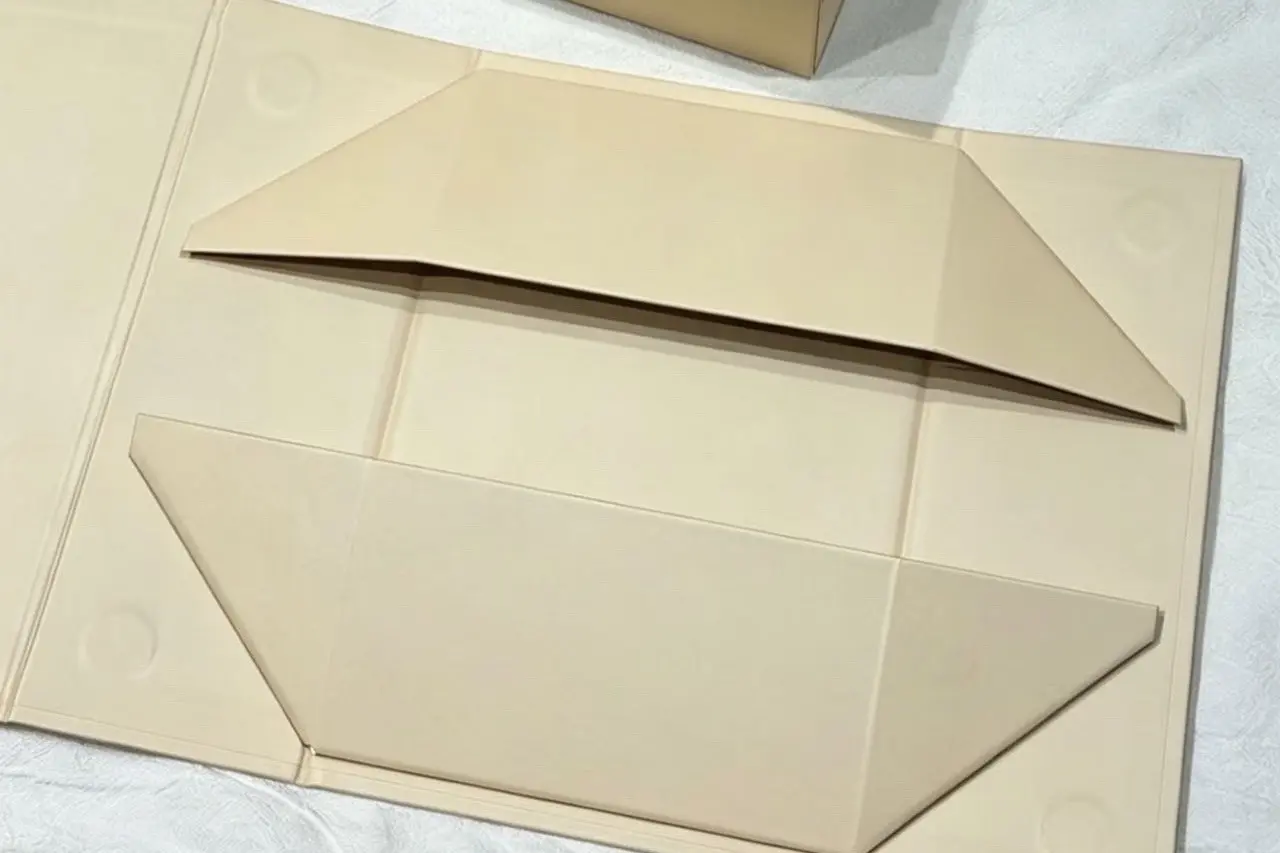
Material affects structure, finish, durability, sustainability and price. The right choice depends on the box type and product requirement. In practice, material choice also affects color result, edge quality, folding performance and how well a finish such as foil stamping or embossing will hold.
Common packaging materials include:
- Greyboard for rigid boxes
- Paperboard for folding cartons
- Corrugated board for mailer and shipping boxes
- Kraft paper for natural or eco-style packaging
- Coated paper for clean print results
- Specialty paper for premium textures
If your brand wants a more natural look, kraft paper or recycled paper may be suitable. If you need a luxury look, specialty paper, coated paper, soft-touch lamination or foil stamping may be more appropriate. Ask for material photos or a sample when possible, because the same color can look different on kraft paper, coated paper and textured specialty paper.
For more detail, review packaging materials before choosing the final structure.
Plan Logo Printing and Finishing
Logo finishing changes how customers perceive the package, but it also affects production setup. A simple printed logo may work for ecommerce or retail cartons, while premium products may need foil stamping, embossing, debossing, spot UV or specialty paper.
Common logo and finish options include:
- Offset printing
- Screen printing
- Foil stamping
- Embossing
- Debossing
- Spot UV
- Matte or gloss lamination
- Specialty paper wrapping
If you want a metallic logo, foil stamping is often a strong option. If you want a raised or pressed texture, embossing and debossing can make the logo feel more tactile. Very thin lines, tiny text and large foil areas should be checked carefully, because they may not stamp as cleanly as they look in a digital file.
For simple brand application, you can start with logo printing and then add premium finishes after confirming the budget.
Decide Whether You Need Inserts
Inserts are important when the product needs protection, positioning or a premium display. They keep the product from moving inside the box and can make the opening experience feel more organized. They also prevent a common problem: a nice outer box that looks empty or messy once the customer opens it.
Common insert options include:
- Paperboard inserts
- Corrugated dividers
- EVA inserts
- Foam inserts
- Molded pulp inserts
- Fabric-covered inserts
For perfume bottles, jewelry, candles, watches and skincare sets, the insert is often as important as the outer box. A premium box can still feel poor if the product moves around inside. For fragile products, check side clearance, top clearance and how easy it is for the customer to take the product out.
If your product needs support or display inside the box, review custom packaging inserts before confirming the sample.
Check MOQ, Sample Time and Production Timeline
Custom packaging is usually made to order, so MOQ, sample time and production time should be considered early. This is especially important for seasonal launches, crowdfunding projects, holiday gift sets and retail delivery windows.
MOQ can depend on:
- Box structure
- Material
- Printing method
- Logo finish
- Insert type
- Order quantity
- Manual assembly complexity
Sampling is important because it allows you to check size, insert fit, material, logo position, color, opening feel and packing method before bulk production. A digital rendering cannot fully show paper texture, magnet strength, drawer friction, foil brightness or how tightly the product sits in the insert.
For many custom packaging projects, LuxoPacks can start from 50 pcs. This is useful for early brand launches, sample runs, limited gift projects and product testing. At this quantity, we usually suggest keeping the structure practical. A clean rigid box with one logo finish may work better than a complicated box with several finishes and a costly insert.
LuxoPacks usually recommends confirming the sample before starting bulk production. Sample time is usually 3-5 days after the structure and artwork are confirmed. Bulk production usually takes around 15-20 days after sample approval, depending on box style, material, insert and finishing. You can review the sampling process and quality control steps if your order has strict launch or retail requirements.
Avoid Common Packaging Selection Mistakes
Many packaging problems start before production. The buyer chooses a box based on appearance, but the structure, material or insert does not match the real product.
Common mistakes include:
- Choosing a luxury box structure before confirming the product weight
- Using a retail carton for a product that will ship directly by courier
- Ignoring insert fit for glass bottles, candles, jewelry or watches
- Adding too many finishes at low quantity and pushing the unit cost too high
- Sending artwork before confirming the dieline
- Approving a sample without testing how the product sits inside the box
- Forgetting barcode, ingredient, warning or compliance text space
- Choosing dark full-coverage print without checking fold-line cracking
The safest approach is to confirm structure first, then material, insert and finish. If the budget is limited, spend money on fit and protection before adding decorative details.
Prepare Details for a Quote
To get a more accurate quote, prepare as much information as possible before contacting the packaging supplier. Vague requests such as "I need a luxury box" usually lead to slow back-and-forth. A clear brief helps the supplier recommend the right structure faster and avoids quoting the wrong option.
Useful quote details:
- Product size
- Product weight
- Box style
- Quantity
- Material preference
- Logo file
- Printing colors
- Finish requirements
- Insert needs
- Delivery country
- Target deadline
If you are not sure which structure is best, send your product details and target budget. LuxoPacks can suggest practical options before sampling. It is normal to compare two or three structures at the beginning, especially when you are balancing premium presentation against cost.
Ready to compare options? Request a custom packaging quote with your product size, quantity, logo and preferred box style. If you are not sure which structure to choose, send product photos and target quantity first. We can suggest a practical direction before sampling.
Quick Recommendation by Product Type
| Product type | Recommended packaging |
|---|---|
| Jewelry | Rigid box, drawer box, lid and base box, velvet or paperboard insert |
| Cosmetics | Folding carton, rigid gift box, paper bag, printed insert |
| Skincare | Folding carton, magnetic box, paper tube, rigid set box |
| Perfume | Rigid box, lid and base box, protective insert, foil stamping |
| Candle | Paper tube, rigid box, mailer box, molded pulp or paperboard insert |
| Watch | Rigid box, drawer box, EVA insert, cushion support |
| Ecommerce | Mailer box, corrugated box, branded inner print |
| Corporate gift | Magnetic box, luxury gift box, paper bag, ribbon, multi-product insert |
Final Thoughts
The best custom packaging box is the one that balances product protection, brand image, cost, MOQ, production time and customer experience. Start with the product requirements, choose a suitable structure, select materials and finishes carefully, then confirm the important details through sampling before bulk production.
If you need help choosing a structure, material, insert or finish, send LuxoPacks your packaging project details. We can help you compare practical options for your product and budget.
Author note: Written by the LuxoPacks team based on common structure, material and sampling questions we see during custom packaging projects.